
Leave Your Message

Blog

How to Choose an Expandable Container House?

How to Choose an Expandable Container House?

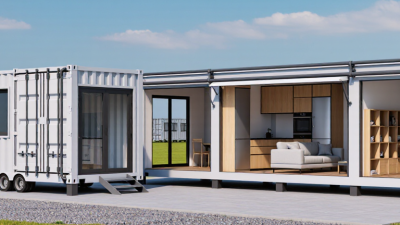
When you're picking an expandable container house, you really need to start by thinking about how you'll live in it day to day. Is it going to be a family home? A worksite office? Or just somewhere temporary? That one answer basically decides everything—layout, plumbing, how much electricity you need, storage. Also, don't skip sketching out your furniture. Seriously, a hallway that's too tight or a door in the wrong spot will drive you crazy every single day. Now, don't just glance at the pretty pictures—actually compare the folded transport dimensions with the expanded floor plan. And when you're talking to suppliers, ask them for drawings, material specs, and the nitty-gritty on insulation, windows, roof drainage, connection points. You also want to know how the unit gets installed, and what kind of foundation or site prep it needs. Honestly, the little things are what get you. A ceiling that's a bit too low, a pipe sticking out, or insulation that's thinner than it looks in the brochure—those can feel totally different once real weather hits. Photos online can give you a rough idea, but they won't tell you about the workmanship. Before you commit to an Expandable Shipping Container House, take a second to think about how it’ll actually reach your site. You don’t want to get stuck with something that can’t be delivered! Make sure trucks and lifting gear have enough room, then go over local building and safety codes with a qualified pro. It’s not the flashiest step, but it’ll save you a headache later. You know, when you ask for a quote, make sure it’s written down and actually itemized—unit price, transport, installation, any add-ons—so you’re not left guessing. And don’t just compare the big bold number at the top; look at the same specs across different suppliers. Honestly, no single model is going to be perfect for every project. If someone promises you everything without getting into the technical details, I’d be a bit wary. Sometimes the most honest answer is just “I need to check that” or “we need more info.” That pause isn’t a bad thing—it’s actually useful. It gives you time to figure out what really works for your site, your budget, and the people who’ll be living with it.
Read more »
Liam By:Liam - November 6, 2026
How to Buy Double Wide Mobile Homes?

How to Buy Double Wide Mobile Homes?

So you're thinking about buying Double Wide Mobile Homes? Awesome—but don't get too attached to that advertised price. It's really just the starting point. A double-wide gets built in sections and then put together right on your homesite, so there's delivery, installation, land, utility hookups, and ongoing site fees to think about. All of those extras can add up quickly and change the final number a lot. Honestly, details matter more than you'd think. Okay, so the U.S. Census Bureau’s Manufactured Housing Survey recorded 89,169 manufactured homes shipped in 2023. And that number isn’t just for double-wides—it covers all manufactured homes. The Manufactured Housing Institute also puts out its own industry data and consumer guides. Together, those sources give you some useful context, but honestly, neither one replaces a written estimate for your specific home. You know, Lesli Gooch—she’s the president and CEO of the Manufactured Housing Institute—calls manufactured housing “a critical source of affordable housing.” But here’s the thing: affordability isn’t just about the sticker price. You have to look at the full cost of buying and owning one. Okay, so before you settle on a model, really take the time to compare floor plans, what appliances are included, the energy features, warranty terms, and how delivery actually works. Don't be shy—ask the retailer to break down every single charge. Also, double-check that the home’s dimensions fit the site you’ve chosen, and whether the land is owned or just leased. Because here’s the thing: a low sticker price can still hide some pretty significant costs. Definitely worth a close look. Okay, so you're shopping for a double wide mobile home—there's a lot to think about, right? This guide walks you through comparing sellers, financing options, homesites, and installation plans. Plus, we'll point out some questions you really should ask before you sign anything. Honestly, the whole process can seem pretty simple at first. Then site prep shows up, and that's exactly when you need to pump the brakes and pay attention.
Read more »
Liam By:Liam - November 3, 2026
What Are the Top Foldable Houses for Sale?

What Are the Top Foldable Houses for Sale?

Let's be honest—finding the right foldable house isn't just about swooning over pretty photos or getting hooked by that eye-catching price tag. Sure, a compact unit can pop open in no time, but you still need to think through the boring stuff: getting it delivered, sorting out the foundation, hooking up utilities, and actually living in it day to day. Let’s be real—when you're shopping for a foldable home, it’s not just about the cool factor. This guide digs into what you should actually compare when checking out foldable homes for sale, from cabin-style models to a Tiny House Foldable design built for flexible living. And honestly? The details matter—maybe more than you’d think. Honestly, a good listing should walk you through the basics: folded transport dimensions, the floor plan when it's expanded, materials, insulation, windows, and how installation actually works. Also, don't be shy—ask about rain protection for roof joints and wall seals, and whether the price they quote covers delivery or setup. These little things end up affecting comfort way more than those glossy renders suggest. And sure, a big wide window looks gorgeous, but depending on where it's placed, it can really limit your furniture options. That clever folding wall? It might feel a bit less solid than you'd expect. You know, that one’s actually worth a second look, don’t you think? Okay, before you start comparing specific options, let's walk through what actually matters. We'll cover the practical features, the usual trade-offs, and the questions you should be asking sellers. And here's a big one—check if the photos really show the exact model, then ask for the specs on heating, ventilation, plumbing, and electrical systems. Warranty terms and after-sales support? They matter a lot too. Oh, and keep in mind that pricing and availability can shift, so it's always worth confirming with the manufacturer or dealer directly. Honestly, there's no single best choice for everyone. At the end of the day, the right house isn't just the one that comes together fastest. It's about the climate, getting around, what you actually need it for, and a budget that's realistic—you know, the stuff that really matters.
Read more »
Sophie By:Sophie - October 31, 2026
2026 Top Premade Houses for International Buyers?

2026 Top Premade Houses for International Buyers?

Picking the right Premade Houses for international buyers in 2026 isn't just about scrolling through glossy pictures and price tags. You've got to think about where it's going to sit—like the climate, the soil, your budget, and what the local building codes say. For instance, a compact modular home might look great on a coastal plot, but if it's humid, those materials could start to break down pretty fast. Look, when it comes to a property in a snow region, you really can't skimp on the basics: the roof has to be built to handle heavy snow, the insulation has to be top-notch, and the heating system has to be able to keep up. I mean, it's not just about staying warm, it's about preventing your roof from caving in and your pipes from freezing. Okay, so if you're looking into prefab houses, this guide basically walks you through the things that actually matter when you're buying one. We're talking factory quality control, what the structure's made of, how energy-efficient it really is, getting it transported without a headache, installation support, and—let's be honest—warranty terms that are actually clear. And one big thing: before you sign anything, make sure you ask for the engineering documents, material specs, and recent project references. Seriously, don't skip that. You know, sales brochures often skip the small stuff. That's where an independent inspection really shines—it picks up on things like window seals, drainage routes, and connection points that you might otherwise never think about. Look, no ranking is ever going to be spot-on for every country. Shipping costs go up and down, currencies swing, and getting local approvals can take forever. Some manufacturers lure you in with great prices but offer almost no support overseas. Others might charge more but give you solid service. That really makes a difference when you need replacement parts shipped from another country. So, getting professional advice from local architects, engineers, customs specialists, and certified installers is still absolutely key. Look, these companies we've been talking about? They're not a one-size-fits-all kind of deal. Honestly, whether they're worth it really depends on a few things—like whether their contracts are transparent, if they actually stick to realistic timelines, how well they communicate on the technical stuff, and whether they've got your back after the sale. A pretty house is great, don't get me wrong, but that's only half the story. The real moment of truth hits when that thing actually shows up on your lot. That's when you find out what you're really dealing with.
Read more »
Sophie By:Sophie - October 27, 2026
China Best Quick Assembly Container Supplier?

China Best Quick Assembly Container Supplier?

When you’re choosing the best Quick-Assembly Container supplier in China, honestly, it’s not just about comparing prices online. You’ve also got to understand the practical stuff—materials, production control, transport planning, and installation support. Honestly, a reliable supplier should be able to explain how their steel frame, sandwich panels, flooring, doors, and roof connections actually perform in real conditions. And clear specs? Yeah, those matter. Honestly, when you're choosing a manufacturer, try to find one with real factory experience and solid quality procedures. Their production team should be checking things like welding points, panel alignment, waterproof seals, and electrical openings before anything ships. What counts as good evidence? Factory videos, material test reports, project references, and inspection records that are actually transparent. And a professional supplier? They should also be able to give you drawings, packing lists, assembly instructions, plus after-sales support that actually responds. It's the small details that really matter. A good Quick-Assembly Container? It should show up packed tight, and then—with just a few tools and some basic labor—you can get it up and running. Picture a site office sitting on level ground: insulated walls, windows that actually lock, wiring that's neat, and a door that still shuts right after being used over and over. That real-world performance matters way more than pretty photos. Of course, site conditions aren't always the same. Soil movement, strong winds, damp air, and local building rules can all shape the final design. So, when you hear "best supplier," it’s worth taking that label with a grain of salt. Truth is, no manufacturer is perfect for every project. Some are great at customization, while others might be quicker to deliver or offer better technical support. If you're buying, ask for a full quote, make sure the warranty terms are clear, check production lead times, and confirm they meet the local standards that apply. And hey, mistakes can happen—even with teams that really know what they’re doing. Honestly? Clear communication and written-down fixes usually tell you more about reliability than slick promises do. When you're working with a dependable China supplier, trust isn't built on fancy talk — it comes from workmanship they can repeat, commitments that actually make sense, and support that sticks around even after the install is done.
Read more »
Liam By:Liam - October 24, 2026
China Top 10 Quick Assembly Container Manufacturers

China Top 10 Quick Assembly Container Manufacturers

China’s Quick-Assembly Container industry has grown from simple site cabins into a professional modular construction sector. Buyers now expect faster installation, stronger insulation, safer electrical systems, and dependable after-sales support. This guide examines ten leading Chinese manufacturers, including CIMC Modular Building Systems, GS Housing, K-HOME, WELLCAMP, DeepBlue Smarthouse, CBOX, Shanghai Lida, and other established suppliers. The comparison focuses on practical evidence. It considers factory capacity, steel-frame quality, panel performance, fire-safety documentation, transport planning, and installation experience. A reliable manufacturer should explain its welding process clearly. It should also provide drawings, material specifications, inspection records, and realistic delivery schedules. Small details matter. Door seals, floor drainage, corner connections, and roof flashing often decide whether a unit performs well after several seasons. No ranking is permanent. Prices change. Production capacity changes. Export experience can vary between projects. Some manufacturers present impressive catalogs, yet their field support may be less consistent. That point deserves attention. Therefore, this overview does not judge companies by advertising alone. It encourages readers to request recent project references, factory videos, sample reports, and written warranty terms. Independent inspection remains valuable, especially for large orders. The best Quick-Assembly Container supplier combines engineering discipline with honest communication. However, no supplier is perfect, and buyers should still verify local building codes, transport limits, site conditions, and installation responsibilities before signing a contract.
Read more »
Sophie By:Sophie - October 20, 2026
China Best Expandable Container House Supplier?

China Best Expandable Container House Supplier?

So, who's the best expandable container house supplier in China? Honestly, that question deserves more than just a race to the lowest price. A supplier you can actually rely on should show real factory experience, clear material specs, practical engineering know-how, and after-sales support that answers when you need it. The right pick really depends on your project—where it is, what climate it's headed for, your budget, and how it'll be installed. An expandable container house should show up compact, then open up into a livable space—home, office, classroom, worker accommodation, whatever you need. Before buying, check things like steel thickness, welding quality, insulation, electrical protection, flooring, and those folding hinges. Ask for factory videos, product drawings, loading tests, and references from completed projects. You might come across names like Guangdong WZH Modular Building Co., Ltd., Henan K-Home Steel Structure Co., Ltd., and Lida Group while researching. That's fine—but quality can differ from one model to another, and even batch to batch. The little details matter, too. A corner that isn't sealed properly can let rain in. A weak hinge can slow down the whole installation. And local permits plus foundation requirements? Those usually need a professional review. As sustainable construction expert Dr. Charles J. Kibert put it, “Sustainable construction means creating and responsibly managing a healthy built environment based on resource efficiency and ecological principles.” That idea fits here: an Expandable Shipping Container House should save time and materials without cutting corners on safety or long-term performance. Here's the uncomfortable truth: there's no universal best supplier. Some buyers get too focused on looks. Others forget about transport, assembly, and maintenance costs. A careful comparison should look at technical documents, how well the company communicates, warranty terms, and realistic delivery schedules. The strongest supplier isn't always the cheapest. It's the one that can explain every component clearly—and still support the building after it's delivered.
Read more »
Sophie By:Sophie - October 14, 2026
How to Buy Prefabricated Tiny Homes Worldwide?

How to Buy Prefabricated Tiny Homes Worldwide?

Buying Prefabricated Tiny Homes from overseas might look pretty simple online. But a nice, polished photo? That's not enough. The real decision starts with structure, certification, delivery access, and whatever your local area requires for approval. Jay Shafer—an influential tiny-house designer and founder of Tumbleweed Tiny House Company—once put it this way: “A tiny house is a house that is small enough to be affordable, but big enough to be comfortable.” That idea still holds up. Comfort really depends on climate, insulation, storage, ventilation, and how you actually live day to day. A model that works great for coastal California might struggle through a snowy Scandinavian winter. And a gorgeous kitchen can turn frustrating fast if the buyer needs wheelchair access or extra workspace. This guide walks through how to compare manufacturers, ask for technical documents, and estimate the full landed cost. Buyers should look closely at floor plans, wall assemblies, electrical systems, plumbing layouts, fire-safety features, and warranty terms. Ask whether the supplier has delivered homes to your region before. Get references, factory photos, and an itemized quote. Companies like EcoFlow, Boxabl, and Tiny Heirloom show different approaches, but no single brand fits every buyer. International shipping can bring cranes, ports, inland transport, taxes, and surprise storage fees. It's easy to underestimate that final bill. Even more important: local zoning and building rules can block placement, even if the home was legally manufactured somewhere else. That's where careful research really matters. Some assumptions might fall apart after you talk with a local architect or planning office. A reliable purchase isn't the fastest purchase. It's the one backed by documents, realistic measurements, and patient verification.
Read more »
Isabella By:Isabella - October 10, 2026
10 Best Container Homes for Sale Worldwide

10 Best Container Homes for Sale Worldwide

Container homes aren't just a niche thing anymore—they're becoming a real housing option for buyers around the world. And honestly, it's not hard to see why: tough steel frames, compact layouts, and the fact that they can be built faster in a factory. But here's the catch—a shipping container doesn't automatically turn into a comfy home. Good design comes down to insulation, ventilation, plumbing, electrical planning, and careful structural changes. This guide looks at 10 Best Container Homes for Sale Worldwide, with an eye on real value instead of just pretty photos. We're thinking about construction quality, floor plans, materials, delivery support, warranties, and what customers actually say. Prebuilt Container Homes can cut construction time, sure. But buyers still need to check foundations, transport costs, climate fit, and local building rules. Those details can swing the final budget a lot. Some of these homes are great for remote land. Others make more sense as guest houses, studios, or small family homes. Things like spray-foam insulation, double-glazed windows, shaded outdoor space, and efficient heating can make a bigger difference than you'd expect. Yep, small details matter. No ranking is perfect, of course. A low price might leave out site prep, while a pricier model could offer better protection over the long run. Availability also changes from region to region. Before deciding, buyers should ask for technical drawings, certification documents, and written warranty terms. An independent building pro can spot problems that online listings might gloss over. That extra review can feel like a hassle. Usually, though, it's worth it. Our goal is to give you a balanced starting point—so you can compare these container homes with clearer expectations and fewer expensive surprises.
Read more »
Sophie By:Sophie - October 8, 2026
What Is an Expandable Container House?

What Is an Expandable Container House?

So, what exactly is an expandable container house? Think of it as a tiny home that’s built in a factory and then unfolds when it gets to your site. It starts out looking like a compact module you can easily transport—kind of like a big shipping container—but then, with hinged walls, insulated panels, and pre-installed utilities, it opens up to create a usable living space in just minutes. Picture a steel frame rolling up on a truck, then unfurling next to a prepared foundation. Honestly, it doesn't just look like a storage container; it turns into a cozy little house. The increasing demand really shows how much people are feeling the pinch. According to UN-Habitat, by 2030, about 2.8 billion folks could be living without proper housing. On the flip side, research from McKinsey & Company back in 2019 highlighted that modular construction can cut project timelines by anywhere from 20% to 50%. It can also slash costs by up to 20%. Of course, that depends on local factors—things like labor costs, permits, transportation, and foundation work can totally change the game. Still, these stats are part of why the Expandable Shipping Container House market is so buzzing right now. Just keep in mind, though—these numbers don’t promise savings for every single project. When it comes to performance, the devil’s in the details. You wanna check if the materials meet standards like ASTM International, and certifications like ISO 9001 can tell you if they’ve got proper manufacturing processes in place. It's smart to look closely at things like insulation, fire safety, wind resistance, plumbing hookups, and electrical setups. A good supplier should provide detailed drawings, warranty info, and records of installation. Plus, the unit needs to be suited for your climate. If it’s designed for mild weather but you’re in a snowy or sizzling hot area, that could be a problem. And yes, even though it sounds quick to expand, you can’t skip the groundwork—things like having a level base, crane access, drainage plans, and proper utility connections are essential. All in all, it’s a practical idea, but not flawless. The magic happens when factory efficiency meets smart site planning—and making sure all the pieces fit just right.
Read more »
Isabella By:Isabella - October 2, 2026
How to Buy Prefabricated Modular Homes in 2026?

How to Buy Prefabricated Modular Homes in 2026?

So, you're thinking about buying a prefabricated modular home in 2026? Well, it’s not just about picking out a cool floor plan. The real kicker is figuring out things like land, how easy it is to get there, local permits, and making sure your budget actually holds up. You might take a fancy factory tour, but honestly, that doesn’t replace doing your homework. The home still needs a solid foundation, utility hookups, drainage, and someone on-site who knows what they’re doing. Steve Glenn, who started Plant Prefab, once said, “Prefab is a process, not a style.” That difference really matters. Just because a home is built in a factory doesn’t automatically mean it’s perfect. Its actual performance depends a lot on the design quality, materials used, installation, and how well you maintain it. When shopping around, ask for engineering plans, energy efficiency details, warranty info, and examples of homes they’ve already finished. Don’t forget to check who’s handling permits and what’s included in the price—and what might cost extra outside the initial contract. Pay attention to the small stuff. For example, how are the wall sections protected during transport? Look into the factory’s quality control records. Think about the delivery route, crane access, and whether weather might cause delays. Also, keep in mind that a “bargain” price might not cover everything—you might still need to budget for the foundation, appliances, landscaping, or regional taxes. Mistakes happen, after all. This guide covers how to compare manufacturers, look into financing options, review contracts, and prep your site before signing on the dotted line. It also takes into account things like sustainability, resale value, delivery timelines, and long-term support for repairs. Even if your model home looks perfect, stay practical. A stunning kitchen doesn’t fix a tricky lot, and rushing through construction doesn’t mean quality will last. Asking the right questions can really make a difference and help you avoid unpleasant surprises later on.
Read more »
Sophie By:Sophie - September 30, 2026
What Is the Best Folding Container House in 2026?

What Is the Best Folding Container House in 2026?

Deciding on the best Folding Container House for 2026 really hinges on what you need it for, where you plan to put it, and how often you might need to move it around. A small, portable unit meant for temporary site offices has totally different priorities compared to a cozy family cabin or a remote staff shelter. The best way to compare options is to start with the practical stuff—things like the dimensions when folded and unfolded, how much floor space you get, what materials are used for the walls and roof, insulation, ventilation, door and window placement, plus how everything connects together. That attractive price tag can be tempting, but don’t get caught up in it—you might find the actual unit is a different story once it’s delivered. Be sure to ask suppliers for clear drawings, detailed info on materials, assembly instructions, warranty terms, and specifics about transportation and installation. It's also worth checking how the structure holds up once you’ve unfolded it, how rainwater drains from the roof, and whether the doors and windows close tight enough. These little details are easy to overlook in slick product photos but become super important, especially on a wet, windy site. You might see the term Folding House Container tossed around for similar products, but keep in mind, designs and features can really vary a lot. Don’t just rely on one specification sheet to judge quality. It’s better to look for consistent documentation, and if possible, see a finished unit in person or ask for independent test reports. This guide highlights common design features, costs, setup tips, and questions to ask suppliers—things that help you figure out whether what you’re getting is really worth it. There’s no one-size-fits-all answer here. The right choice depends on where you'll put it, how many people will use it, and how much maintenance you’re prepared to do—not just what the brochure claims.
Read more »
Isabella By:Isabella - September 26, 2026
What Are Pre Made Homes and How Do They Work?

What Are Pre Made Homes and How Do They Work?

Have you heard about Pre Made Homes? They're really changing the way a lot of folks think about building houses. Basically, these homes are partially or completely assembled in a factory that's carefully controlled—kind of like a big, specialized workshop. Then, they're transported to the site ready to go. Sometimes, the walls, floors, kitchens, and even the plumbing systems arrive as ready-made sections. Once on site, cranes help place these pieces on a foundation, and then crews hook up the utilities and finish off the outside. It’s pretty impressive! Michelle Kaufmann, an architect well-known for her work in modern prefabricated housing, once said, “Prefab isn’t a style; it’s a process.” That’s such an important point because these homes can look super traditional, sleek and modern, tiny or highly customized. Their look doesn’t define them — it’s all about how they’re made. The whole process usually kicks off with designing the home, figuring out the budget, and checking out the site. Then, professionals look into soil conditions, how you’ll get materials there, what kind of foundation is needed, and what local building rules you have to follow. The factory then produces the parts with consistent measurements, which helps avoid delays caused by bad weather and reduces waste. But, just a heads up — it doesn’t automatically mean it’s cheaper. Things like transportation, permits, site prep, and hooking up utilities can bump up the final cost quite a bit. And here’s where things get interesting — details start popping up pretty quickly. For example, if the road is too narrow, delivering the modules might be trickier. If your lot is on a slope, you might need extra work on the foundation. Plus, small tweaks in the design can throw off factory schedules more than you’d expect. Honestly, a lot of buyers don’t realize just how much these little details matter. Planning well and being honest with everyone involved — from the homeowner and designer to the manufacturer and site workers — is key. Comparing specs, warranties, timelines, and previous projects can make a huge difference. While Pre Made Homes can offer a lot of efficiency and design options, they still need careful planning, realistic expectations, and good oversight from start to finish.
Read more »
Sophie By:Sophie - September 24, 2026
2026 Top Expandable Container House Types for Global Buyers?

2026 Top Expandable Container House Types for Global Buyers?

The market for Expandable Container House solutions in 2026 is really starting to open up, offering more practical and varied options than ever before. Whether you're looking for a cozy studio, a two-bedroom family unit, an office cab, classroom, or even emergency accommodation, there's probably something that fits your needs. Each type is designed to adapt to different site conditions, budgets, and delivery plans, making it a pretty flexible solution. An Expandable Shipping Container House is quite clever—it arrives folded up, which really cuts down on transport costs and handling hassles. Once it's at your site, you can unfold the sides to create a much more spacious living or working area. Of course, when you're looking into these, you'll want to check out things like the steel frame quality, insulation thickness, roof drainage systems, electrical wiring, and plumbing access points. If you’re in a colder climate, good insulation and heating capacity are key. If you’re near the coast, then corrosion protection should be top of mind. To compare different suppliers like a pro, ask for factory drawings, load calculations, quality inspection reports, and detailed installation instructions. And here’s a little tip—bigger isn’t always better. A two-bedroom unit might be perfect if you're setting up for a remote team, but a small studio could actually work better if you need a quick temporary office or guest cabin. To get the best bang for your buck, go with reputable manufacturers like Lida Group or K-HOME—they offer various configurations. But beware, product quality can vary from batch to batch. Just having a slick website doesn’t tell you much. Always ask for material samples, do video inspections if you can, request references from past projects, and make sure the warranty terms are crystal clear. And don’t forget to check your local planning rules before placing an order—that way, you avoid surprises later. Now, there’s often a trap—some buyers focus way too much on price and forget about other crucial stuff like foundation work, access for delivery trucks, assembly tools, and utility hookups. Skipping these details can end up bumping up your total costs quite a bit. In this guide, I’ll walk you through the top expandable container house options for 2026. Just keep in mind that climate, local laws, and what users expect can vary all over the world. So, doing a practical comparison is still pretty important if you want to make a smart choice.
Read more »
Sophie By:Sophie - September 22, 2026
What Is a Manufactured Home and How Does It Work?

What Is a Manufactured Home and How Does It Work?

A manufactured home isn’t just some trailer sitting temporarily somewhere; it’s a properly built, permanent residence that’s factory-made. These homes are constructed following the federal HUD Code—which, by the way, covers everything from structural integrity and fire safety to plumbing, heating, and electrical systems. The Department of Housing and Urban Development checks these homes during production and after installation, so there’s a good level of consistency. But, keep in mind, it’s not perfect—no process is. Sometimes, things can still go wrong. Now, here’s the interesting part—numbers really show why manufactured homes deserve a closer look. Recent data from the U.S. Census Bureau’s Manufactured Housing Survey shows that over 100,000 new manufactured homes have been shipped out in just the past few years. The Manufactured Housing Institute adds that millions of Americans live in these homes, and they often cost less than traditional, on-site built homes. Former industry president Mark Bowersox even calls manufactured housing “the most affordable form of unsubsidized housing in America.” That said, just because it’s cheaper doesn’t mean it’s automatically affordable for everyone. Things like land costs, transportation, laying the foundation, utility hookups, insurance, and local fees can really add up and influence the final price. That’s an important distinction to keep in mind. For example, a four-bedroom manufactured home might come from the factory with cabinets, wiring, flooring, and appliances already in place. Once it’s delivered, a crew will bring each section on-site, piece everything together, anchor the structure, and hook up utilities. Before signing any contracts, it’s a good idea to carefully review the home’s specifications, warranty, installation agreement, and financing options. Plus, Freddie Mac’s research points out that zoning rules, lending hurdles, and land ownership issues can be real headaches. These barriers can be super frustrating and might even make it hard to compare options accurately. This guide aims to walk you through how manufactured homes work—what’s built in the factory, what’s involved in setting it up on-site, and where unexpected costs might pop up. It pulls from government data, industry insights, and practical questions you definitely shouldn’t ignore when considering this kind of housing.
Read more »
Sophie By:Sophie - September 18, 2026