Leave Your Message
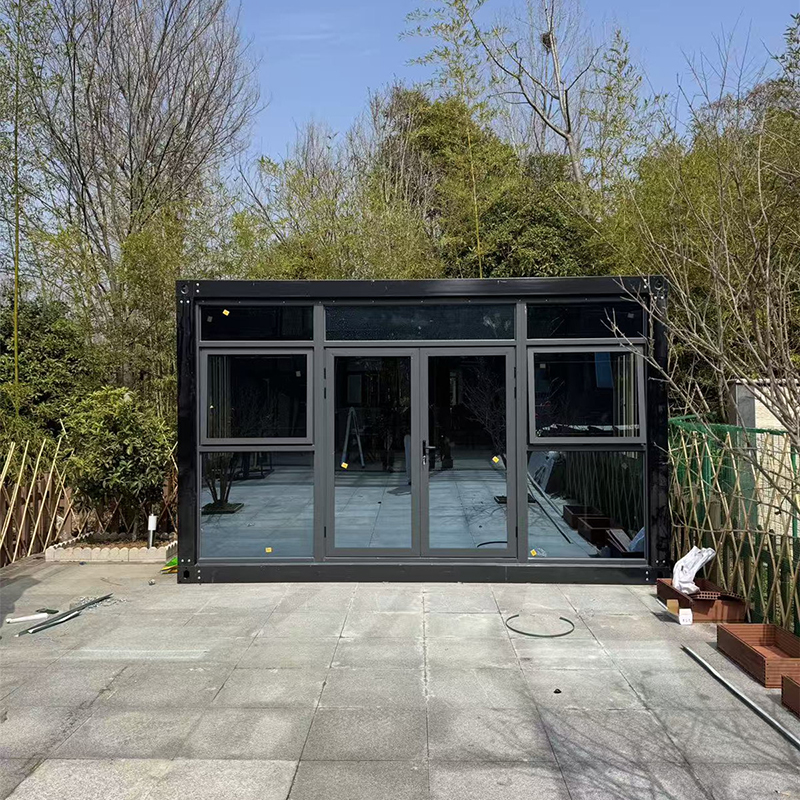
Highly adaptable, secure, and weather-resistant container structures designed for instant site deployment.
In today's fast-paced global economy, the demand for agile, scalable, and cost-effective spatial solutions has reached unprecedented heights. Traditional brick-and-mortar warehousing is increasingly challenged by long construction timelines, high capital expenditure, and rigid zoning regulations. Consequently, storage container buildings for temporary warehouses and material storage have emerged as a disruptive innovation, transforming how industries manage inventory, capital assets, and supply chain bottlenecks.
The industrial landscape is undergoing a massive shift toward modularity. E-commerce giants, construction conglomerates, agricultural producers, and manufacturing hubs face unpredictable market fluctuations. A sudden surge in supply chain inventory or a localized construction project requires immediate storage. Storage container buildings provide a deployable infrastructure that can be set up in days rather than months. By utilizing standardized ISO shipping container dimensions or customized quick-assembly frames, corporations can optimize their land usage, bypass lengthy municipal approval processes, and scale down operations just as quickly as they scale up.
Several key trends are driving the future of temporary warehouses and material storage container buildings:
Triple Guarantee of Safety, Efficiency, and Economy

All series of products have passed wind-resistance tests of level 10-11 and earthquake-resistance tests of magnitude 7-8. Their fire-resistance, waterproofing, and heat-insulation performance meet international standards, and both structural integrity and chemical safety meet the standards.

Modular pre-fabrication production, on-site quick assembly. The construction cycle is shortened by 40% - 60% compared with traditional buildings. Without the need for complex approvals, it realizes "quick implementation and immediate use".

Components can be repeatedly disassembled and reused, reducing construction waste. It saves more than 30% of the comprehensive cost compared with traditional buildings. High transportation loading rate significantly reduces logistics costs, and the long-term use and maintenance costs are low.
Storage container buildings are highly versatile structures that go far beyond simple tool sheds. Below we explore how different industries leverage these robust units for critical material storage and temporary warehousing needs.
On active construction sites, securing expensive building materials, power tools, electrical wiring, and specialized machinery is paramount to preventing theft and weather-related damage. Standard quick-assembly containers can be deployed directly on-site, serving as heavy-duty, lockable vaults. When equipped with custom racking systems, they organize inventory efficiently, allowing project managers to maintain strict control over materials. The added advantage of mobility means that as the construction project progresses or moves to a new location, the entire storage unit can be loaded onto a flatbed truck and transported without unloading the contents.
Agricultural operations are highly seasonal, requiring sudden surges in storage capacity. Storage container buildings protect harvested crops, seeds, and animal feed from pests, rodents, and moisture. Additionally, chemical fertilizers and pesticides require dry, well-ventilated, and secure environments to prevent environmental contamination. Shanghai Tangcheng's custom container designs can incorporate specialized ventilation, anti-corrosive wall panels, and spill-containment flooring, making them ideal for agricultural chemical storage.
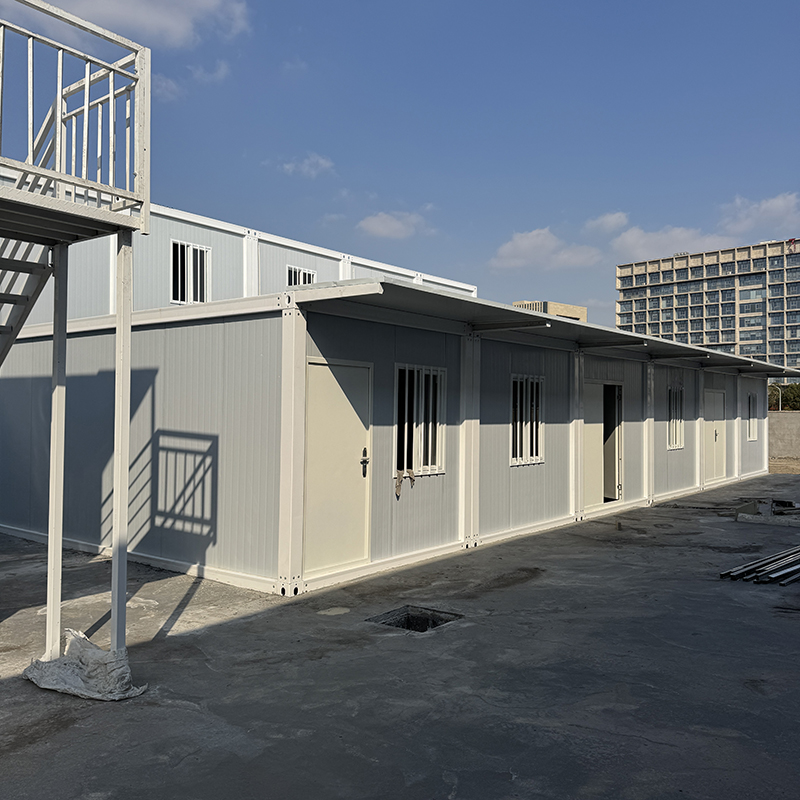
During peak shopping seasons (such as Black Friday or holiday periods), logistics networks often face severe bottlenecks due to lack of warehouse space. Setting up permanent structures is financially unfeasible for short-term surges. Quick-assembly container warehouses can be erected in parking lots or adjacent fields to act as micro-fulfillment centers or parcel sorting hubs. Their modular nature allows multiple containers to be linked together, creating a continuous, weather-tight storage hall that can be dismantled once the peak season subsides.
In manufacturing plants, storing hazardous materials, paints, solvents, and gas cylinders within the main facility poses a significant fire and safety hazard. Storage container buildings can be placed at a safe distance from primary operational zones to isolate these materials. Built with certified fire-resistant rockwool panels and equipped with explosion-proof electrical fittings, these containers provide a secure, isolated environment that complies with local chemical safety regulations.
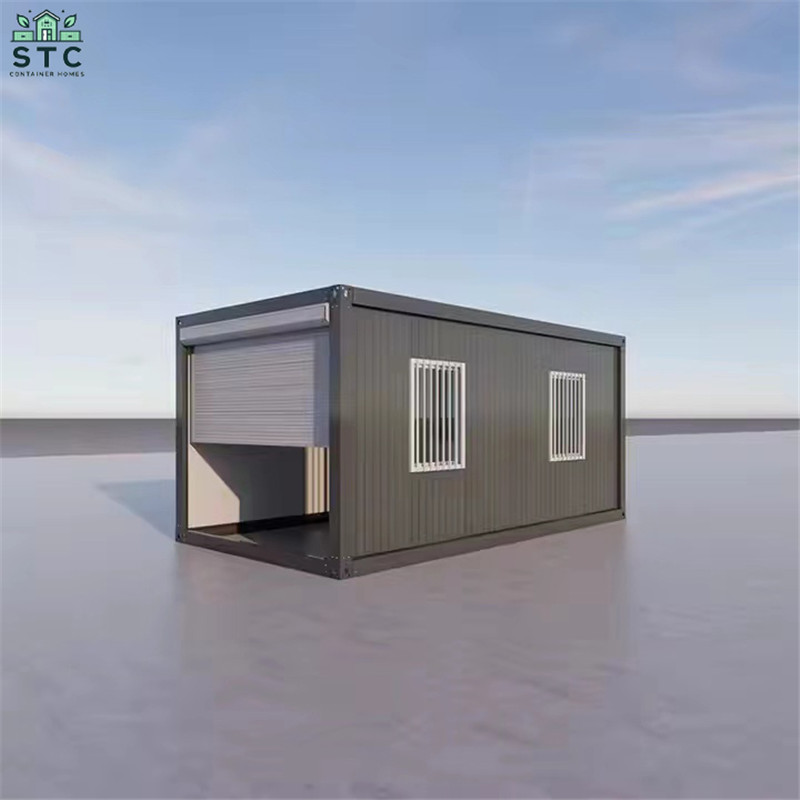
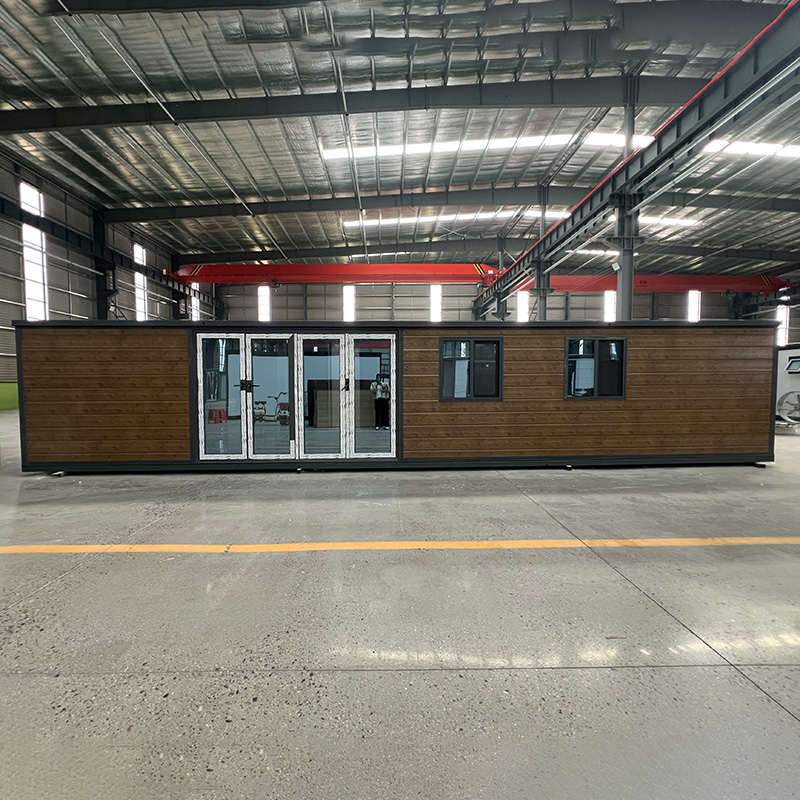
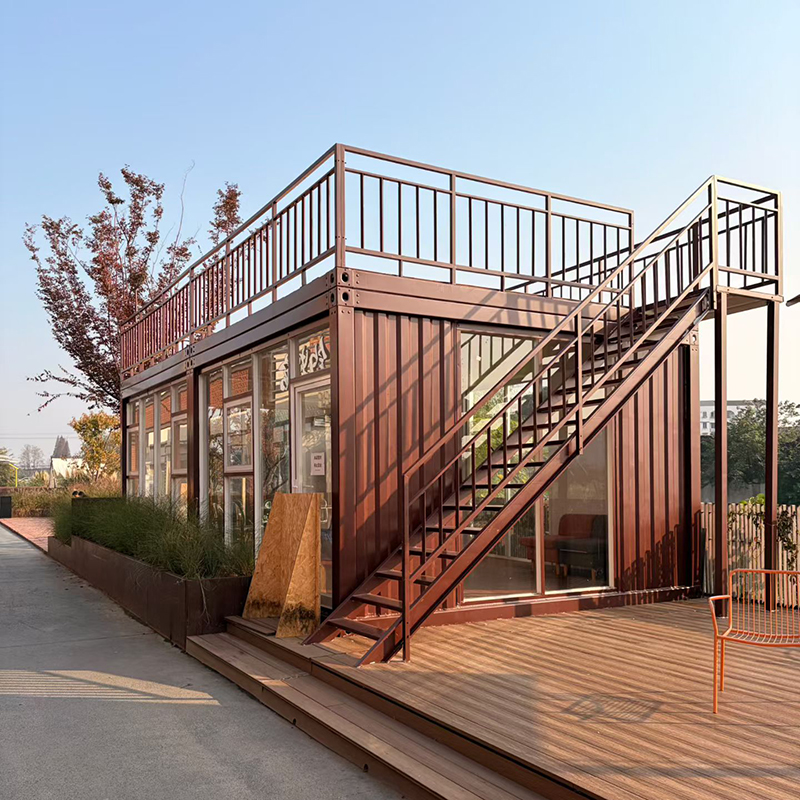
Our comprehensive range of modular structures engineered for temporary warehousing and material storage.
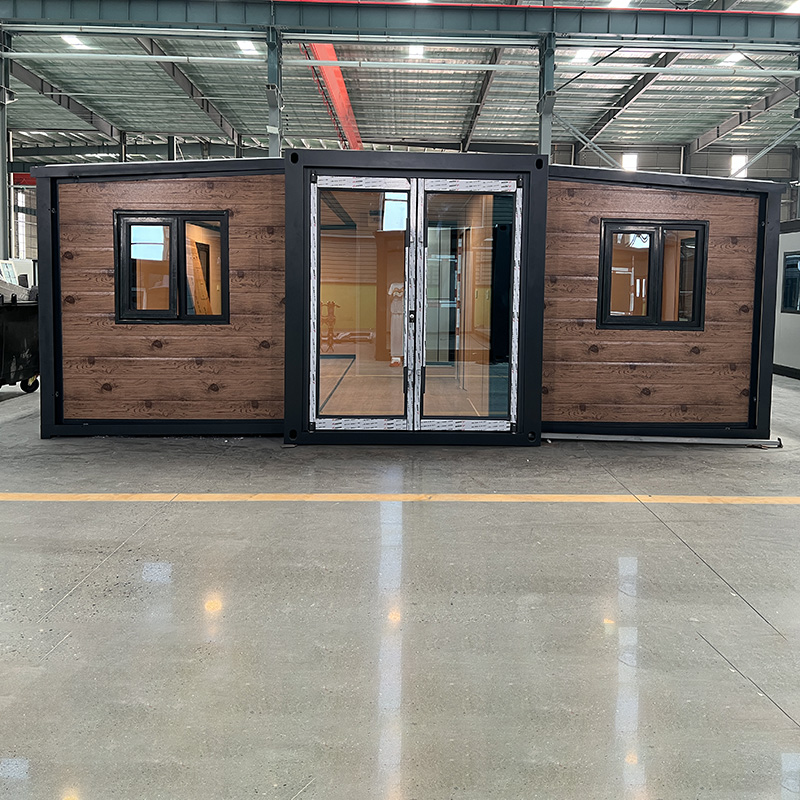
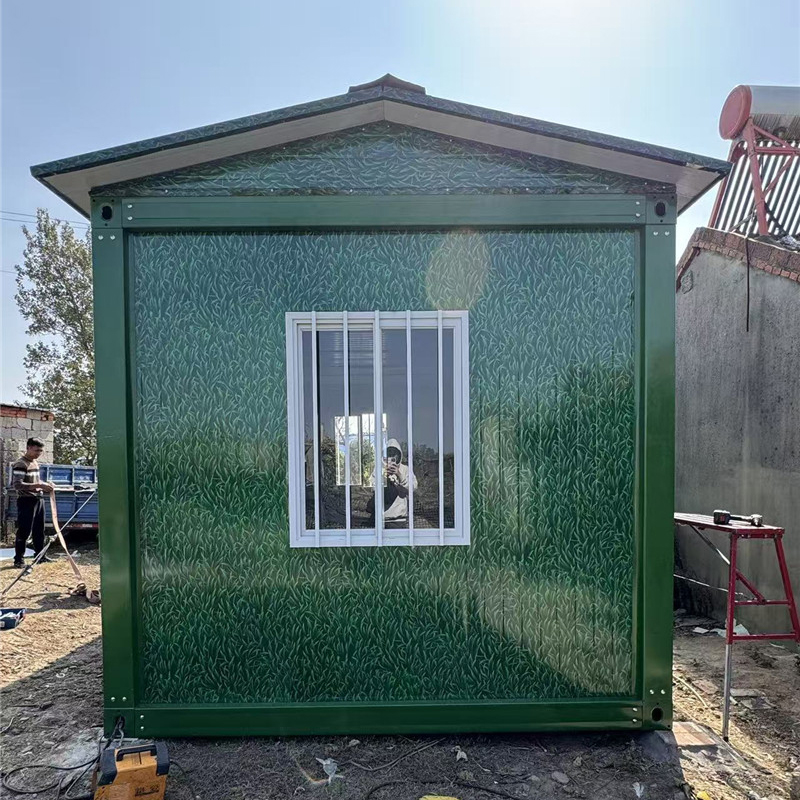
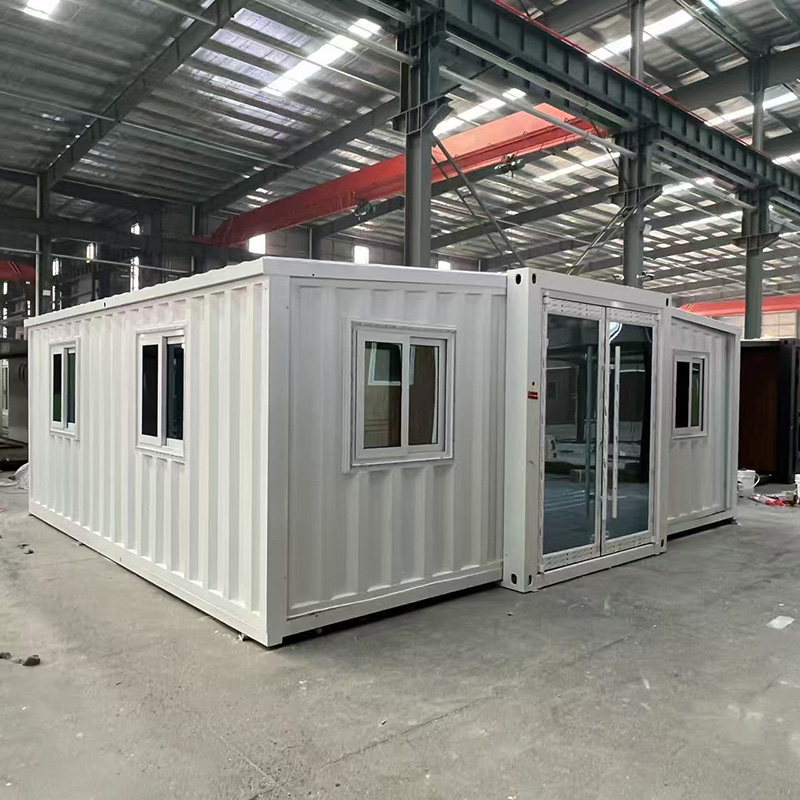
Designed for ultimate speed of deployment. These units can be folded flat for highly efficient transport, allowing up to 10-12 units to be loaded onto a single shipping truck. Once on site, they can be unfolded and fully assembled in under 10 minutes using a standard crane.
Worry-Free Guarantee from Demand Analysis to Final On-Site Implementation
Based on the customer's usage scenarios, regional climate (such as high-altitude, rainy, and windy areas), and functional requirements, 3D house-type design solutions are provided. Personalized customization of exterior color matching, internal layout, and functional modules (bathrooms, kitchens, office areas) is supported. We also provide basic leveling solutions. Only a simple concrete cushion is required for construction, reducing the cost and cycle of foundation construction.
Adopt a fully automated production line. All components have passed international certifications such as ISO 9001, CE, and ASTM. Chemical safety meets RoHS and REACH standards, with no harmful substance release. We guarantee a fast delivery cycle of 20-25 days. International trade terms such as FOB, CIF, and CFR are supported, with direct shipments from Nansha/Huangpu Port to the world, and complete logistics tracking.
Form an experienced installation team. For large-scale projects, a dedicated project manager is assigned to control the whole process, and the whole process including frame assembly, sealing and waterproofing, and water and electricity debugging is completed according to specifications. After installation, item-by-item acceptance services are provided, covering structural perpendicularity (deviation ≤ 5mm), water-tightness testing, and circuit safety inspection.
24-hour repair reporting channel. Response within 4 hours in urban areas, 8 hours in suburban areas, and 24 hours in remote areas. Graded quality guarantee system: The main structure has a quality guarantee of 1-3 years, and vulnerable parts have a quality guarantee of 1 year. High-end products enjoy a 10-year shell quality guarantee + lifetime leak-proof guarantee. Long-term supply of standardized parts with delivery within 72 hours.
As the global construction and logistics sectors seek smarter, greener, and more resilient solutions, the engineering behind storage container buildings continues to evolve. The future of temporary warehousing is defined by three key pillars: advanced material science, automation compatibility, and circular economy compliance.
Traditional containers are notorious for being susceptible to external temperatures, earning them the nickname "sweatboxes" in hot climates. However, modern container buildings utilize advanced composite insulation panels, such as Polyurethane (PU) and high-density Rockwool. These materials provide exceptional thermal resistance (R-values) and fire ratings, ensuring that sensitive electronic components, dry foodstuffs, and pharmaceutical products remain safe from extreme heat or freezing conditions. Furthermore, advanced anti-condensation coatings are applied to interior walls to regulate humidity levels, protecting stored metal parts from rust and corrosion.
The rise of automated guided vehicles (AGVs) and automated storage and retrieval systems (ASRS) is changing the physical layout of modern warehouses. Storage container buildings are adapting to this trend. Containers can be pre-engineered with reinforced flooring to support heavy robotic machinery, and designed with high ceilings or double-stacked configurations to maximize vertical space. Integrated fiber-optic ports, secure Wi-Fi routing paths, and smart access control systems can be built directly into the panels during the factory fabrication phase, making the container "robot-ready" upon delivery.
As governments worldwide enforce stricter carbon tax regulations and environmental laws, modular construction stands out as a beacon of sustainability. Traditional concrete construction is a major source of carbon emissions and generates massive amounts of site waste. In contrast, container warehouses are manufactured in controlled factory environments, minimizing material waste. Because they do not require permanent foundations, the local soil and ecosystem remain undisturbed. Once the storage facility's operational lifecycle ends, the buildings can be dismantled, relocated, or repurposed, embodying the core principles of the circular economy.
From modular offices to large-scale industrial warehouses, discover the perfect unit for your material storage needs.