
Leave Your Message
In the face of global urbanization challenges, natural disasters, and the increasing need for social housing, Storage Container Buildings have emerged as a disruptive force in the construction industry. Once viewed as mere shipping vessels, these steel structures are now the backbone of Long-term Temporary Housing and Resettlement Projects. The commercial landscape for modular construction is witnessing an unprecedented surge, driven by the demand for speed, cost-efficiency, and structural resilience.
The global modular construction market is projected to reach billions by 2030. Governments and NGOs are increasingly pivoting away from traditional brick-and-mortar resettlement schemes—which often suffer from delays and budget overruns—towards prefabricated container solutions. Industrial sectors, including mining, oil & gas, and renewable energy, are also adopting these buildings to house their workforce in remote environments, proving that container architecture is not just a temporary fix, but a viable long-term asset.
The term "Long-term Temporary" describes a critical bridge in modern urban planning. Resettlement projects often require housing that can be deployed in days but must remain habitable and comfortable for 5 to 15 years while permanent infrastructure is developed. Storage container buildings provide this exact balance. They offer the portability of a tent but the durability and amenities of a permanent home, including insulation, plumbing, and electrical systems.

Support standard/non-standard sizes, adjust length, width and height as required to adapt to scenarios such as construction sites, homestays, and warehouses.

Can be spliced into single-layer or multi-layer, and flexibly arrange partitions, doors, windows, stairs, and corridors.

Comprehensive coverage of water and electricity, bathroom facilities, heat preservation, sound insulation, fire prevention, and photovoltaic devices.

Design colors, LOGOs, curtain walls, and shapes as required to meet the needs of brand display and cultural tourism aesthetics.
In densely populated cities, container buildings serve as "decanting" centers. When an informal settlement is being upgraded, residents are moved into high-quality container housing units. These units are stacked vertically to save space, providing a dignified living environment with proper sanitation, which is often a significant upgrade from their previous housing.
Following earthquakes or floods, the immediate need is shelter. However, the secondary need is a stable home during the years of reconstruction. STC container houses are engineered to withstand seismic activity and high winds, making them the ideal choice for long-term recovery camps that might eventually evolve into permanent satellite towns.
Global migration necessitates housing that can be scaled rapidly. Storage container buildings allow for the creation of "Modular Villages." These villages include not just housing, but container-based schools, clinics, and community centers, fostering a sense of community and security for displaced populations.
For large-scale infrastructure projects like dam construction or cross-country railways, thousands of workers need housing. Container buildings offer a "plug-and-play" solution. Once the project is completed (after 5-10 years), these buildings can be dismantled and transported to the next project site, maximizing the Return on Investment (ROI).

Prefabricated in the factory and quickly installed on-site. A 2-person team can complete one set in 4-6 hours. Leading enterprises can achieve one room in 2 hours.

Ship in parts and transport by full-vehicle. It can enter mountainous areas/narrow roads without damaging the site.

Provide multiple modes such as on-site installation, remote guidance, and turn-key delivery.
The future of Storage Container Buildings is inextricably linked with AI and Green Tech. We are moving towards "Intelligent Modular Units" that are not only self-sufficient but also contribute back to the environment. Key trends include:
Furthermore, the Industrial Internet of Things (IIoT) is being used in the manufacturing phase to track every component of a container house, from the steel frame to the smallest screw, ensuring 100% quality control for large-scale government resettlement contracts.
Adopt recycled materials and a four-dimensional carbon reduction model, which can be recycled and operate with net negative carbon emissions.
Adapt to photovoltaic roofs and energy-saving enclosures to reduce long-term energy consumption. This has been implemented in projects such as the Xiongan New Area.
Environment-friendly, generating no construction waste, and meeting the requirements of carbon neutrality.
Pass authoritative certifications such as ISO. Resistant to wind, earthquake, fire, and corrosion, ensuring safety and durability.
Long-term cooperation with large enterprises such as China Railway and China Construction, guaranteeing stable and reliable quality.
Provide after-sales maintenance, parts replacement, and secondary relocation and recombination services.
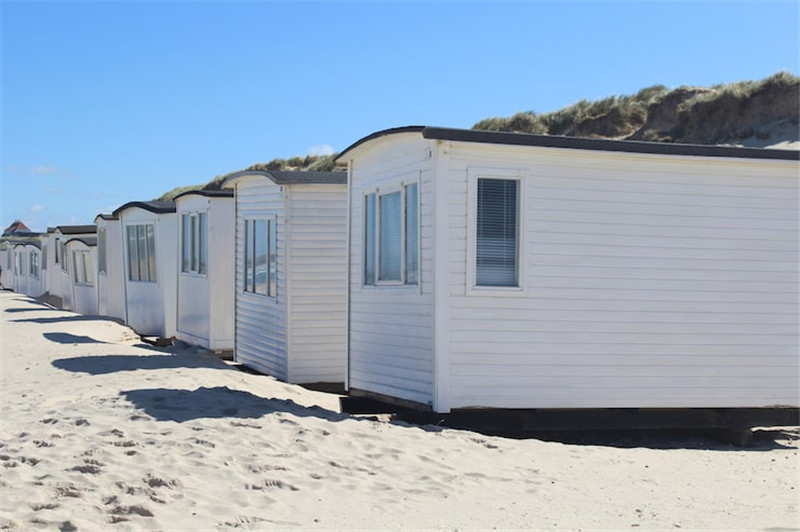
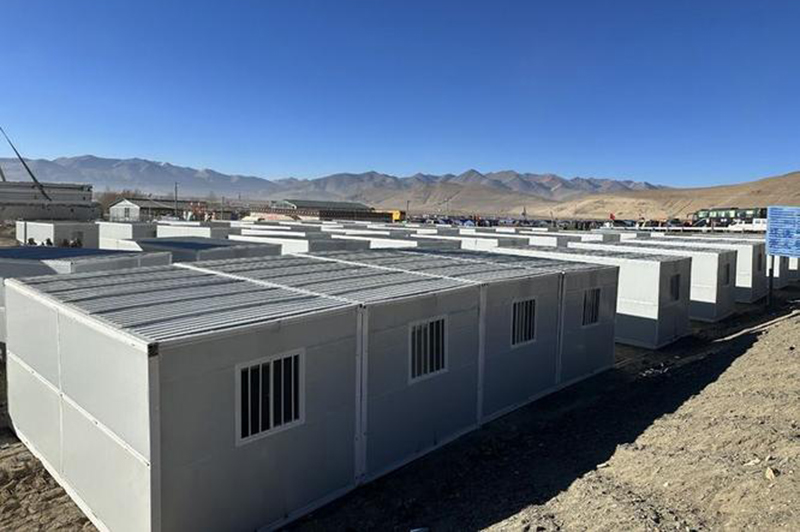
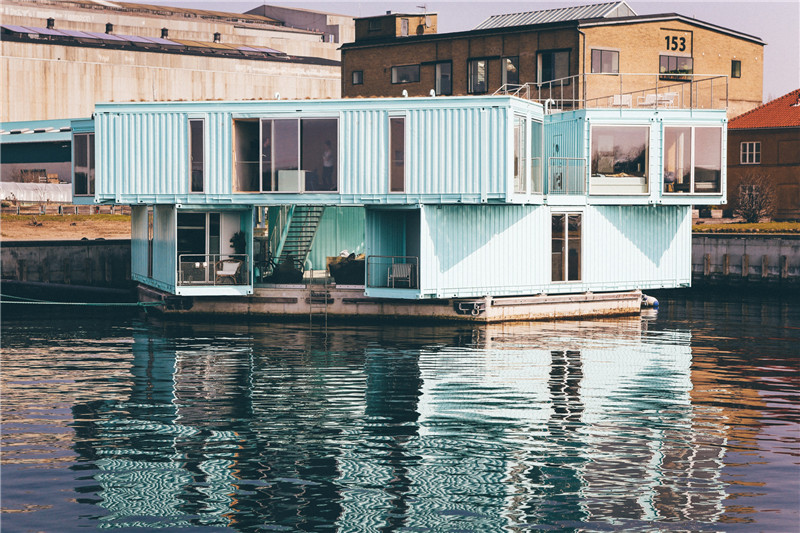
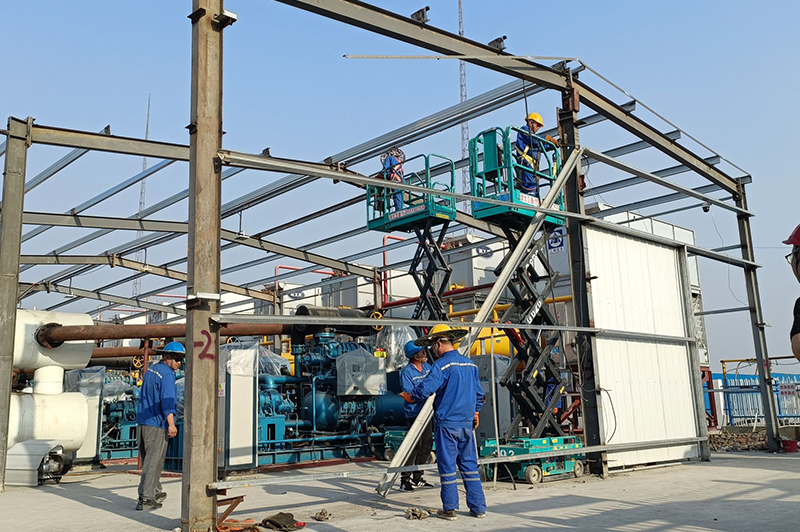
Storage container buildings represent more than just a trend; they are a fundamental shift in how we approach human settlement. For Long-term Temporary Housing and Resettlement Projects, the ability to deliver high-quality, sustainable, and scalable housing in a fraction of the time required by traditional methods is a game-changer. As technology advances, these modular units will continue to provide safety, dignity, and a sense of home to millions around the world, whether in an industrial camp or a post-disaster recovery zone.
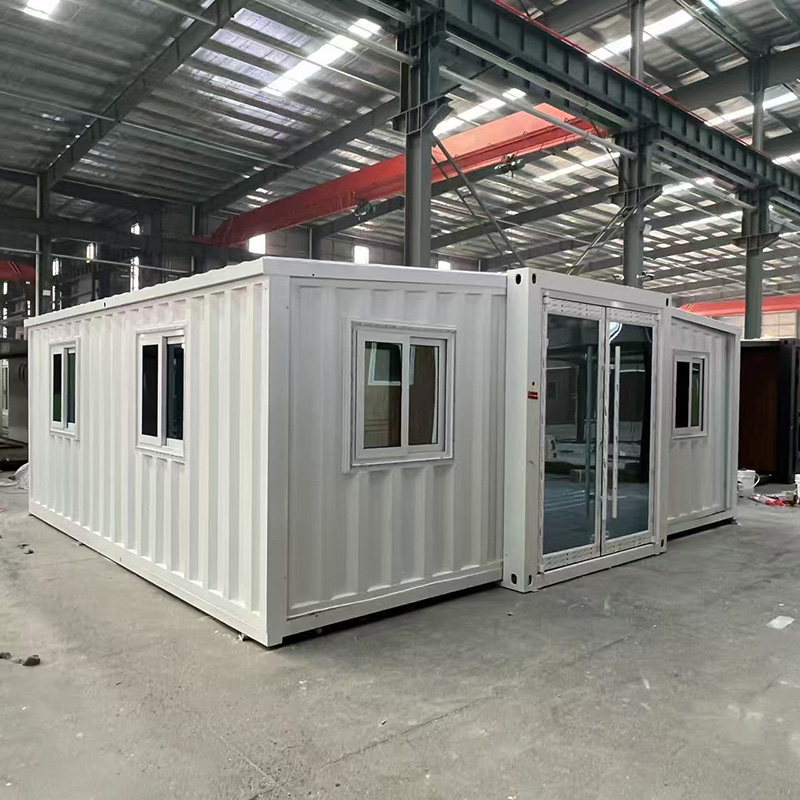 STC Emergency Container House | Quick Response & Durable
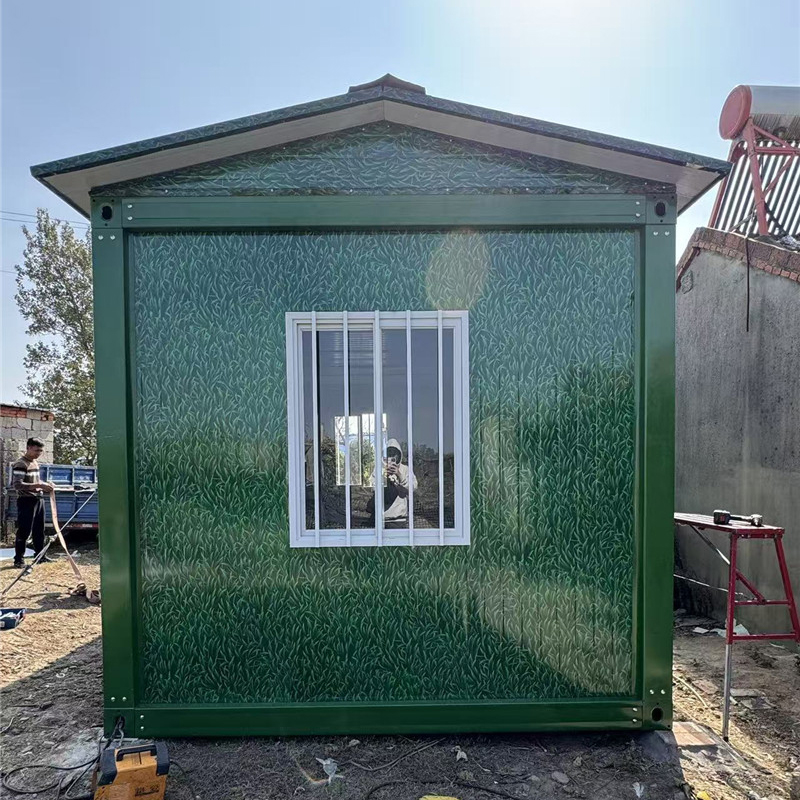 STC Gable Roof Fast-Assembly Container House
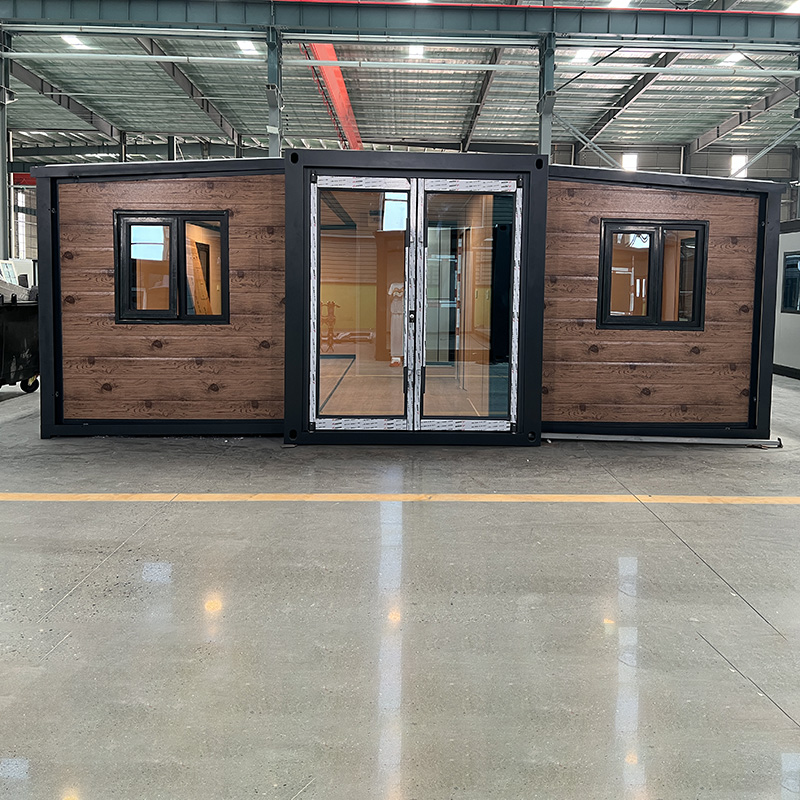 STC Expandable Container Home | All-In-One Living Solution
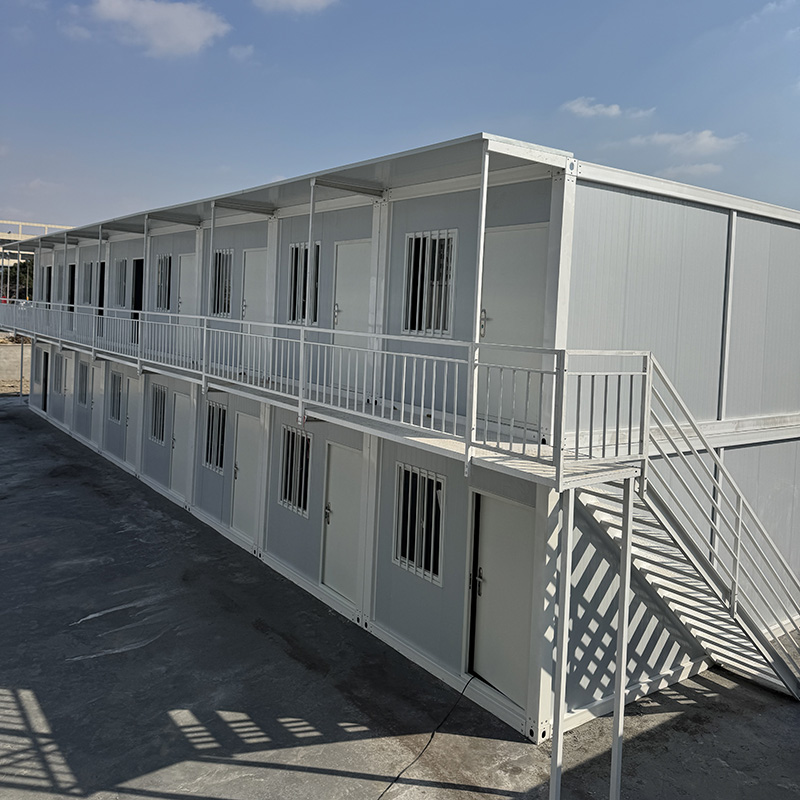 STC Double-layer Quick-assembly Container House Maximized Space
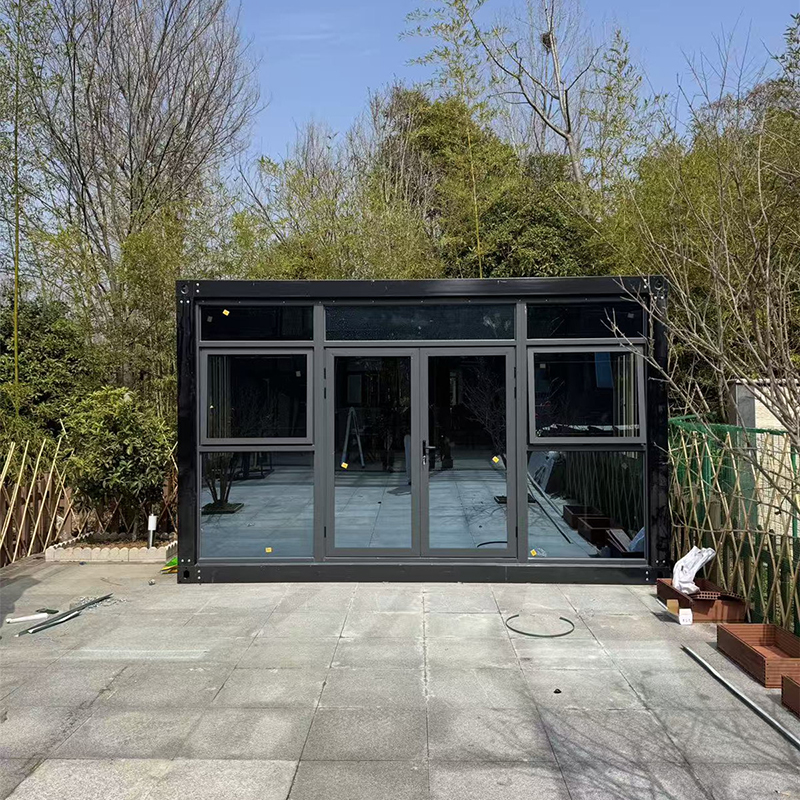 STC Full Glass Curtain Wall Container House— Premium Office
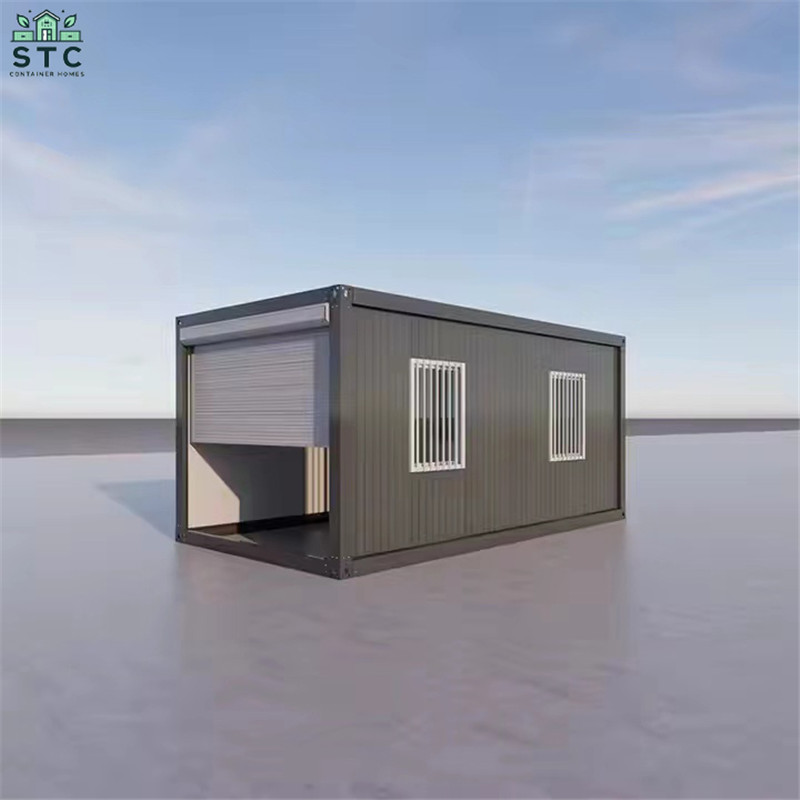 STC Quick Assembly Container Warehouse – Fast Construction
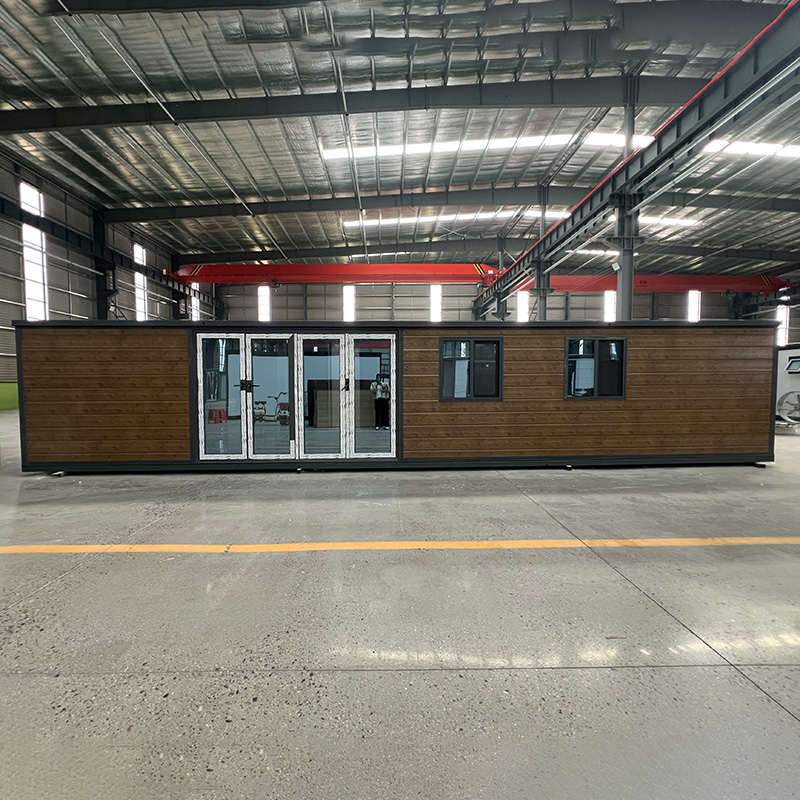 STC Expandable Office Container | Ready-to-Use Mobile Office
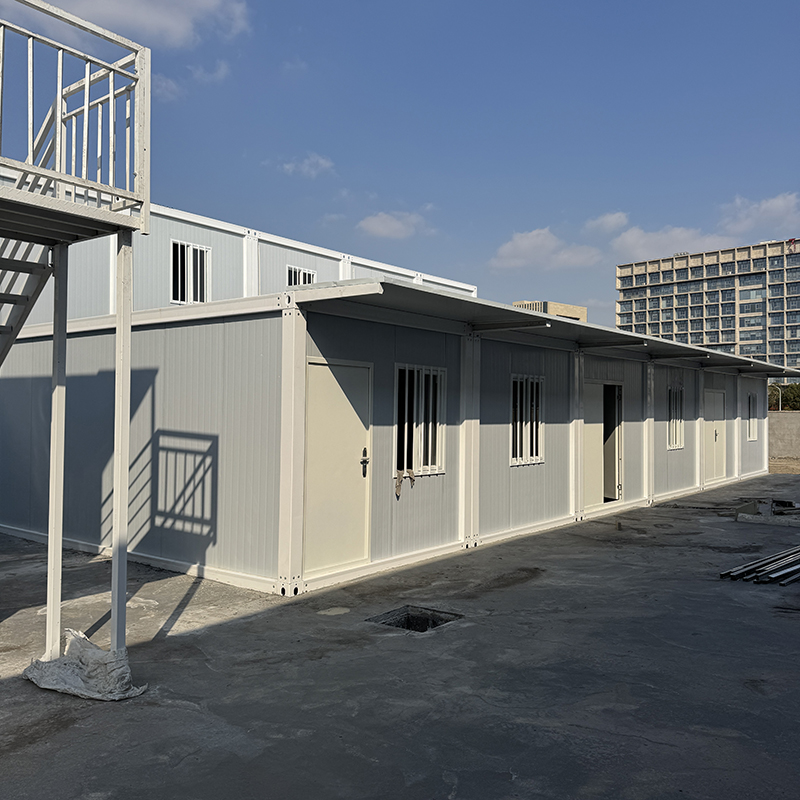 STC Prefabricated Container House with Canopy Ideal for Site Office