Leave Your Message
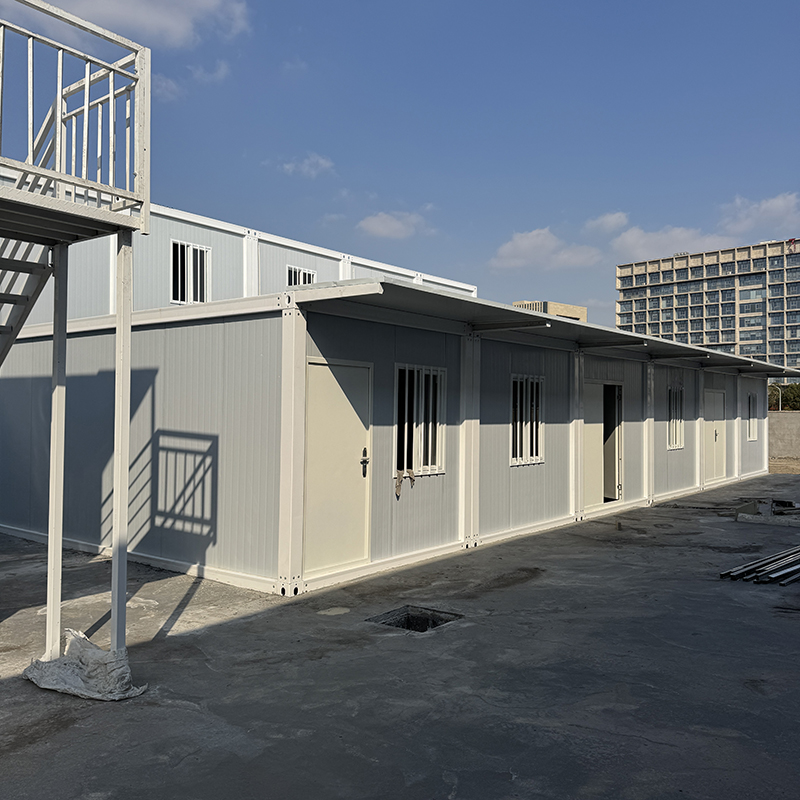
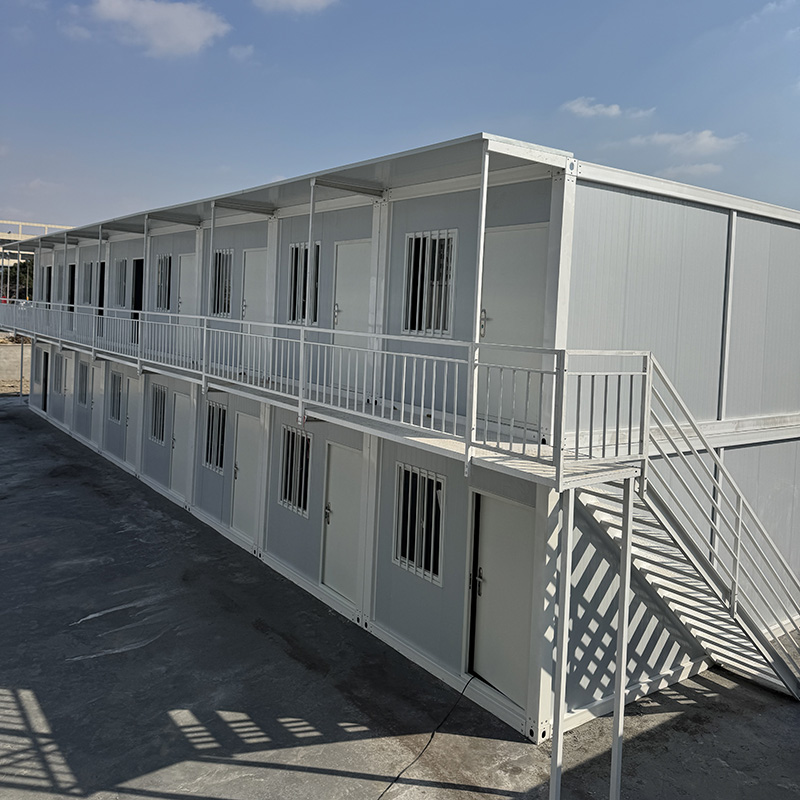
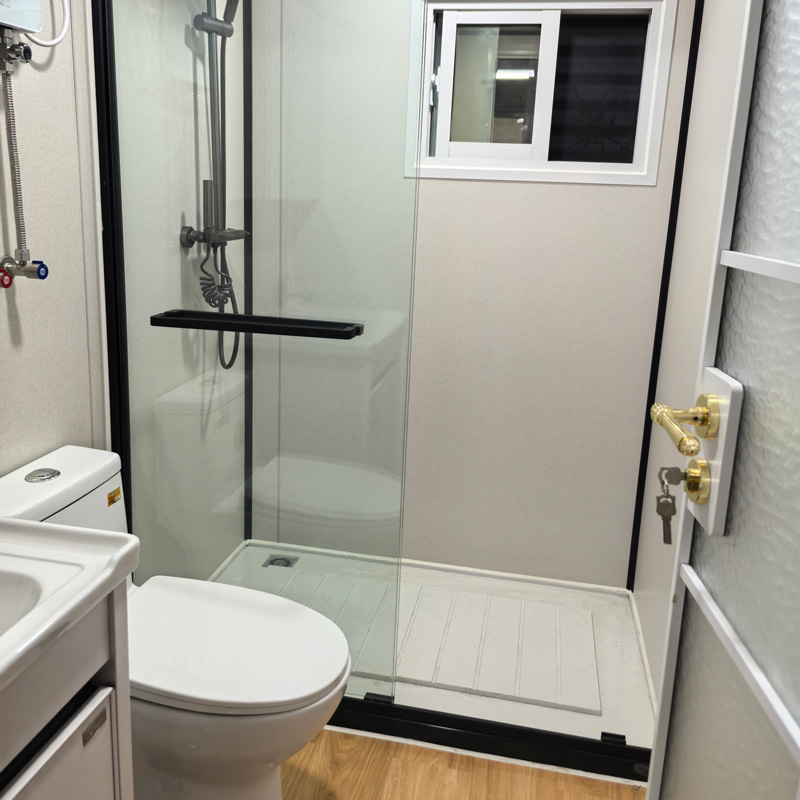
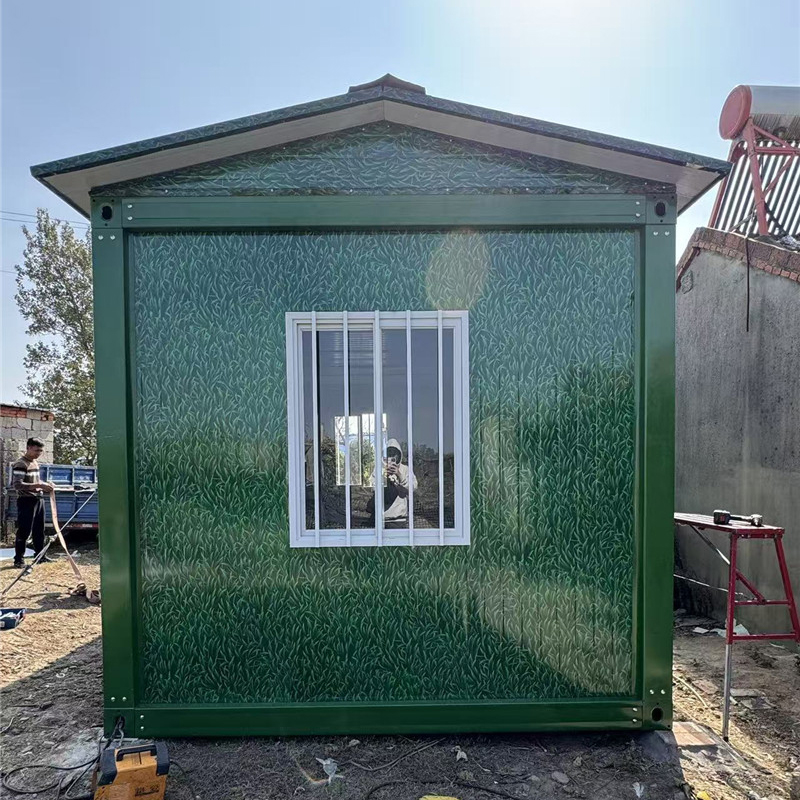
As global industrialization accelerates, the development of mega industrial parks, special economic zones (SEZs), and heavy manufacturing corridors has created an unprecedented demand for localized housing. Traditional brick-and-mortar construction methods struggle to match the speed, budget constraints, and sustainability requirements of modern industrial enterprises. Consequently, Steel Container Houses for Industrial Park Staff Accommodation have emerged as the gold standard for global business developers.
These modular steel structures offer a dynamic alternative, transforming how companies manage on-site workforce logistics. By integrating advanced structural engineering with high-performance insulation and customizable internal layouts, prefabricated container homes provide comfortable, safe, and long-lasting living environments for engineers, factory operators, and site managers. The versatility of container housing allows industrial developers to scale accommodation facilities up or down in sync with project lifecycles, ensuring optimal asset utilization.
"Modern industrial parks are no longer just production hubs; they are self-sustaining ecosystems. Providing premium, comfortable, and eco-friendly housing is critical for talent retention and operational continuity."
Several key factors are accelerating the adoption of modular container homes in industrial zones:
 01
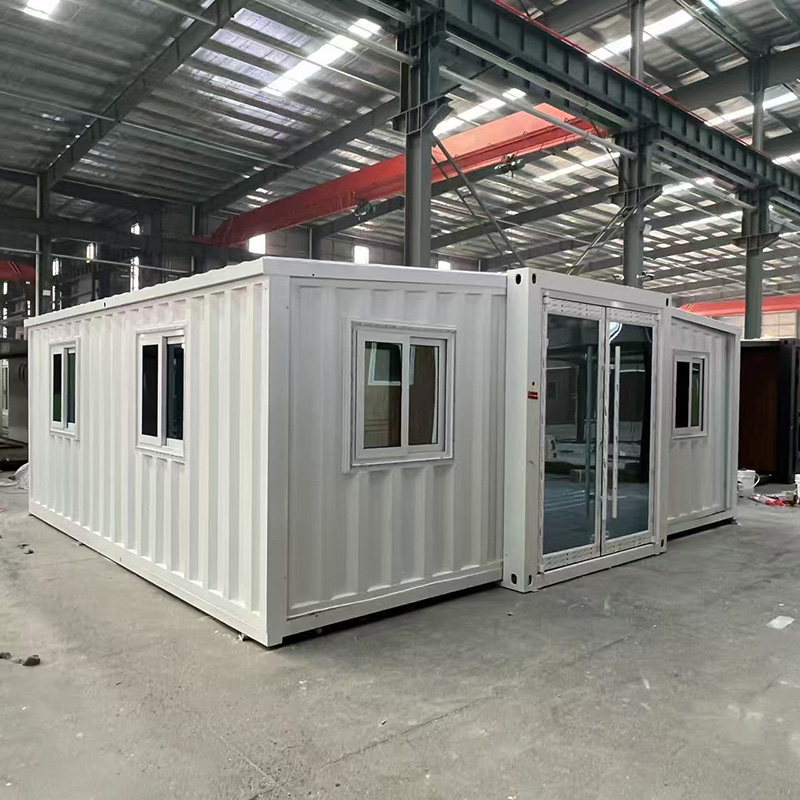
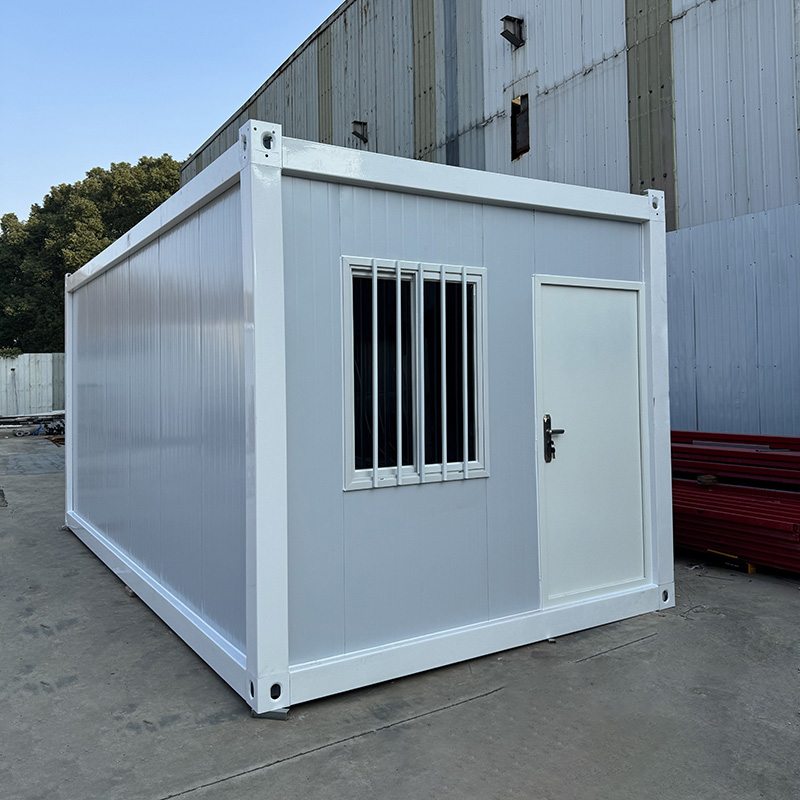
Support standard/non-standard sizes, adjust length, width, and height as required to adapt to scenarios such as construction sites, homestays, sentry posts, and warehouses.
 02
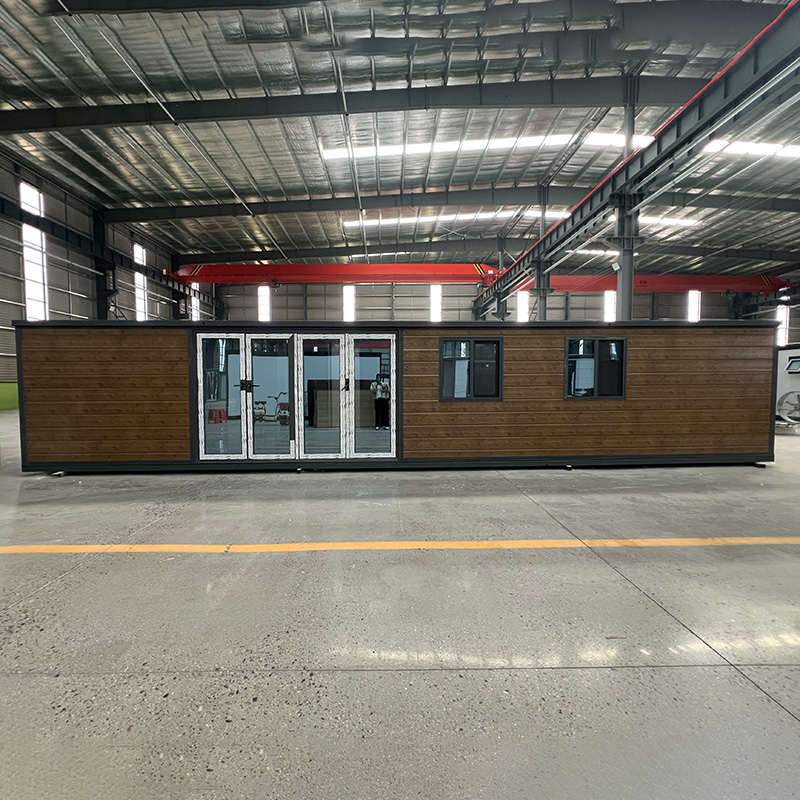
Can be spliced into single-layer or multi-layer structures, and flexibly arrange partitions, doors, windows, stairs, and corridors to optimize space.
 03
Comprehensive integration of water and electricity, premium bathroom facilities, heat preservation, soundproofing, fire prevention, photovoltaic, and smart devices.
 04
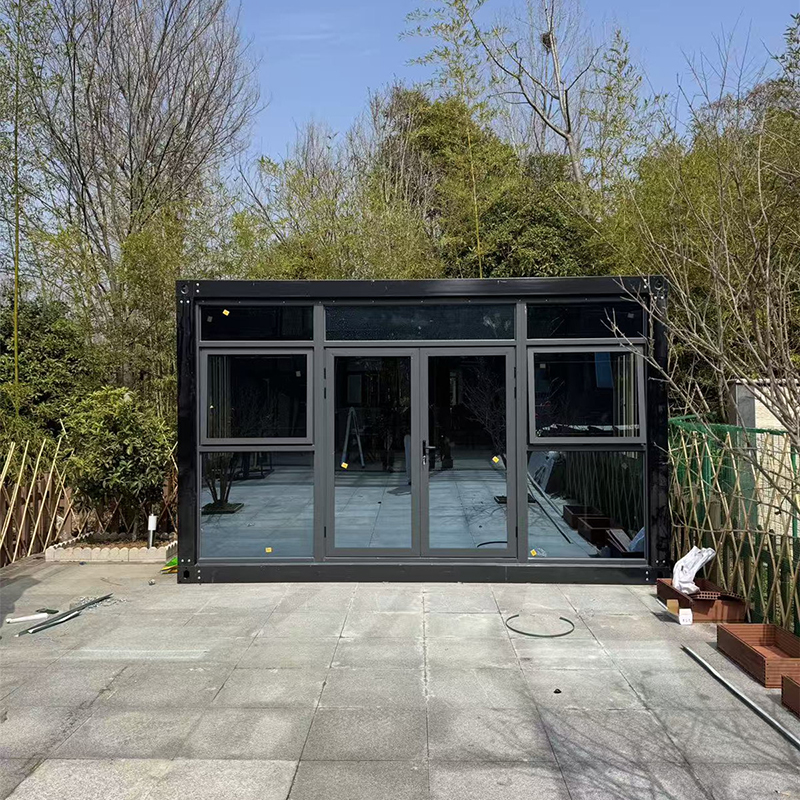
Design colors, corporate LOGOs, glass curtain walls, and architectural shapes as required to meet the needs of brand display and cultural aesthetics.
Steel container houses are no longer limited to basic, single-unit temporary cabins. Modern engineering allows these units to be compiled into complex, multi-functional modular buildings. Below, we analyze how these structures are deployed across various key zones of an industrial park:
By stacking double-layer or triple-layer container modules, industrial operators can build expansive dormitory complexes. These units are configured with central corridors, external staircases, and integrated fire escapes. Inside, each room can accommodate 2 to 4 staff members comfortably, featuring built-in wardrobes, study desks, private bathrooms, and air conditioning units. The use of sandwich panel walls with rock wool or polyurethane cores ensures excellent acoustic insulation, allowing workers on night shifts to rest undisturbed during the day.
For visiting engineers, technical consultants, and senior management, container units can be customized with premium finishes. Using full glass curtain walls, composite wood flooring, and modern interior paneling, these units offer a luxury living experience. These executive modules can be combined with private balconies and spacious living areas, proving that modular steel buildings can easily match the aesthetic standards of traditional hotels.
A thriving workforce community requires robust support infrastructure. Steel container houses can be joined side-by-side to create large open-plan spaces. These are ideal for setting up industrial canteens, commercial kitchens, medical clinics, fitness gyms, and indoor recreational lounges. By removing internal load-bearing walls, the modular design allows for flexible structural configurations that meet municipal safety and hygiene codes.

Prefabricated in our state-of-the-art factory and quickly installed on-site. A simple 2-person team can complete one set in 4-6 hours. Leading enterprises can achieve one complete room in just 2 hours.

Shipped in flat-pack parts and transported by standard trucks. It can easily access remote mountainous areas or narrow roads without damaging the surrounding environment or site terrain.

We provide comprehensive service modes tailored to your budget, including on-site engineering installation, expert remote video guidance, and complete turn-key project delivery.
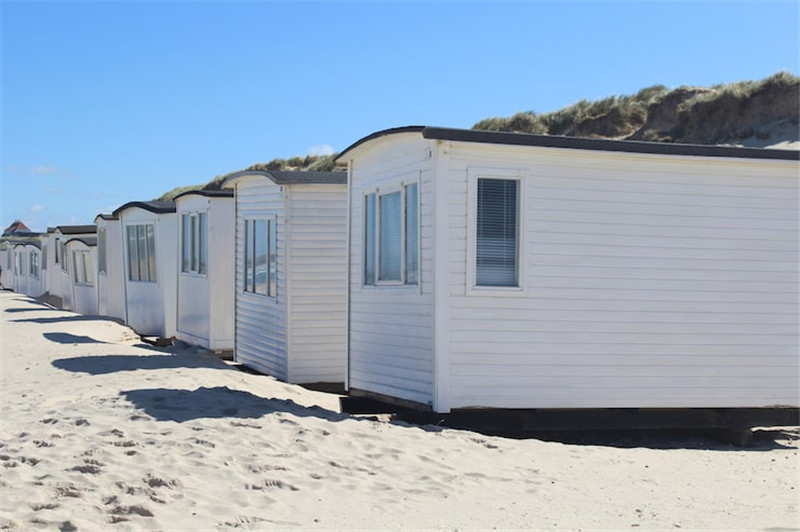
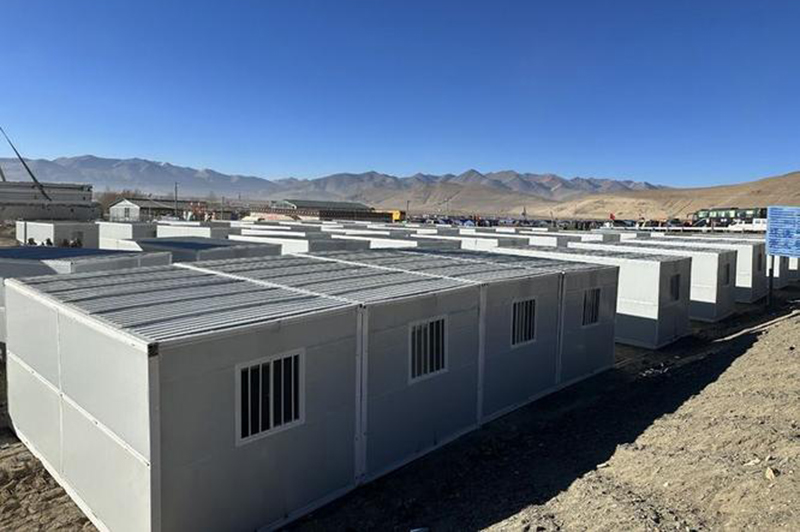
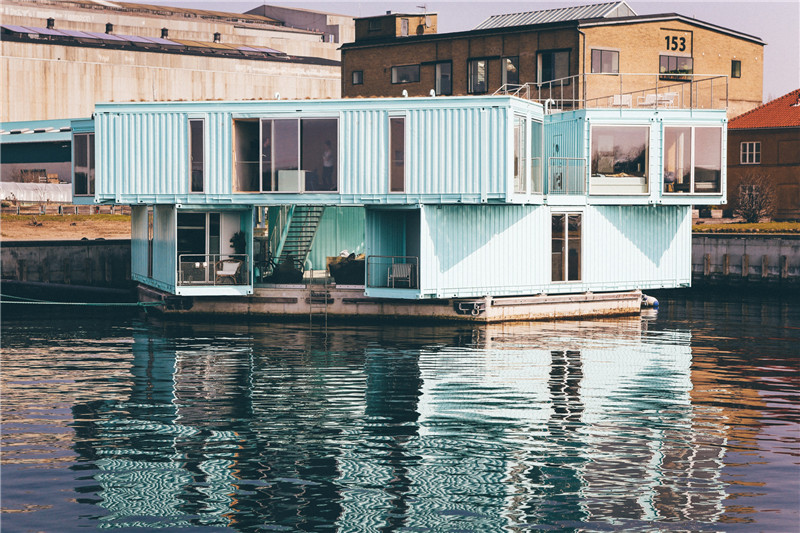
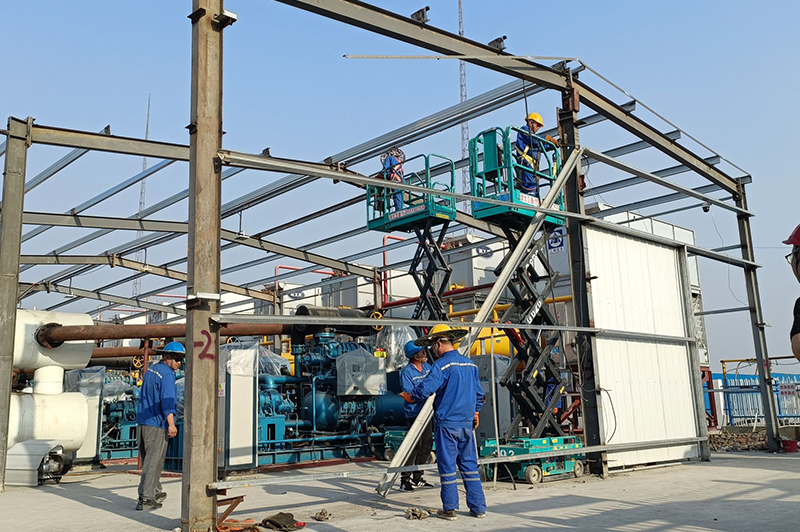
When assessing accommodation options for industrial parks, engineers must compare structural integrity, thermal efficiency, and lifecycle costs. Steel container houses excel across all metrics:
The future of staff accommodation lies in digitalization and smart integration. Modern containers are increasingly incorporating IoT (Internet of Things) devices, such as smart locks, automated climate control, and smart energy meters, allowing industrial park managers to monitor energy and water consumption in real-time. Additionally, off-grid water filtration systems and solar battery storage units are turning these container camps into self-sufficient, net-zero energy communities.
As industrial enterprises prioritize speed and ESG goals, prefabricated steel container houses will continue to dominate the market, offering a cost-effective, scalable, and environmentally conscious solution for workforce housing worldwide.