Leave Your Message
Engineered for high-speed deployment, these initial modular structures provide critical protection and infrastructure during the crucial first phases of disaster recovery.
The global landscape for emergency housing has undergone a massive paradigm shift. Historically, disaster relief relied heavily on soft-walled canvas tents and temporary plastic sheeting. While cost-effective in the ultra-short term, these structures fail to provide adequate thermal protection, security, and long-term durability for families displaced by earthquakes, floods, hurricanes, or geopolitical conflicts. Today, governments, non-governmental organizations (NGOs), and municipal bodies are actively transitioning to modular steel container houses as the gold standard for resilient, semi-permanent disaster relief housing.
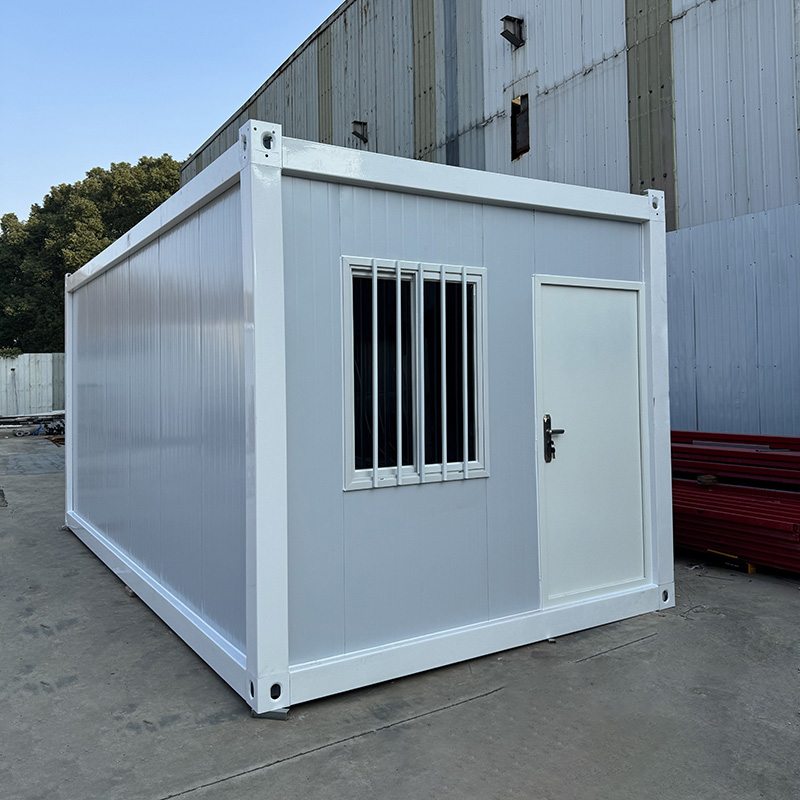
Steel container houses offer structural integrity that can withstand extreme environmental conditions, including high wind loads and seismic shocks. Their standardized dimensions make them highly compatible with existing global shipping networks—whether by sea, rail, or flatbed truck. This logistical synergy ensures that thousands of housing units can be dispatched from manufacturing facilities like Shanghai Tangcheng Container Homes (STC) to affected zones within days, establishing fully functional communities with integrated power, sanitation, and clean water infrastructure.
The integration of advanced technologies is defining the next generation of disaster relief housing. One of the most significant trends is the deployment of smart off-grid systems. Modern container shelters are increasingly equipped with integrated solar arrays, lithium-ion battery storage, and rainwater harvesting systems, allowing them to operate independently of damaged local municipal grids.
Furthermore, manufacturers are utilizing sustainable, non-toxic insulation materials such as rock wool and polyurethane panels that meet stringent international safety standards (RoHS and REACH). The focus is not just on providing immediate shelter, but on ensuring that these structures are environmentally neutral, reusable, and capable of being repurposed into permanent community facilities, schools, or clinics once the initial crisis has subsided.
STC provides tailored solutions designed to meet the rigorous demands of emergency response operations, military logistics, and humanitarian organizations.
Explore how modular steel containers are customized to serve critical functions in devastated regions.

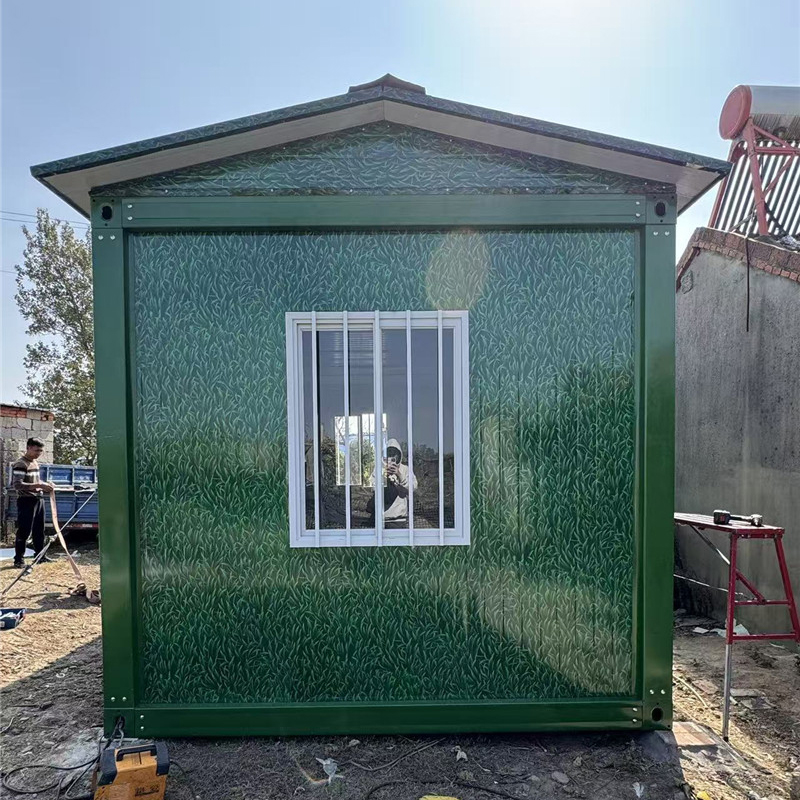
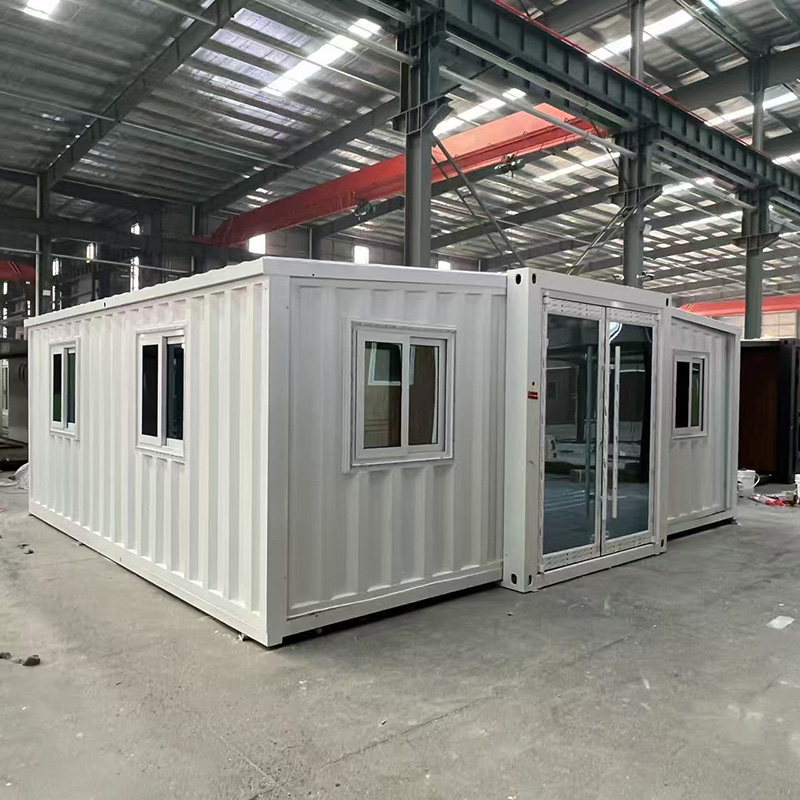
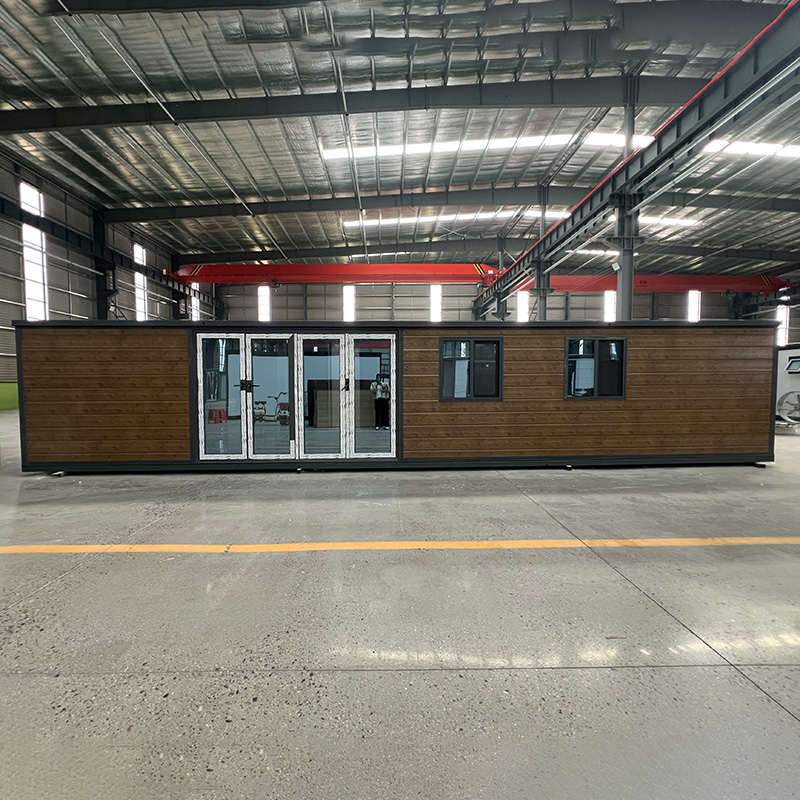
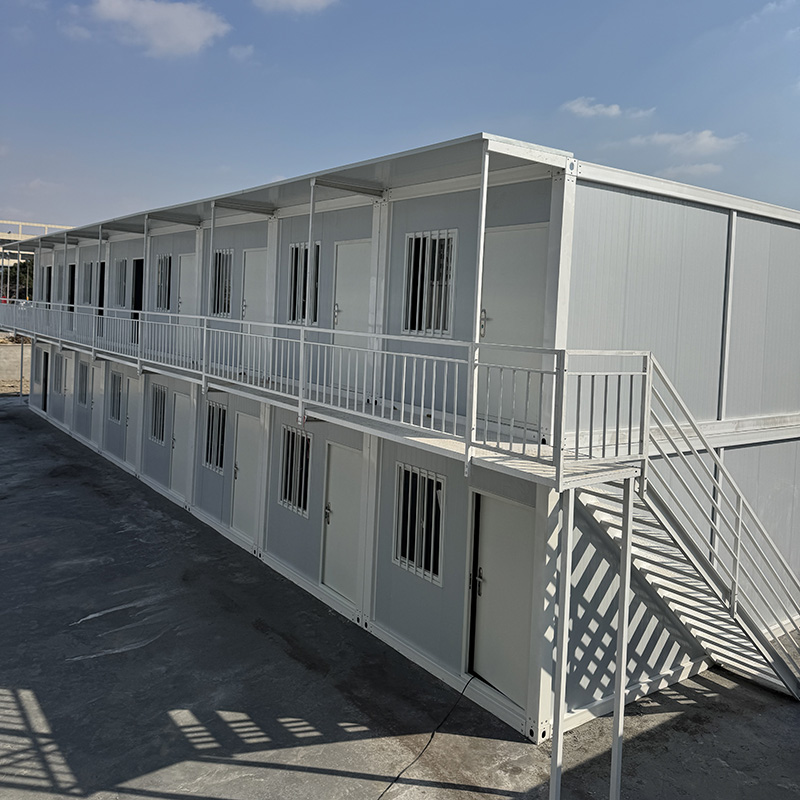
When natural disasters displace thousands, STC container houses provide secure, dignified living spaces. Equipped with pre-installed electrical wiring, plumbing connections, thermal insulation, and partitioned rooms, these units serve as immediate transitional homes for families during long-term rebuilding efforts.

In health crises or post-disaster scenarios where local clinics are destroyed, container houses are configured into sterile medical facilities. They feature easy-to-sanitize interior paneling, specialized HVAC systems for negative/positive pressure, and dedicated power layouts for critical medical devices.

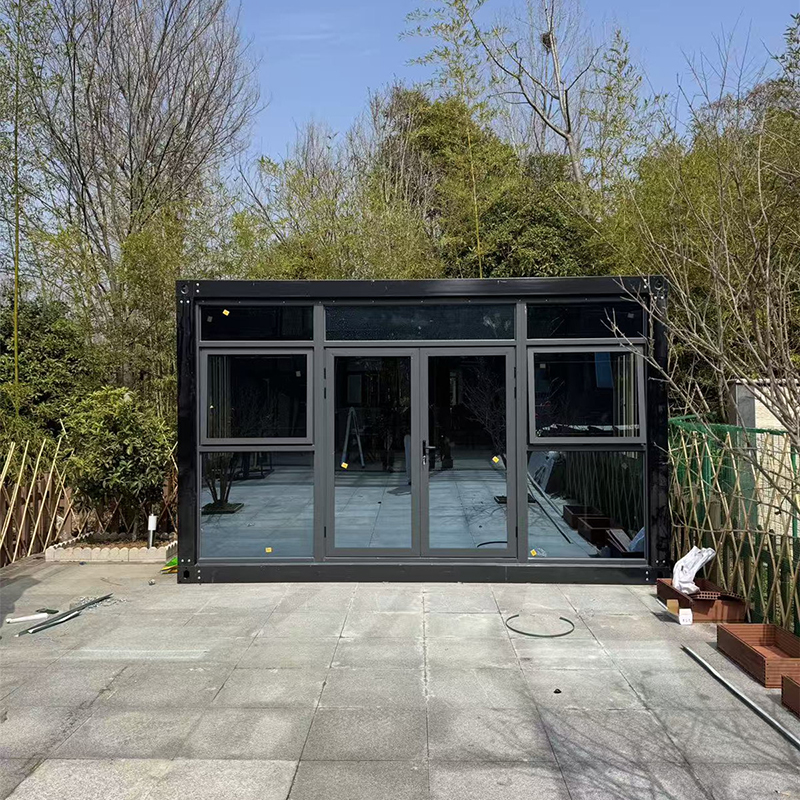
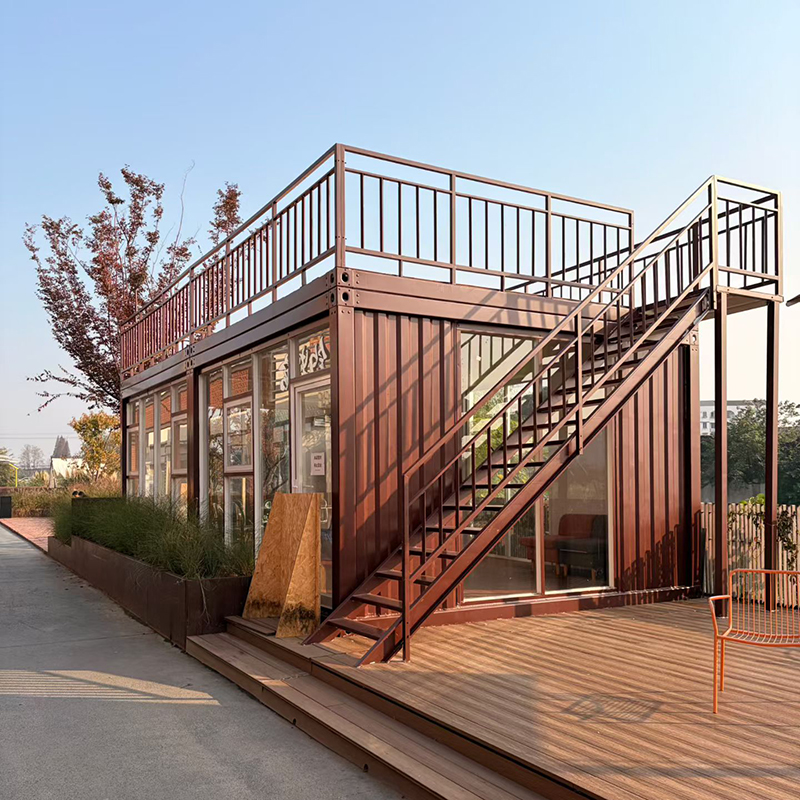
Effective disaster relief requires localized coordination. Utilizing models like the Glass Curtain Wall Container House, emergency management agencies can quickly set up bright, visible, and structurally secure command posts equipped with satellite communications and operations planning spaces.
Worry-free Guarantee from Demand to Implementation, ensuring seamless execution in high-pressure disaster recovery situations.
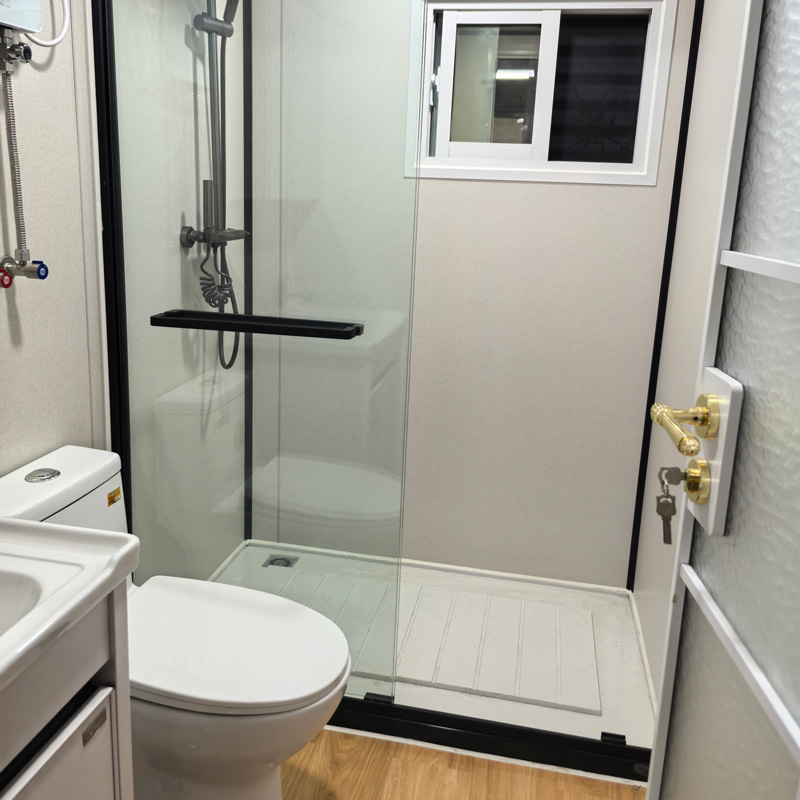
Based on the customer's usage scenarios, regional climate (such as high-altitude, rainy, and windy areas), and functional requirements, 3D house-type design solutions are provided. Personalized customization of exterior color matching, internal layout, and functional modules (bathrooms, kitchens, office areas) is supported.
Provide basic leveling solutions. Only a simple concrete cushion is required for construction, reducing the cost and cycle of foundation construction.
Adopt a fully automated production line. All components have passed international certifications such as ISO 9001, CE, and ASTM. Chemical safety meets RoHS and REACH standards, with no harmful substance release.
A fast delivery cycle of 20 - 25 days. International trade terms such as FOB, CIF, and CFR are supported. Direct shipments from Nansha/Huangpu Port to the world, with a complete logistics tracking service.
Form an experienced installation team. For large-scale projects, a dedicated project manager is assigned to control the whole process, and the whole process including frame assembly, sealing and waterproofing, and water and electricity debugging is completed according to specifications.
After installation, item-by-item acceptance services are provided, covering structural perpendicularity (deviation ≤ 5mm), water-tightness testing, and circuit safety inspection, and an official acceptance report is issued.
24-hour repair reporting channel. Response within 4 hours in urban areas, 8 hours in suburban areas, and 24 hours in remote areas. It covers all-scene fault handling such as structural repair, parts replacement, and waterproof leak repair.
Graded quality guarantee system: The main structure has a quality guarantee of 1 - 3 years, and vulnerable parts have a quality guarantee of 1 year. High-end products enjoy a 10-year shell quality guarantee + lifetime leak-proof guarantee. The warranty period for repaired parts is extended by 6 - 12 months.
Long-term supply of standardized parts (sealing strips, screws, wall panels, etc.). Delivery within 72 hours. Custom-fitting of parts for old-style products is supported, and regular inspection and maintenance guidance services are provided.
Triple Guarantee of Safety, Efficiency, and Economy for emergency management and infrastructure procurement.
All series of products have passed wind-resistance tests of level 10-11 and earthquake-resistance tests of magnitude 7-8. Their fire-resistance, waterproofing, and heat-insulation performance meet international standards, and both structural integrity and chemical safety meet the standards.
Modular pre-fabrication production, on-site quick assembly. The construction cycle is shortened by 40% - 60% compared with traditional buildings. Without the need for complex approvals, it realizes "quick implementation and immediate use".
Components can be repeatedly disassembled and reused, reducing construction waste. It saves more than 30% of the comprehensive cost compared with traditional buildings. High transportation loading rate significantly reduces logistics costs, and the long-term use and maintenance costs are low.
Since its establishment, Shanghai Tangcheng Container Homes Co., Ltd. (STC) has earned global recognition for its high-quality products and innovative designs. We specialize in engineering and manufacturing state-of-the-art modular container structures that serve critical roles in humanitarian aid, emergency response, and temporary commercial infrastructure.
Our production facilities utilize modern automation to ensure that every wall panel, steel beam, and connection joint is engineered to precise tolerances. This level of quality control is essential for structures destined for extreme environments. Whether supplying housing for remote construction sites or deploying urgent disaster relief shelters, STC is committed to delivering safety, efficiency, and reliability on a global scale.
We understand that no two emergency scenarios are identical. Factors such as regional weather patterns, geological stability, local labor availability, and transportation limits vary significantly from one project to another. That is why STC focuses on providing highly customized modular solutions.
From insulated, fire-resistant walls for sub-zero climates to robust drainage systems designed for monsoon-prone regions, our engineering team ensures that every container house is optimized for its specific deployment site. Through close cooperation with international NGOs and government agencies, we continue to refine our modular platforms to save lives and rebuild communities faster.
Explore our full range of modular containers, designed for rapid deployment, heavy-duty utility, and comfortable temporary accommodation.