Leave Your Message
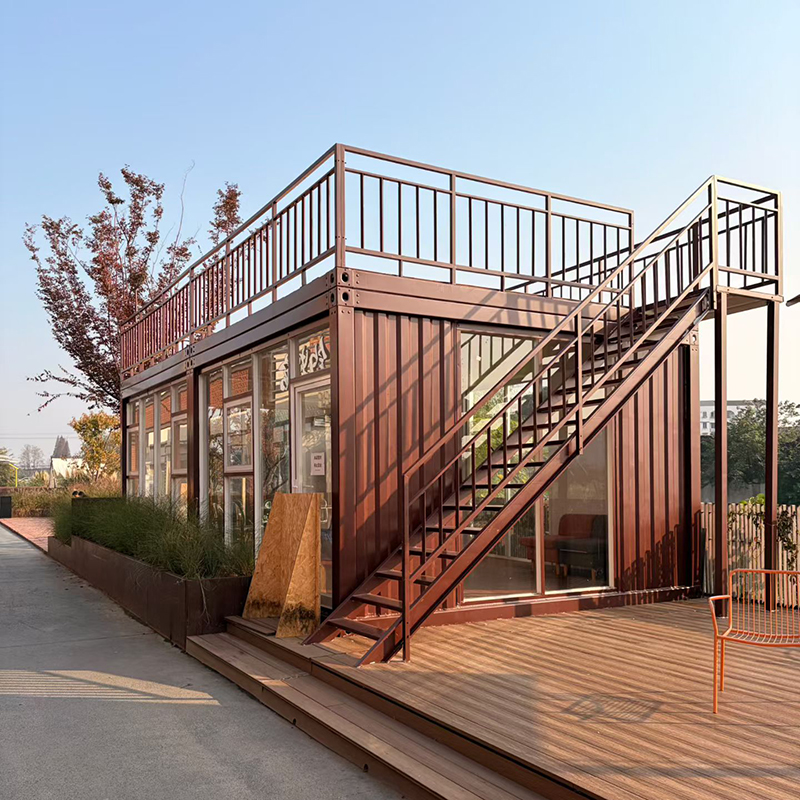
In an era defined by increasing climatic volatility and rapid urbanization, the demand for Prefabricated House for Emergency Shelters and Disaster Relief Housing has shifted from a niche requirement to a global humanitarian priority. Traditional methods of disaster response, often relying on temporary tents, are no longer sufficient for long-term recovery phases. Today's prefabricated solutions offer the structural integrity of permanent buildings with the deployment speed of temporary structures.
The global disaster relief housing market is undergoing a paradigm shift. Governments and NGOs are moving away from "throw-away" shelters toward modular, reusable, and upgradable prefabricated units. This industrial evolution is driven by the need for better thermal insulation, hygienic sanitation, and psychological security for displaced populations. Modern prefabricated houses are now designed to withstand extreme wind loads, seismic activities, and heavy snow, ensuring that "temporary" does not mean "fragile."

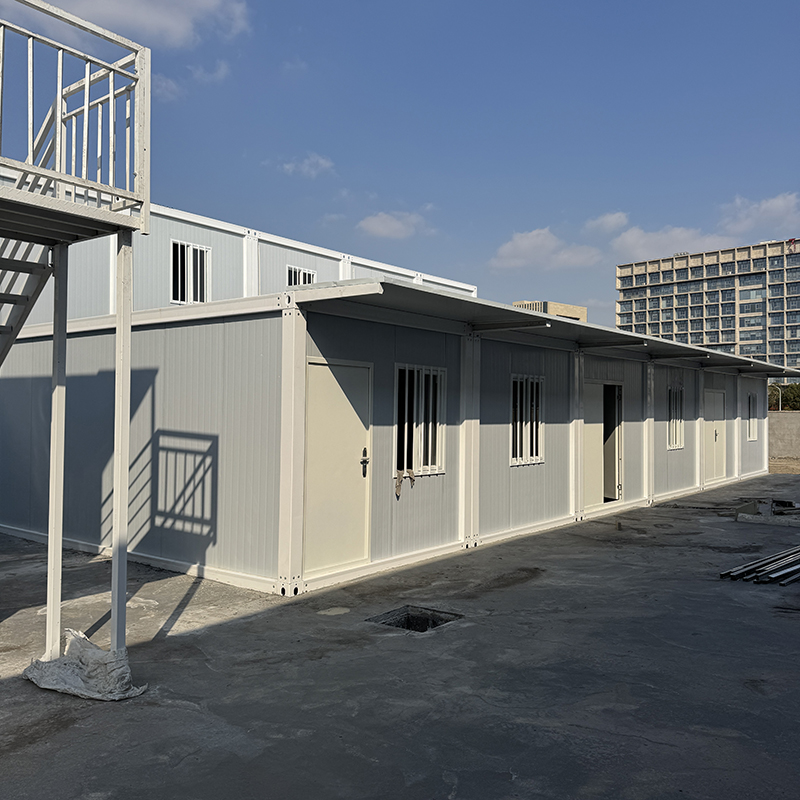
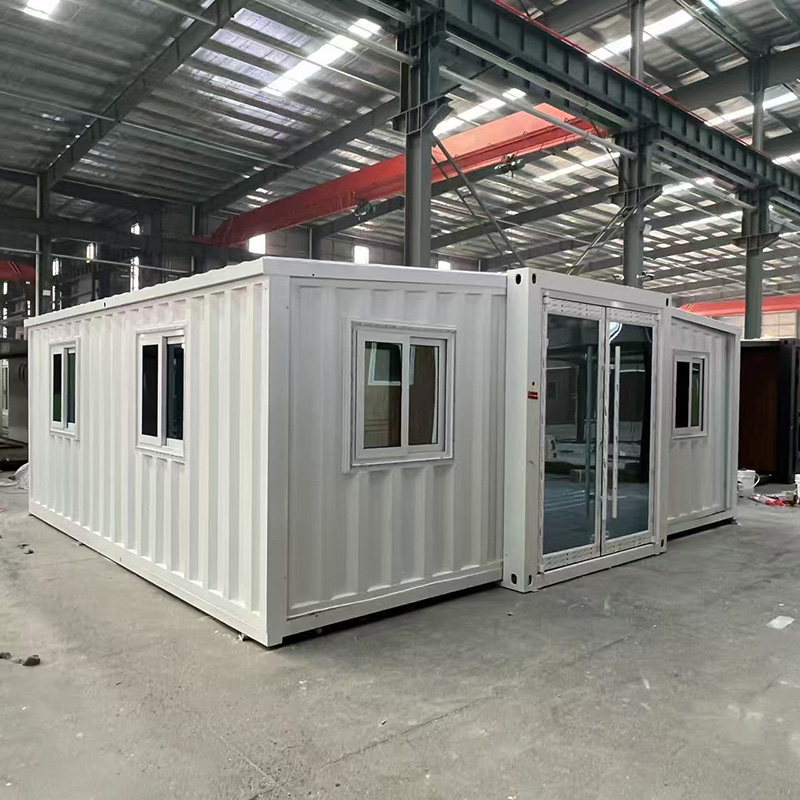
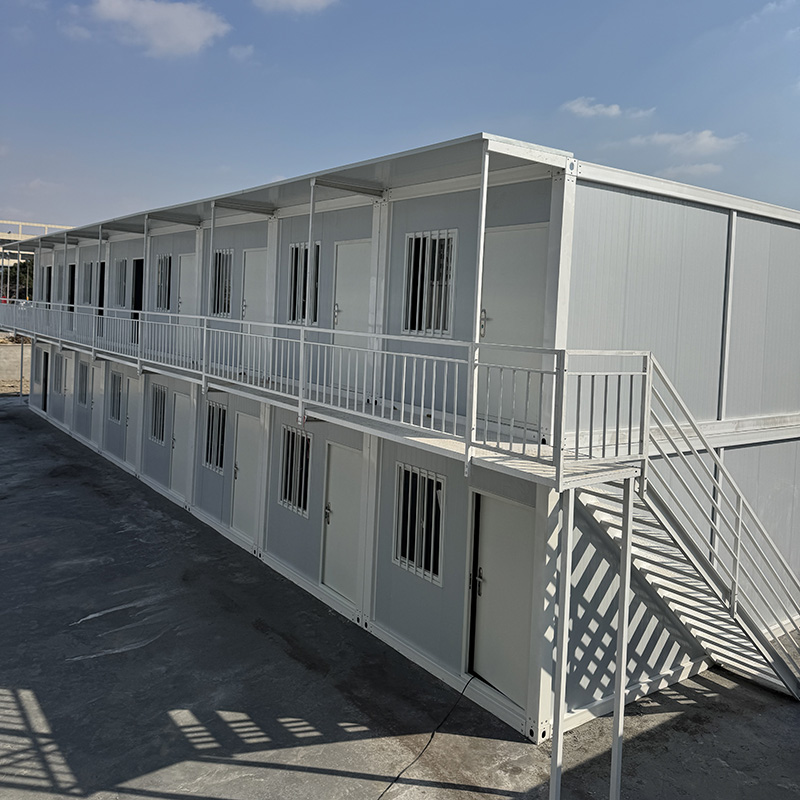
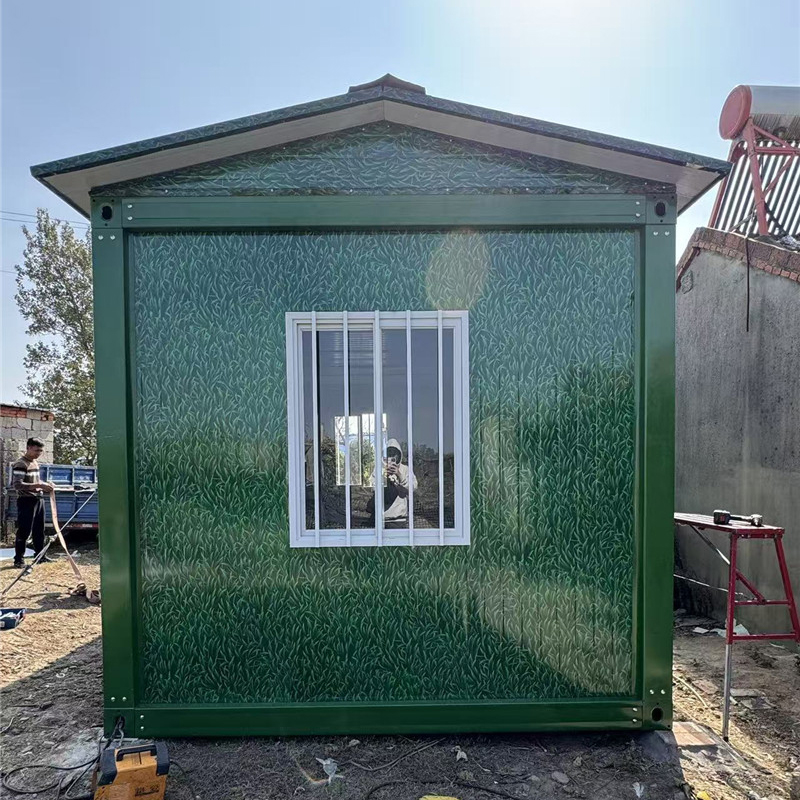
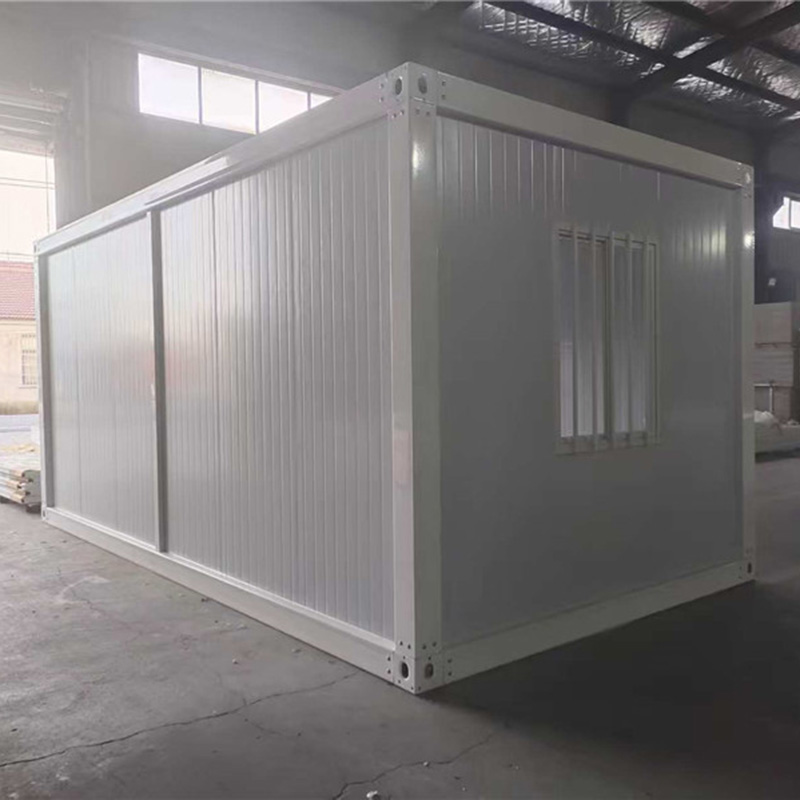
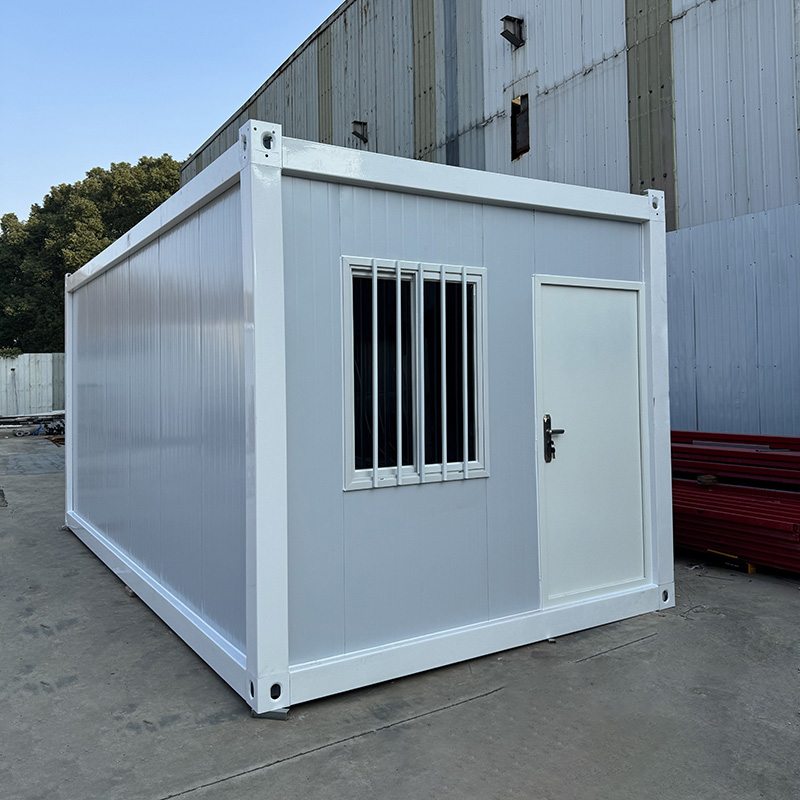
Deploying hundreds of units within days is now possible through flat-pack logistics and pre-installed electrical systems.

Utilizing high-strength galvanized steel frames to ensure safety in earthquake-prone and hurricane-hit regions.
 01
 02
 03
 04
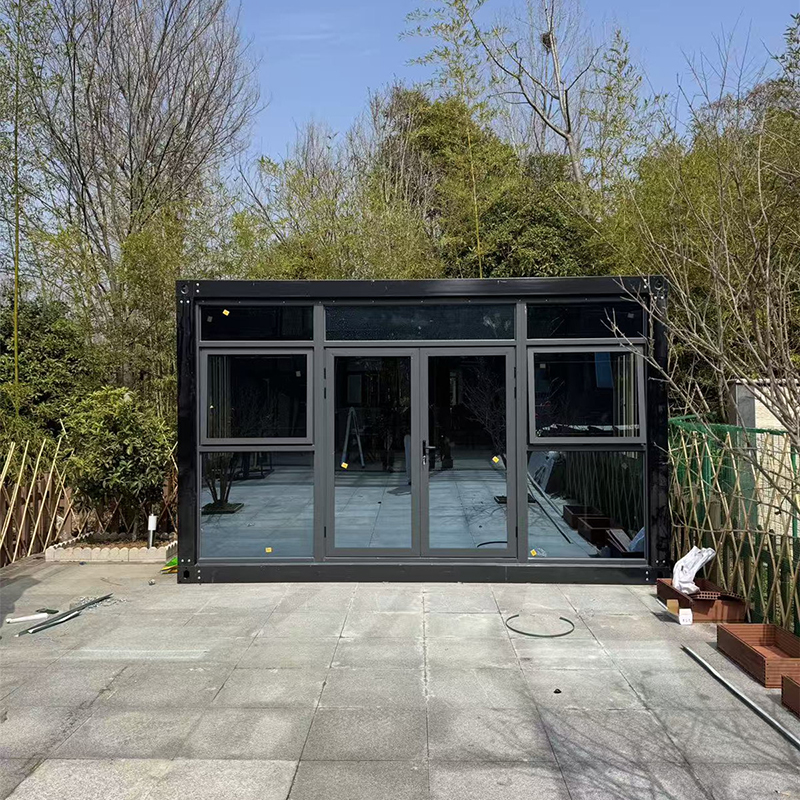
Modern disaster relief requires a holistic ecosystem. Prefabricated houses are no longer just "bedrooms"; they are the building blocks of a functioning society in crisis. By integrating AI-driven design and modular engineering, these structures serve diverse roles.
In the event of a pandemic or mass casualty disaster, prefabricated units can be converted into negative-pressure isolation wards or surgical suites. With easy-to-clean surfaces and pre-integrated HVAC systems, they provide a sterile environment that is impossible to achieve in tents.
Restoring education is a critical step in post-disaster psychological recovery. Modular classrooms can be assembled in days, providing children with a safe, climate-controlled environment to resume their studies while permanent schools are rebuilt.
Relief operations require sophisticated communication. Our prefabricated houses can be equipped with solar arrays, satellite links, and battery storage to act as self-sustaining command centers in areas where the power grid has collapsed.
01
 02
03
The future of Disaster Relief Housing lies in the intersection of technology and sustainability. As we look toward 2030, several key trends are emerging that will redefine how we respond to global emergencies.
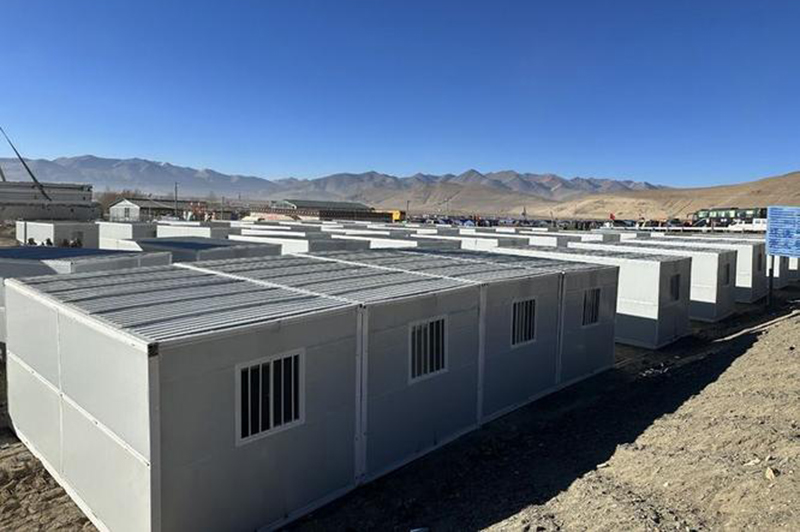
Artificial Intelligence is now being used to optimize the "packing" of flat-pack houses into shipping containers, ensuring that every cubic inch of transport space is utilized. Furthermore, AI algorithms can analyze terrain data from drones to suggest the most stable and efficient layout for a 500-unit relief camp, accounting for drainage, wind direction, and accessibility.
Internet of Things (IoT) sensors are being integrated into prefabricated units to monitor structural health, indoor air quality, and occupancy levels. In a disaster zone, this data allows relief agencies to identify which units need maintenance and ensure that resources like water and electricity are being distributed equitably.
Sustainability is no longer an option; it is a necessity. Future prefabricated houses are designed with "End-of-Life" in mind. Once the recovery phase is over, these units can be easily disassembled and the materials—mostly steel and aluminum—can be recycled or repurposed for permanent housing projects, creating a "net-zero" waste model for humanitarian aid.
• Adopt recycled materials and a four-dimensional carbon reduction model.
• Adapt to photovoltaic roofs to reduce long-term energy consumption.
• Environment-friendly, generating no construction waste.
• Pass authoritative certifications such as ISO. Resistant to wind and fire.
• Long-term cooperation with large enterprises like China Railway.
• Provide maintenance and secondary relocation services.
Investing in high-quality Prefabricated House for Emergency Shelters is not just a humanitarian decision; it's an economic one. Traditional disaster housing often incurs massive secondary costs through rapid degradation, poor health outcomes for residents, and slow deployment times. By contrast, modular prefabricated units provide a higher Return on Investment (ROI) for relief organizations.
Because these units are modular, they can be "right-sized" to the specific disaster. For a small localized flood, a few dozen units can be deployed. For a major earthquake, thousands can be linked together. This scalability prevents over-investment and ensures that funds are used where they are most needed. Furthermore, the durability of these structures (often 20+ years) means they can be stored in regional hubs and reused across multiple disaster cycles, significantly lowering the "cost per use" compared to single-use tents.
The role of the prefabricated house in disaster relief has evolved from a simple shelter to a sophisticated, tech-enabled, and sustainable infrastructure solution. As we face a future of environmental uncertainty, the speed, flexibility, and resilience of modular construction will remain our most effective tool in protecting vulnerable populations and rebuilding lives after a crisis.