Leave Your Message
Rapid-assembly, high-durability prefabricated units designed to construct modern classrooms and training spaces instantly.
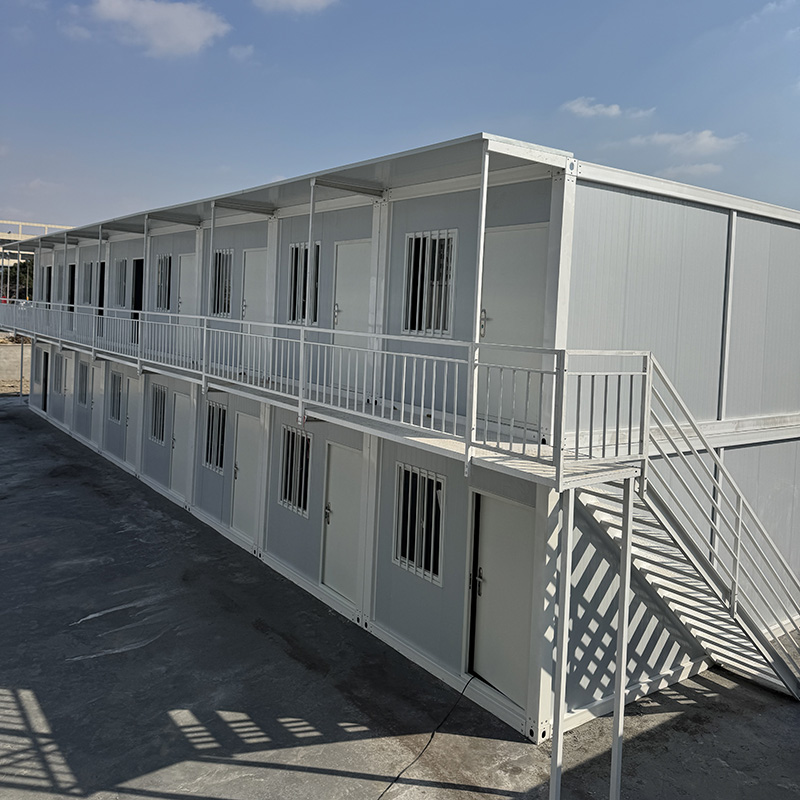
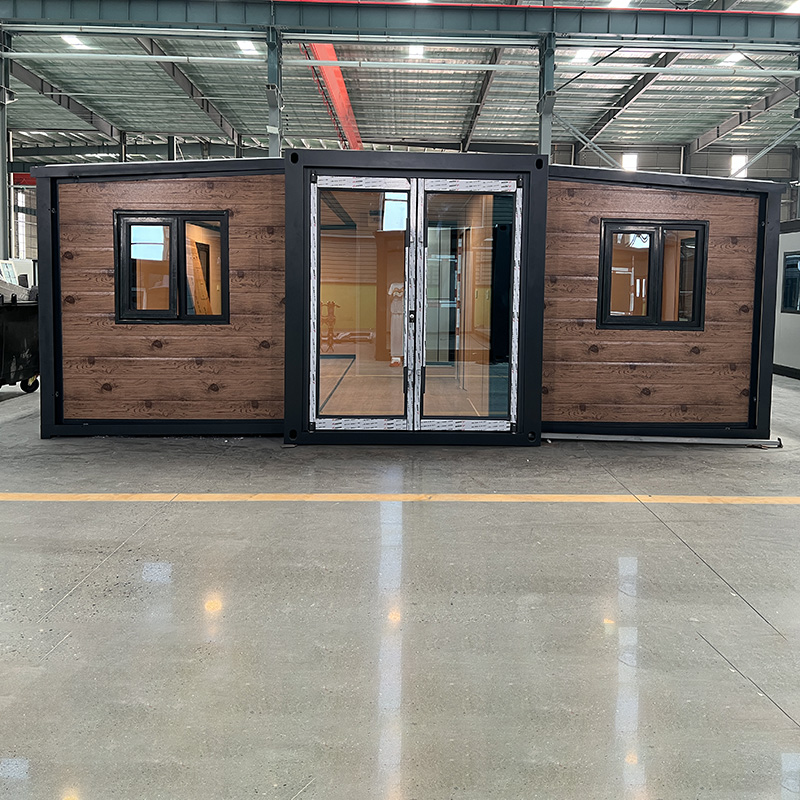
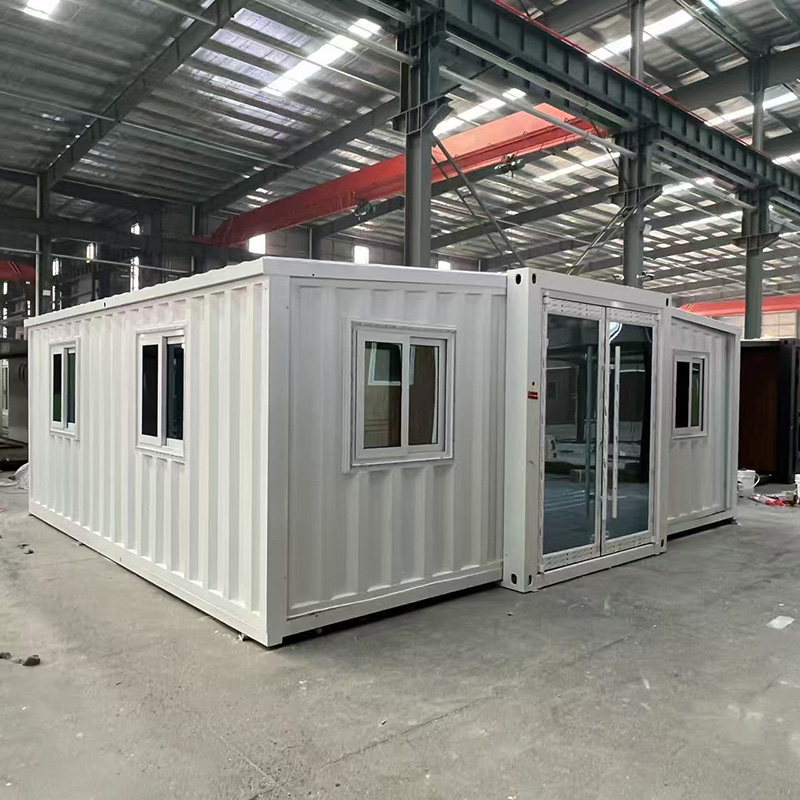
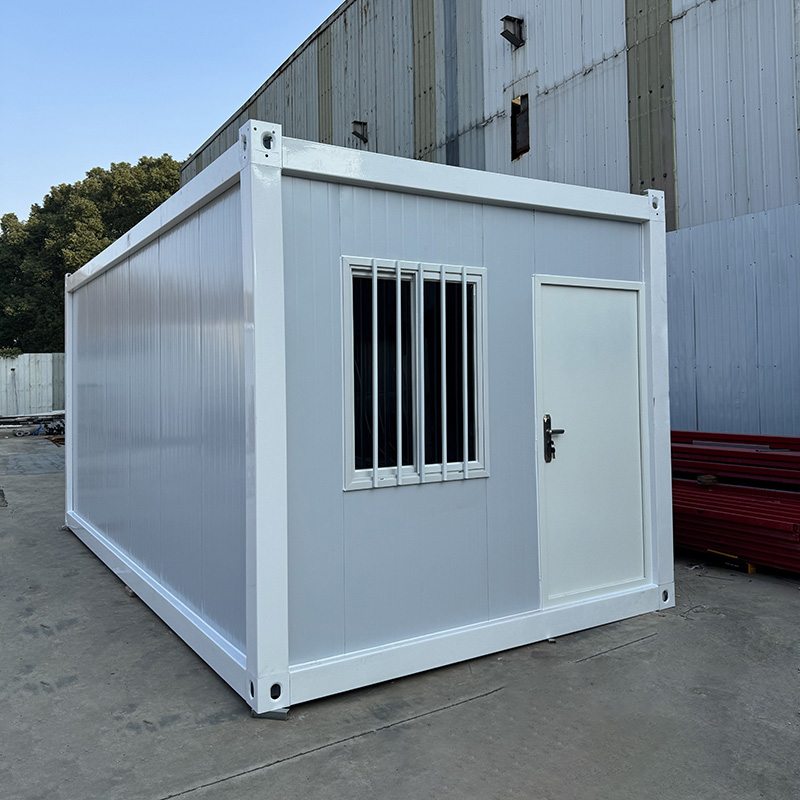
In recent years, the global educational landscape has faced unprecedented challenges. Rapid population shifts, sudden urban expansion, emergency disaster recovery, and the continuous need for specialized vocational training have forced educational authorities and private training providers to rethink traditional brick-and-mortar construction. Building a permanent school facility takes years, incurs massive capital expenditures, and creates extensive disruptions to local communities. Enter the Prefabricated Container House for School Classrooms and Training Centers—a modern, agile, and highly efficient architectural solution that is transforming how we construct learning spaces worldwide.
As a leading-edge development in modular construction, prefabricated container classrooms offer a flexible alternative that matches the structural integrity of conventional buildings while delivering unmatched deployment speed. By leveraging standardized shipping container dimensions and advanced manufacturing techniques, these modular units can be pre-engineered, pre-insulated, and pre-wired in a controlled factory setting, then transported and assembled on-site in a matter of days. This architectural paradigm shift is not merely a temporary fix; it has evolved into a mainstream commercial preference for schools, universities, corporate academies, and vocational training facilities globally.
Industry Trend Insight: The global modular construction market in education is projected to grow exponentially over the next decade. Driven by government initiatives for green building standards and the immediate need to bridge the educational infrastructure gap in remote areas, prefabricated educational structures are transitioning from basic temporary shelters to high-tech, permanent learning hubs.
The industrialization of container houses has reached a level of maturity where structural safety, thermal comfort, and acoustic performance are no longer compromises. Modern prefabricated classrooms are engineered using heavy-duty galvanized steel frames and high-density polyurethane (PU) or rockwool sandwich panels. This ensures that the classrooms are not only structurally sound against extreme winds and seismic activities but also provide a quiet, climate-controlled interior conducive to focused learning.
Commercially, educational institutions benefit from shortened project timelines—often up to 50% faster than traditional building methods. Financial resources that would otherwise be locked up in long-term construction loans and site management overhead can be redirected toward digital learning tools, student amenities, and curriculum development. Furthermore, the modular nature of container classrooms allows schools to scale their facilities incrementally. If student enrollment spikes, additional container modules can be stacked vertically or connected horizontally to accommodate new classrooms within weeks.
We tailor every aspect of our prefabricated container units to meet the unique pedagogical and spatial requirements of your school or training center.

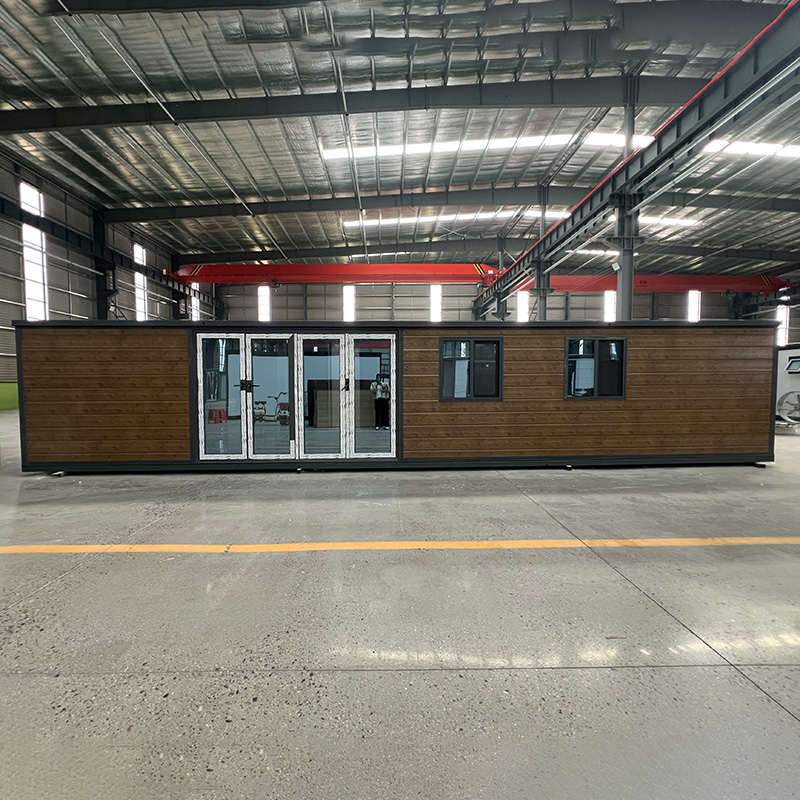
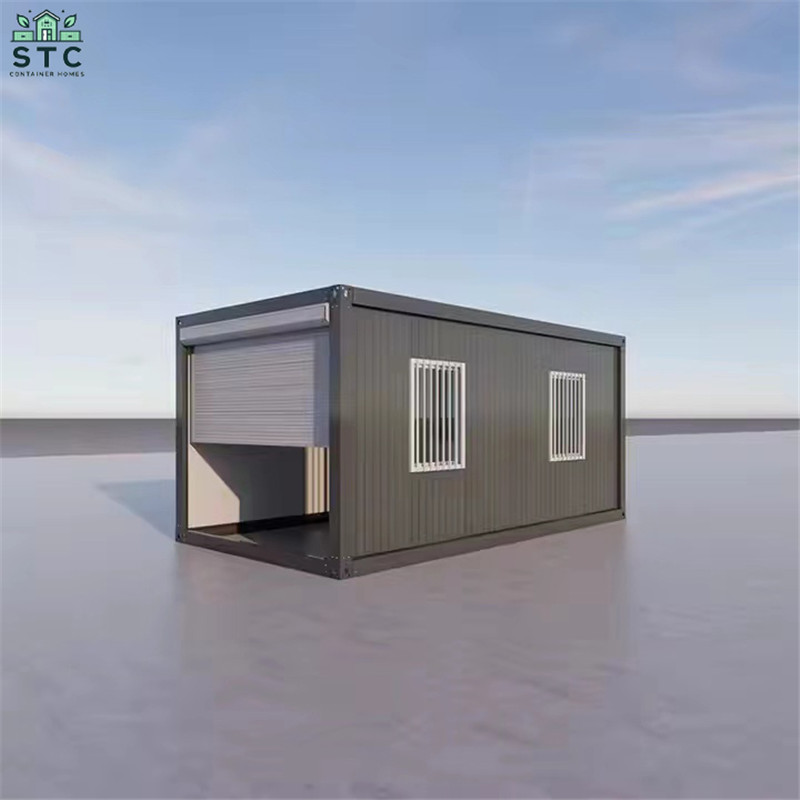
Support standard/non-standard sizes, adjust length, width and height as required to adapt to scenarios such as construction sites, homestays, sentry posts, and warehouses.

Can be spliced into single-layer or multi-layer, and flexibly arrange partitions, doors, windows, stairs, and corridors.

Comprehensive coverage of water and electricity, bathroom facilities, heat preservation, sound insulation, fire prevention, photovoltaic, and intelligent devices.

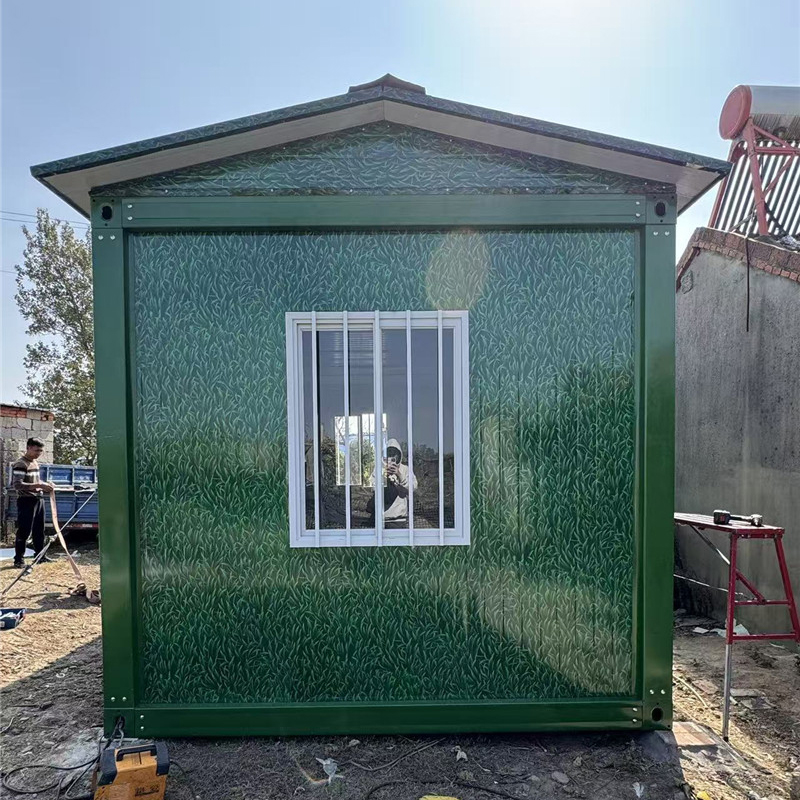
Design colors, LOGOs, curtain walls, and shapes as required to meet the needs of brand display and cultural tourism aesthetics.
Engineered for quick deployment, our structures significantly reduce on-site construction time, ensuring your school opens on schedule.

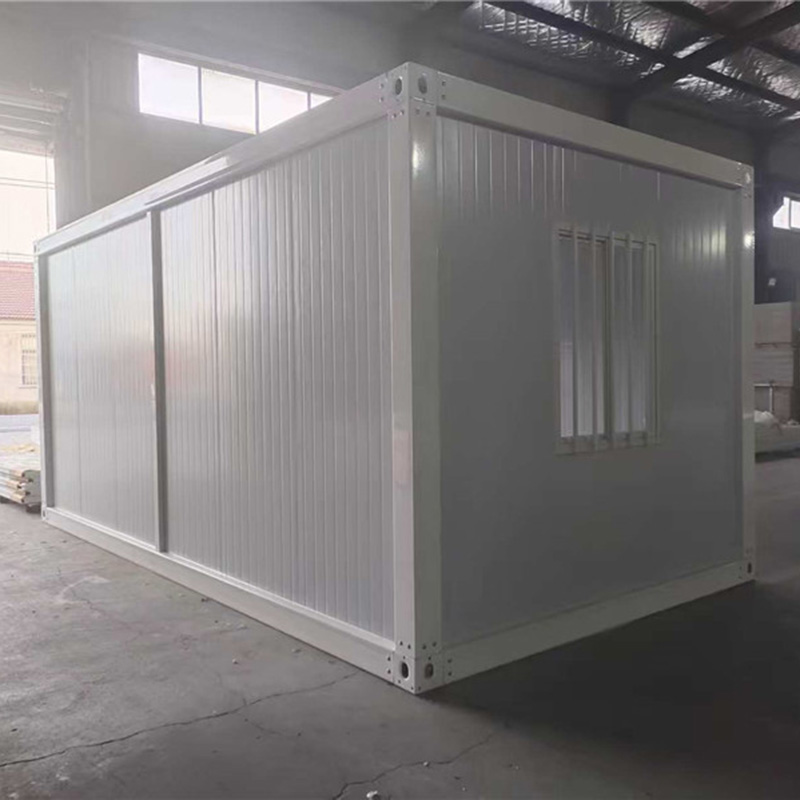
Prefabricated in the factory and quickly installed on-site. A 2-person team can complete one set in 4-6 hours. Leading enterprises can achieve one room in 2 hours.

Ship in parts and transport by full-vehicle. It can enter mountainous areas/narrow roads without damaging the site.

Provide multiple modes such as on-site installation, remote guidance, and turn-key delivery.
The versatility of prefabricated container houses allows them to fulfill various roles within an educational ecosystem. It is no longer just about setting up a square box; it is about creating an environment that fosters collaboration, creativity, and intellectual growth.
When public schools face sudden surges in local neighborhoods, traditional construction cannot keep pace. Modular classrooms offer a quick expansion path. These units can be stacked up to three stories high, complete with safe internal or external staircases, wide corridors, and integrated safety railings. By customization, these classrooms feature large double-glazed windows that maximize natural daylight, reducing eye strain and artificial lighting energy usage.
For industries such as mining, construction, and advanced manufacturing, training must often take place close to the operational site. Prefabricated containers can be customized into heavy-duty training centers equipped with built-in workbenches, high-voltage electrical outlets, ventilation hoods, and safety equipment. Once a training cycle is completed in one region, the entire facility can be disassembled, loaded onto flatbed trucks, and relocated to the next project site.
Modern science and technology education requires specialized infrastructure. Container classrooms can be factory-fitted with integrated cable trays, server racks, anti-static flooring, and climate control units to protect sensitive computing equipment. This makes them ideal for setting up dedicated coding bootcamps, robotics labs, or chemistry classrooms in schools that lack the space in their main buildings.
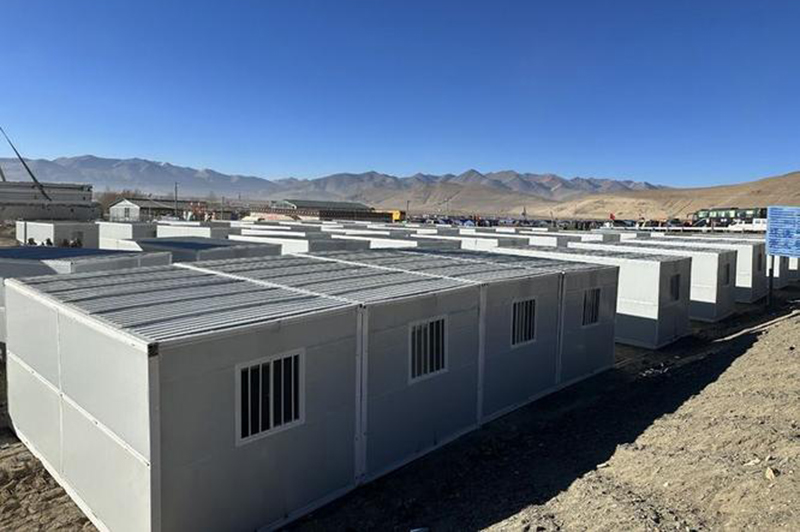
In developing regions and remote communities, logistics are a major barrier to building schools. Since our container houses can be shipped in flat-pack parts and transported via narrow roads, they can reach the most isolated mountainous or rural areas. Local communities can easily assemble them with basic tools, providing safe, dry, and insulated learning environments for children who previously studied in sub-standard structures.
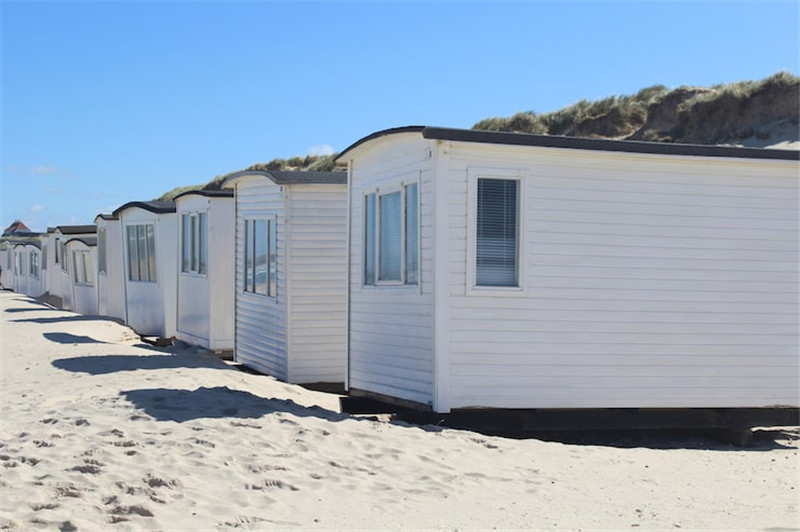
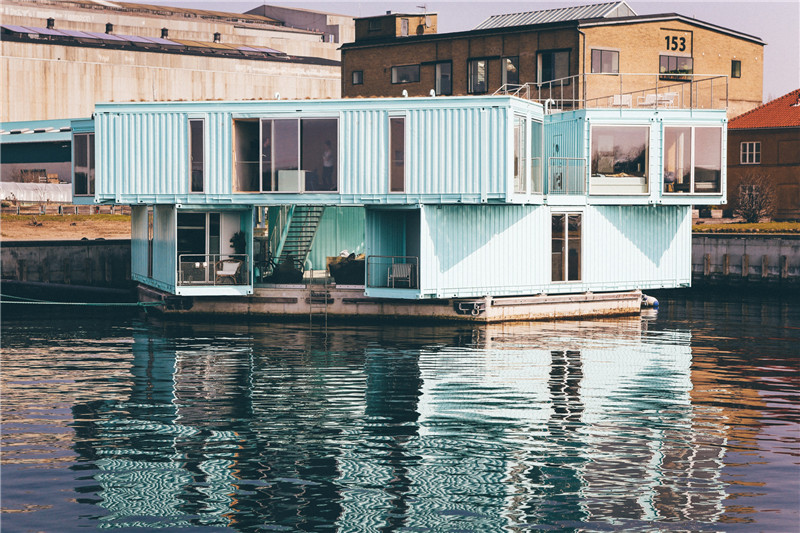
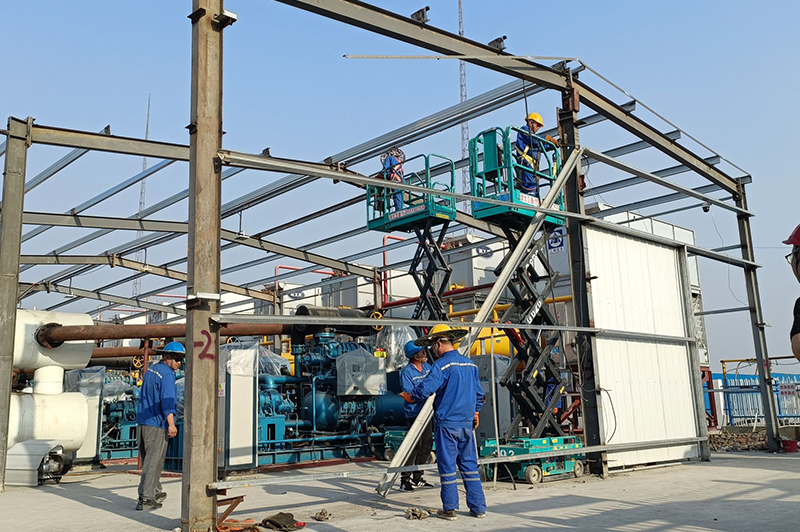
Discover how our modular container systems are adapted across diverse educational, training, and support environments.
As the construction industry moves towards digitalization and carbon neutrality, the design and manufacturing of prefabricated classrooms are undergoing significant technological advancements. The next generation of containerized schools is focusing heavily on smart technology integration and circular economy principles.
Modern container classrooms are no longer passive structures. They are increasingly integrated with Internet of Things (IoT) sensors that monitor indoor air quality, carbon dioxide levels, temperature, and humidity. Automated HVAC systems adjust the ventilation based on the occupancy density, ensuring that students always have a fresh, high-oxygen learning environment that promotes cognitive performance. Furthermore, smart lighting systems adjust brightness levels automatically based on natural light entry through the windows, reducing overall energy consumption.
Environmental sustainability is at the core of new educational facilities. By designing prefabricated containers to support heavy-duty solar panel arrays on their roofs, schools can generate their own clean electricity. Coupled with high-performance insulation panels (such as PU sandwich walls with low thermal conductivity) and energy-efficient double-glazed windows, these modular classrooms can achieve net-zero energy status, operating independently from the municipal grid and serving as a real-world educational tool for students to learn about renewable energy.
One of the historical concerns regarding container structures was noise. However, advanced acoustic design has solved this challenge. By utilizing multi-layered wall configurations—combining rockwool, gypsum board, and acoustic dampening membranes—modern container classrooms achieve sound transmission class (STC) ratings that rival conventional concrete buildings. This ensures that rain noise or external campus activities do not disrupt the concentration of students inside.
STC has established itself as a premier global supplier of prefabricated container houses, partnering with top-tier construction firms like China Railway and China Construction. Our engineering expertise allows us to deliver turnkey educational solutions that comply with international safety, structural, and environmental standards.
From initial space planning and customized layout design to factory prefabrication, logistics, and final on-site installation support, STC provides a seamless, stress-free experience. Our container units are designed for quick assembly, enabling schools to minimize downtime and transition students into clean, modern, and inspiring learning spaces within record timeframes.
Explore our full range of customizable prefabricated modular systems built for classrooms, offices, clinics, and residential solutions.