Modern Industrial Status of Modular Container Houses
The global construction landscape is experiencing a paradigm shift towards efficiency, sustainability, and worker safety. In this context, the modular container house has emerged as the premier standard for temporary infrastructure, particularly for construction site offices and worker dormitories. Historically, temporary site housing consisted of makeshift wooden huts or basic corrugated metal sheds. Today, highly engineered modular containers offer structurally sound, thermally efficient, and aesthetically pleasing environments that foster productivity and ensure regulatory compliance.
Rapid urbanization, massive infrastructure projects, and the expansion of mining and energy operations in remote areas have driven the demand for quick-to-assemble, durable modular accommodation. According to global industrial trends, construction companies are increasingly prioritizing "off-site prefabrication" to minimize on-site labor costs, reduce material waste, and accelerate project launch cycles. STC (Shanghai Tangcheng Container Homes Co., Ltd.) stands at the forefront of this industrial revolution, delivering tailor-made modular structures that seamlessly align with these modern demands.
Key Development Trends in Temporary Construction Site Housing
As technology advances, several trends are defining the future of modular container houses on construction sites:
- Green and Sustainable Building Practices: Governments and corporations are enforcing strict environmental regulations. Modular containers are highly sustainable, utilizing recyclable steel structures and eco-friendly insulation materials that significantly lower the carbon footprint of temporary installations.
- Smart Integration: Modern worker dormitories and site offices are no longer just basic shelters. They are equipped with smart HVAC systems, energy-saving LED lighting, integrated IoT sensors for temperature control, and advanced fire-suppression systems.
- Enhanced Comfort and Well-being: There is a growing recognition of the link between worker accommodation quality and overall project productivity. Modern modular dormitories feature acoustic insulation, private bathrooms, and optimized air circulation to ensure workers rest in comfortable, healthy environments.
- High Flexibility and Portability: Projects shift locations. The ability to disassemble, transport, and reassemble container offices and dormitories with minimal loss of structural integrity makes modular housing an incredibly cost-effective long-term asset.
Deep-Dive Application Scenarios
Modular container houses are incredibly versatile, catering to distinct functions within a modern construction site ecosystem:
1. Premium Construction Site Command & Office Hubs
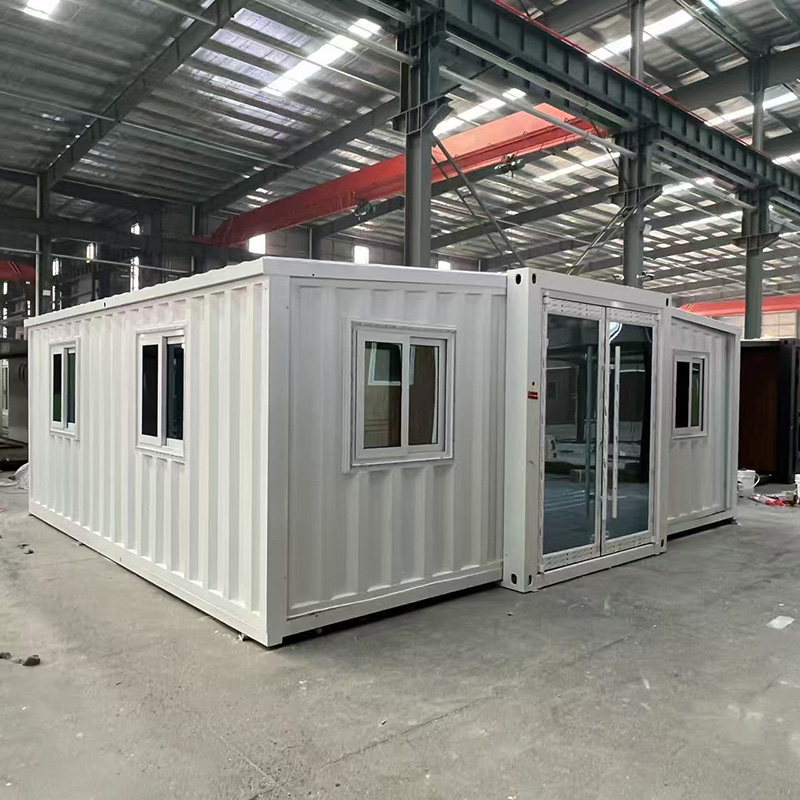
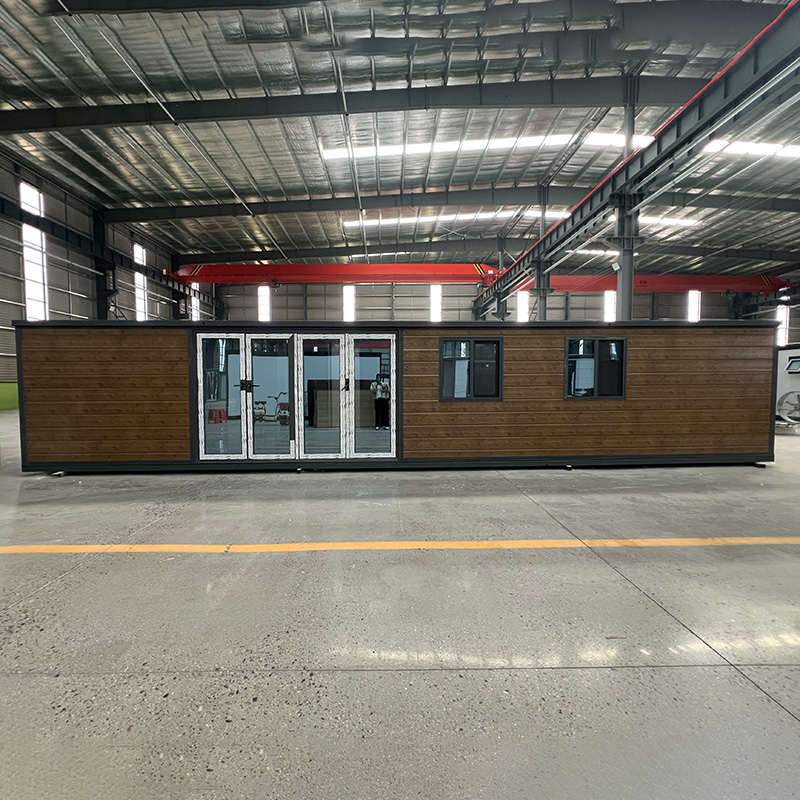
Project managers, engineers, and clients require a quiet, professional, and fully connected environment to conduct meetings, analyze blueprints, and manage operations. Double-layer container configurations with custom canopies, floor-to-ceiling glass walls, and integrated cable trunking for high-speed internet provide an executive-level office experience right in the middle of a busy construction zone.
2. High-Density, Safe Worker Dormitories
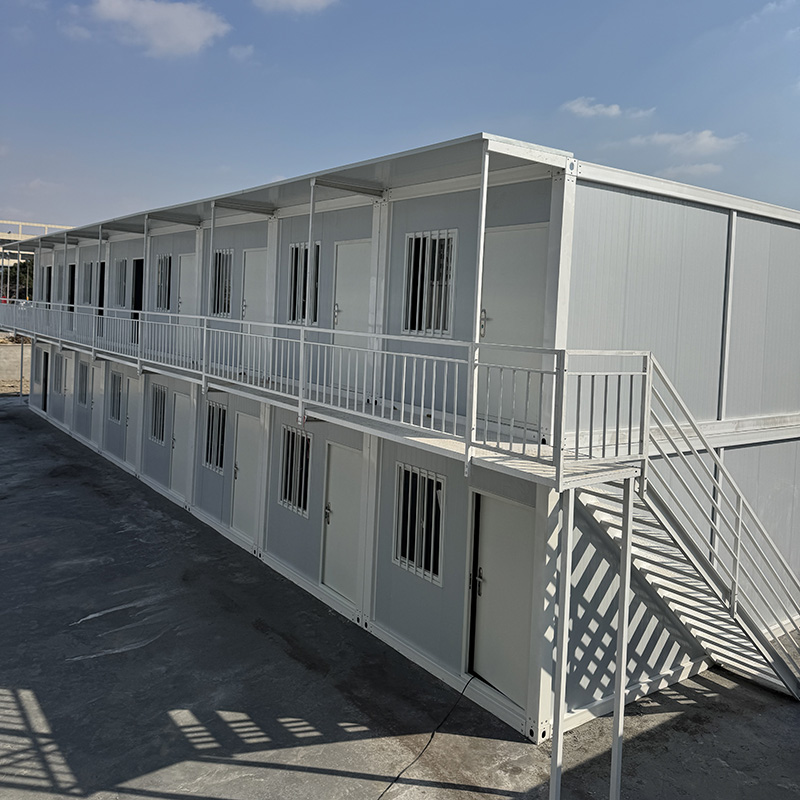
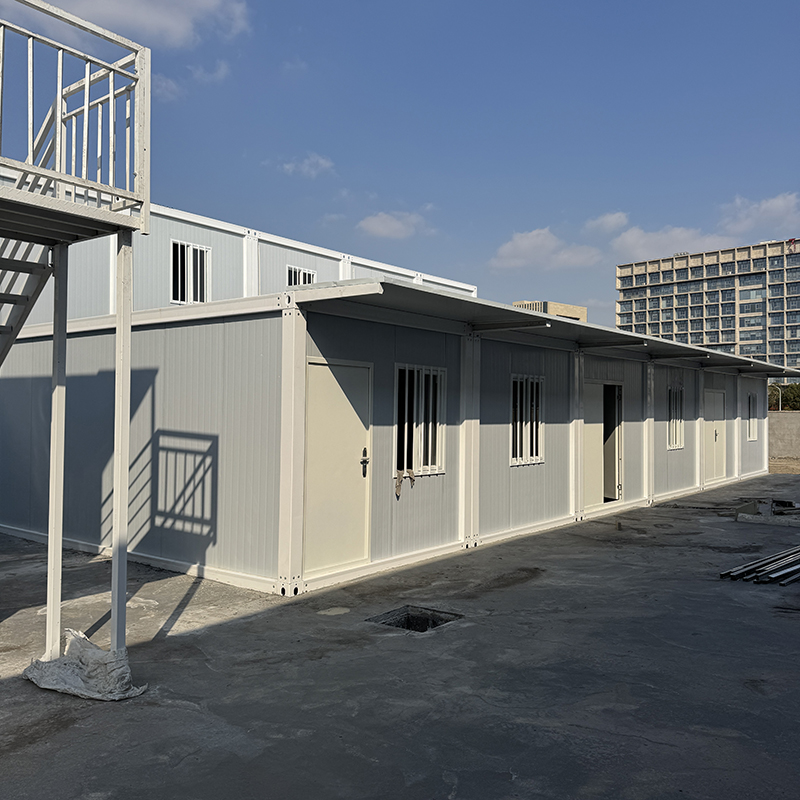
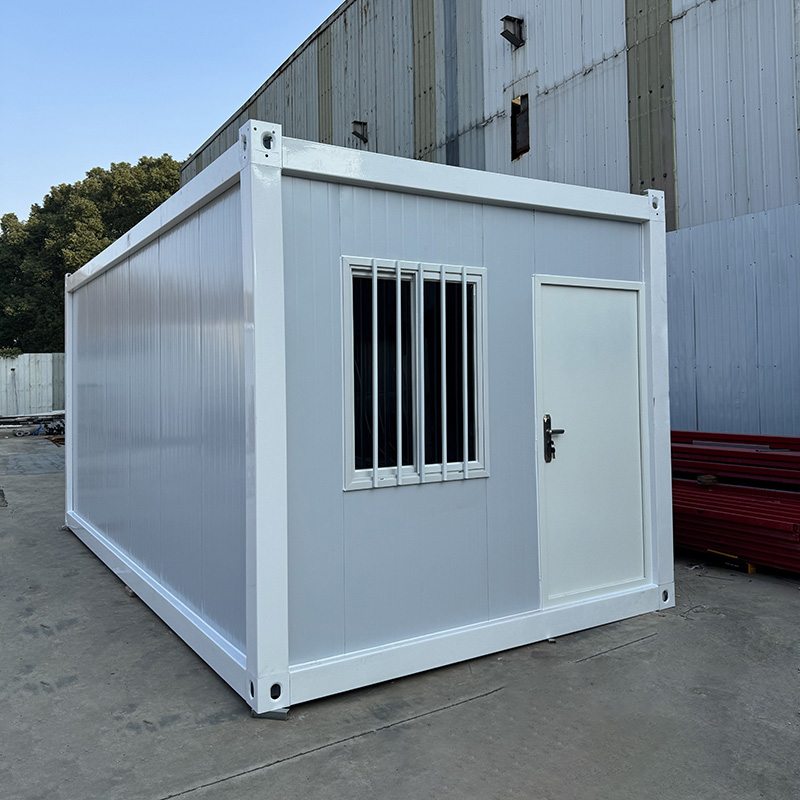
Housing hundreds of workers safely requires structural integrity and fire protection. STC's double-layer and standard quick-assembly containers can be stacked and arranged to create organized dormitory complexes complete with external staircases, communal walkways, and integrated fire escapes, maximizing space utility while strictly adhering to safety standards.
3. Specialized Auxiliary Units: Canteens, Laundries, and Sanitary Blocks
A self-sustaining construction camp requires more than just beds and desks. Modular containers are easily customized into commercial-grade kitchens, dining halls, clean toilet blocks, and laundry facilities, ensuring sanitary living conditions that prevent health hazards on-site.