Leave Your Message
Explore our top-tier quick-assembly solutions engineered to optimize temporary warehousing efficiency and safeguard your valuable assets.
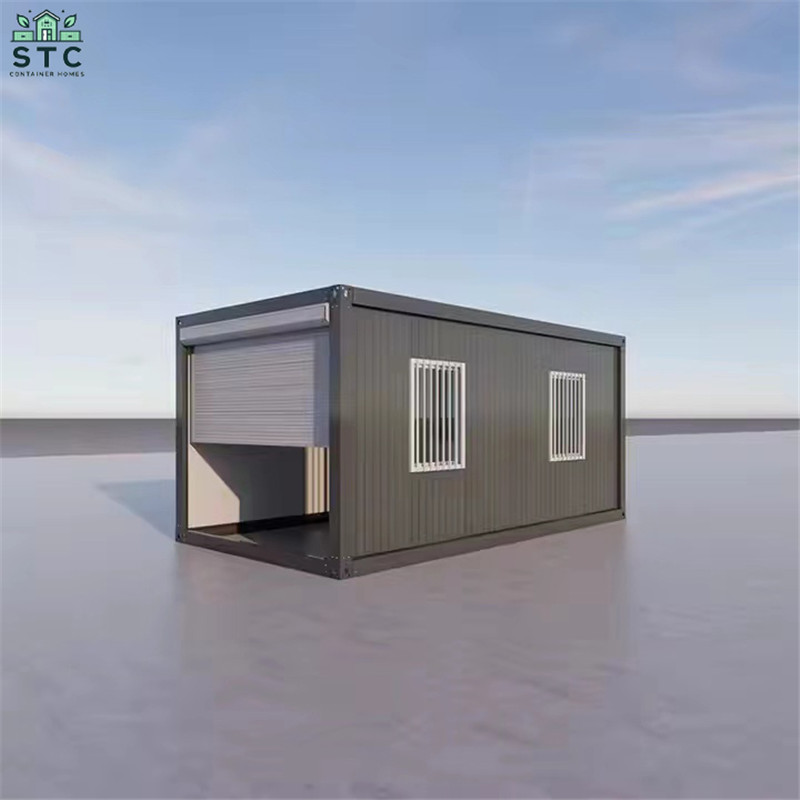
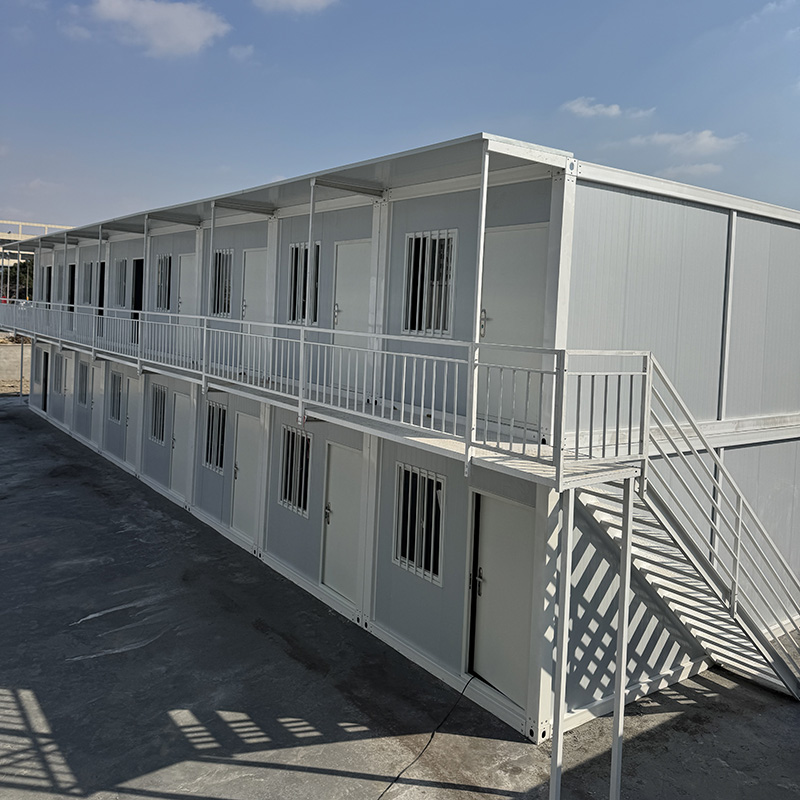
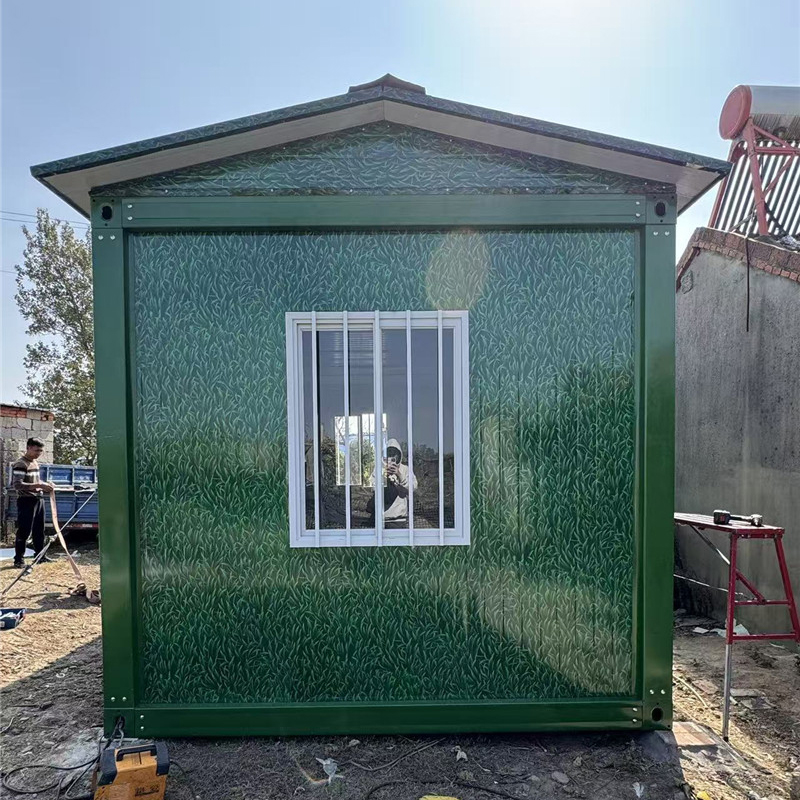
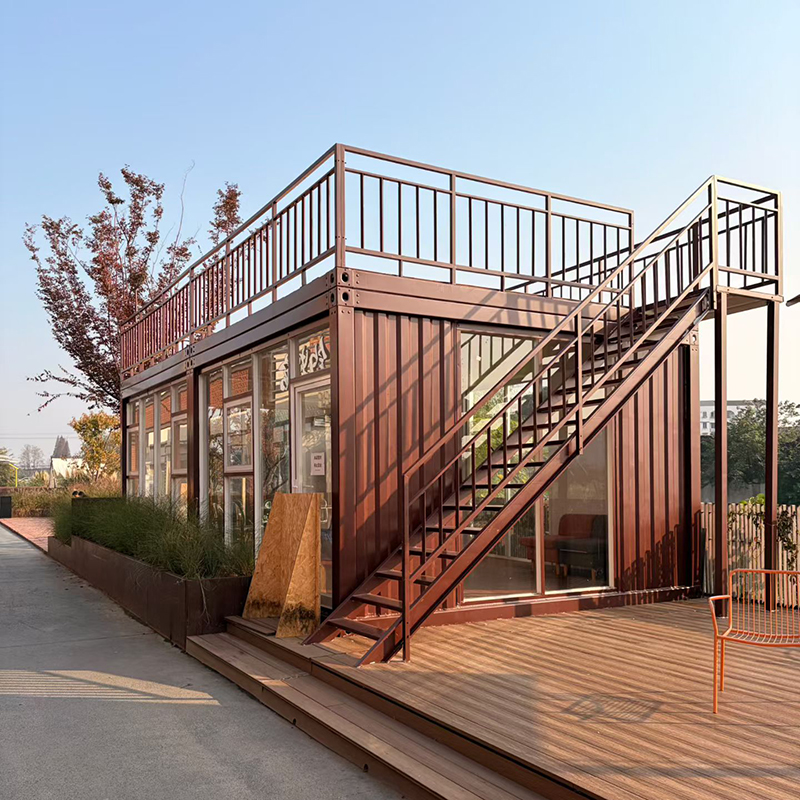
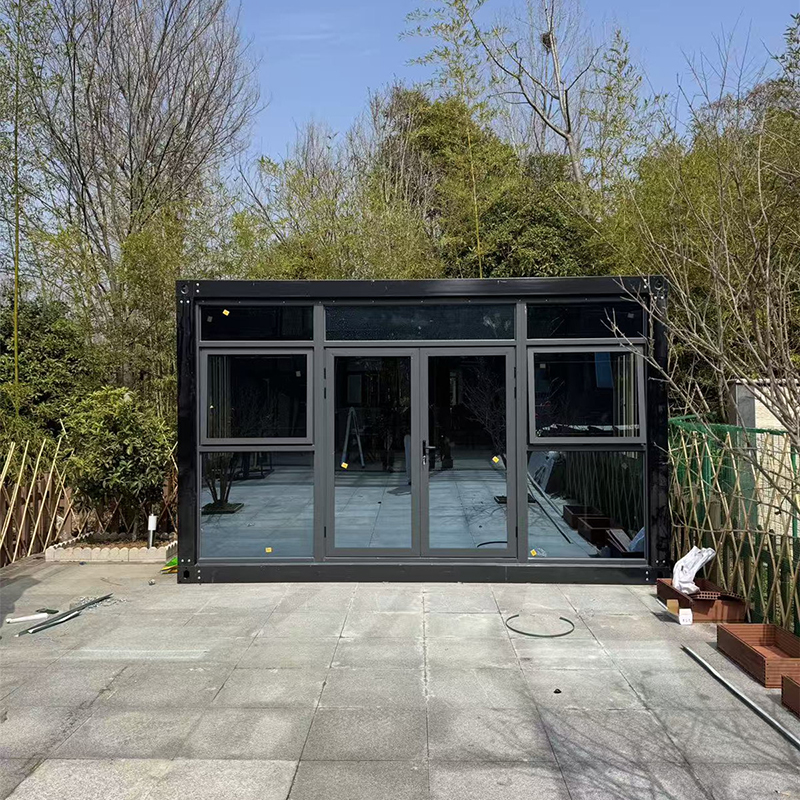
In today's fast-paced global economy, industrial agility is no longer just an advantage; it is a necessity. Traditional brick-and-mortar warehousing struggles to keep pace with the volatile demands of supply chains, seasonal agricultural yields, and rapid-response construction projects. The rise of e-commerce, coupled with unpredictable global supply chains, has forced businesses to seek highly flexible, scalable, and rapidly deployable storage solutions. This is where the Mobile Container House for temporary warehouses and material storage steps in as a game-changing innovation.
Market Insight: According to recent industrial logistics reports, the demand for modular, temporary storage structures has grown by over 25% annually. Businesses are shifting away from long-term warehouse leases in favor of on-demand, localized storage setups that reduce transportation overhead and improve supply chain resilience.
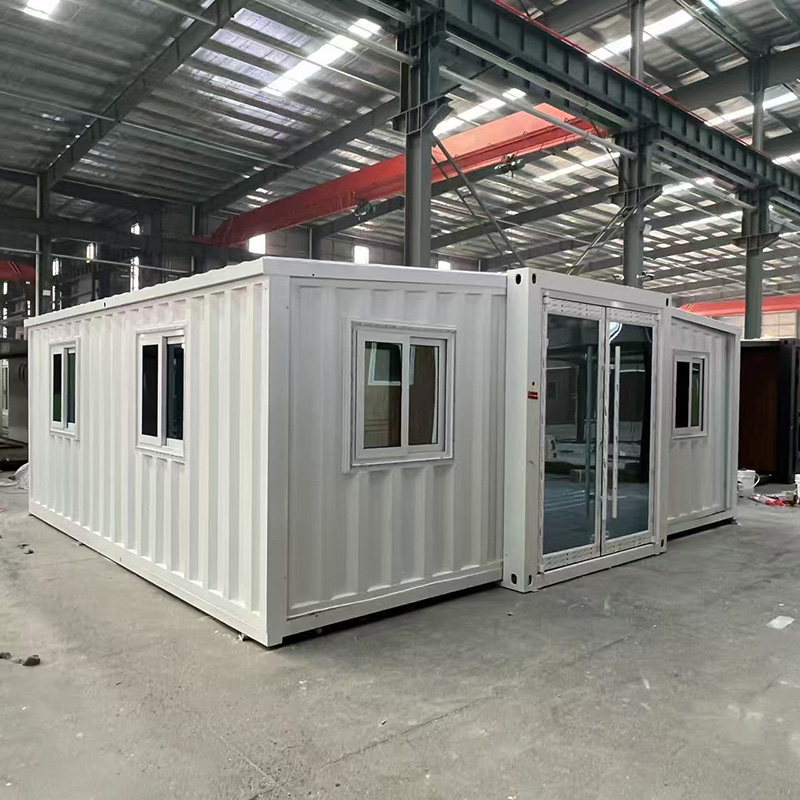
Historically, temporary storage meant soft-sided tents or costly, semi-permanent steel buildings that required weeks of site preparation and specialized assembly crews. Modern mobile container warehouses redefine this landscape by utilizing standardized shipping container dimensions combined with advanced prefabrication techniques. These units can be transported via standard logistics networks and erected within hours, presenting a robust, secure, and weather-resistant envelope immediately ready for inventory control.
When storing high-value raw materials, sensitive electronics, heavy machinery parts, or agricultural yields, structural integrity is paramount. Mobile container houses offer a range of structural and economic advantages:

The modern mobile container warehouse is no longer just a metal box. It has evolved into a sophisticated, tech-enabled node within the broader supply chain ecosystem. Incorporating "smart" technologies and Internet of Things (IoT) sensors, these containers are increasingly serving as high-tech material storage hubs.
With integrated climate control systems, thermal insulation (using composite rock wool panels), and automated ventilation, these units can maintain strict temperature and humidity parameters. This is crucial for storing moisture-sensitive materials like cement, chemical agents, and electronic components. Furthermore, AI-driven inventory tracking systems, RFID gates, and automated security monitoring can be seamlessly installed within our prefabricated structures, allowing real-time tracking of materials entering and leaving the temporary warehouse.
By leveraging smart modular structures, companies can establish localized micro-fulfillment centers closer to their end customers, drastically reducing delivery times and carbon footprints while maintaining optimal product safety.
To fully appreciate the versatility of mobile container houses, we must look at how they solve real-world operational challenges across various sectors:
On large-scale construction sites, managing the logistics of expensive tools, copper cabling, structural steel components, and safety gear is a constant challenge. Theft and weather damage lead to millions in losses annually. A quick-assembly container warehouse provides a secure, lockable vault that can be positioned right at the heart of the active zone. Its heavy-duty steel lockboxes and reinforced doors deter vandalism, while the weather-tight seals prevent water ingress.
Harvest season demands immediate, localized storage space to prevent crop spoilage before transport. Custom expandable container houses can be configured with refrigeration units to act as temporary cold rooms for fresh produce. Once the harvest period concludes, these units are easily cleaned, folded, and stored or moved to another agricultural cooperative.
When natural disasters strike, supply chains are severed. Emergency response teams require immediate storage for medical supplies, bottled water, blankets, and rescue gear. The STC Emergency Container House offers quick-response deployment, establishing secure supply hubs in impacted zones within hours of arrival, operating independently of local damaged infrastructure.
During peak shopping seasons (like Black Friday or the holidays), retailers face severe inventory bottlenecks. Leasing additional permanent warehouse space for only two months is financially non-viable. Setting up temporary container warehouses in existing parking lots or distribution yards allows retailers to handle the overflow efficiently and cost-effectively.
10 Years of Accumulation, Pursuing Quality & Engineering Excellence
Shanghai Tangcheng Container Homes Co., Ltd. established in 2014, has been dedicated to designing and manufacturing container homes for 10 years. With a factory area of 5,600 square meters and over 60 employees, we provide high-quality and innovative solutions.
Since its establishment, Shanghai Tangcheng Container Homes Co., Ltd. has earned global recognition for its high-quality products and innovative designs. We have exported to over 25 countries, including the USA, Canada, Australia, the UK, Germany, and Japan. Through continuous innovation and strict quality control, we provide superior container housing solutions, expanding our international influence. Whether for residential, office, or commercial use, Tangcheng upholds high standards to deliver comfortable, safe, and eco-friendly building products to clients worldwide.
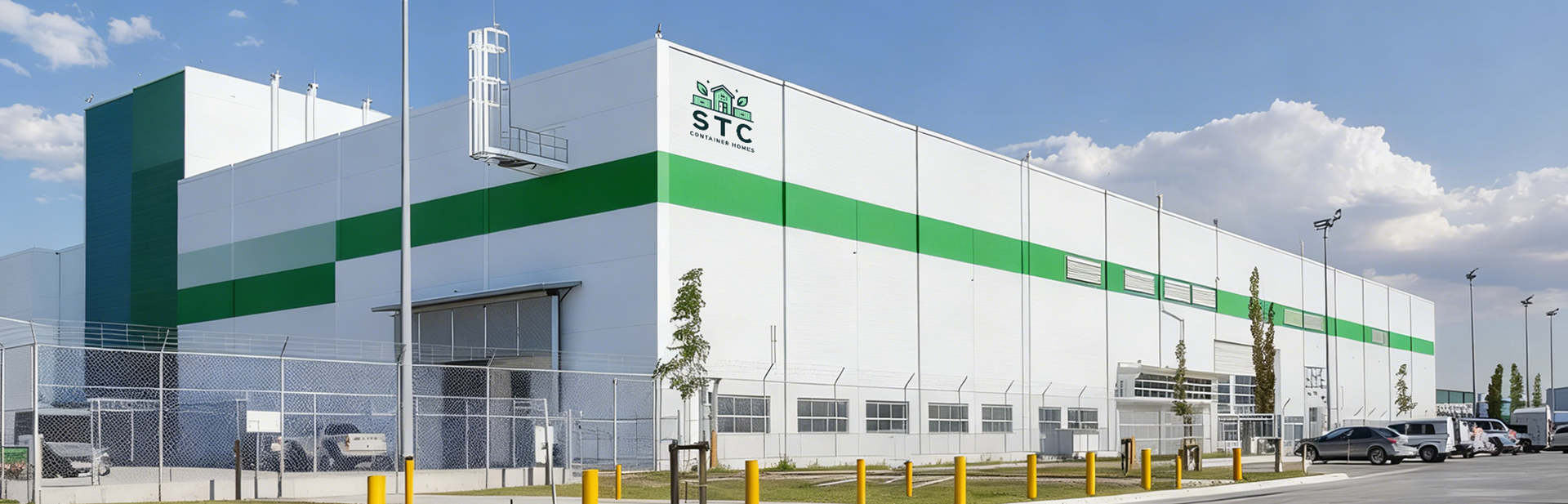
Ensuring precision engineering and manufacturing consistency across all modular units.
To guarantee the durability and structural safety required for heavy-duty material storage, our manufacturing facility is equipped with state-of-the-art automated production lines. Each phase of fabrication undergoes rigorous quality checks:
Workers excel in their respective trades, showcasing exceptional skills and knowledge. For instance, welders expertly operate welding equipment to ensure the strong bonding of metal components; carpenters master various tools to craft and install wooden structures; electricians are responsible for the installation and maintenance of electrical systems, ensuring safe operation of devices; and plumbers focus on the installation and repair of water supply and drainage systems. Each skilled worker undergoes rigorous training and gains extensive practical experience, ensuring high-quality and safe project completion.
Workers ensure quality and timeliness through meticulous planning, strict adherence to standards, and effective communication. They follow best practices, use quality materials, and perform regular inspections to meet project specifications. By coordinating closely with team members and stakeholders, they address issues promptly, ensuring projects are completed on schedule without compromising on quality.
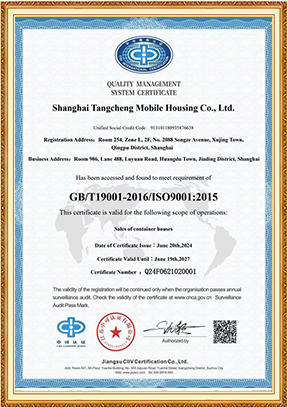
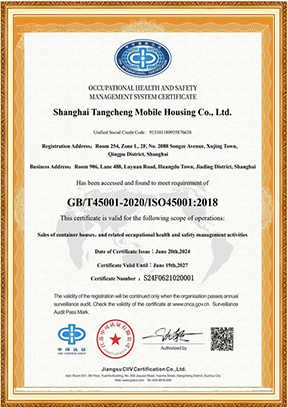
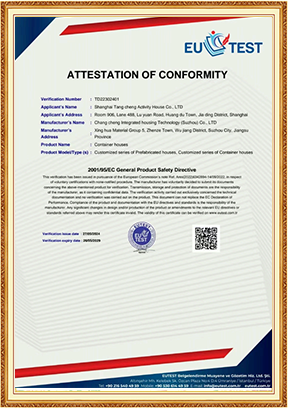
Explore our full range of customizable container solutions, from heavy-duty warehouses to versatile site offices and emergency shelters.