Leave Your Message
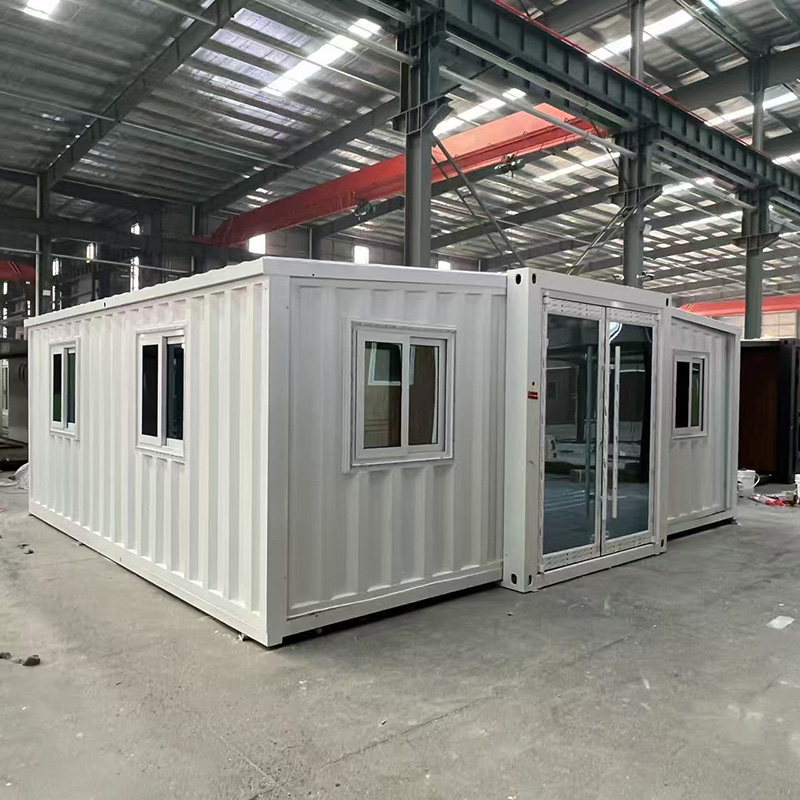
In the wake of rising global climate challenges, humanitarian crises, and the necessity for rapid-response civil infrastructure, the folding container house has emerged as a cornerstone of emergency logistics. Historically, temporary structures relied heavily on soft-walled tents or intensive wood-and-metal prefabricated assemblies that required days, if not weeks, to fully commission. Today, the global modular building industry is experiencing a paradigm shift toward rigid, pre-engineered folding structures. These systems offer structural integrity comparable to permanent buildings while retaining the ability to collapse flat for high-density transport.
From a commercial perspective, governments, NGOs, and municipal health departments are actively investing in standardized modular inventories. The ability to warehouse hundreds of collapsed units in a minimal footprint—and subsequently deploy them via standard flatbeds or cargo planes within hours—renders the folding container house an invaluable strategic asset. In industrial projects, mining sites, and remote scientific outposts, these units serve as the primary structural envelope for laboratories, communications hubs, and emergency medical triage zones.
During infectious disease outbreaks or natural disasters, hospital systems can become overwhelmed in a matter of hours. Folding container houses provide the immediate structural capacity required to establish triage zones outside main medical facilities. These units can be customized with antimicrobial interior wall panels, integrated negative-pressure HVAC systems, and vinyl flooring designed to withstand harsh chemical sterilizers.
Furthermore, they can be configured with pre-installed electrical channels to power critical life-support systems, oxygen concentrators, and diagnostic monitors, ensuring that temporary clinics maintain the same operational standards as brick-and-mortar hospitals.
When natural disasters strike, local communication infrastructure is often the first to fail. A folding container house can serve as a fully self-contained tactical command center. By integrating satellite dishes, server racks, and multi-screen monitoring arrays directly into the structural frame, response teams can establish a localized intelligence hub within minutes of arriving on site.
The structural rigidity of steel frames provides crucial protection against high winds, flying debris, and seismic aftershocks, safeguarding both the high-value communication equipment inside and the commanding personnel operating the disaster relief efforts.
We provide comprehensive customization services to ensure that each folding container house perfectly matches the unique demands of your medical, command, or industrial site layout.
 01
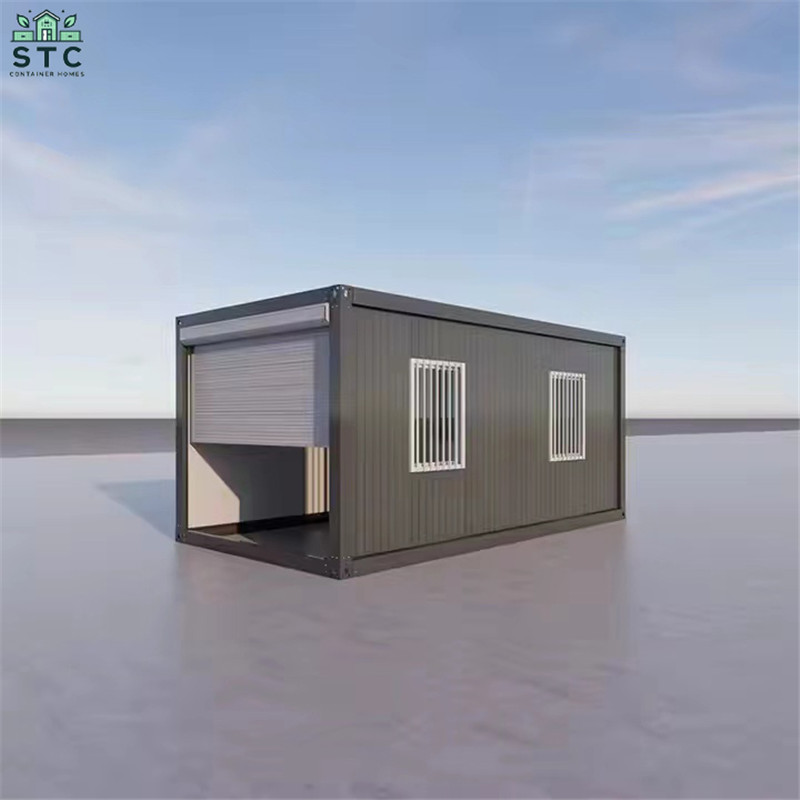
Support standard/non-standard sizes, adjust length, width and height as required to adapt to scenarios such as construction sites, homestays, sentry posts, and warehouses.
 02
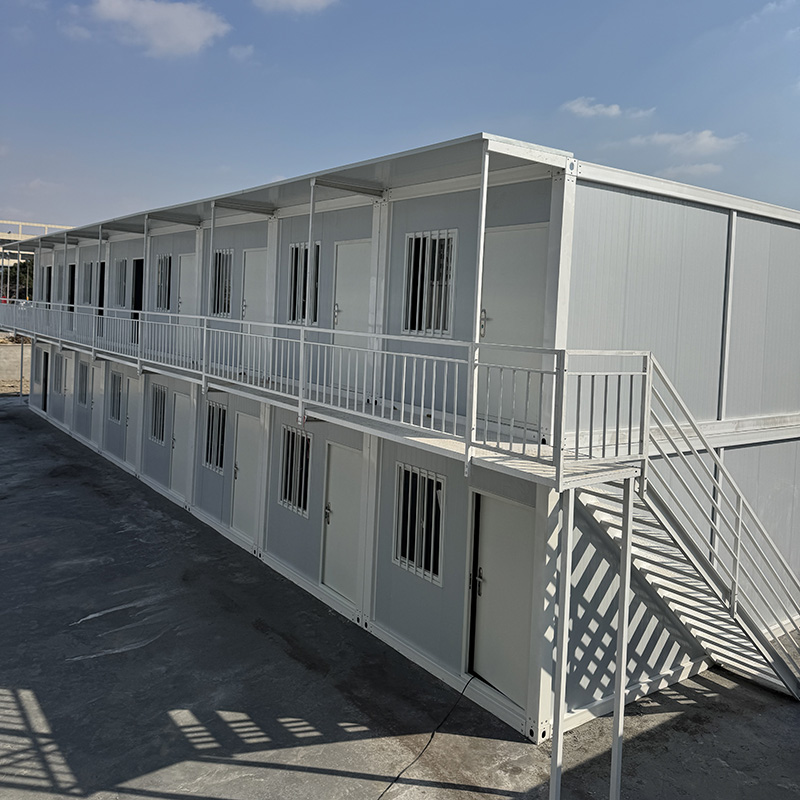
Can be spliced into single-layer or multi-layer, and flexibly arrange partitions, doors, windows, stairs, and corridors.
 03
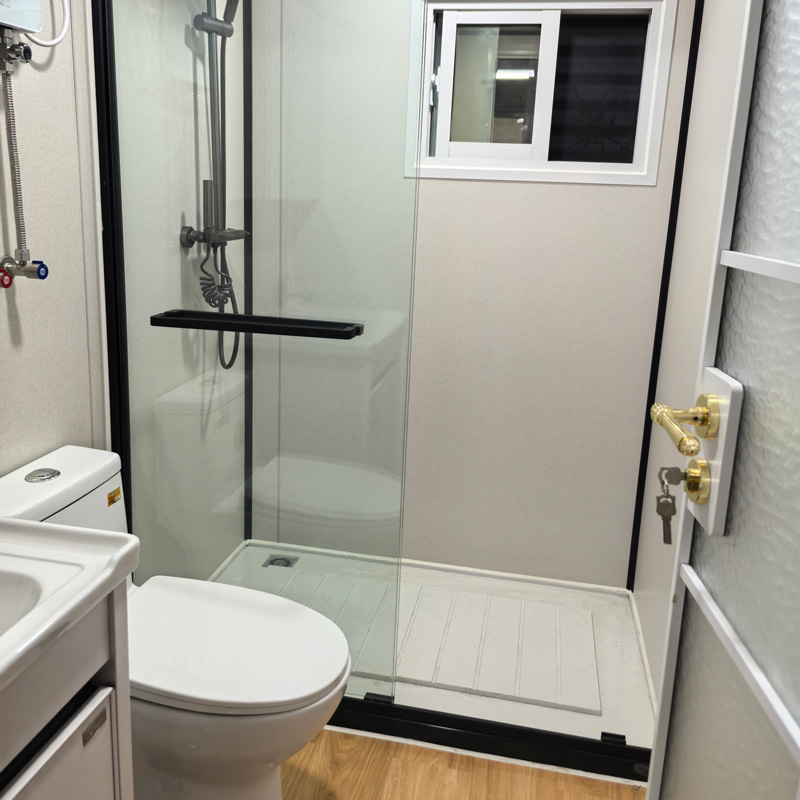
Comprehensive coverage of water and electricity, bathroom facilities, heat preservation, sound insulation, fire prevention, photovoltaic, and intelligent devices.
 04
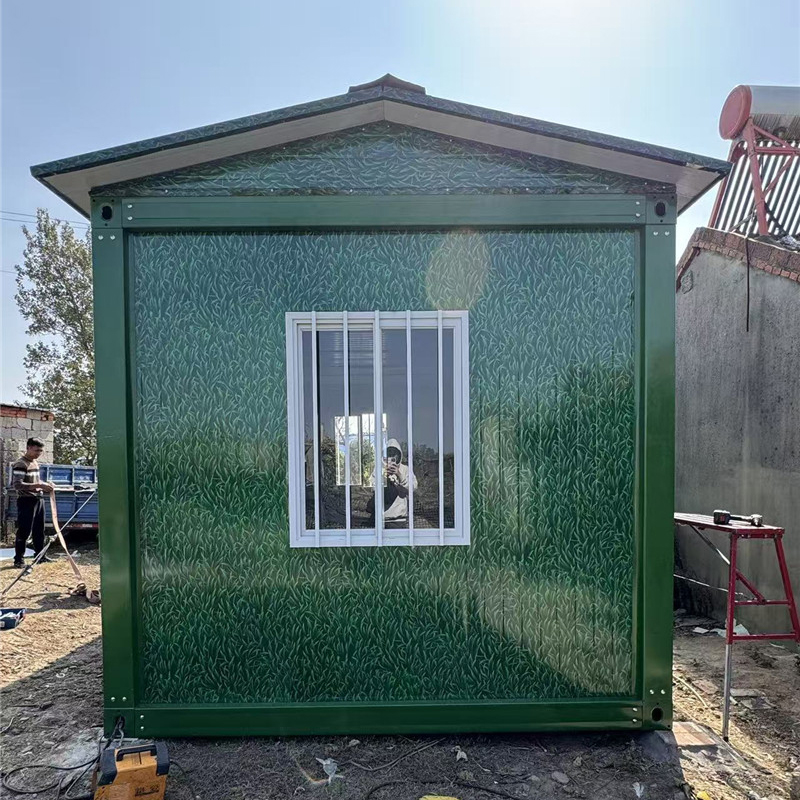
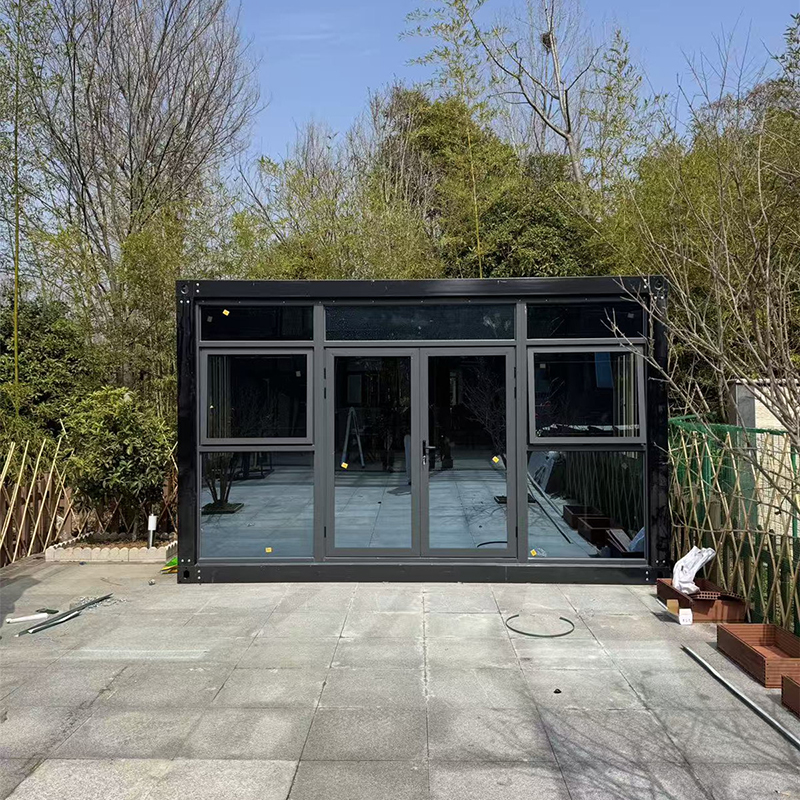
Design colors, LOGOs, curtain walls, and shapes as required to meet the needs of brand display and cultural tourism aesthetics.
Engineered for extreme speed. Our folding containers minimize site preparation and labor requirements, allowing for rapid deployment in high-pressure scenarios.
 01
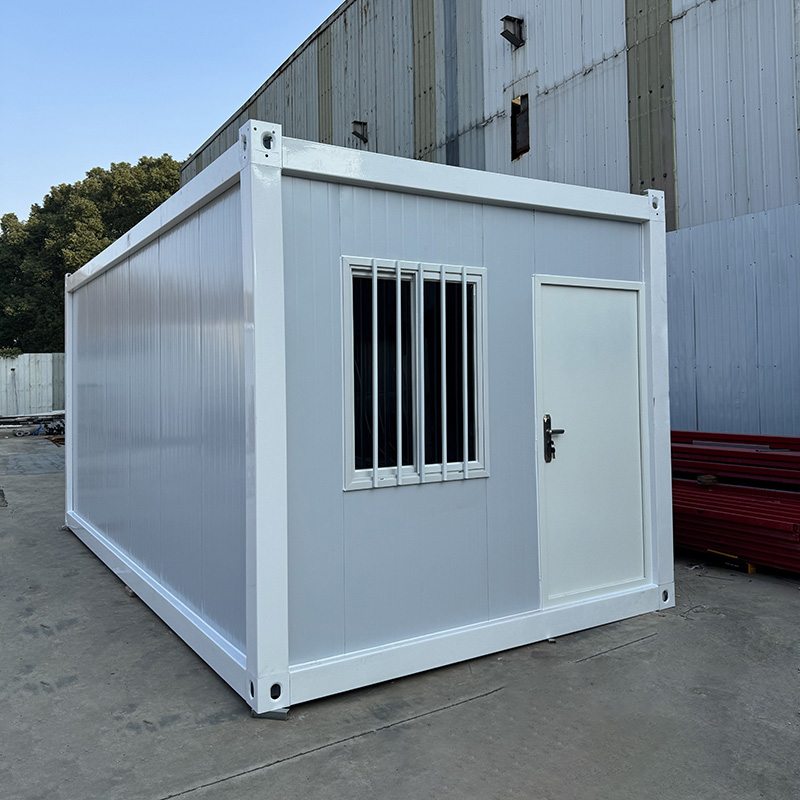
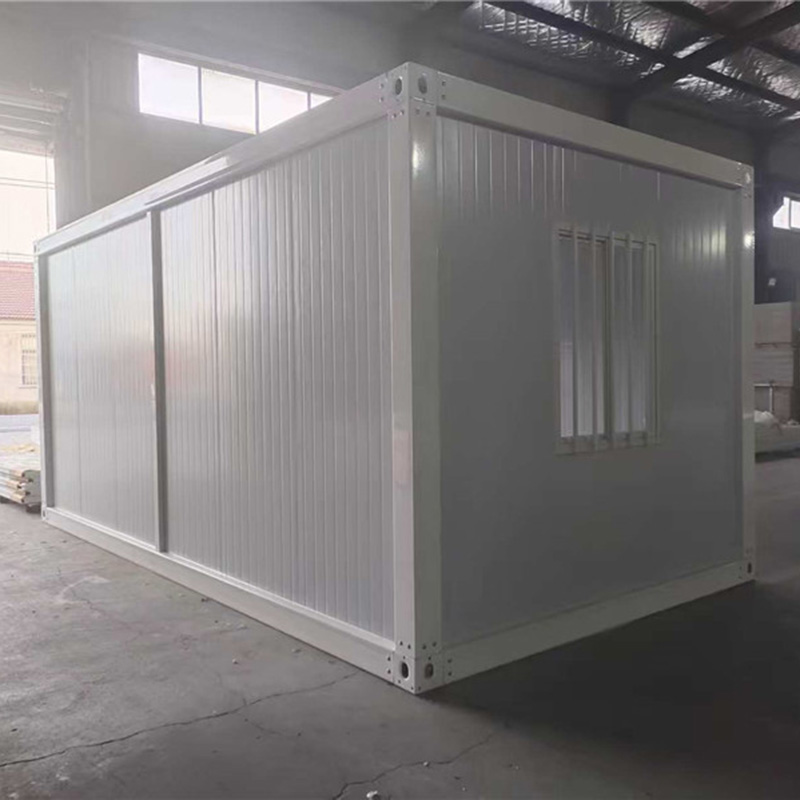
Prefabricated in the factory and quickly installed on-site. A 2-person team can complete one set in 4-6 hours. Leading enterprises can achieve one room in 2 hours.
 02
Ship in parts and transport by full-vehicle. It can enter mountainous areas/narrow roads without damaging the site.
 03
Provide multiple modes such as on-site installation, remote guidance, and turn-key delivery.
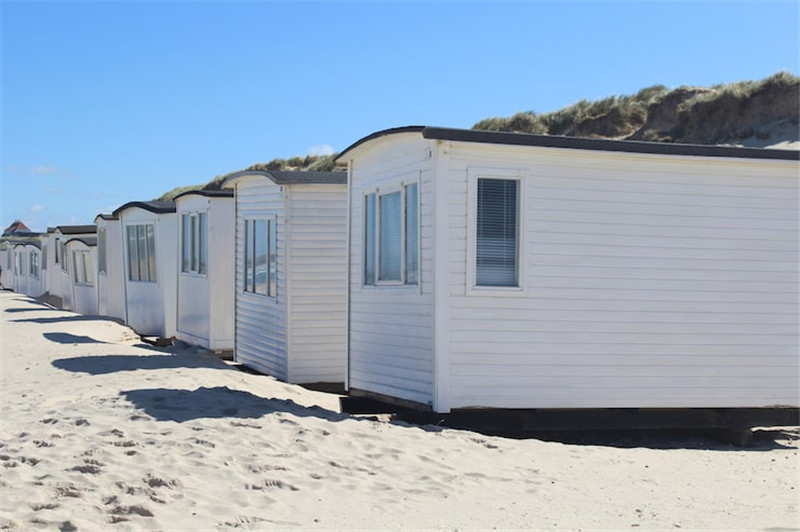
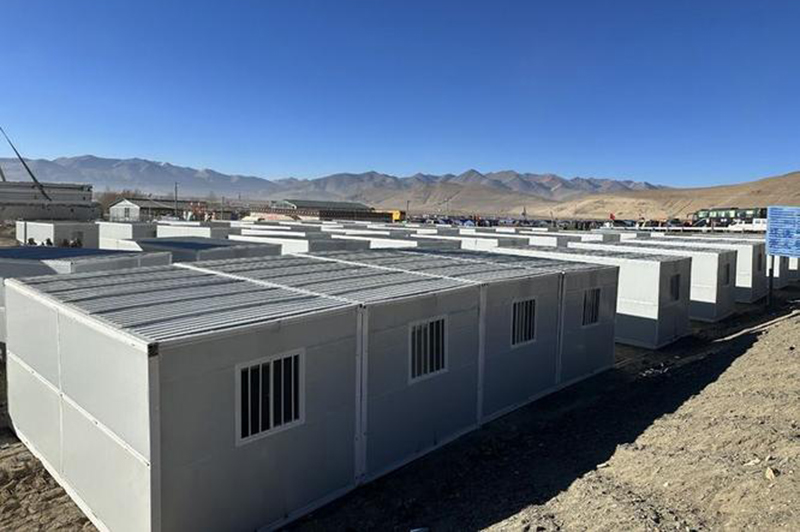
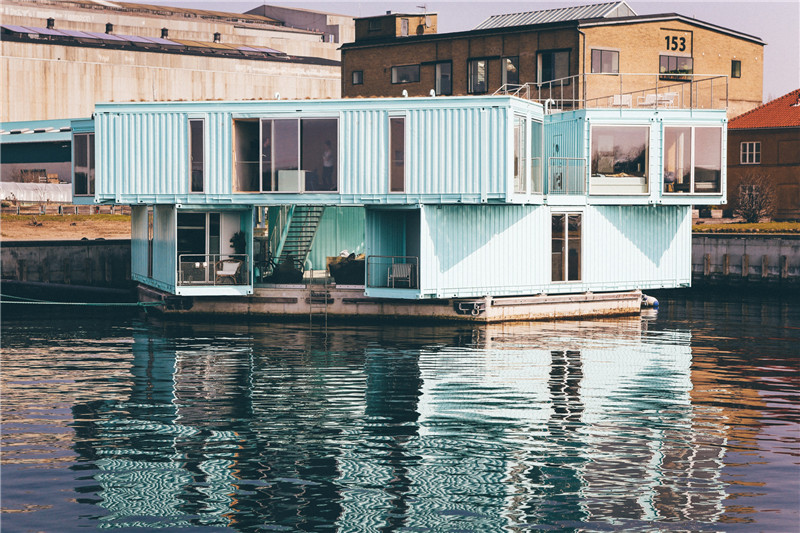
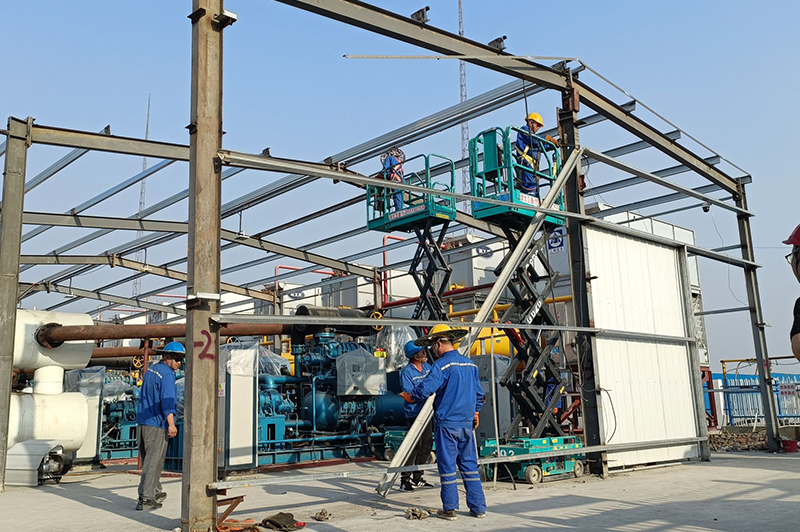
Explore our full range of folding and fast-assembly container houses engineered for extreme durability, thermal efficiency, and rapid structural deployment.