The Industrial Evolution of Modular Infrastructure in Global Supply Chains
Modern global logistics operates under a high-pressure, just-in-time delivery model. The rapid expansion of e-commerce, cross-border trade, and intermodal freight corridors has placed unprecedented demand on logistics hubs, freight yards, and distribution centers. Traditional brick-and-mortar warehouses are no longer sufficient to cope with the volatile shifts in supply chain dynamics. Building permanent structures is slow, capital-intensive, and highly restricted by local land-use regulations.
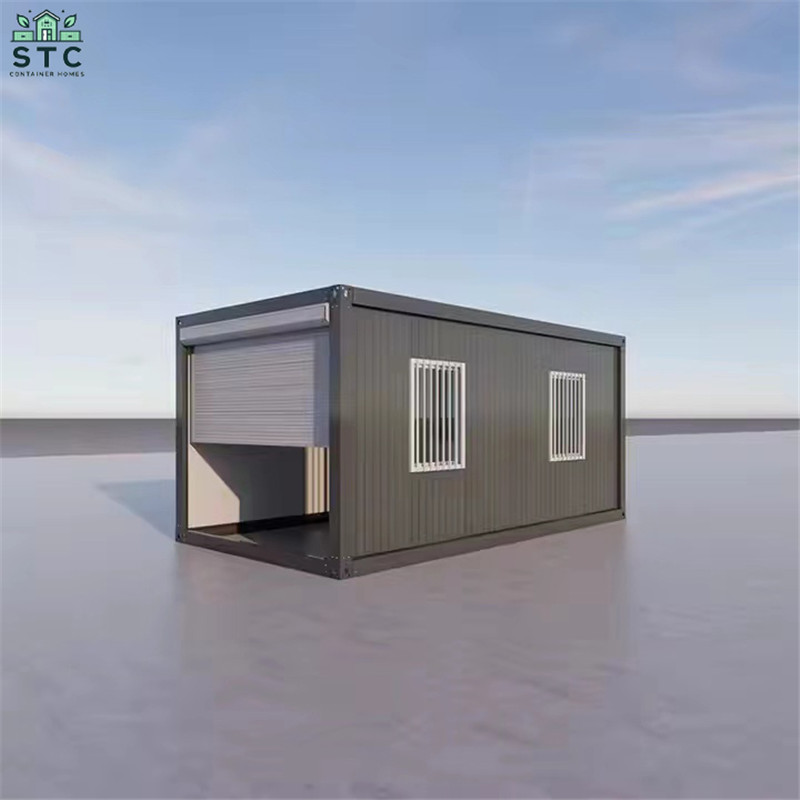
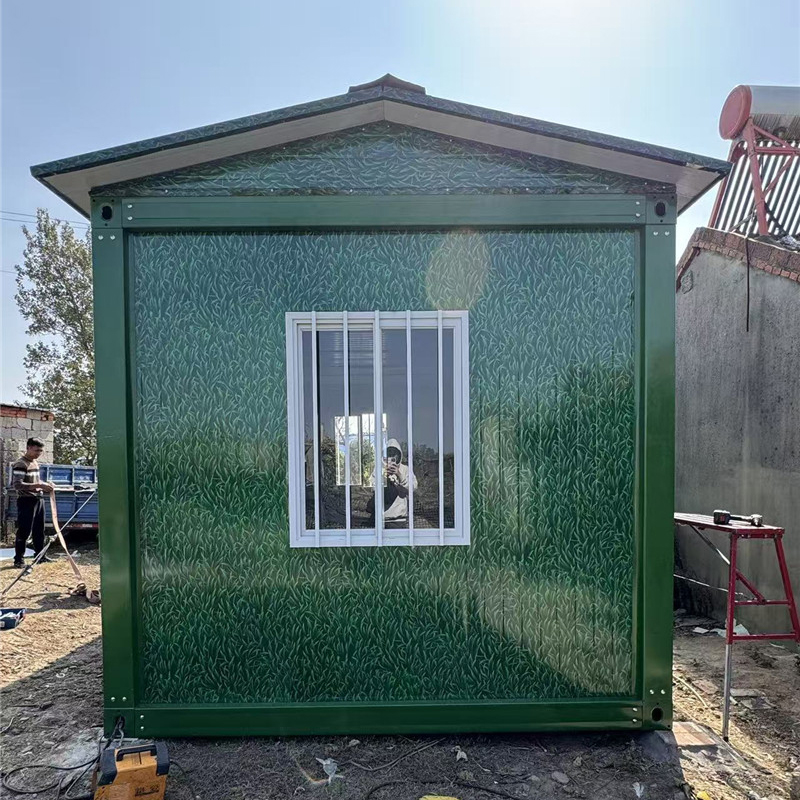
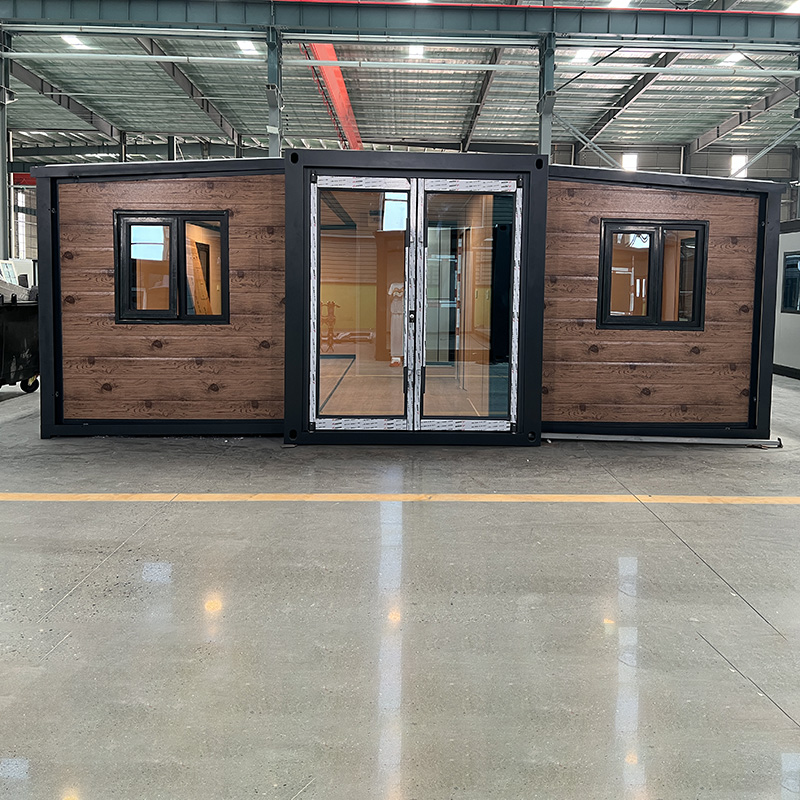
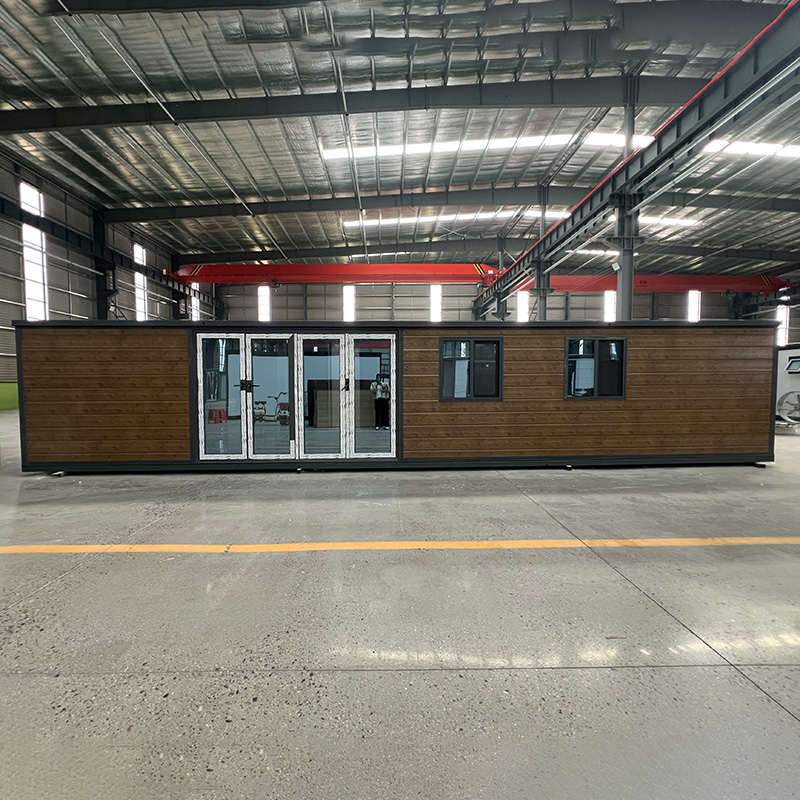
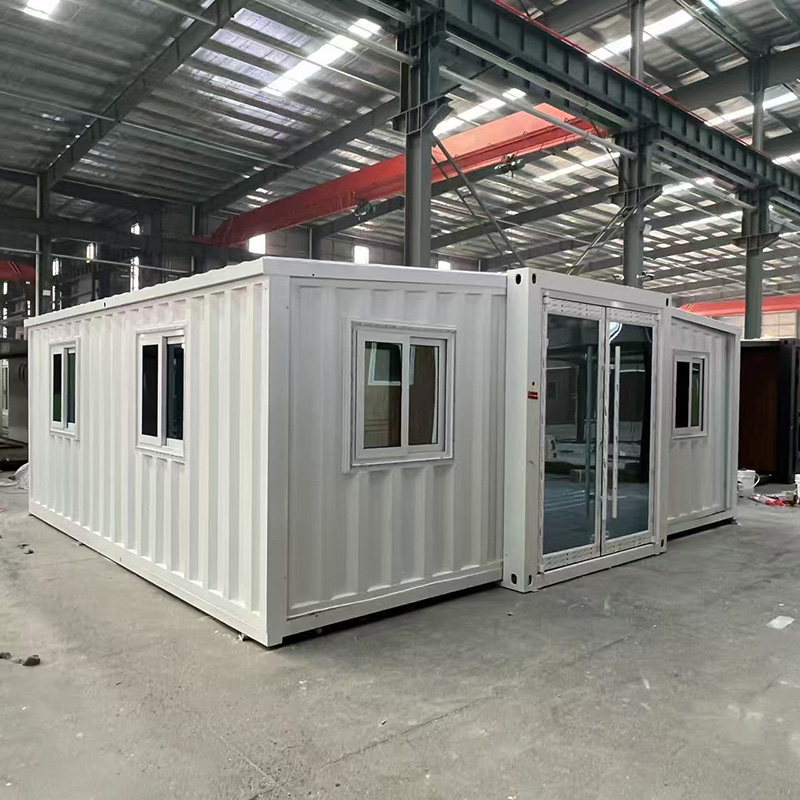
This is where the folding container house has emerged as a revolutionary solution. Engineered to combine structural resilience with rapid deployability, folding container houses provide logistics operators with the agility required to scale up storage capacities, set up dispatch offices, and establish equipment turnover stations at a fraction of the cost and time of traditional construction.
Why Logistics Hubs Choose Folding Container Houses
Logistics hubs act as the critical intersections of global trade. These terminals must manage massive fluctuations in cargo volumes, transport fleets, and handling equipment. Standard shipping containers are excellent for transporting goods, but they lack the flexibility and quick setup attributes required for structural utilities. Folding container houses bridge this gap through several distinct advantages:
- Ultra-Fast Deployment: A standard folding container house can be fully erected in under 10 minutes using a crane and a small crew of 2-3 workers. This speed is essential for hubs that need to react immediately to seasonal freight surges.
- Unmatched Space Efficiency: When collapsed, folding container houses occupy up to 80% less space than standard assembled modular structures. This allows logistics companies to store dozens of folded units in reserve without taking up valuable yard space, ready to be deployed as the hub's operational footprint expands.
- Reduced Logistics Overhead: For equipment turnover and distribution, shipping empty modular houses can be cost-prohibitive. Folding designs allow up to 4 to 6 units to be loaded onto a single flatbed truck, drastically lowering shipping costs and carbon emissions.
Deep-Dive Application Scenarios in Modern Logistics
1. Temporary Cross-Docking and Sorting Buffers
During peak shopping seasons (such as Black Friday, Cyber Monday, or regional holidays), distribution centers experience massive surges in parcel volumes. Folding container houses can be quickly deployed in yard spaces to serve as temporary sorting areas, parcel scanning booths, or cross-docking administrative hubs. This protects sensitive sorting equipment and personnel from adverse weather conditions without requiring permanent building permits.
2. High-Value Equipment Turnover & Tool Storage
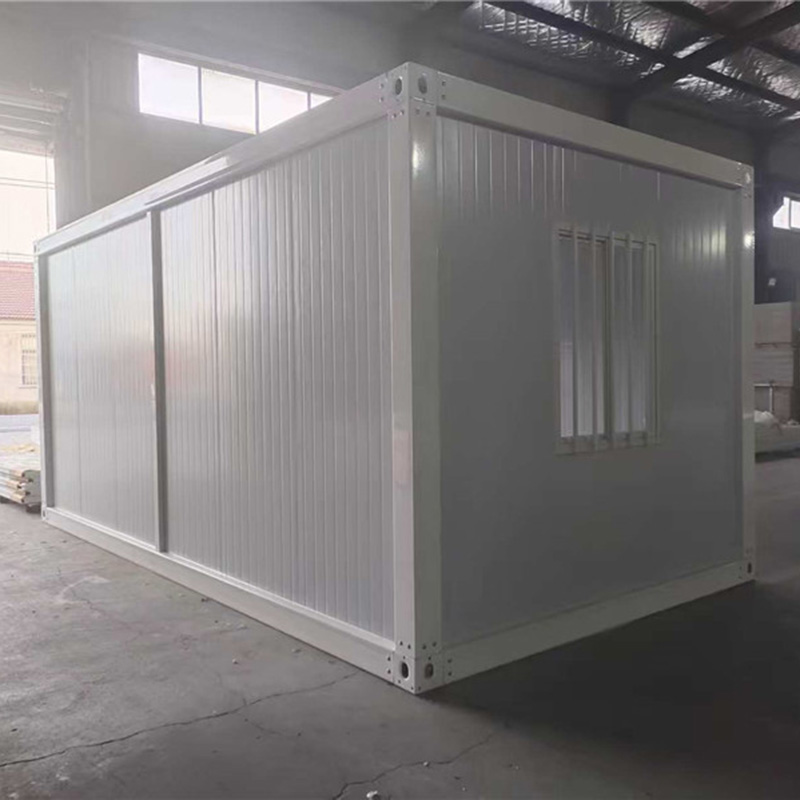
Modern logistics relies on expensive automated equipment, including Automated Guided Vehicles (AGVs), lithium-battery charging stations, heavy-duty forklifts, and scanning gantries. When these systems undergo maintenance or are shifted between hubs, they require secure, weather-proof turnover storage. STC’s folding containers offer fire-resistant rock wool insulation and reinforced steel frames, ensuring that high-value equipment is protected from theft, moisture, and extreme temperatures during transitions.
3. Terminal Command Centers and Freight Offices
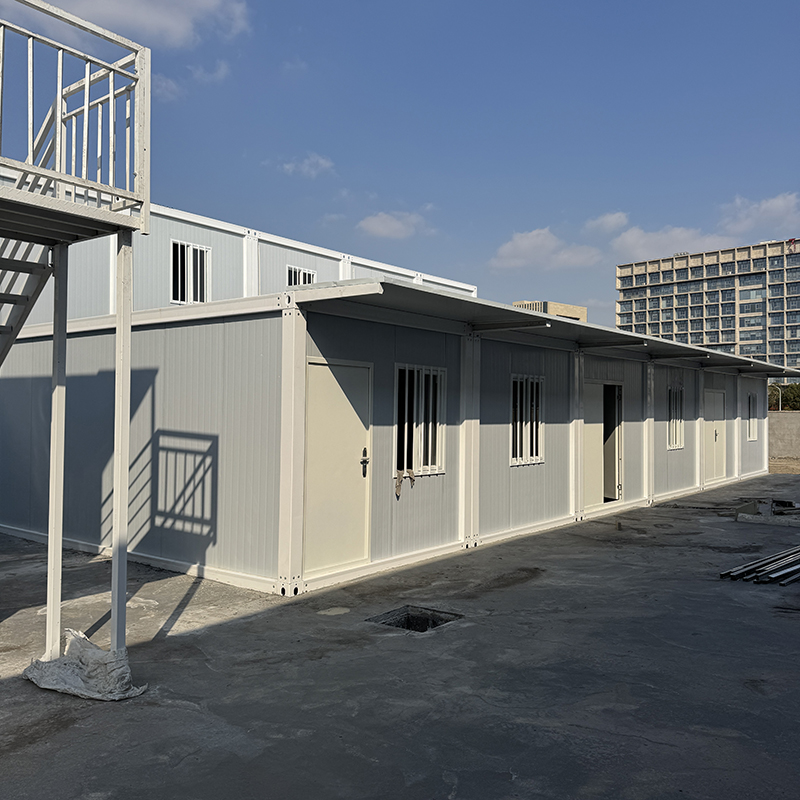
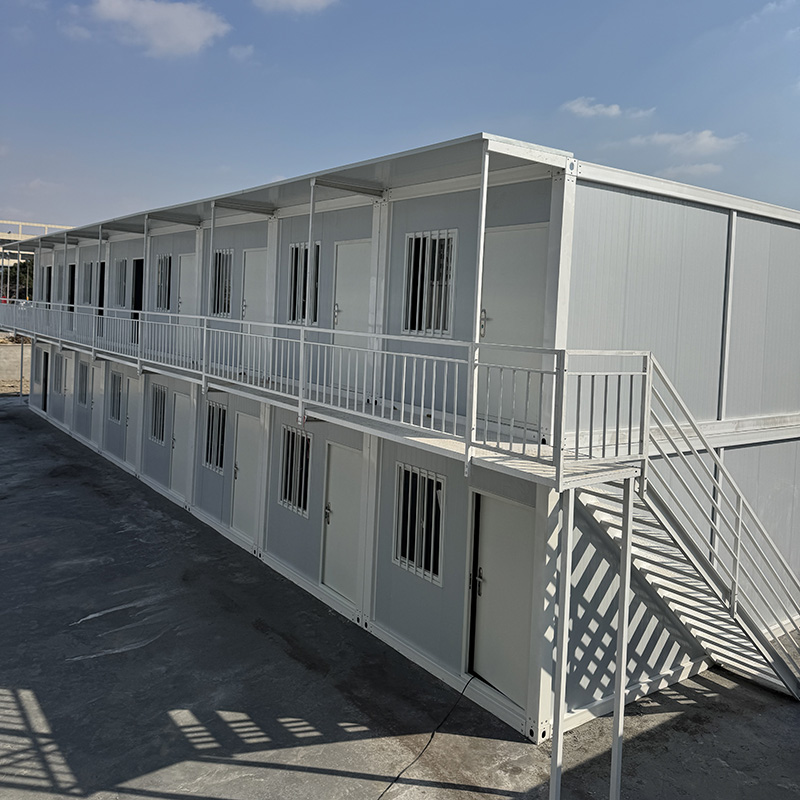
Efficient yard management requires supervisors to be close to the action. Folding container houses can be configured with double-glazed windows, air conditioning, and integrated electrical wiring to serve as elevated command centers, gatehouses, or customs inspection offices. Their modular nature allows them to be stacked or combined, creating multi-story offices that overlook the entire freight yard.
4. Emergency Disaster Recovery & Supply Chain Nodes
In the event of natural disasters, infrastructure failures, or humanitarian crises, supply chains are often disrupted. Folding container houses act as quick-response logistics nodes. They can be transported via helicopter or cargo plane to affected zones, establishing immediate distribution points for medical supplies, food, and emergency communication equipment.
Technological Trends Shaping the Future of Modular Storage
As the logistics sector moves towards automation and digitalization, modular container architecture is keeping pace. The integration of AI and IoT technologies into folding container houses is the next frontier. Smart sensors can now monitor internal temperature, humidity, and structural stress in real-time, which is crucial for hubs storing temperature-sensitive materials or delicate electronics.
Furthermore, sustainability is a driving force. Global logistics giants are committing to carbon-neutral operations. Folding container houses align perfectly with this mission; they are constructed from recyclable steel and eco-friendly insulation, and their reusable lifecycle prevents the massive waste associated with tearing down temporary wooden or concrete structures.