Leave Your Message
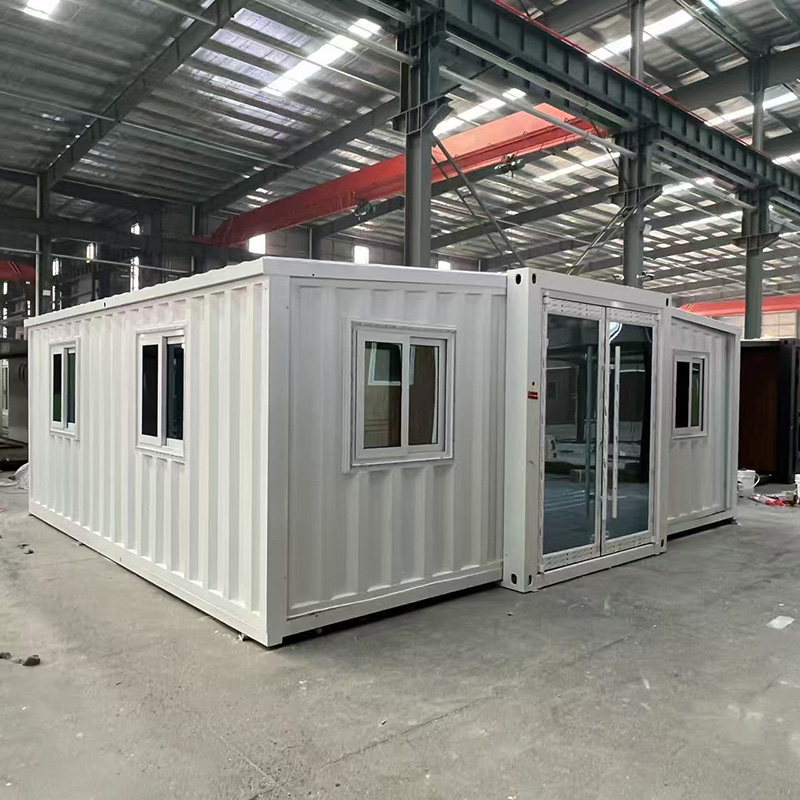
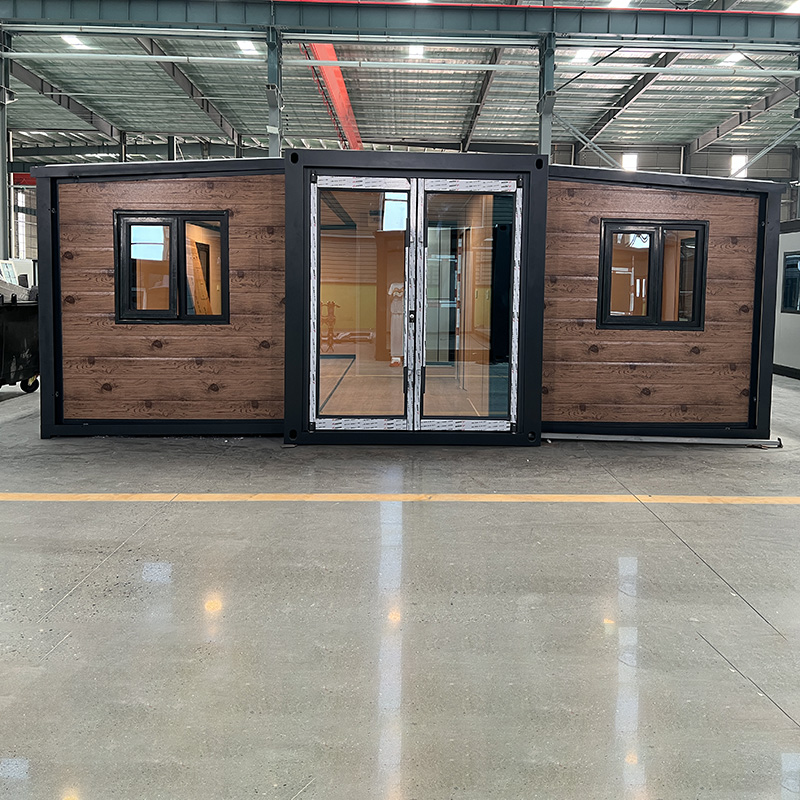
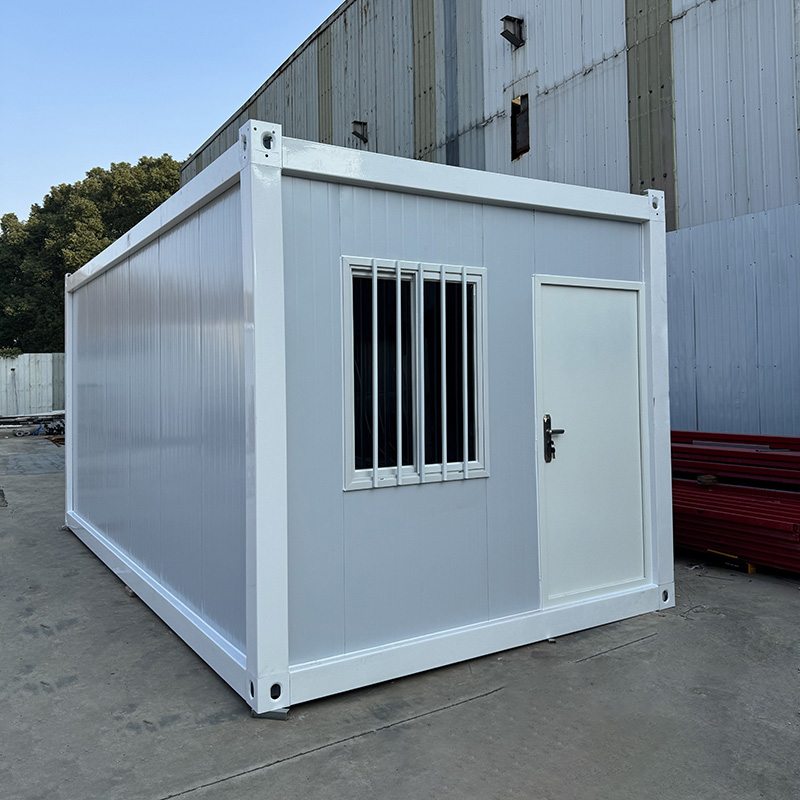
In the face of increasing global climate volatility and unforeseen natural disasters, the demand for Foldable Container House For Emergency Shelters And Disaster Relief Housing has reached an all-time high. Traditionally, disaster relief relied on tents or temporary wooden structures, which often failed in extreme weather conditions. Today, the industrial status of modular housing has shifted towards high-tech, foldable steel structures that offer the structural integrity of a permanent building with the mobility of a logistics unit.
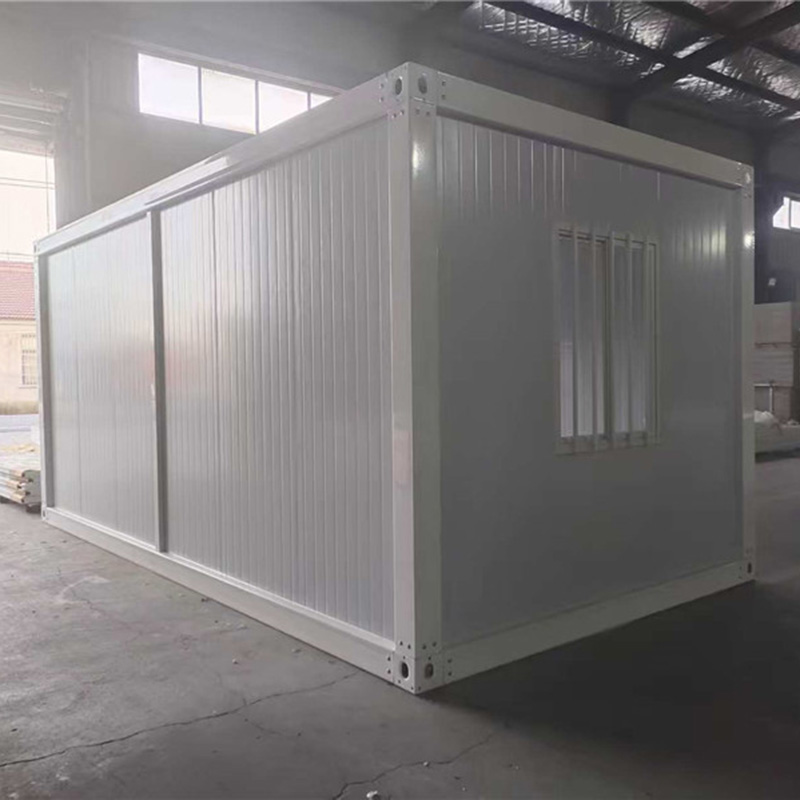
Modern industrial manufacturing now allows these houses to be mass-produced with precision engineering. The use of galvanized steel frames and fireproof sandwich panels ensures that these shelters are not just temporary fixes, but durable assets that can be reused across multiple disaster cycles. This sustainability aspect is a core driver in the current commercial landscape.
 01
 02
 03
 04
The next decade of Disaster Relief Housing will be defined by "Intelligence." We are seeing a trend where foldable container houses are being equipped with IoT (Internet of Things) sensors to monitor structural integrity, internal air quality, and energy consumption. This is particularly vital in emergency medical scenarios where temperature control is critical.
Furthermore, the integration of renewable energy is no longer optional. Modern foldable units are being designed with "plug-and-play" solar roof capabilities. This allows emergency shelters to operate off-grid immediately upon unfolding, providing essential power for communication devices and medical equipment without relying on compromised local infrastructure.


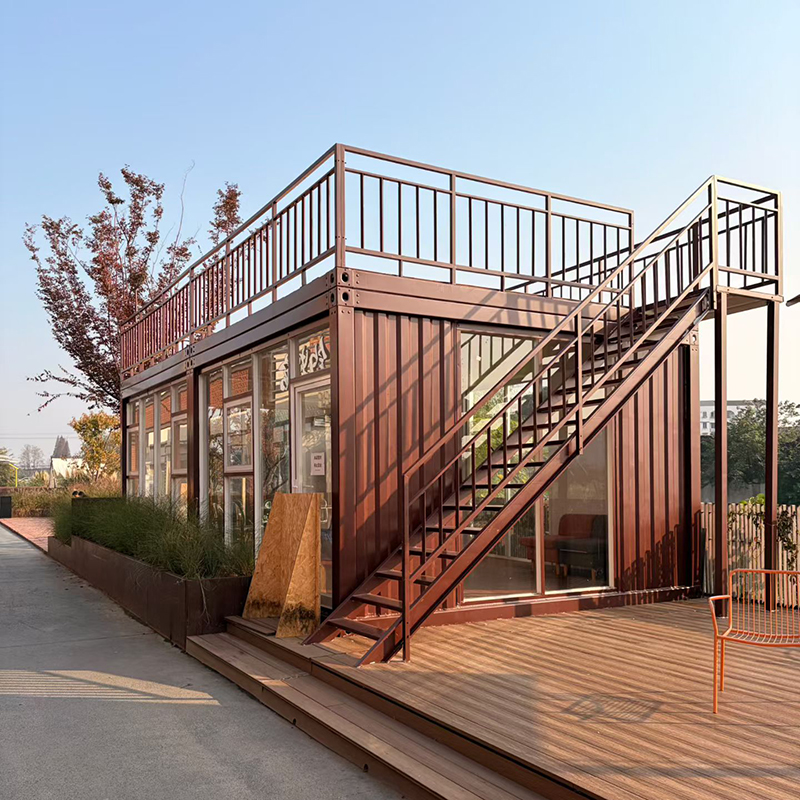
While the primary use of a Foldable Container House is for sleeping quarters, its versatility allows for much deeper application in disaster-stricken zones:
The ability to fold these units back down and transport them to the next location makes them a highly cost-effective and environmentally friendly solution for global relief agencies.
Adopt recycled materials and a four - dimensional carbon reduction model. Adapt to photovoltaic roofs and energy - saving enclosures to reduce long - term energy consumption. Environment - friendly, generating no construction waste.
Pass authoritative certifications such as ISO. Resistant to wind, earthquake, fire, and corrosion. Long - term cooperation with large enterprises such as China Railway and China Construction.
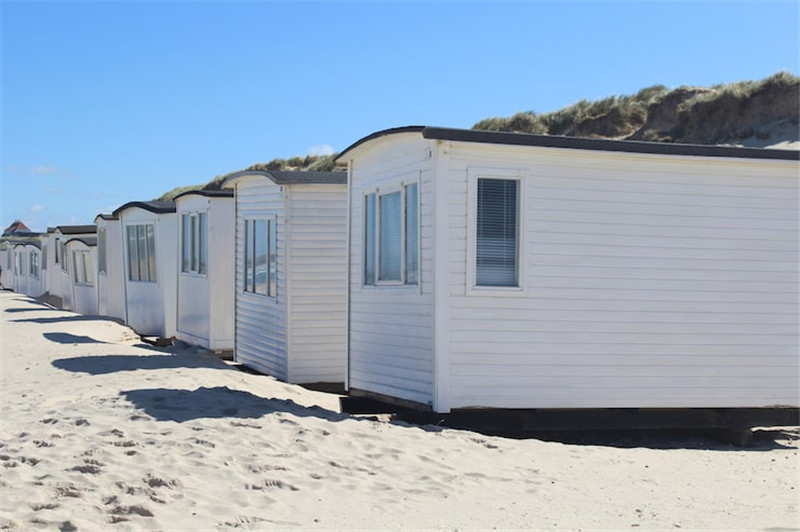
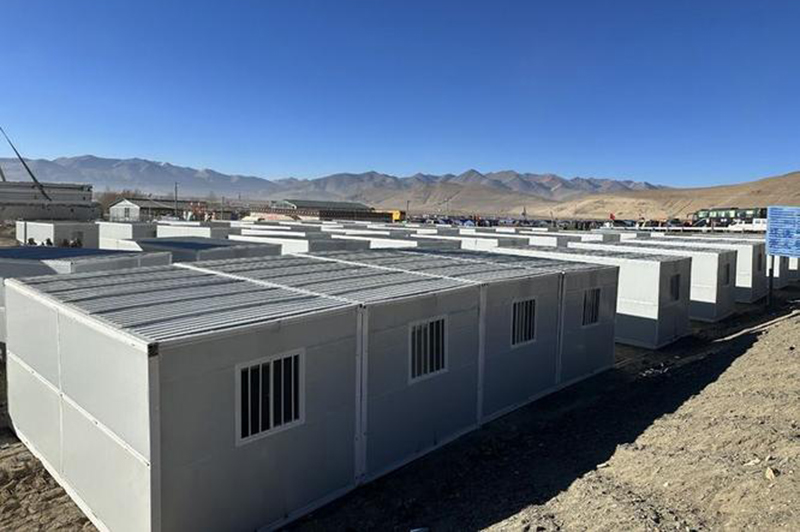
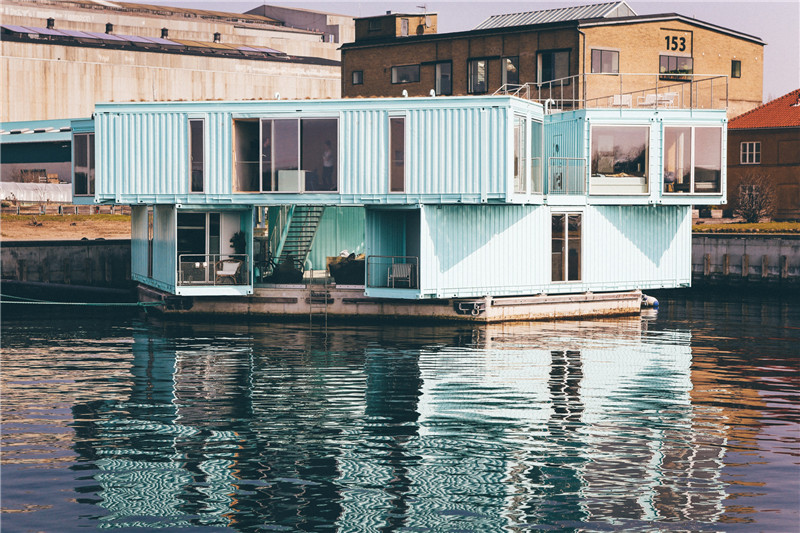
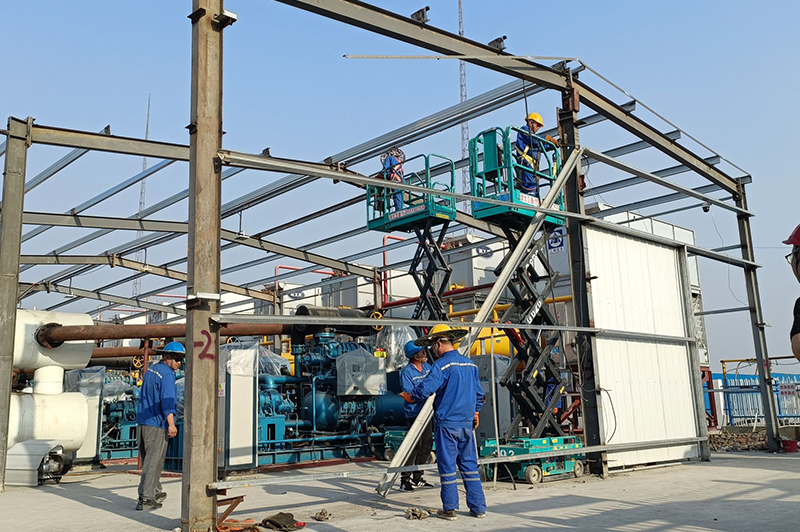
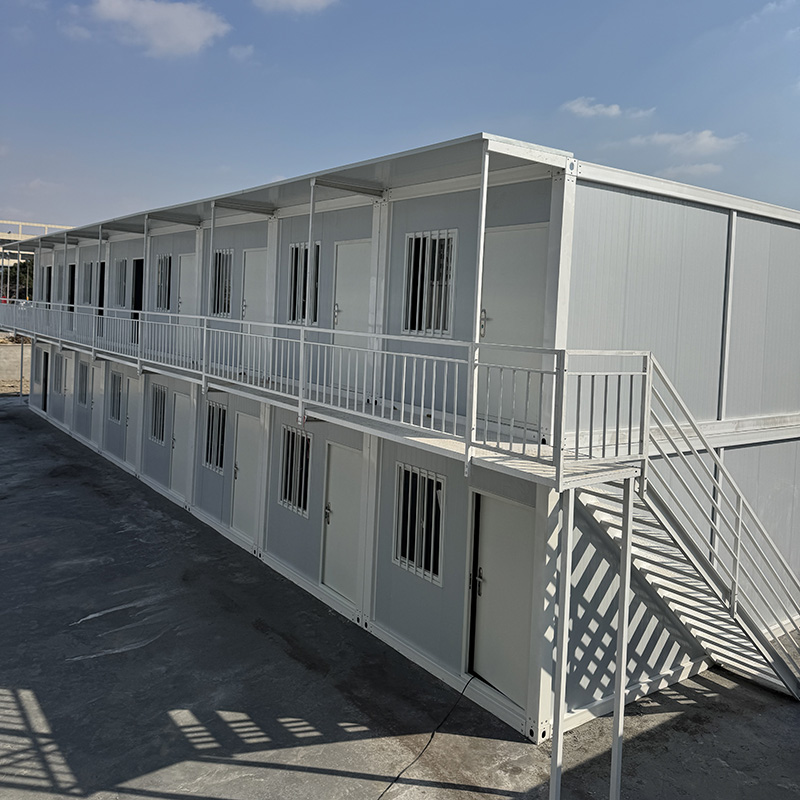
The role of Foldable Container House For Emergency Shelters And Disaster Relief Housing extends beyond just physical protection. It represents a shift towards a more resilient, prepared, and technologically advanced global society. By reducing the time between a disaster and the provision of high-quality shelter, we save lives and provide dignity to those in their most vulnerable moments.
As an industry leader, STC continues to innovate in the modular space, ensuring that every foldable unit we produce meets the highest standards of safety, sustainability, and efficiency. Whether it's a single unit for a rural warehouse or a thousand-unit camp for disaster resettlement, our technology is built to serve humanity's most urgent needs.