The Evolution of Construction Site Infrastructure: Why Expansion Containers Lead the Market
The modern construction site is no longer just a place of raw physical labor; it is a highly coordinated hub of engineering, technology, and project management. As project timelines compress and safety regulations tighten globally, the demand for high-quality, rapidly deployable temporary spaces has surged. Traditional prefab shacks and standard shipping containers are no longer sufficient to meet modern standards. Enter the expansion container—a revolutionary advancement in modular architecture designed specifically for construction site offices and worker dormitories.
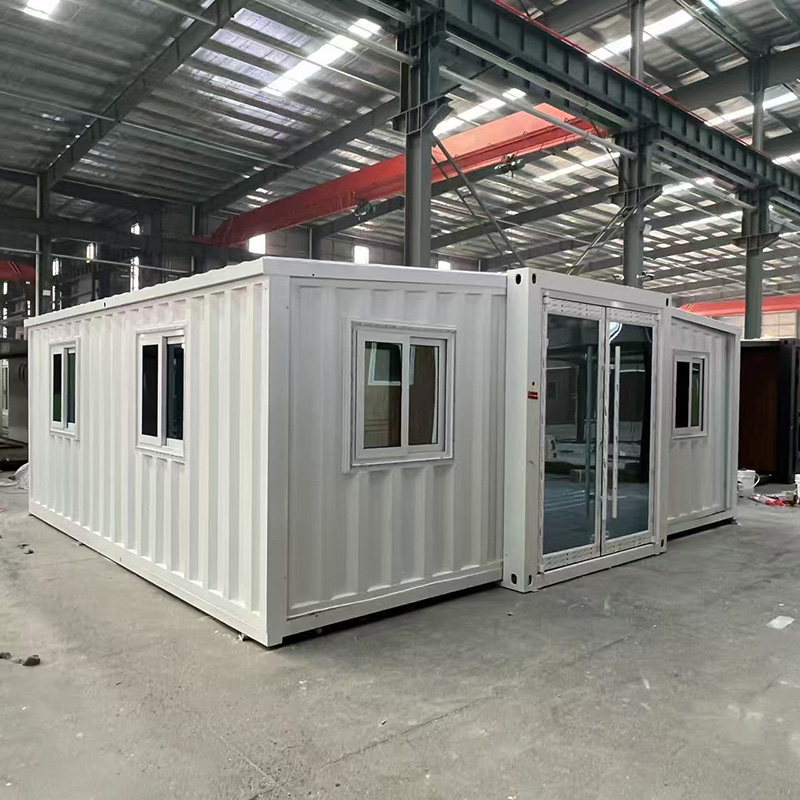
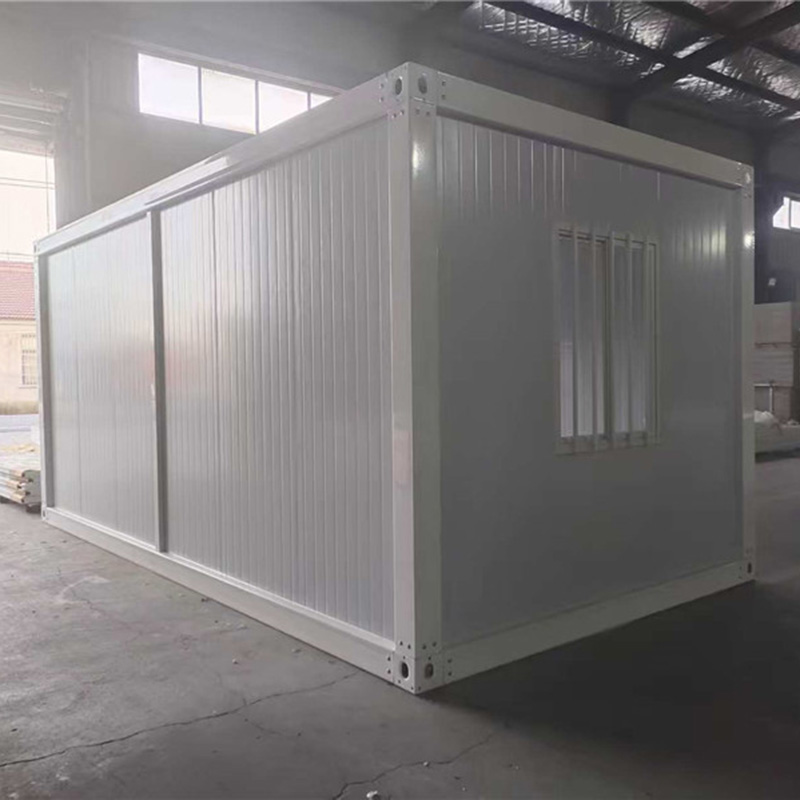
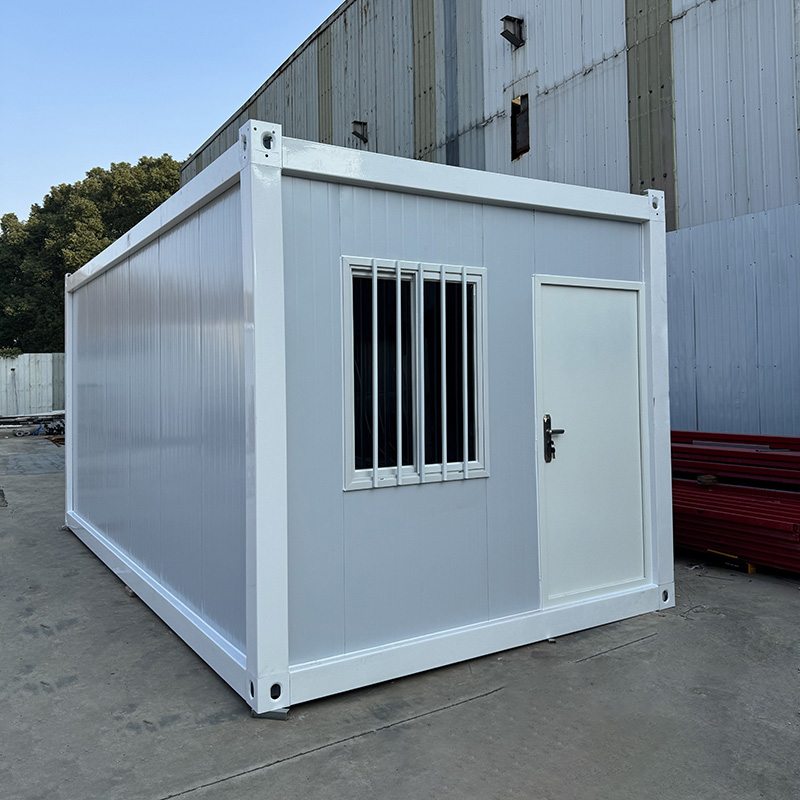
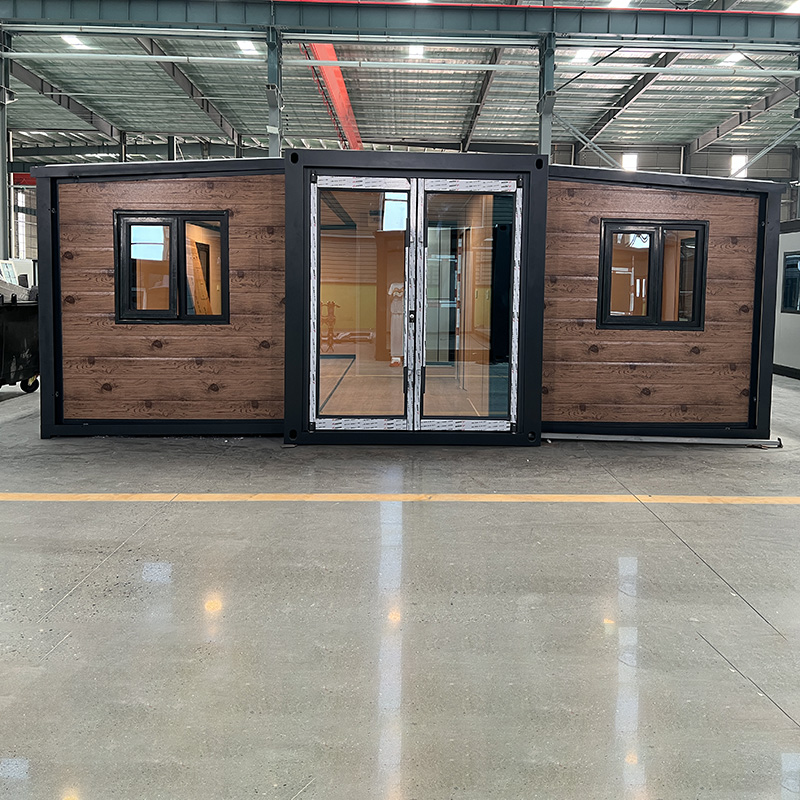
An expansion container utilizes advanced folding mechanisms, telescoping frames, and high-performance hinges to transport compactly and expand on-site to up to three times its shipping volume. This technology dramatically reduces logistics costs while maximizing the usable footprint. In an industry where time is money, the ability to transition from a flat-packed shipping unit to a fully functional, insulated, and wired office space in under an hour is a game-changer.
Commercial & Industrial Landscape: The Rise of Smart Modular Accommodation
Globally, the modular construction market is experiencing unprecedented growth, with projections indicating it will reach hundreds of billions of dollars over the coming decade. A significant driver of this growth is the infrastructure boom in remote areas—such as clean energy installations, high-speed rail links, and mining operations. These projects require robust site offices and comfortable worker dormitories that can withstand harsh environmental conditions while maintaining low operational costs.
Commercially, developers and contractors are analyzing the lifecycle cost of temporary structures. Traditional drywall-and-timber temporary offices are demolished at the end of a project, creating immense material waste and recurring write-offs. Expansion containers, however, are treated as capital assets. They can be folded down, loaded onto standard flatbed trucks, and transported to the next job site, offering a return on investment (ROI) that pays off within two to three project cycles.
Deep-Dive Application Scenarios
1. High-Density, Dignified Worker Dormitories
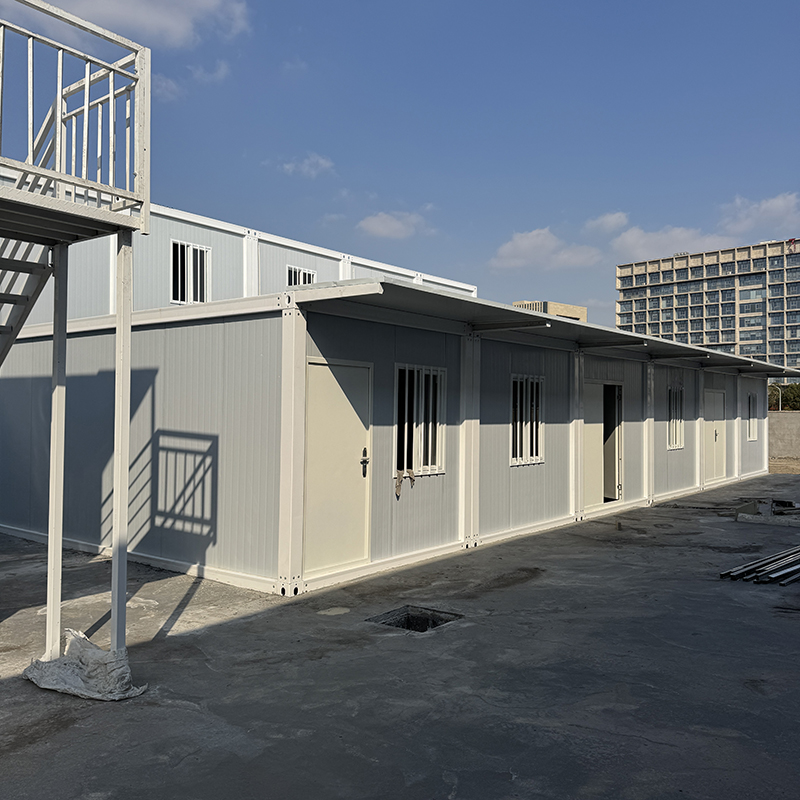
Worker well-being is directly linked to productivity and site safety. Modern worker dormitories require effective climate control, noise reduction, and privacy. An STC expansion container can be configured to house multiple rooms, complete with integrated bunk beds, personal lockers, and dedicated electrical outlets. By utilizing premium rock wool or polyurethane sandwich panels, these dormitories maintain internal temperatures even in extreme climates—from the searing heat of desert project sites to the sub-zero temperatures of high-altitude mining regions.
2. Multi-Functional Command Centers and Site Offices
Effective site management requires collaborative spaces. Expansion containers can be joined or expanded to create large, open-plan meeting rooms, executive offices, and drafting areas. These units are pre-wired for high-speed internet, smart displays, and local area networks (LAN), allowing project managers to coordinate with off-site stakeholders seamlessly. With dedicated entryways and protective canopies, they serve as the professional face of the construction project.
3. Integrated Sanitary & Welfare Facilities
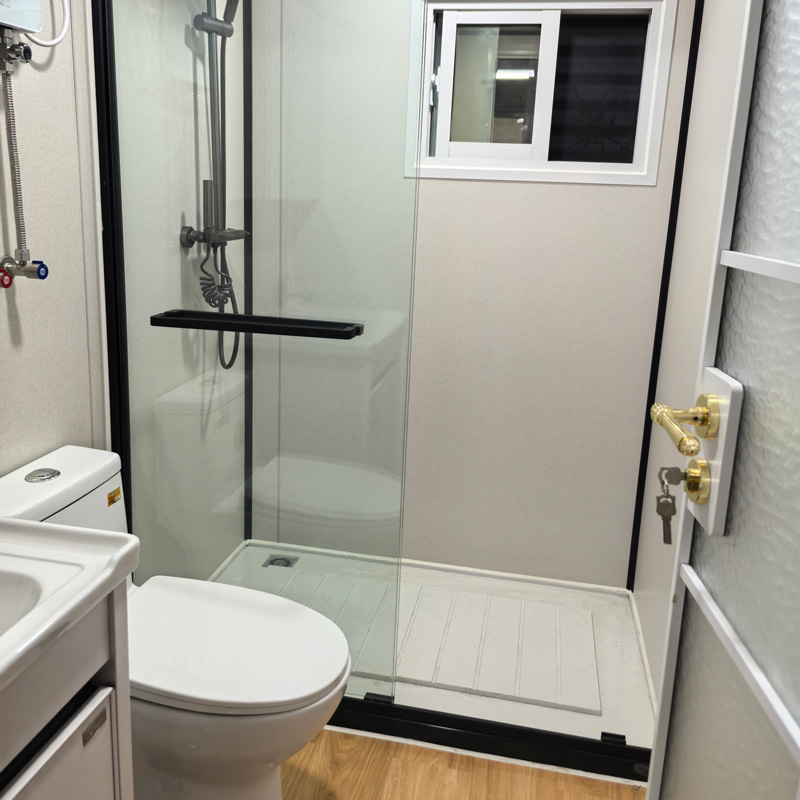
Hygiene is paramount on large-scale construction sites. Expansion containers can be customized with heavy-duty plumbing, anti-slip flooring, and moisture-resistant wall panels to function as site locker rooms, shower blocks, and toilet facilities. By integrating efficient gray-water and black-water drainage systems, these units comply with local environmental protection agency standards, preventing site contamination.
Technological Innovation: Safety, Efficiency, and Sustainability
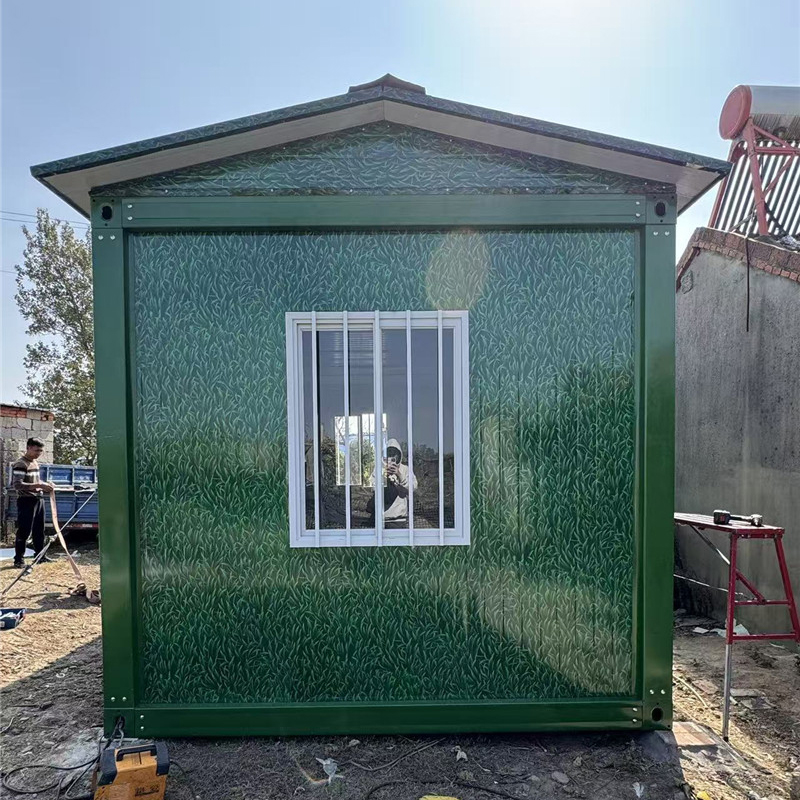
What sets high-quality expansion containers apart is their engineering. Built with galvanized steel frames and coated with anti-corrosion marine-grade paint, they resist rust and structural fatigue. The expansion joints are fitted with double-layered EPDM rubber seals to ensure complete windproofing and water-tightness. Furthermore, the structural design allows for vertical stacking, enabling multi-story site complexes that optimize limited urban construction footprints.