Leave Your Message
As the Democratic Republic of Congo (Kinshasa) undergoes rapid urban expansion and industrial growth, particularly in resource-rich provinces like Lualaba and Katanga, the demand for fast, durable, and cost-effective housing has never been higher. Expandable container houses represent the frontier of modular engineering, offering immediate relief to housing deficits and operational challenges across the country.
Congo (Kinshasa) is experiencing a historic surge in mining, infrastructure development, and logistical expansion. Cities like Kolwezi, Lubumbashi, and the capital Kinshasa are hubs of intense commercial activity. However, traditional brick-and-mortar construction remains slow, expensive, and heavily reliant on complex supply chains for raw materials such as cement and structural steel, which are often imported at high costs.
Furthermore, remote project sites in the deep interior of the Congo River basin face severe logistical bottlenecks. Transporting traditional building materials over unpaved roads during the long rainy seasons presents an immense challenge. This makes prefabricated, flat-packed, and expandable container houses the ideal alternative for businesses looking to establish operations rapidly and securely.
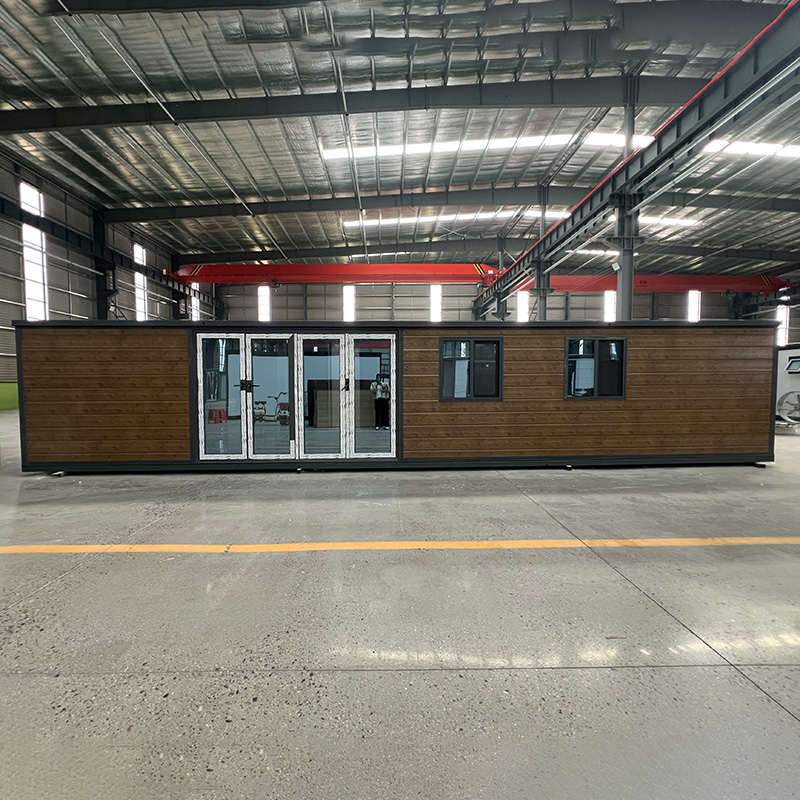
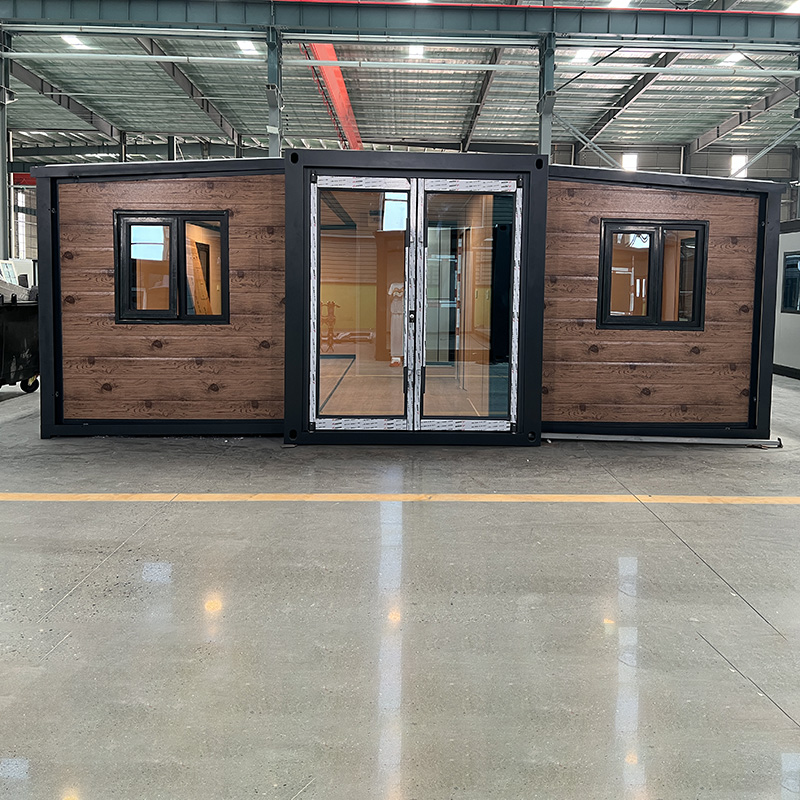
Unlike standard shipping containers, expandable container houses can be compressed for transport and expanded on-site to up to three times their folded size. This logistical efficiency means a single flatbed truck can transport multiple housing units deep into the mining belts or rural agricultural zones, saving thousands of dollars in freight costs.
Additionally, their steel frame structure offers superior resistance to the tropical climate, heavy rainfall, and seismic shifts common in parts of the East African Rift Valley bordering the eastern DRC.
Engineered for durability and rapid deployment, our top container systems are tailored to withstand tropical environments while providing maximum comfort.
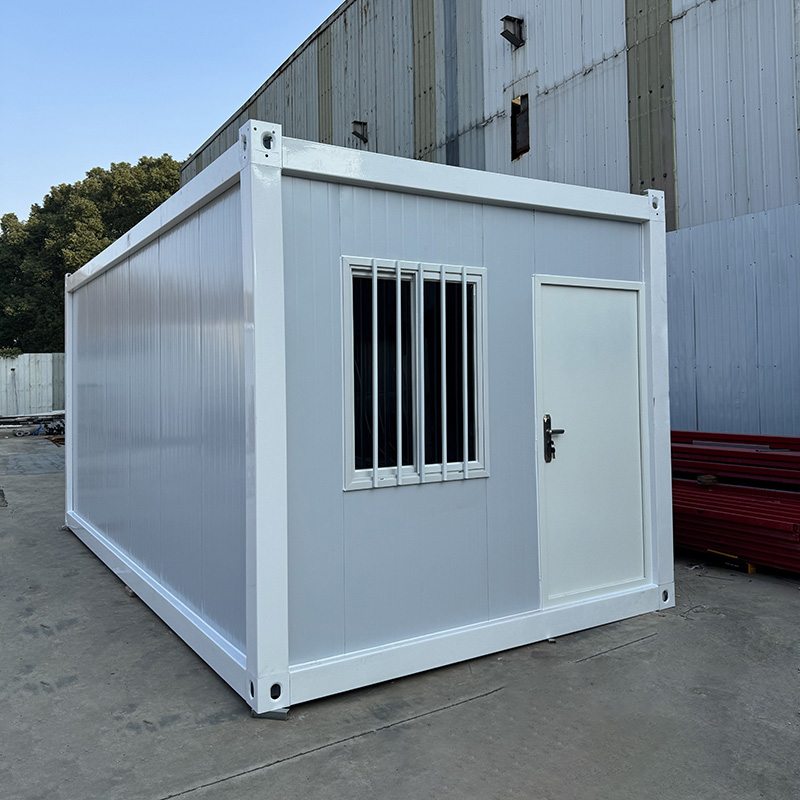
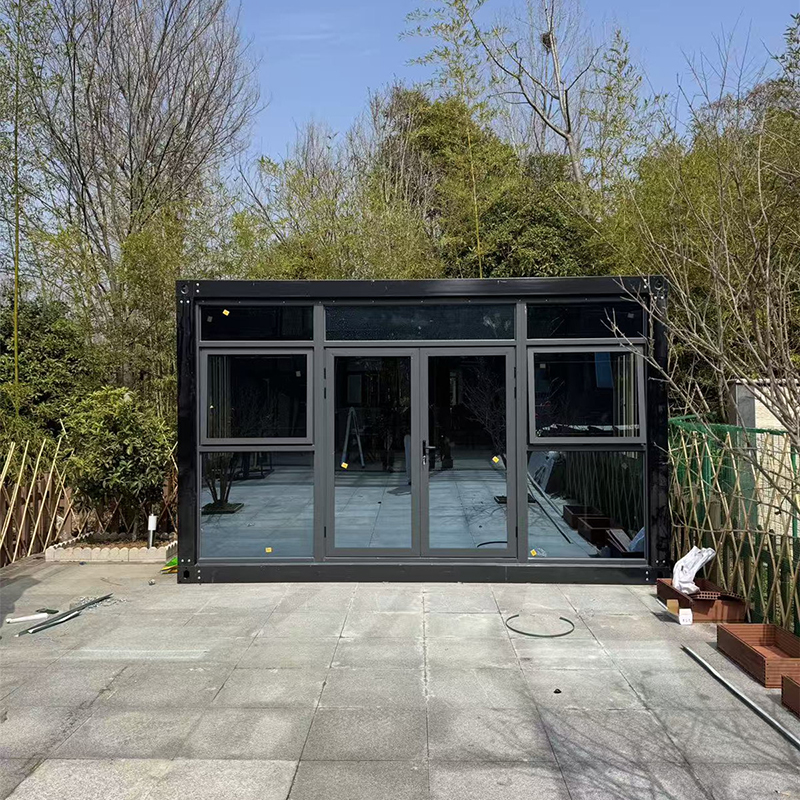
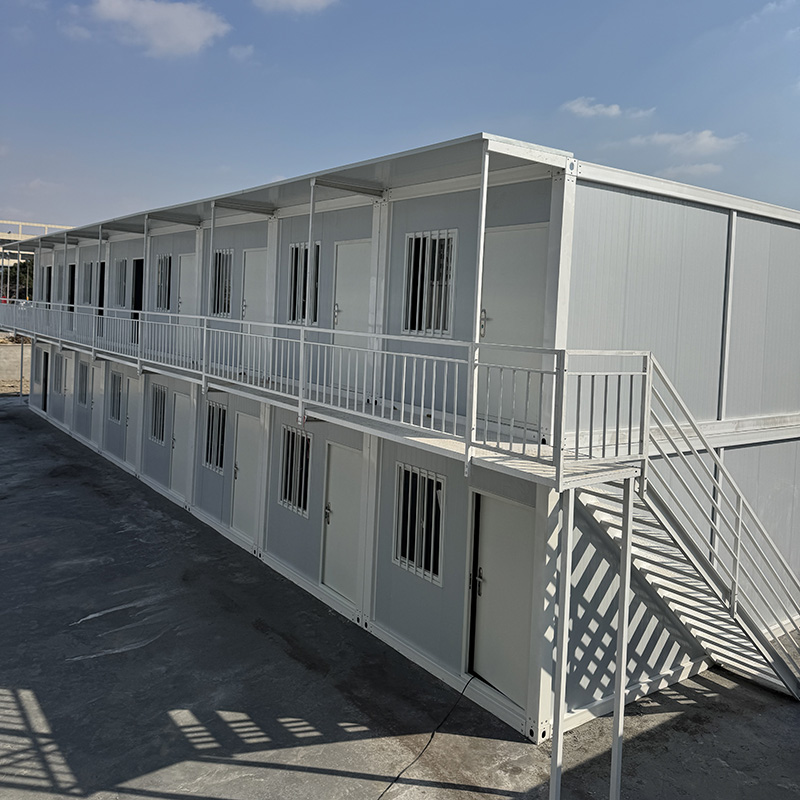
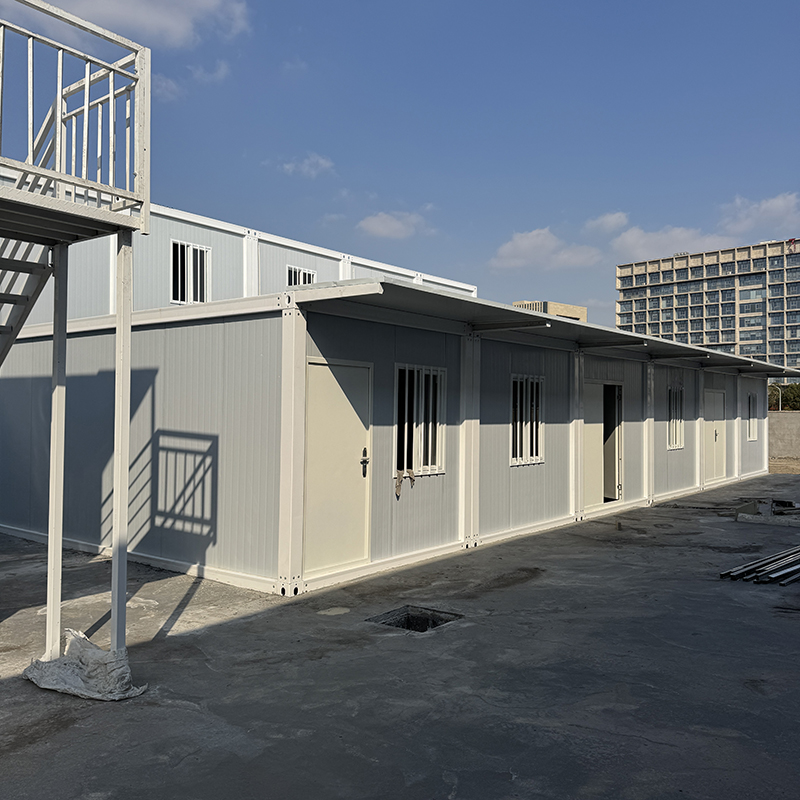
We tailor every aspect of our expandable container houses to meet the unique regulatory, climatic, and logistical demands of Congo (Kinshasa).

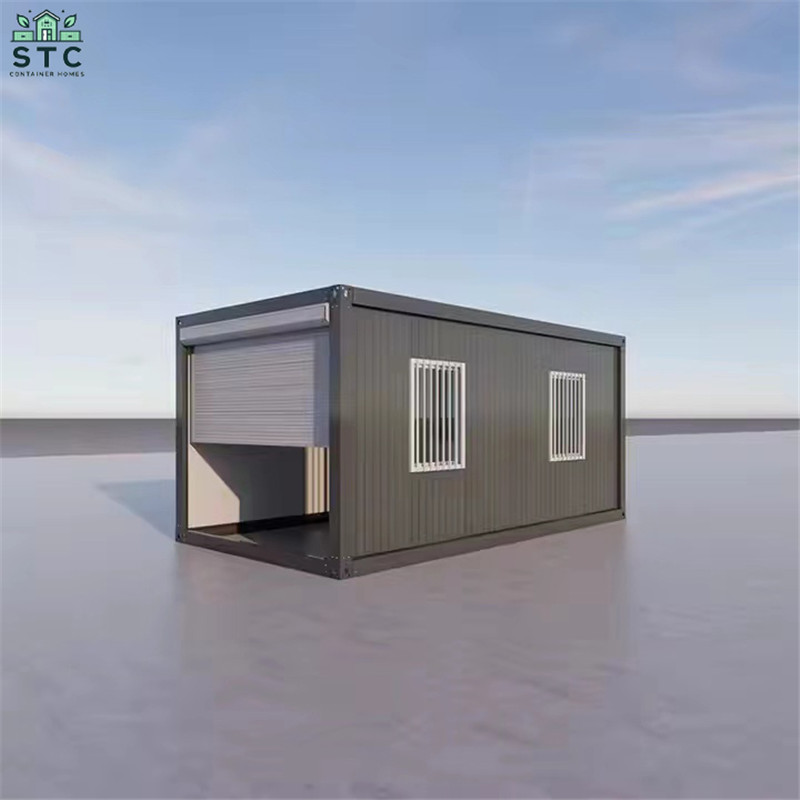
Support standard/non-standard sizes, adjust length, width and height as required to adapt to scenarios such as construction sites, homestays, sentry posts, and warehouses in Kinshasa.

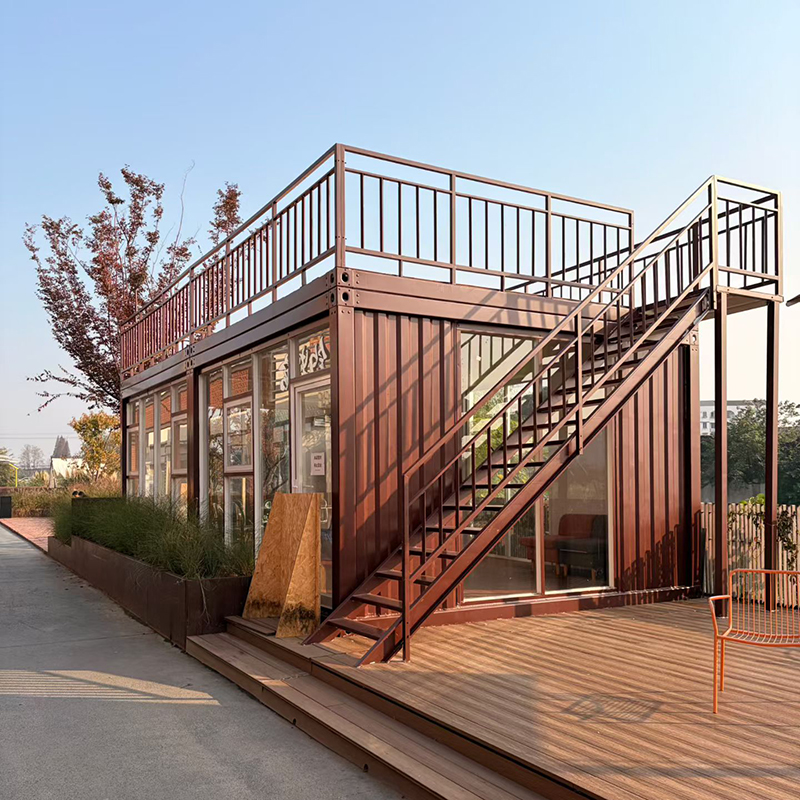
Can be spliced into single-layer or multi-layer, and flexibly arrange partitions, doors, windows, stairs, and corridors to fit complex terrains.

Comprehensive coverage of water and electricity, bathroom facilities, heat preservation, sound insulation, fire prevention, photovoltaic, and intelligent devices for off-grid operations.

Design colors, LOGOs, curtain walls, and shapes as required to meet the needs of brand display and cultural tourism aesthetics in Central Africa.
From bustling urban marketplaces to isolated mining concessions, modular container architecture is solving critical infrastructure gaps.
The southern copper belt of the DRC requires massive workforce housing solutions that can be erected in days. Our double-layer and expandable accommodation containers provide mining engineers and laborers with air-conditioned, fireproof, and highly secure quarters. Built-in thermal insulation protects workers from the intense equatorial daytime heat and cold desert nights.
International humanitarian organizations operating in the eastern Kivu provinces or responding to health crises need instant command centers and clinics. Expandable containers can be shipped via cargo planes or barges along the Congo River, unfolding on-site to provide sterile, insulated medical clinics and operational offices complete with integrated plumbing and electrical wiring.
In Kinshasa, the retail and service sectors are booming. Entrepreneurs are leveraging glass curtain wall container units to build modern, aesthetic cafes, mobile network retail outlets, and temporary offices. These structures bypass the long permitting processes of permanent concrete buildings and can be easily relocated if business dynamics change.
For agricultural development projects in provinces like Kongo Central, containerized warehouses and staff quarters offer protection against pests, moisture, and theft. Integrating solar PV panels on the container roofs ensures continuous power supply, bypassing the unstable local electrical grid.
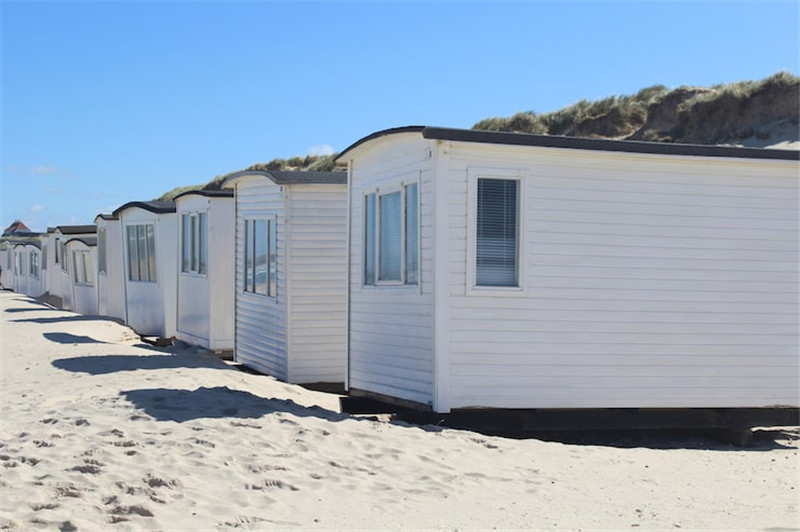
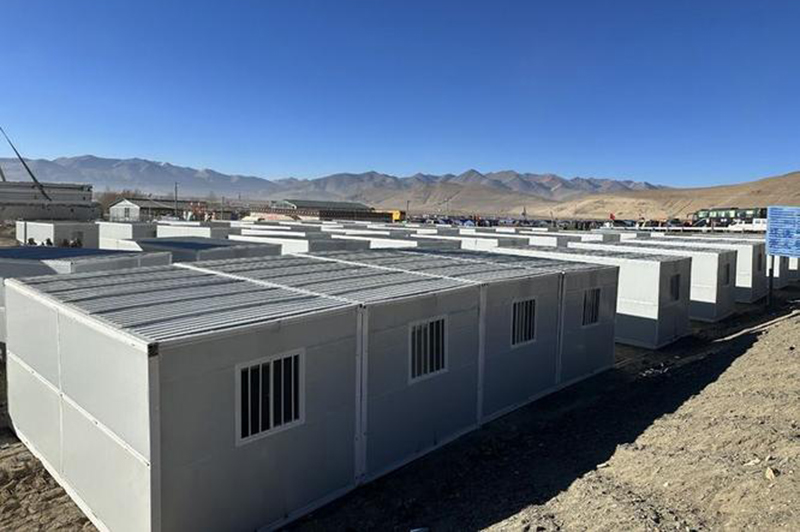
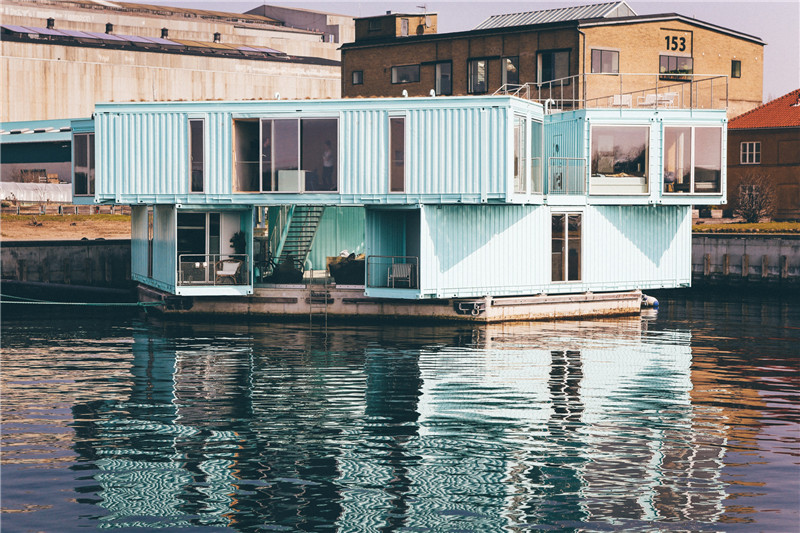
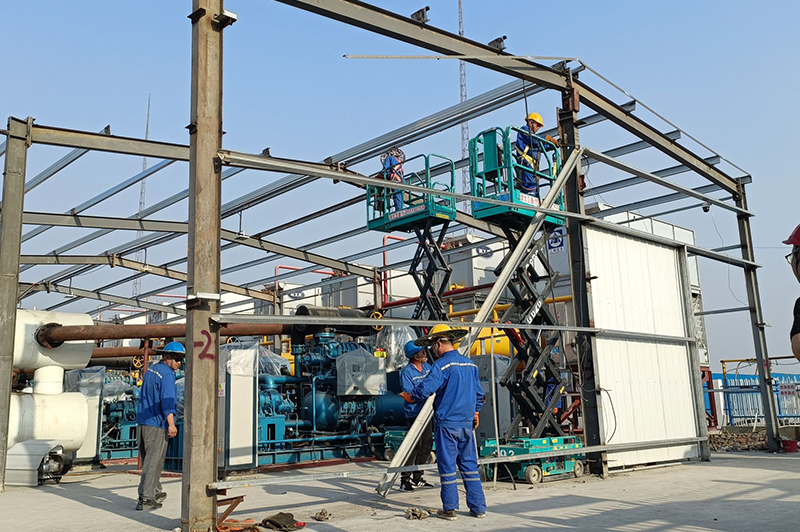
Streamlined logistics and rapid assembly protocols ensure your projects in the Democratic Republic of Congo remain on schedule, no matter how remote the location.

Prefabricated in the factory and quickly installed on-site. A 2-person team can complete one set in 4-6 hours. Leading enterprises can achieve one room in 2 hours.

Ship in parts and transport by full-vehicle. It can enter mountainous areas/narrow roads without damaging the site, ideal for Congo's complex terrain.

Provide multiple modes such as on-site installation, remote guidance, and turn-key delivery to ensure seamless setup in remote DRC regions.
Combining eco-friendly manufacturing with rigorous quality control to deliver structures that stand the test of time under harsh equatorial conditions.
The construction sector in Central Africa is undergoing a massive paradigm shift. Governments and private developers are increasingly looking away from traditional, slow-paced construction methodologies toward high-tech, modular alternatives. This shift is driven by three main factors: cost predictability, environmental sustainability, and speed of execution.
With electricity grids in the DRC still developing, the integration of solar power systems directly onto container roofs is a massive trend. Expandable container houses are uniquely suited for this, as their structural steel frames can support heavy solar arrays and battery banks. This turns the home or office into a self-sustaining unit, vital for remote mining concessions and rural clinics.
The DRC’s tropical climate demands materials that resist high humidity, rust, and insect infestations (especially termites). Modern container manufacturers utilize galvanized light-gauge steel frames coated with marine-grade anti-corrosive paint, alongside rockwool or polyurethane sandwich panels for superior thermal insulation. This ensures that the interior remains cool without putting excessive load on air conditioning systems.
Rather than isolated units, developers are now planning entire modular communities. Splicing multiple expandable containers allows for the creation of multi-story schools, complex administrative offices, and expansive medical clinics. The flexibility to disassemble and relocate these communities makes them a highly liquid asset for businesses operating on lease-based land or temporary concessions.
When selecting an expandable container house factory, DRC businesses must look for manufacturers with proven international logistics experience. Shipping to ports like Matadi or via Dar es Salaam/Mombasa corridors requires precise packaging to avoid damage. Our factories ensure that all components are securely packed, rust-protected, and accompanied by detailed, easy-to-follow multilingual installation guides (including French and English) to facilitate smooth local assembly.
Explore our full range of customizable container units designed for residential, commercial, and industrial applications in Congo (Kinshasa).