Leave Your Message
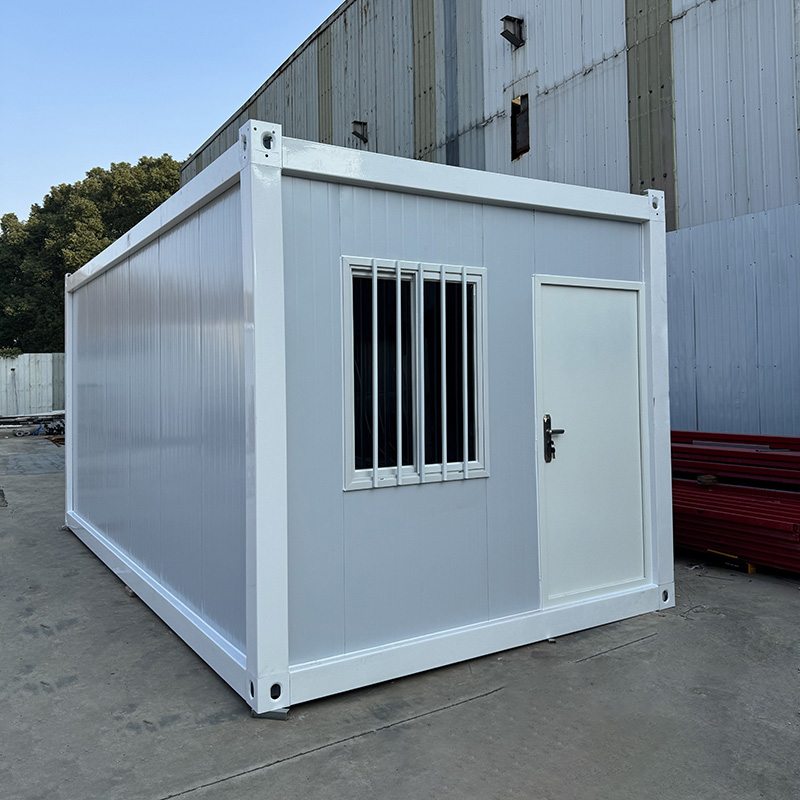
Explore our primary structural modules engineered specifically to support long-term temporary housing, emergency command, and community resettlement projects.
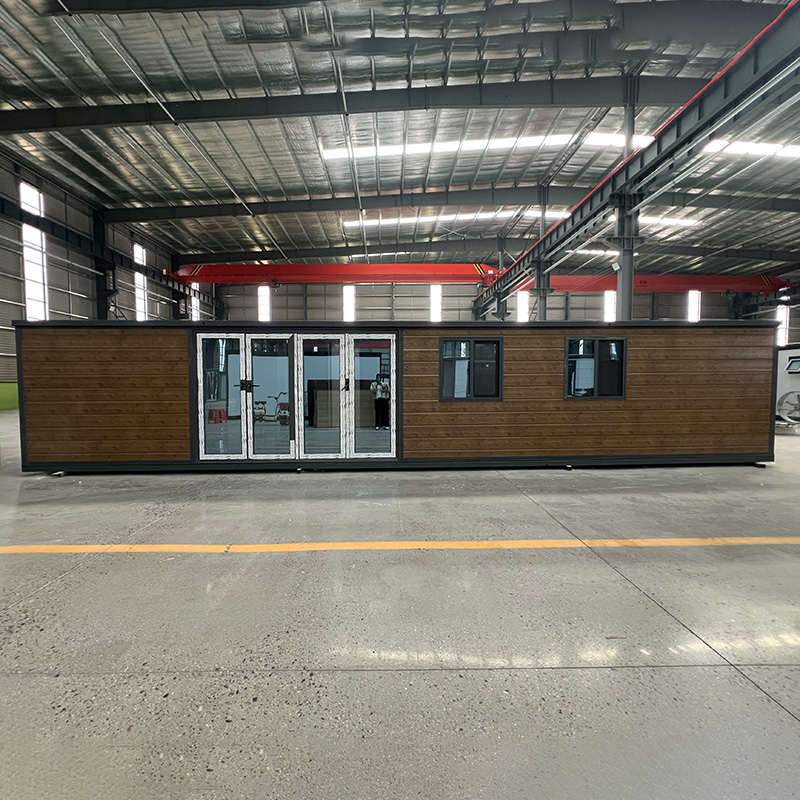
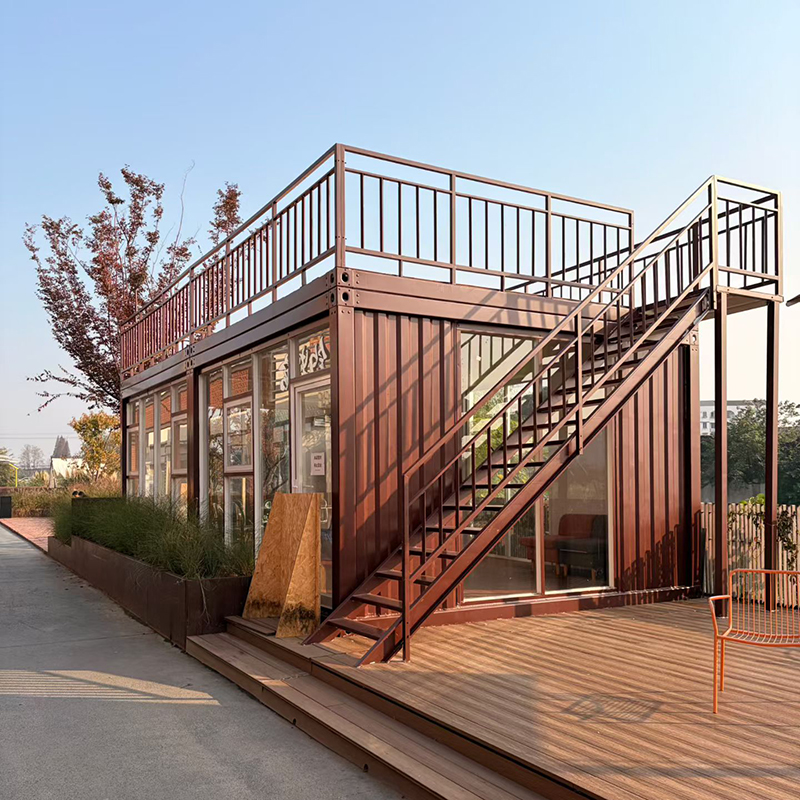
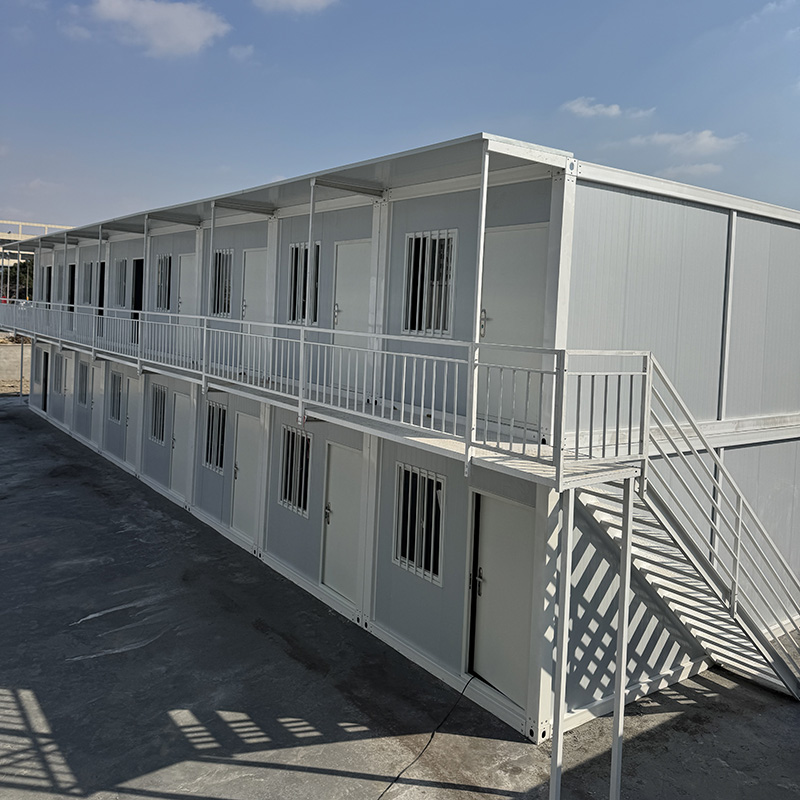
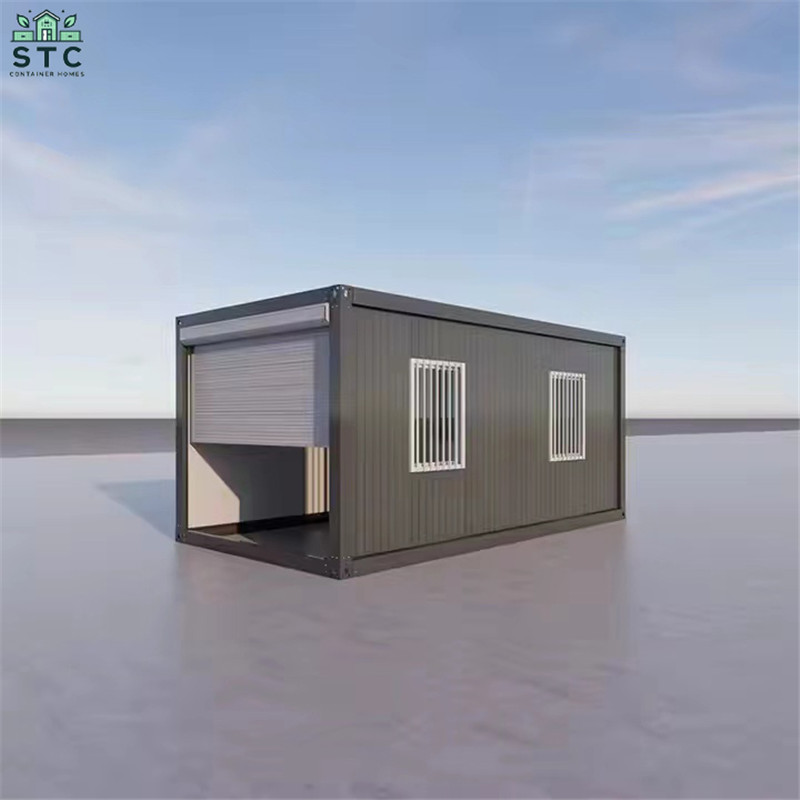
In an era defined by rapid urbanization, unpredictable climate shifts, and geopolitical migrations, the demand for fast, durable, and dignified housing solutions has never been more urgent. Traditional emergency response systems historically relied on soft-walled tents or rudimentary transitional shelters. However, today's industrial and humanitarian landscapes demand structural integrity, thermal safety, and long-term viability. This is where Expandable Container Homes (ECH) emerge as the ultimate architectural and logistical solution for long-term temporary housing and resettlement projects.
From a commercial perspective, modular container houses represent a massive shift in capital expenditure optimization. Traditional brick-and-mortar construction requires extensive site preparation, heavy machinery, localized labor forces, and long development cycles. In contrast, factory-prefabricated expandable container homes streamline the entire supply chain. By centralizing manufacturing, quality control is strictly managed under ISO certifications, ensuring that every unit complies with international structural, thermal, and electrical standards.
Industrially, these homes are designed with high-grade galvanized steel frames and insulated sandwich panels (such as polyurethane or rock wool). The "expandable" mechanism allows a single standard shipping profile to fold out into a structure three times its transit width. This technological innovation directly translates to lower transport costs, faster installation windows, and minimal environmental footprints at the final location.
Tailoring modular structures to meet the complex demands of diverse global environments and resettlement communities.
 01
Support standard/non-standard sizes, adjust length, width and height as required to adapt to scenarios such as construction sites, homestays, sentry posts, and warehouses.
 02
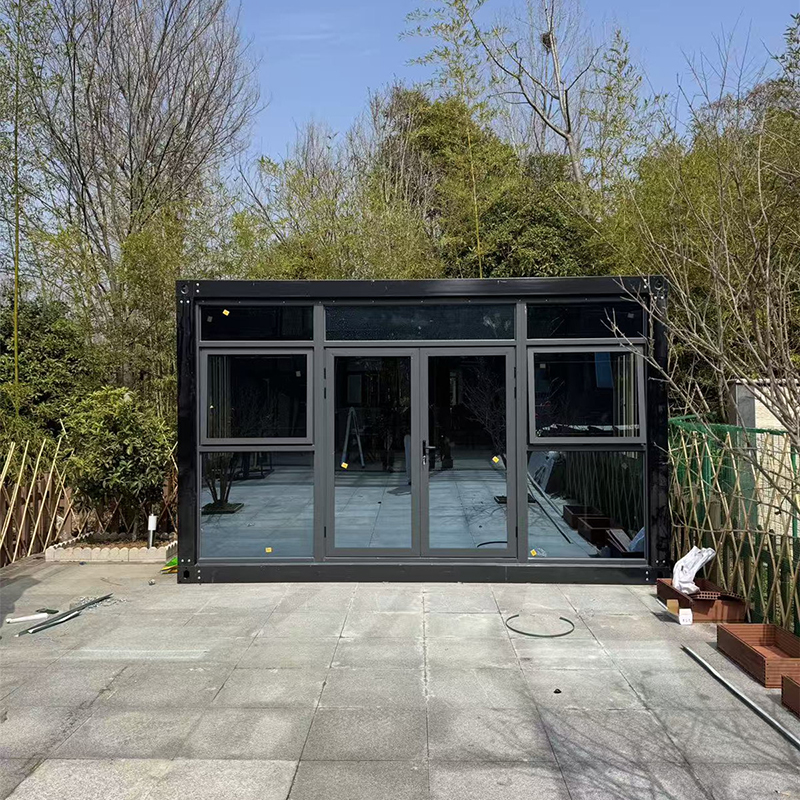
Can be spliced into single-layer or multi-layer, and flexibly arrange partitions, doors, windows, stairs, and corridors.
 03
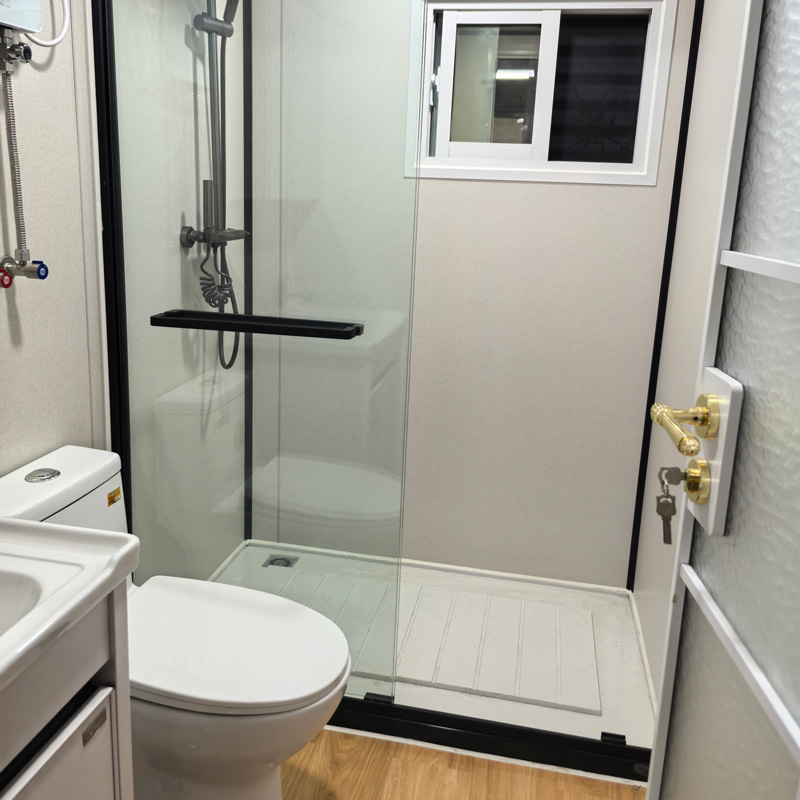
Comprehensive coverage of water and electricity, bathroom facilities, heat preservation, sound insulation, fire prevention, photovoltaic, and intelligent devices.
 04
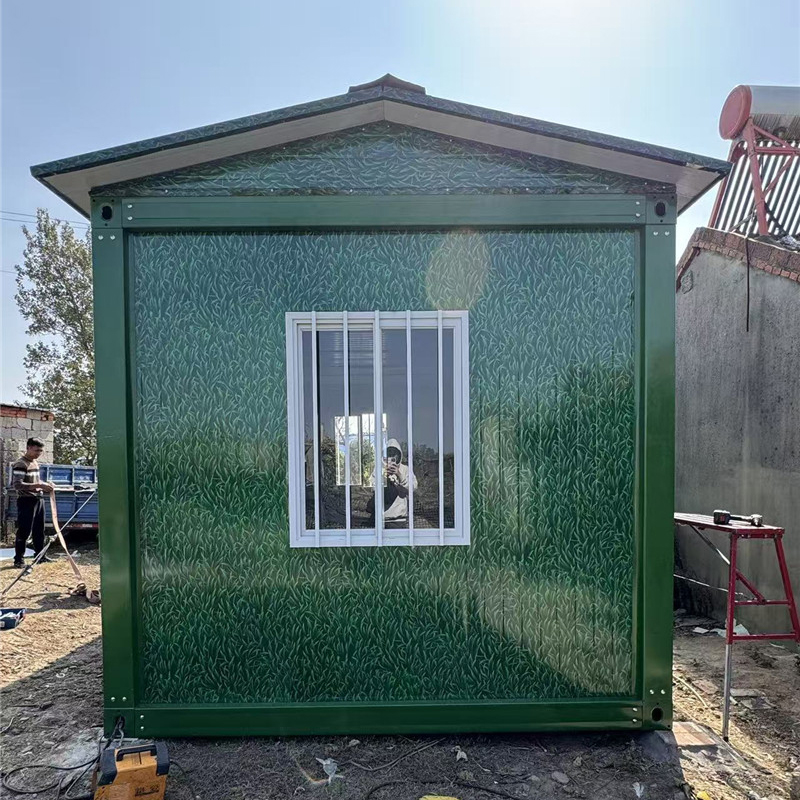
Design colors, LOGOs, curtain walls, and shapes as required to meet the needs of brand display and cultural tourism aesthetics.
The versatility of expandable container homes makes them ideal for various applications where traditional housing cannot be deployed quickly enough or where permanence is constrained by local regulations.
When natural disasters strike, immediate shelter is required. However, the transition from emergency tents to permanent housing often takes years. Expandable container homes act as the perfect middle ground—providing durable, long-term transitional housing that can withstand extreme weather, heavy winds, and seismic activity. Because they can be equipped with integrated bathrooms, kitchens, and plumbing, families can live in dignity for extended periods while permanent infrastructure is rebuilt.
Geopolitical challenges often require the rapid setup of entire communities. Traditional camps often lack basic sanitation and security. By implementing standardized, scalable expandable housing blocks, resettlement agencies can create organized, clean, and secure communities. Multi-layered layouts allow for the integration of administrative hubs, clinics, and schools alongside residential units, creating a fully functioning micro-society in a matter of weeks.
For large-scale construction, mining, or energy projects located in remote regions, housing staff comfortably is vital for operational efficiency. Expandable containers can be configured as high-density dormitories, premium executive suites, and dining halls. Once the project concludes (even if it spans a decade), these units can be folded back down, loaded onto standard flatbeds, and transported to the next project site, offering unmatched capital asset recycling.
Optimized logistics and rapid assembly mechanisms designed to minimize time-to-occupancy.

Prefabricated in the factory and quickly installed on-site. A 2-person team can complete one set in 4-6 hours. Leading enterprises can achieve one room in 2 hours.

Ship in parts and transport by full-vehicle. It can enter mountainous areas/narrow roads without damaging the site.

Provide multiple modes such as on-site installation, remote guidance, and turn-key delivery.
As technology advances, expandable container houses are integrating smart systems to enhance the quality of life for their occupants. The integration of IoT (Internet of Things) devices allows for real-time monitoring of energy consumption, structural integrity, and indoor air quality. This is particularly beneficial in large-scale resettlement projects, where administrators can centrally manage utility distribution and identify maintenance issues before they become critical.
Modern expandable containers utilize advanced composite materials that offer superior insulation properties compared to standard metal containers. Vacuum insulation panels (VIPs) and phase-change materials (PCMs) are being tested to maintain stable indoor temperatures in extreme climates, from sub-zero arctic environments to scorching desert landscapes. This drastically reduces the carbon footprint and operational costs associated with heating and air conditioning, making them truly sustainable for long-term placement.
From temporary industrial operations to critical humanitarian relief, our container homes adapt to any environment.
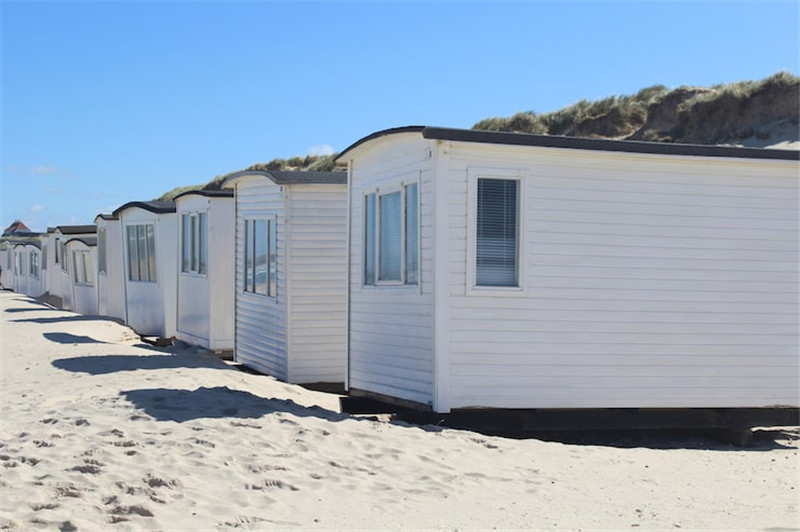
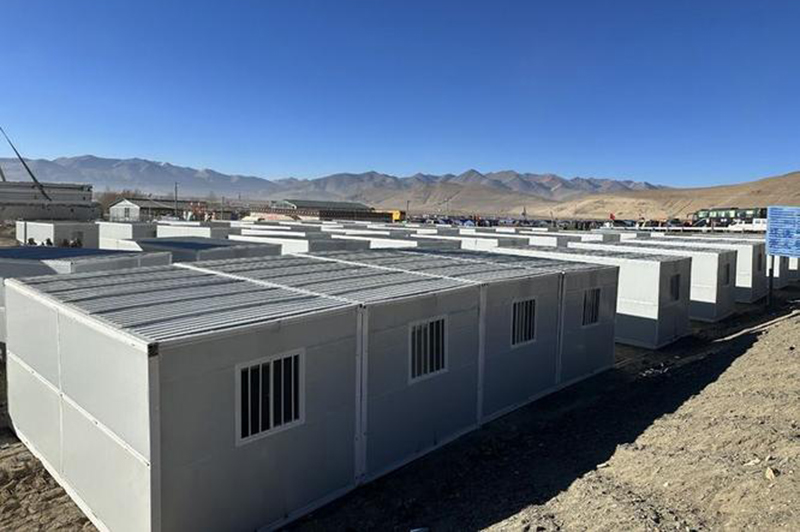
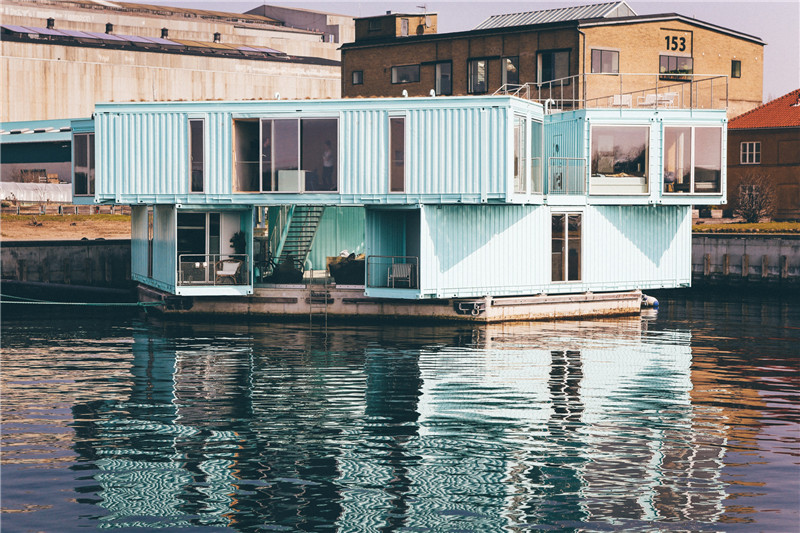
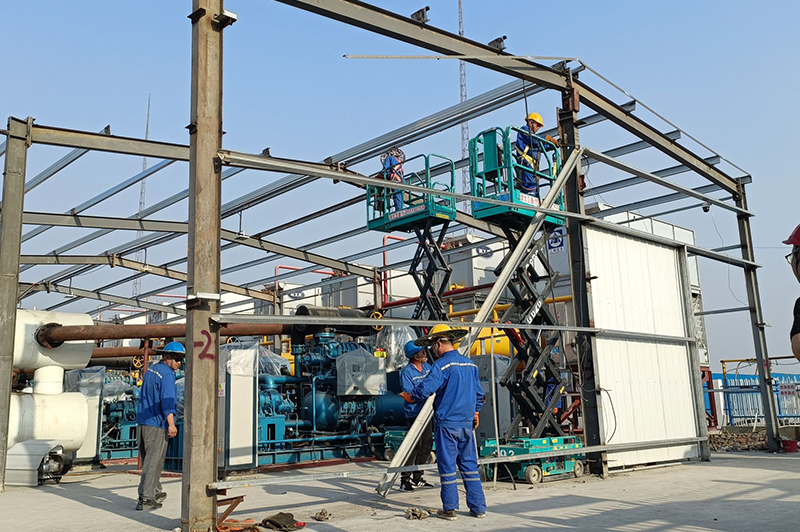
Explore our full catalog of modular systems designed to support long-term transitional housing, municipal infrastructure, and emergency command centers.