Leave Your Message
Explore our key modular configurations optimized for rapid setup, maximum safety, and immediate deployment in disaster-affected areas worldwide.
In an era marked by increasing climate volatility, rapid-onset natural disasters, and complex humanitarian crises, the demand for immediate, resilient, and dignified housing solutions has escalated. Historically, emergency response relied heavily on canvas tents and basic fabric shelters. While these options offer rapid transit, they lack structural integrity, insulation, and long-term viability, leaving vulnerable populations exposed to extreme weather, security risks, and poor sanitation.
Today, the global disaster response landscape is undergoing a paradigm shift toward modular, prefabricated container units. Modern container units for emergency shelters and disaster relief housing represent a critical technological advancement. Engineered to transition seamlessly from flat-packed transit configurations to fully structural living spaces in minutes, these units bridge the gap between immediate survival needs and long-term community rehabilitation.
From a commercial and industrial perspective, governments, non-governmental organizations (NGOs), and international bodies like the United Nations are increasingly allocating budgets toward standardized, reusable modular assets. The focus is no longer just on temporary coverage, but on lifecycle efficiency. Container units manufactured by industry leaders like Shanghai Tangcheng Container Homes Co., Ltd. (STC) are designed to be deployed, utilized for months or years, disassembled, and stockpiled for the next crisis, offering an unmatched return on investment and environmental sustainability.
Modular units are highly versatile. They can be adapted to serve multiple critical functions during a crisis, ensuring that relief camps operate efficiently and safely.
Providing safe, private spaces for families is the primary goal of disaster relief. Folding and expandable container units offer secure lockable doors, insulated walls, integrated electrical wiring, and climate control options, restoring dignity and safety to displaced individuals immediately.
During epidemics or natural disasters, local healthcare infrastructure is often destroyed. Container units can be customized with easy-to-sanitize medical-grade panels, negative pressure ventilation, and partitioned exam rooms to serve as emergency field clinics and diagnostic hubs.
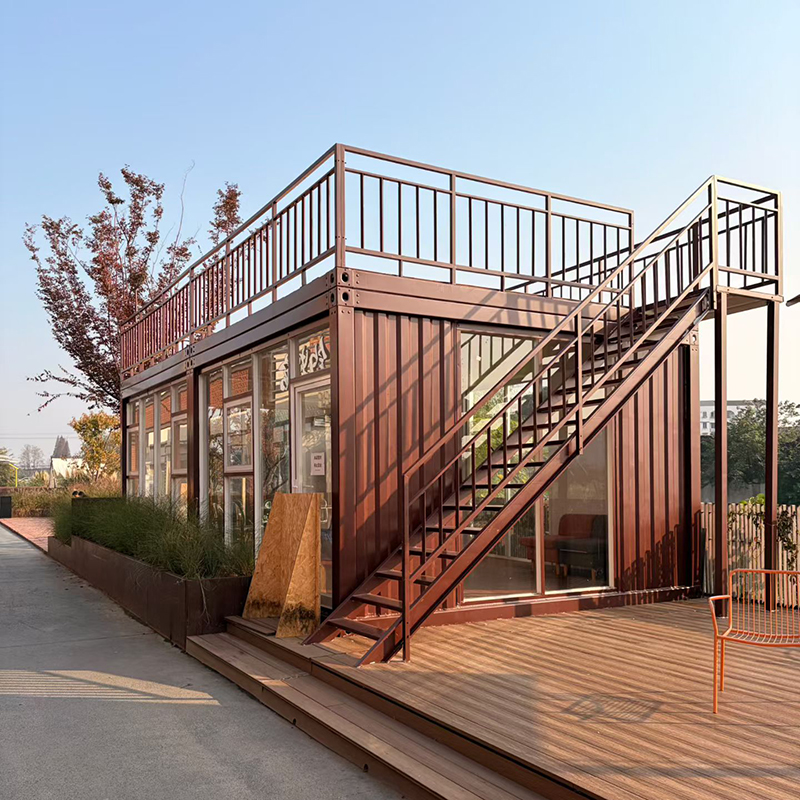
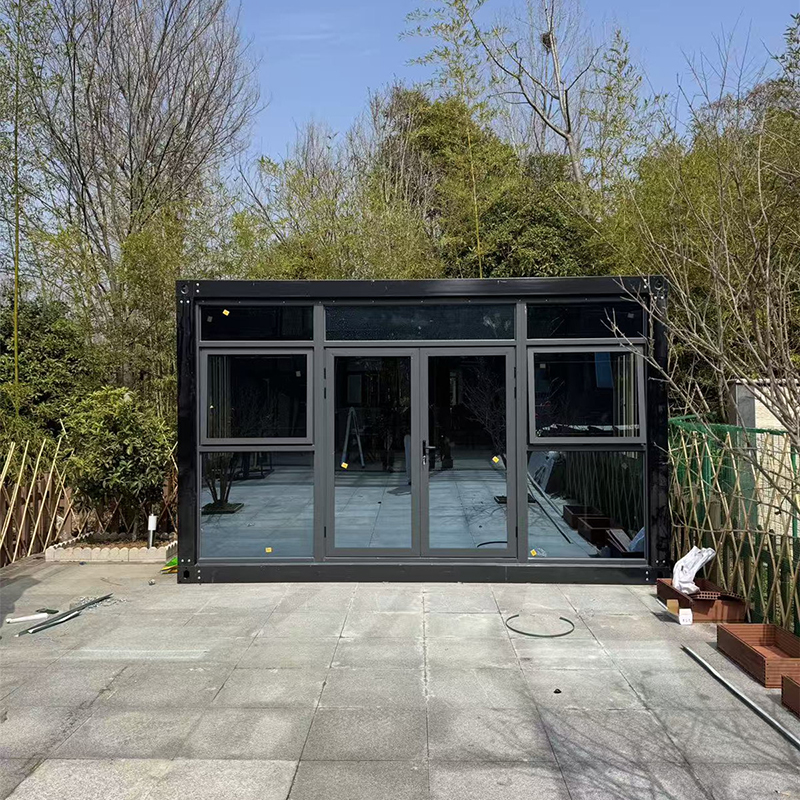
Effective relief operations require on-site coordination. Heavy-duty container units with full glass curtain walls or canopy systems serve as high-visibility command stations, communication hubs, and administrative offices for rescue teams and local authorities.
Shanghai Tangcheng Container Homes Co., Ltd. provides three core container styles engineered specifically to meet diverse logistical and environmental demands.
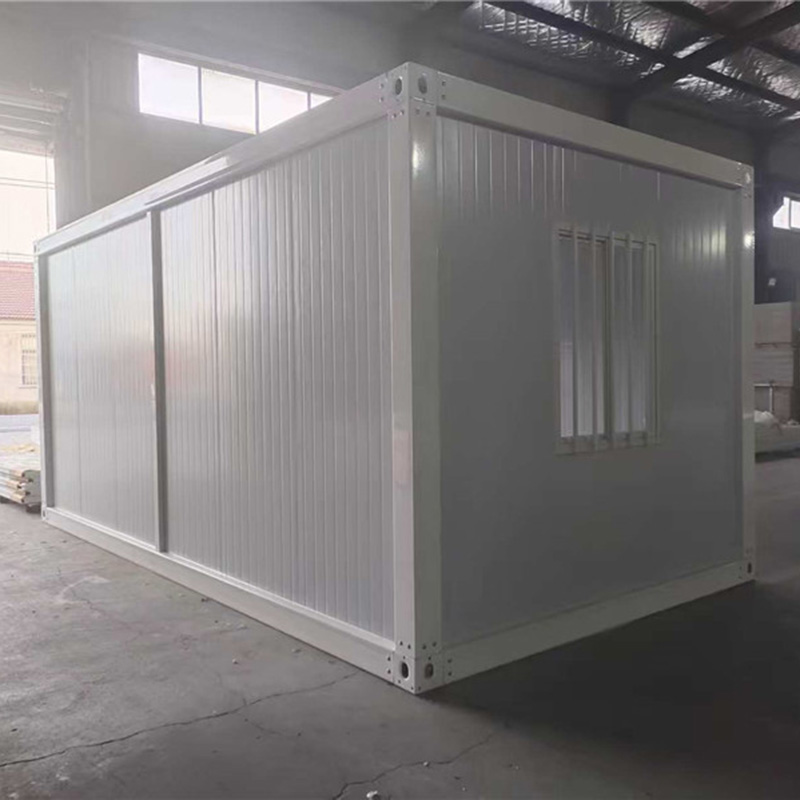
Designed for absolute speed. These units can be folded flat for highly efficient shipping (allowing up to 10-12 units on a single flatbed truck) and erected on-site in under 10 minutes using a light crane. They serve as the immediate first wave of shelter following a crisis.
Core Advantages: Instant deployment, minimal labor requirements, high structural integrity once locked into place, and compact storage footprint when not in use.
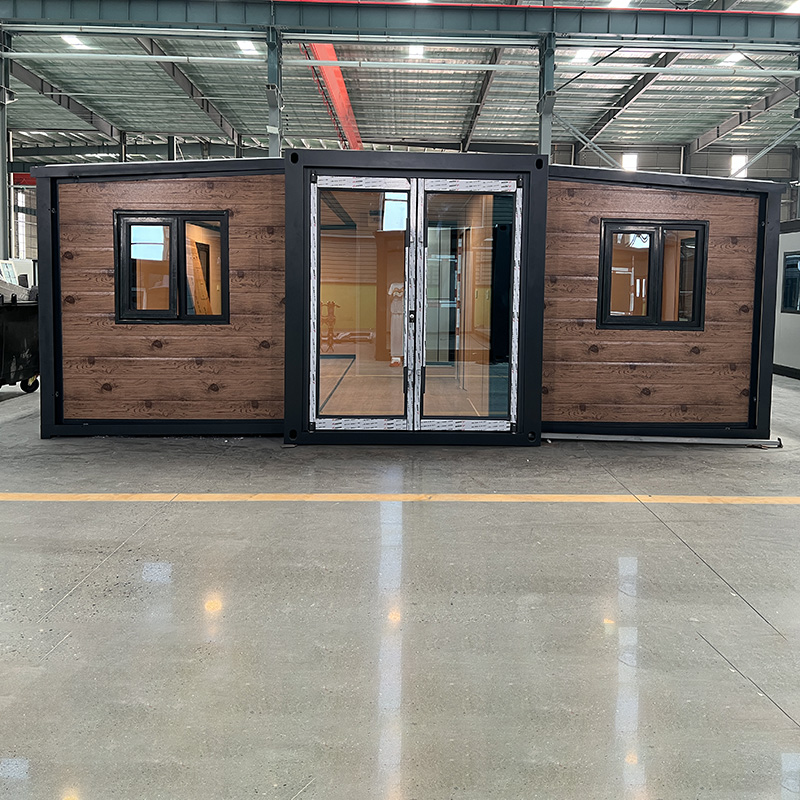
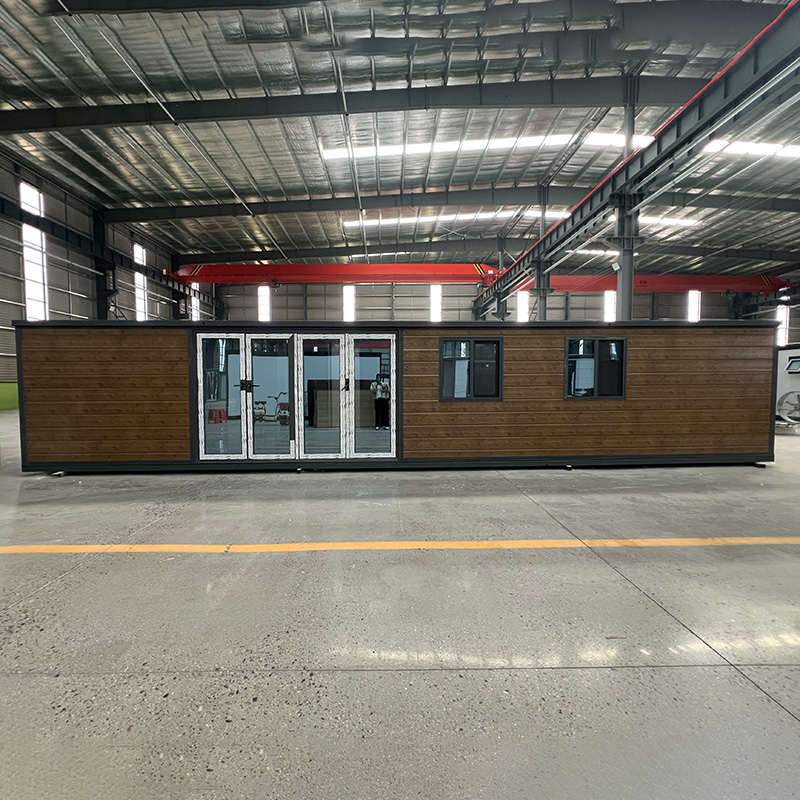
Engineered for maximum space utilization. These units ship at standard container dimensions but expand outwards to up to three times their transit width once positioned. They are ideal for larger families, multi-room medical clinics, and community centers.
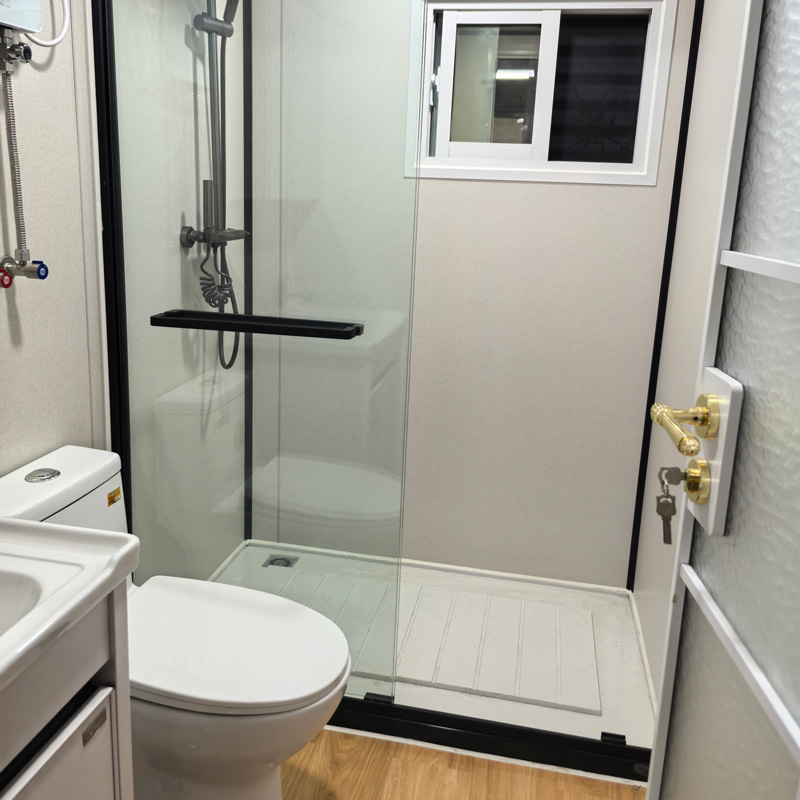
Configuration Standards: Equipped with internal partition walls, built-in plumbing channels, pre-installed flooring, and folding structural joints designed for rapid extension without specialized heavy machinery.
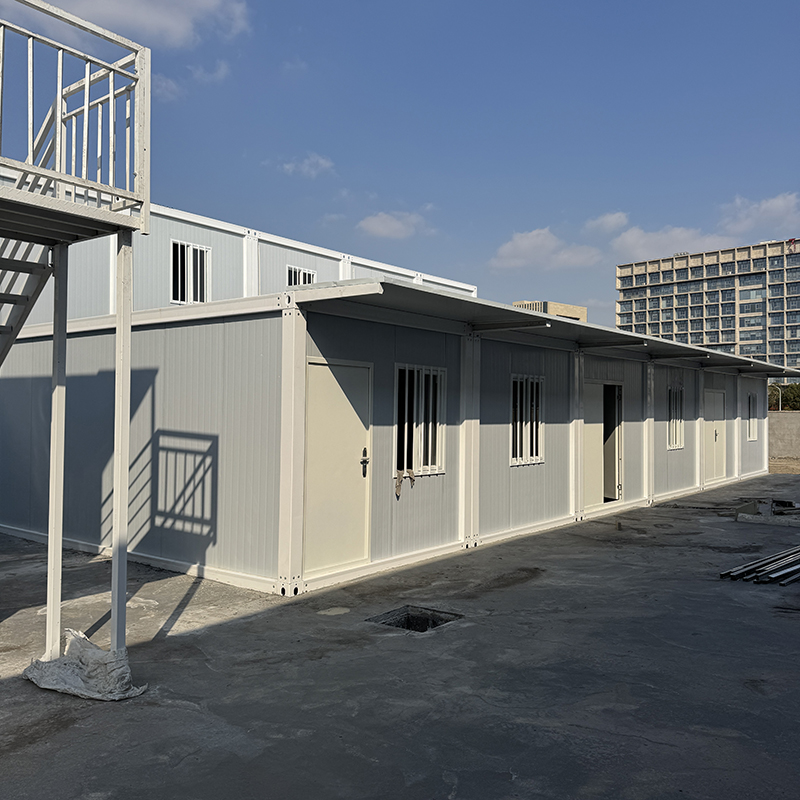
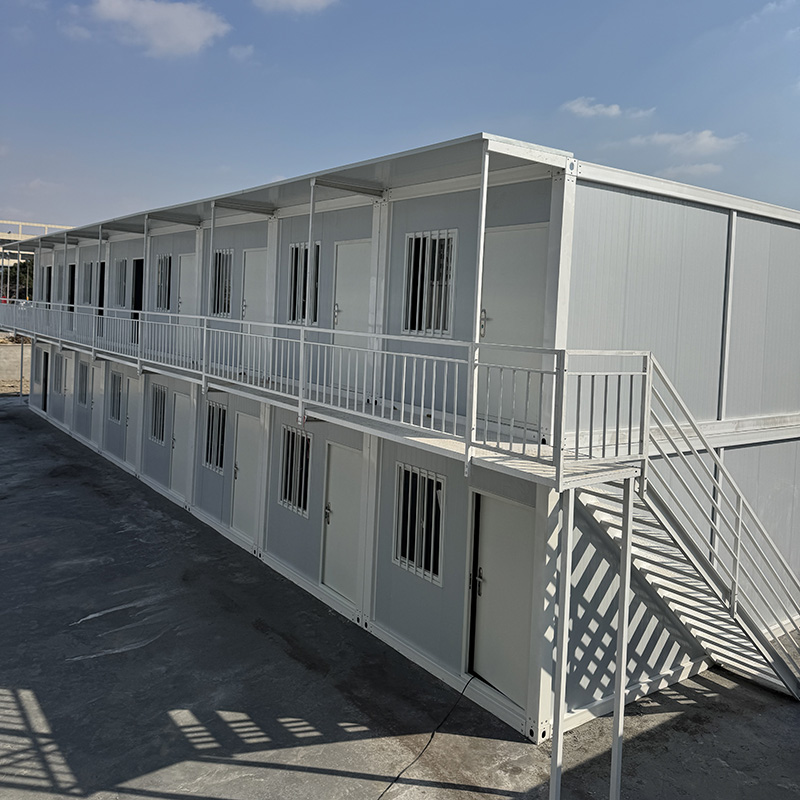
The workhorse of temporary construction and relief camps. These units utilize standardized modular frames and interchangeable wall panels. They are highly customizable and can be linked horizontally or stacked vertically to create multi-story complexes.
Applicable Scenarios: Long-term relief camp administration, site offices, dormitory blocks for relief workers, and secure storage facilities for emergency supplies.
Worry-free Guarantee from Demand to Implementation
Based on regional climate (high-altitude, rainy, windy) and functional needs, we provide 3D designs. We customize exterior colors, layouts, and modules like bathrooms and kitchens. We also offer simple concrete cushion designs to reduce foundation costs.
Our automated production line ensures components pass ISO 9001, CE, and ASTM certifications. Materials meet RoHS and REACH standards. We deliver globally within 20-25 days via FOB, CIF, or CFR from Nansha/Huangpu Port.
For large-scale projects, we assign a dedicated project manager to oversee frame assembly, waterproofing, and electrical debugging. Post-installation, we run strict checks (deviation ≤ 5mm, water-tightness, circuit safety) and issue reports.
We provide a 24-hour repair channel (4h response in urban, 8h in suburban, 24h in remote areas). The main structure has a 1-3 year warranty; high-end products feature a 10-year shell warranty. Standardized parts ship within 72 hours.
Triple Guarantee of Safety, Efficiency, and Economy

All series of products have passed wind-resistance tests of level 10-11 and earthquake-resistance tests of magnitude 7-8. Their fire-resistance, waterproofing, and heat-insulation performance meet international standards, ensuring complete structural and chemical safety.

Modular pre-fabrication production allows for quick on-site assembly. The construction cycle is shortened by 40% - 60% compared to traditional buildings, allowing for immediate implementation and use without complex local approvals.

Components can be repeatedly disassembled and reused, minimizing construction waste. This saves over 30% of comprehensive costs compared to traditional structures. High shipping loading rates significantly lower international logistics costs.
Disaster areas present some of the most challenging conditions on earth, from freezing sub-zero temperatures in earthquake zones to blistering heat in tropical floodplains. Therefore, container units designed for emergency shelters must meet strict thermodynamic and structural criteria.
Our units utilize high-density polyurethane (PU) or rock wool sandwich panels for wall insulation. Rock wool offers superior fire rating (Class A non-combustible), which is critical when multiple shelter units are positioned close together in dense humanitarian camps. The structural frame is hot-dip galvanized steel, coated with anti-corrosion paint to withstand high humidity, coastal salt spray, and acid rain.
Furthermore, water management is built directly into the frame design. Integrated roof gutters guide rainwater through internal downspouts located inside the corner columns, preventing pooling and exterior rust. The flooring features multi-layer moisture-proof boards topped with heavy-duty anti-slip PVC sheets, ensuring hygiene and ease of cleaning in high-traffic emergency environments.
Browse our full range of customizable container solutions, designed to address every aspect of emergency response, medical aid, and administrative infrastructure.