Leave Your Message
Engineered to withstand tropical climates, high humidity, and seismic activities with advanced structural technology.
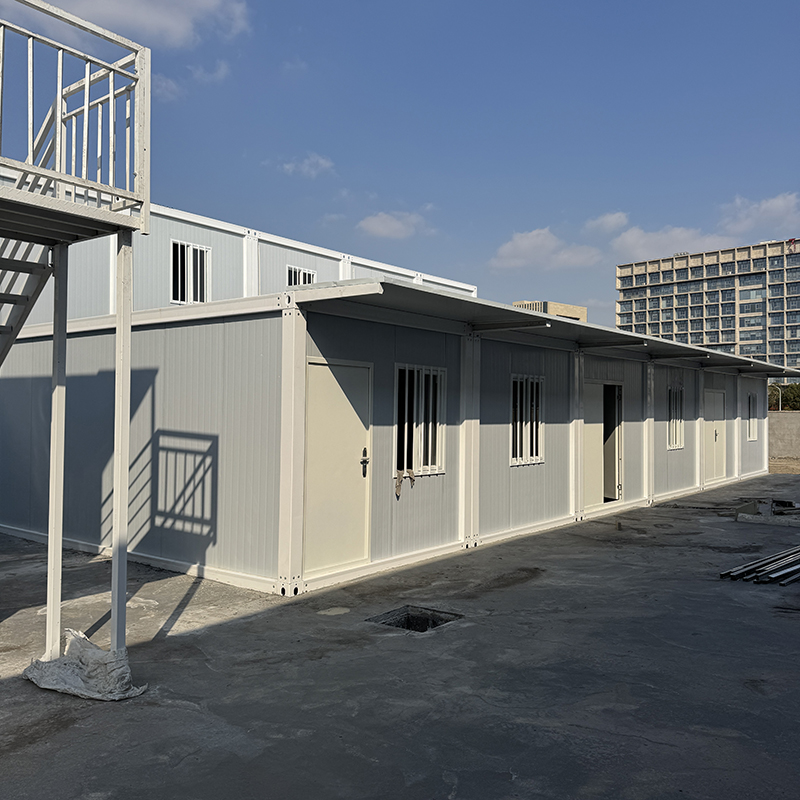
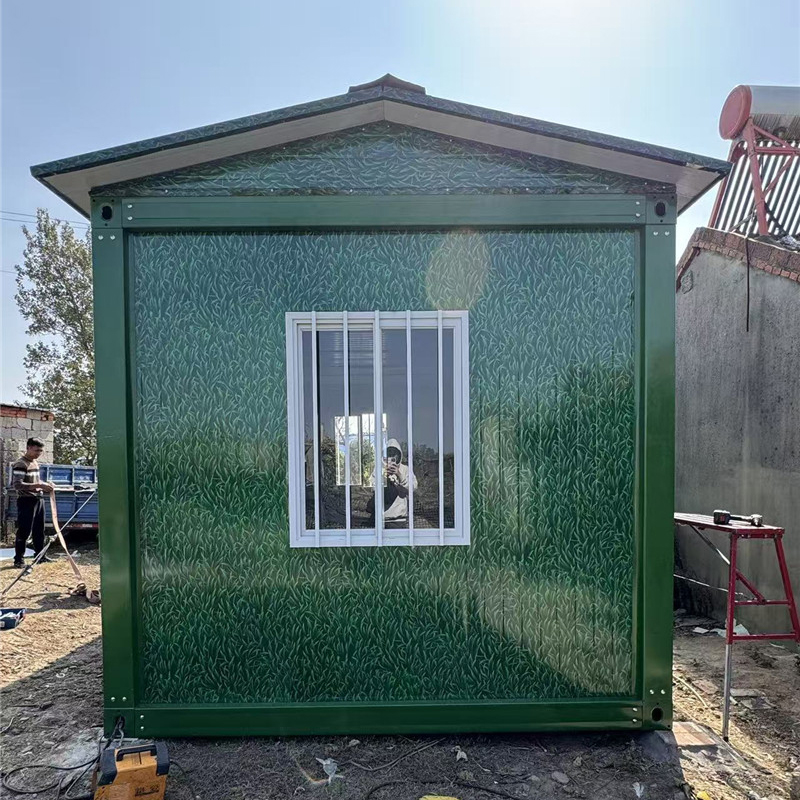
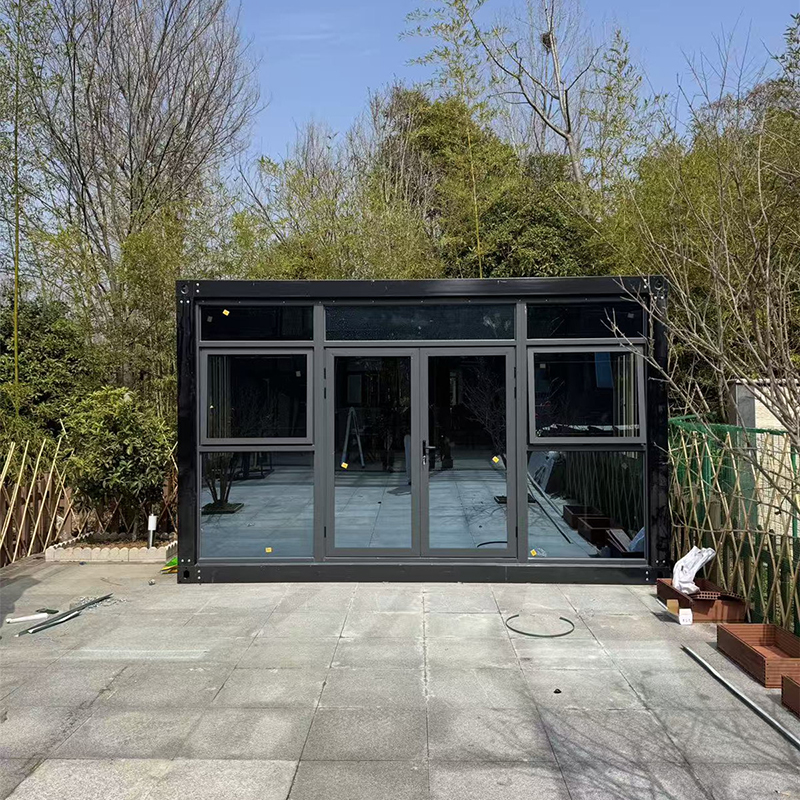
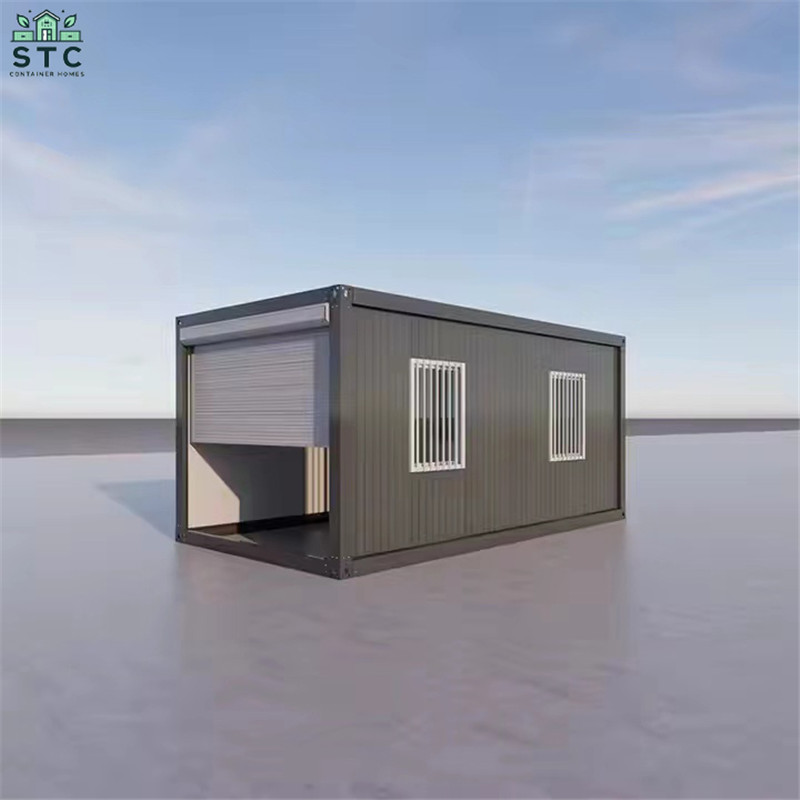
Costa Rica, globally recognized for its commitment to environmental conservation and carbon neutrality, is experiencing a structural shift in its construction sector. The demand for sustainable container houses, prefabricated modular offices, and eco-lodges has grown exponentially over the past decade. As traditional concrete-and-brick methods face criticism for high carbon footprints and prolonged timelines, modular steel structures emerge as the preferred alternative.
From the bustling business parks of San José and Alajuela to the remote eco-tourism destinations of Guanacaste, Puntarenas, and Limón, container houses are redefining local architecture. This shift is driven by the necessity for seismic-resistant engineering, rapid deployment, and minimal site disturbance in ecologically sensitive zones.
Under the national mandate to achieve net-zero emissions, developers and builders are heavily incentivized to use recycled materials and energy-efficient building shells. Our container houses align perfectly with these green building codes, offering up to 90% recyclable content.
Costa Rica's location on the Pacific Ring of Fire requires strict compliance with the Costa Rican Seismic Code (Código Sísmico). Our high-tensile steel container frames provide structural elasticity, mitigating earthquake hazards far better than rigid masonry.
Tailoring modular structures to survive and thrive in Costa Rica's varied microclimates, from misty cloud forests to humid coastal zones.

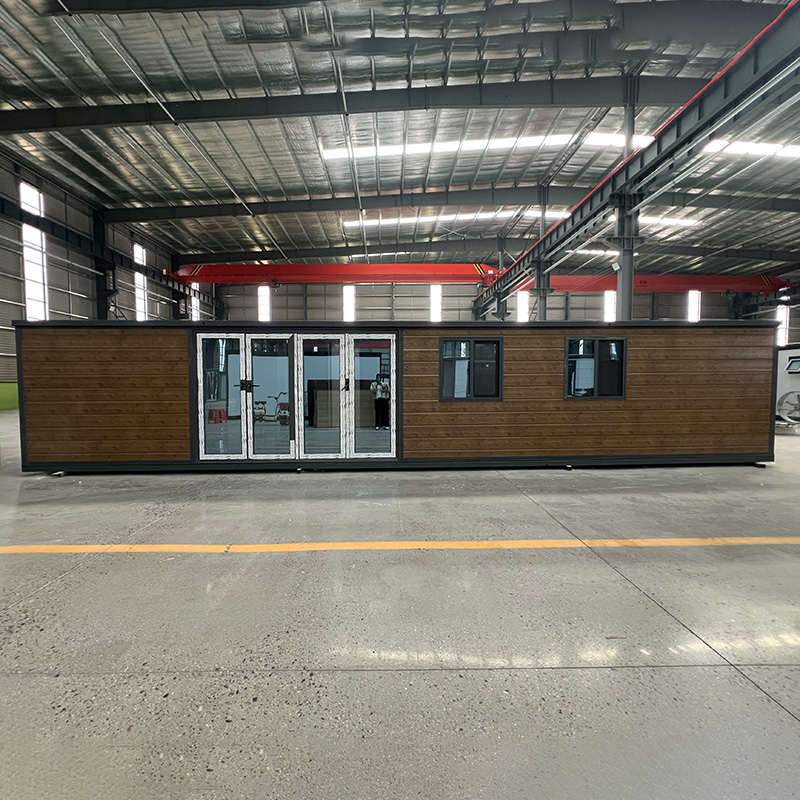
Support standard/non-standard sizes, adjust length, width, and height as required to adapt to scenarios such as construction sites, homestays, sentry posts, and warehouses.

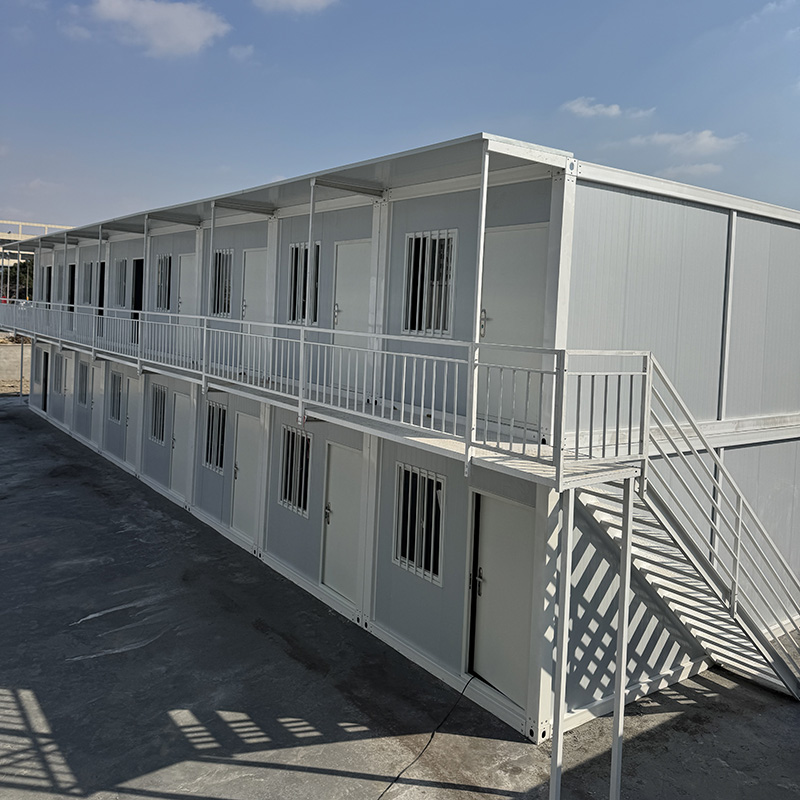
Can be spliced into single-layer or multi-layer, and flexibly arrange partitions, doors, windows, stairs, and corridors to fit steep Costa Rican terrains.

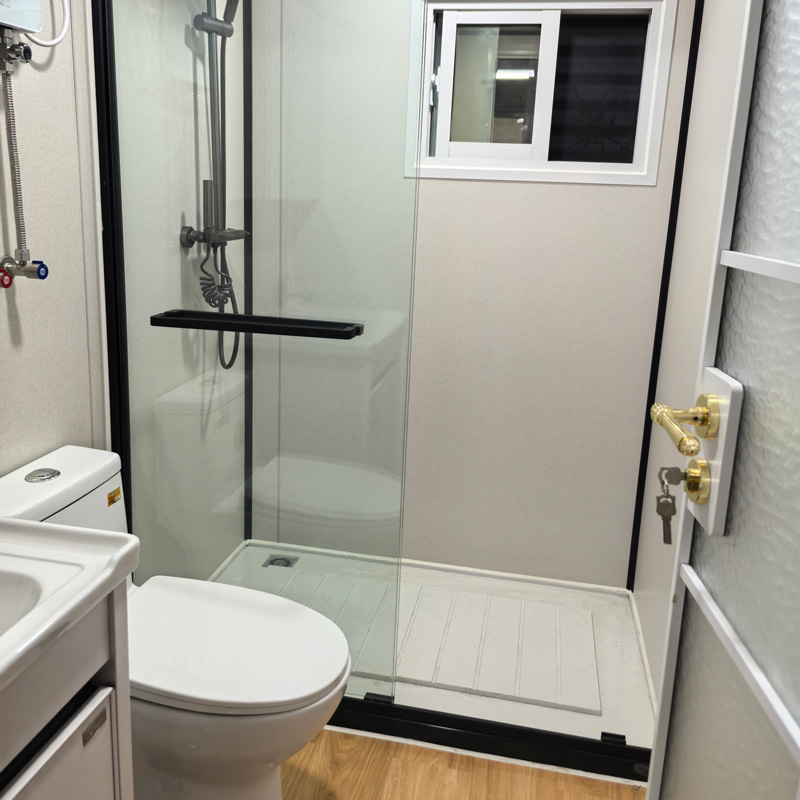
Comprehensive coverage of water and electricity, bathroom facilities, heat preservation, sound insulation, fire prevention, photovoltaic, and intelligent devices.

Design colors, LOGOs, curtain walls, and shapes as required to meet the needs of brand display and cultural tourism aesthetics in eco-resorts.
As the leading container house factory and supplier serving the Central American region, we monitor local industrial shifts to deliver optimized products. Several key trends are driving the adoption of container-based architecture:
Costa Rica's tourism model is built on low impact. Modular container guest houses allow developers to build luxury eco-lodges in rainforests or beaches without heavy machinery destroying the local flora and fauna.
With abundant sunshine, integrating photovoltaic solar panels on container roofs is highly popular in Guanacaste. Our structures are pre-engineered to support solar loads and battery storage systems.
Free Trade Zones (Zonas Francas) in Alajuela and Heredia require rapid-build offices, security cabins, and storage warehouses. Prefabricated containers reduce setup time by up to 80% compared to traditional builds.
Unlike temperate zones, Costa Rica faces extreme rainfall during the green season (May to November) and high salt spray corrosion in coastal towns like Jacó, Tamarindo, and Puerto Viejo. To address these environmental challenges, our factory utilizes hot-dip galvanized steel frames coated with marine-grade anti-corrosive paint. Double-glazed windows and high-density polyurethane insulation panels ensure the interiors remain cool, dry, and energy-efficient year-round.
Streamlining logistics across Central America, from factory dispatch to remote-site commissioning.

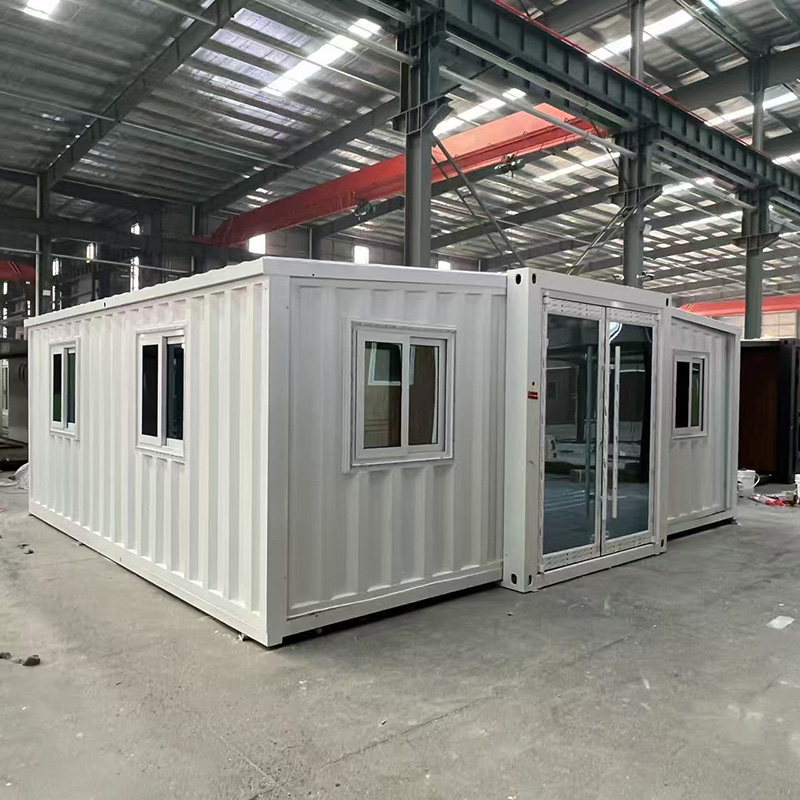
Prefabricated in the factory and quickly installed on-site. A 2-person team can complete one set in 4-6 hours. Leading enterprises can achieve one room in 2 hours.

Ship in parts and transport by full-vehicle. It can easily enter mountainous areas, cloud forests, or narrow coastal roads in Costa Rica without damaging the local environment.

Provide multiple flexible modes such as on-site installation supervision, interactive remote guidance, and complete turn-key delivery options for local developers.
Versatile modular solutions tailored for urban development, disaster relief, eco-tourism, and commercial storage.
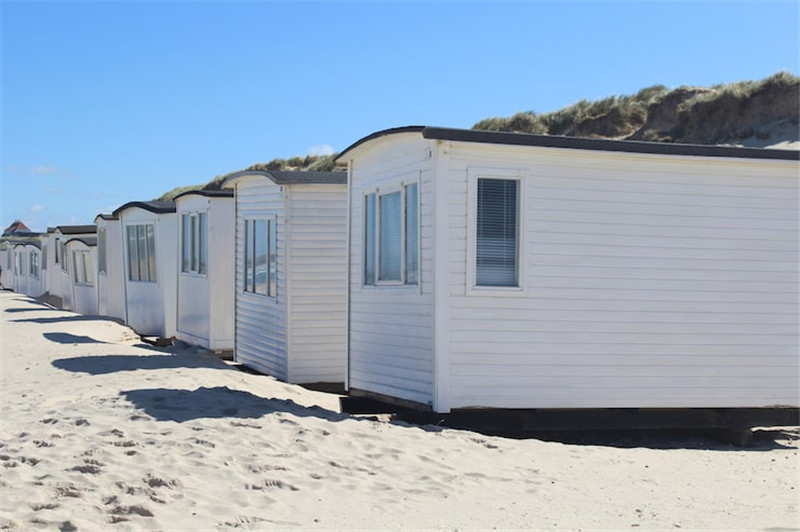
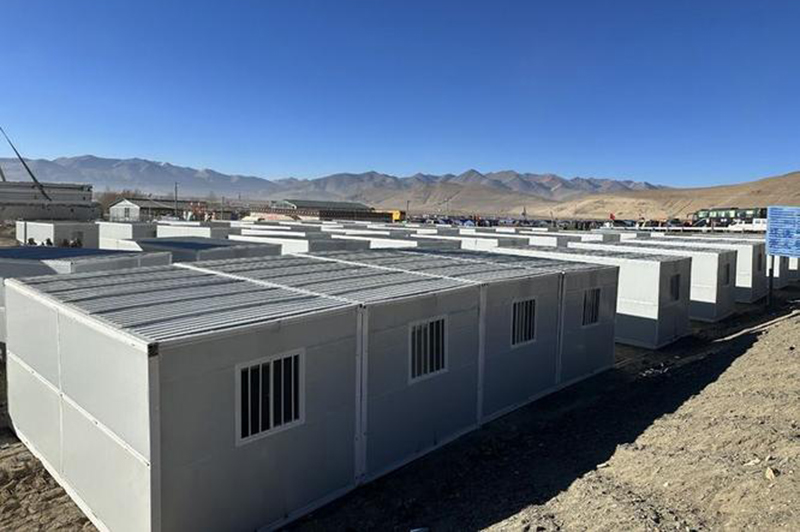
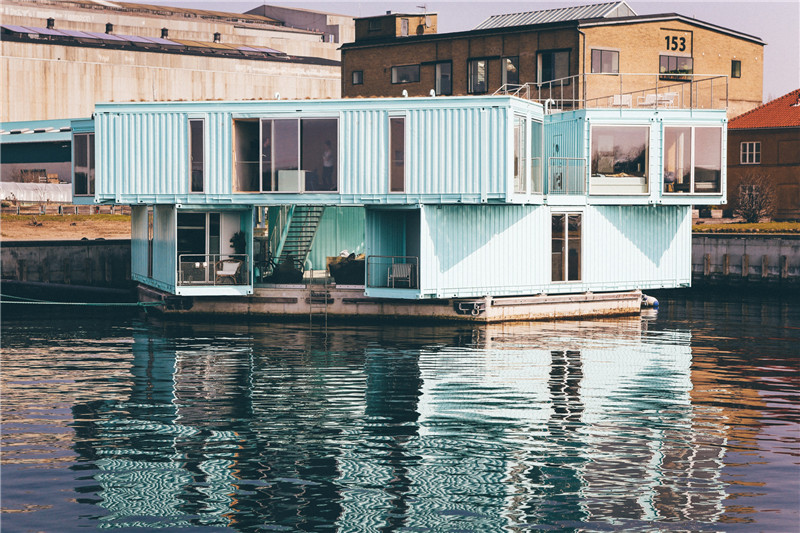
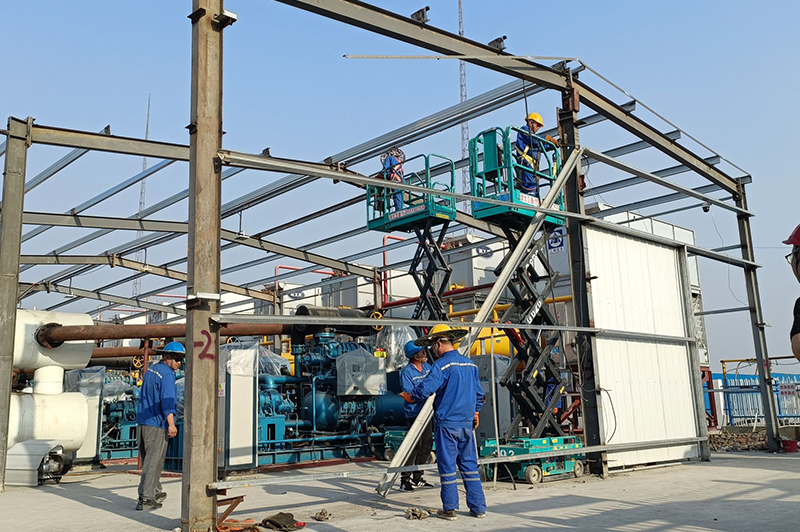
When looking for a reliable container house factory or supplier in Central America, buyers must evaluate technical parameters to ensure compliance with local building codes. Below are the essential criteria to consider:
Due to high relative humidity and salt air, standard steel frames will rust within a few years. Ensure your supplier uses hot-dip galvanized steel frames with a minimum thickness of 2.5mm to 3.0mm. The frame must be finished with an electrostatic powder coating or marine epoxy paint to prevent oxidation.
The tropical sun can turn a poorly insulated container into an oven. We recommend using 50mm to 75mm Polyurethane (PU) or Rockwool sandwich panels. PU offers superior thermal resistance (R-value) and moisture resistance, making it ideal for the tropical climate of San José and Limón.
Costa Rica experiences tropical storms and seismic activity. The modular container structures must be rated to withstand wind speeds of up to 120 km/h and comply with Grade 8 seismic resistance standards. This is achieved through reinforced corner castings and high-tensile connection bolts.
One of the main advantages of container houses is that they do not require extensive concrete foundations. A simple pier foundation (concrete footings) is sufficient. This preserves the natural topography of the land, prevents soil erosion, and conforms to Costa Rica's strict environmental regulations (SETENA).
Explore our full catalog of high-durability, customizable prefabricated units available for shipment to Costa Rica.