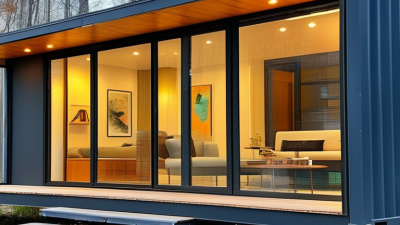
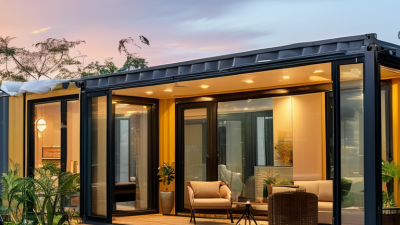
Lately, the construction world has been shifting pretty rapidly towards more innovative solutions that focus on being efficient and eco-friendly. One area that's really been gaining traction is modular construction—it's actually growing at around 6.5% each year, according to a report from ResearchAndMarkets.com. In this whole scene, the Quick-Assembly Container has really turned into a game-changer. It’s speeding up how we build stuff and cutting down on project timelines like crazy.
Companies like Cargotecture and Katerra are really leading the charge here. They’re using some pretty advanced manufacturing techniques to make these containers, which helps cut labor costs and is also better for the environment. Some reports even say that using modular building methods can cut down waste by up to 30%, which is pretty impressive. But, of course, it’s not all smooth sailing. Not every project is a perfect fit for this approach, and in some markets, folks are still a bit skeptical about modular builds, which can slow things down.
On top of that, different regions have their own rules and regulations, which can make rolling out Quick-Assembly Container solutions a bit tricky. Making sure you’re compliant and following the rules is super important if you wanna succeed. Stakeholders need to navigate these complexities while taking advantage of all the benefits this innovation offers. As the industry continues to evolve, staying flexible and keeping open to feedback will be key drivers for how Quick-Assembly Container tech develops in the future.
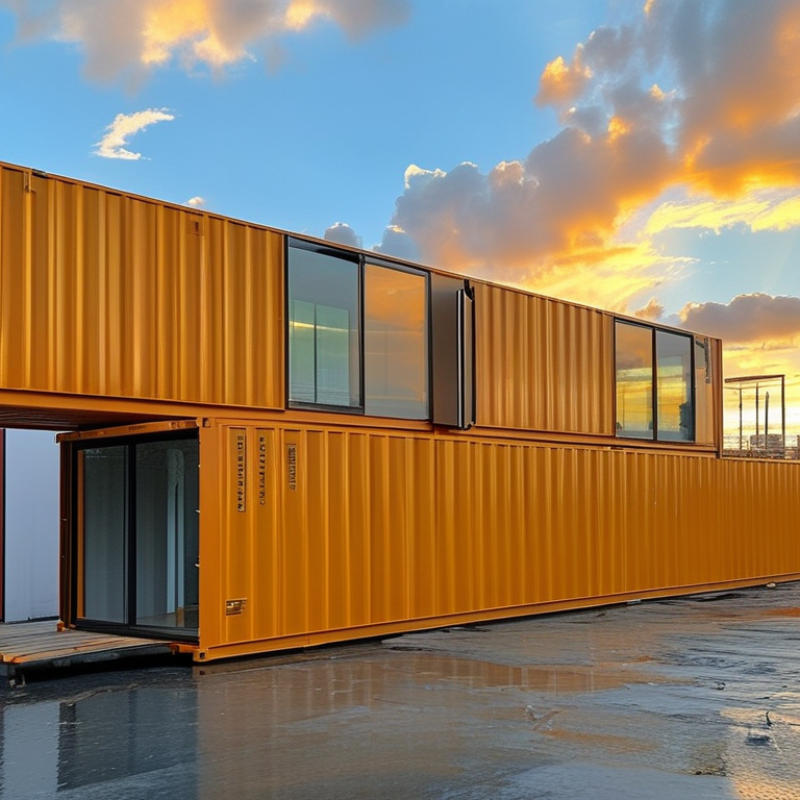
Overview of Quick-Assembly Container Services in China
Quick-assembly container services are transforming construction in China. These innovative solutions offer speed and efficiency. Depending on the project's needs, the containers can be quickly stacked or arranged. They are ideal for both temporary and permanent structures. One common application is creating affordable housing, such as a Container House 2 Bedroom. This option provides families with functional living space.
The materials used in these containers are durable and weather-resistant. Importantly, they are designed for fast assembly and dismantling. Construction timelines can be cut significantly. However, challenges remain. Some projects struggle with insulation and long-term durability. Many contractors are still learning the best practices for these installations. Each project requires careful planning to address its unique characteristics.
Quick-assembly container services are not without drawbacks. The aesthetic limitations can be a concern. Achieving a unique design may require additional effort and creativity. In many cases, modular units can appear uniform. Exploring customization options can enhance visual appeal. Overall, while these services present exciting opportunities, careful consideration is essential to integrate adaptability and design innovation.
Benefits of Using Quick-Assembly Containers for Construction
Quick-assembly containers are transforming the construction landscape. These modular solutions offer rapid deployment at job sites. According to recent market studies, the quick-assembly container sector is estimated to grow by over 25% annually, reflecting increased demand for efficient construction options.
One major benefit of using quick-assembly containers is their cost-effectiveness. Reports suggest that projects utilizing these containers can save up to 30% on labor costs. They reduce the need for extensive groundwork, often completing projects faster than traditional methods. However, it is essential to acknowledge potential limitations. Not all projects may benefit equally from these solutions. Factors such as location and site conditions can impact overall effectiveness.
Additionally, quick-assembly containers are versatile. They can serve as temporary shelters, offices, or storage spaces. Recent surveys indicate that over 70% of construction firms are considering these containers for future projects. This trend highlights a significant shift in construction practices. Yet, proper planning and execution are crucial to maximize their potential.
Key Features of Efficient Construction Solutions
Quick-assembly container solutions have fundamentally transformed the construction industry. These structures offer flexibility in design and ease in relocation. Recent data indicates that the global modular construction market is expected to reach $157 billion by 2023, highlighting growing acceptance.
One key feature of efficient construction solutions is speed. Traditional building methods can take months or years. In contrast, quick-assembly solutions can significantly reduce this time frame, constructing a basic unit in a matter of days. This feature is particularly beneficial in urgent situations, like disaster relief. However, speed does not compromise quality. Many modular units meet or exceed local building codes, ensuring safety and durability.
Moreover, cost efficiency cannot be overlooked. Studies show that modular construction can lower costs by 20% to 30% compared to conventional methods. This reduction is crucial for projects with limited budgets. Yet, there are challenges to consider, such as local regulations and the availability of skilled labor. Efficient construction must also address sustainability, as the waste generated during traditional processes can be substantial. Balancing these aspects remains a critical reflection point for the industry.
Wholesale China Quick-Assembly Container Service for Efficient Construction Solutions - Key Features of Efficient Construction Solutions
| Feature |
Description |
Benefits |
| Quick Assembly |
Containers can be assembled on-site within a short time frame. |
Reduces construction time and labor costs. |
| Modular Design |
Standardized components allow for versatile configurations. |
Enables easy customization to meet specific project needs. |
| Durability |
Constructed from robust materials to withstand environmental conditions. |
Increases reliability and lifespan of construction solutions. |
| Sustainability |
Uses eco-friendly materials and processes. |
Minimizes environmental impact and promotes green building practices. |
| Cost-Effectiveness |
Competitive pricing for bulk procurement. |
Reduces overall project costs and maximizes budget efficiency. |
| Flexibility |
Easily movable and reconfigurable as project needs change. |
Facilitates adaptability in dynamic construction environments. |
Comparative Analysis of Quick-Assembly vs. Traditional Methods
The construction industry often debates quick-assembly methods versus traditional techniques. Quick-assembly systems, like those using a
40ft Container House,
promote rapid setup and adaptability. These methods reduce construction time significantly. A project that might take months with traditional materials can be completed in
weeks. This speed can be invaluable in urgent situations, such as disaster relief.
However, quick assembly is not without its challenges. Quality control can suffer if not properly managed, leading to structural concerns. Workers need adequate training to ensure safety and efficiency. Traditional construction methods, while slower, often offer more certainty in terms of durability and craftsmanship.
Some projects may benefit from a hybrid approach, combining both methods for optimal results.
Sustainability is another factor to consider. Quick-assembly methods can be eco-friendly, using recycled materials. Yet, one must question their long-term environmental impact. Will these temporary structures hold up over time? A meaningful analysis requires careful consideration of these elements. The choice between quick and traditional assembly ultimately depends on specific project needs and contexts.
Case Studies: Successful Projects Using Container Services
Quick-assembly container services are revolutionizing construction. Case studies reveal effective projects across diverse sectors. For example, in urban areas, quick-assembly solutions speed up building timelines significantly. According to a recent report by McKinsey, modular construction techniques can reduce project durations by up to 50%. This efficiency is crucial for addressing housing shortages in cities.
One notable project utilized Prebuilt Container Homes. A housing initiative transformed shipping containers into livable spaces. Not only did this approach cut costs by 30%, but it also offered a sustainable option. However, challenges include limited designs and potential zoning issues. The adaptability of containers need consideration in future projects.
In commercial applications, quick-assembly containers have created office spaces and pop-up shops. A study from Deloitte indicated that modular buildings could save firms millions in labor costs. Yet, the lack of a uniform regulatory framework can hinder progress. Industry players must navigate these complexities to fully harness the potential of container services.
Challenges and Solutions in Quick-Assembly Construction
In the world of quick-assembly construction, challenges arise frequently. Site logistics can be complex. Managing materials efficiently is critical. Weather conditions can stall progress. It's essential to plan for delays caused by these factors. Quick-assembly builds need careful scheduling. Every hour on site matters.
Tips for success in quick-assembly construction include effective communication among teams. Ensure everyone understands their roles clearly. Regular briefings can keep everyone aligned. Using visual aids can enhance understanding. Investing in training for workers boosts overall efficiency.
Another challenge is quality control. Fast construction doesn’t mean corners should be cut. It’s vital to maintain strict oversight of building materials. Checking for defects during assembly can save time and costs later. Documenting every stage of the process helps in maintaining standards.
Understanding local regulations is crucial. Compliance avoids potential setbacks. Quick-assembly solutions must adhere to safety standards. Always incorporate feedback from previous projects to improve future efforts. Learning from past experiences fosters better outcomes.
Future Trends in Container-Based Construction Solutions
The future of container-based construction solutions is rapidly evolving. Industry reports indicate that the global market for container homes is projected to reach $73 billion by 2027. This growth is driven by a rising demand for flexible and sustainable building options. As urbanization increases, traditional construction methods are often unable to keep pace.
Ready Made Container Homes are emerging as a viable alternative for quick and efficient housing solutions.
Container construction also aligns with sustainability goals. The use of shipping containers reduces material waste and shortens construction timelines. Reports show that these homes can be built in as little as 12 weeks, compared to the months required for conventional structures. However, challenges persist in zoning regulations and public perception. Many communities still have reservations about container living, viewing it as non-traditional. This gap in awareness needs addressing to foster acceptance and support for this innovative approach.
New technologies also play a crucial role in shaping future trends. Incorporating smart home features into ready-made containers can enhance living conditions significantly. Advanced insulation materials and energy-efficient systems are being integrated to improve comfort. Despite the undeniable advantages, potential buyers should consider durability and weather resistance. Striking a balance between aesthetic appeal and structural integrity remains a pressing issue within the industry.
FAQS
: These are innovative construction solutions that offer speed and efficiency. They enable fast stacking and arrangement based on project needs.
They are cost-effective and can save up to 30% on labor costs. Projects can often finish quicker than traditional methods.
Yes, they can serve for both temporary and permanent structures, including affordable housing solutions.
Common challenges include insulation issues, aesthetic limitations, and the learning curve for contractors during installation.
Effective communication, careful planning, and regular briefings among teams are essential for project success.
Yes, market studies suggest significant growth, with over 70% of firms considering them for future projects.
Customization options exist, but achieving unique designs requires additional effort and creativity to enhance visual appeal.
Maintaining strict oversight of materials ensures safety and prevents issues that could lead to time and cost overruns later.
Understanding and adhering to local regulations is key to avoiding setbacks and ensuring safety compliance in projects.
Investing in worker training and using visual aids can improve understanding and boost overall efficiency on site.
Conclusion
The article provides a comprehensive overview of Quick-Assembly Container services in China, highlighting their growing popularity as an efficient construction solution. These containers offer numerous benefits, including reduced construction time, cost-effectiveness, and versatility in design. Key features of Quick-Assembly Containers include modularity and ease of transport, which streamline on-site assembly compared to traditional construction methods.
Moreover, case studies illustrate successful projects utilizing Quick-Assembly Containers, showcasing their effectiveness in various construction contexts. While challenges such as regulatory compliance and material durability exist, innovative solutions are being developed to address these issues. The article concludes with insights into future trends in container-based construction, emphasizing the increasing adoption of Quick-Assembly Containers in the industry as a sustainable and efficient alternative.