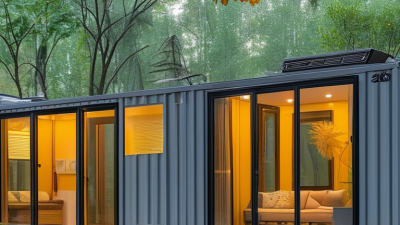
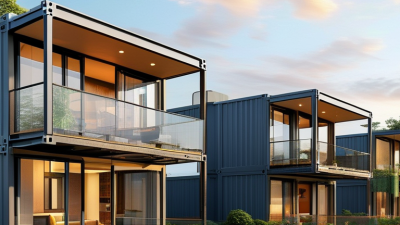
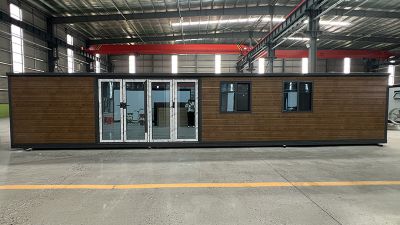
Choosing the right Double Wide Mobile Homes isn't just about flipping through photos or scanning prices. I mean, a home might look super spacious on the website, but once you put your furniture in, it might feel pretty tight. This guide is here to help you focus on the practical stuff that really impacts your daily comfort, the home's long-term value, and your overall confidence in owning it.
We'll be taking a look at some well-known manufacturers like Clayton Homes, Champion Homes, and Fleetwood Homes. Their designs can vary quite a bit — think insulation quality, floor plans, the types of materials used, and what kind of warranty support they offer. Pay close attention to how the walls are built, the quality of the windows, the roof design, and how efficient their heating systems are. And don’t forget — ask specifically how each model holds up in your local climate. Sure, a bright and airy kitchen is a big plus, but don’t overlook how much you’ll be paying on energy bills every month.
Space to breathe is key, right?
A good comparison isn’t just about the homes themselves. You’ll also want to consider things like delivery prep, foundation requirements, installation procedures, and available upgrades. These can seriously bump up your costs. And don’t forget to review the warranty details carefully. Different parts — like the structure, appliances, plumbing, and finishes — might have different coverage periods. It’s also a smart move to get independent inspections done before you commit, checking for things like uneven floors, loose trim, or moisture issues, so you don’t get stuck with surprises down the line.
Remember, no one-size-fits-all. Some families might need three bedrooms and a wider dining area, while retirees might prefer fewer steps and easier maintenance. My goal here is to focus on facts and real info, not just the sales pitch you get at the showroom. But keep in mind, availability and build quality can vary depending on where you’re shopping and when the home was built. That’s an important point. The “best” Double Wide Mobile Home isn’t always the most expensive one — it’s the home that strikes the right balance between sturdy construction, useful space, energy efficiency, honest support, and realistic costs of ownership. I’ll lay out some useful comparisons, but definitely check with the manufacturer and local experts to verify the final details.
Hope this helps you make a more informed decision on your home journey!
What Is a Double Wide Mobile Home?
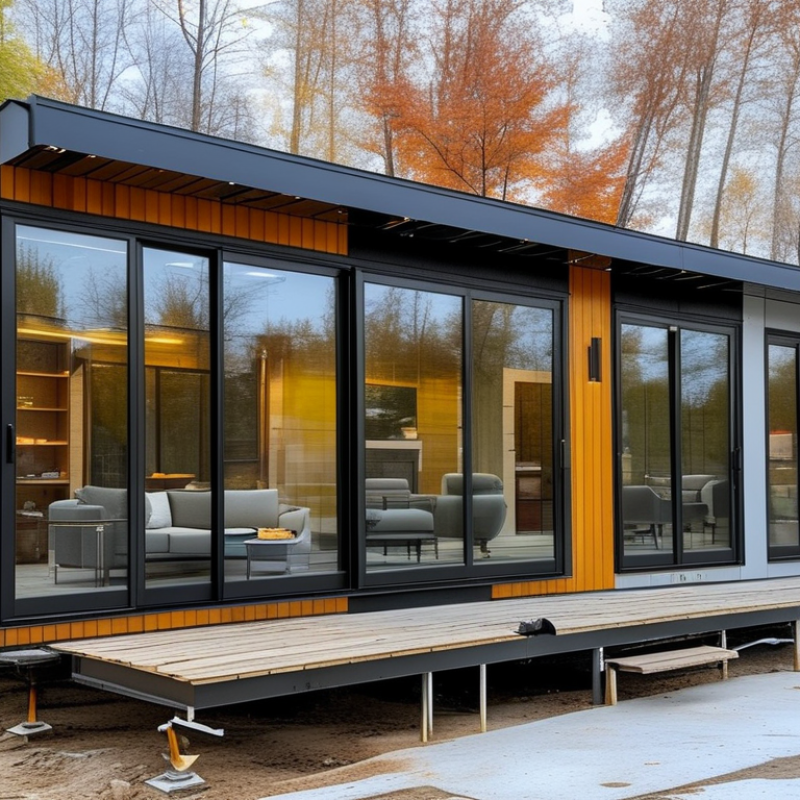
A double wide mobile home is a manufactured home built in two separate sections. Each section travels on its own steel chassis. Crews then join them at the homesite, creating a wider floor plan. The U.S. Department of Housing and Urban Development requires these homes to meet the federal Manufactured Home Construction and Safety Standards, often called the HUD Code. “Mobile home” remains common language, although newer homes are technically manufactured homes.
Size makes the difference visible. The Manufactured Housing Institute reported that the average new manufactured home measured about 1,460 square feet in 2022. A double wide often provides two to four bedrooms, a full kitchen, and a larger living room. Some layouts include a utility room near the rear entrance. That detail matters during daily use.
However, square footage alone does not identify a top home. Insulation, window quality, roof design, and installation standards deserve closer attention.
The U.S. Census Bureau’s Manufactured Housing Survey recorded roughly 104,000 manufactured home shipments in 2022. That figure shows strong demand, but it does not prove equal quality. A careful buyer should review the construction label, foundation plan, wind-zone rating, and site drainage. I would not trust attractive finishes without checking those documents. Small gaps around doors can reveal poor installation. Costs also vary sharply because transport, permits, land preparation, and utility connections may sit outside the advertised home price.
How Are Double Wide Mobile Homes Designed and Built?
Double Wide Prefab Homes are designed as two transportable sections, called modules. Each module is built indoors on a permanent steel chassis. This controlled setting protects materials from rain, though it cannot eliminate every construction error.
Designers begin with transport limits, room layouts, roof loads, and utility routes. A typical double wide may provide about 1,500 to 2,000 square feet. Large living rooms often sit along the center marriage line. Kitchens and bathrooms are positioned near shared plumbing walls, reducing installation time. Exterior walls commonly use wood framing, insulation, sheathing, and weather-resistant cladding. The exact materials vary by climate and local requirements.
The U.S. Census Bureau’s Manufactured Housing Survey recorded approximately 89,000 manufactured homes shipped in 2023. That volume reflects a mature production system, not identical quality across every home. The U.S. Department of Housing and Urban Development sets national construction and safety standards for manufactured housing. Inspectors check structural connections, electrical systems, plumbing, and fire safety before occupancy. On site, crews join the modules, secure the marriage line, connect utilities, and complete finishing work. A site visit can reveal uneven trim or rushed sealant. Small flaws deserve attention. Proper foundation preparation and moisture control still matter after factory completion. A careful buyer should review inspection documents, anchoring details, insulation levels, and warranty terms before choosing Double Wide Prefab Homes.
Which Double Wide Floor Plans Suit Different Lifestyles?
Double Wide Manufactured Homes can fit very different daily routines. A retired couple may prefer a compact 2-bedroom plan with wide hallways, one-level living, and a walk-in shower. A growing family may need four bedrooms, two bathrooms, and a kitchen facing the living room. According to the Manufactured Housing Institute’s 2024 industry overview, more than 22 million Americans live in manufactured homes. That scale shows why “best” depends on household behavior, not decoration.
Remote workers need a quiet room near the entrance, away from bedrooms and evening noise. A split-bedroom layout gives parents privacy while keeping children close. Buyers who entertain often benefit from an island, dining area, and sliding doors to a porch. The U.S. Census Bureau’s 2023 Characteristics of New Housing report shows manufactured homes remain more compact than many site-built homes. Therefore, storage deserves serious attention. Tall cabinets, a utility room, and built-in benches can prevent clutter. I would not choose a plan only from attractive floor-plan images. Furniture measurements can expose awkward corners later.
Tips: Mark your real furniture on the plan before deciding. Leave clear paths around beds and appliances. Ask about insulation, energy performance, roof design, and local installation requirements. The U.S. Department of Housing and Urban Development’s manufactured housing standards address safety and construction, but site conditions still matter. A plan may look efficient on paper yet feel narrow after move-in. That is worth questioning.
What Features Define a High-Quality Double Wide Home?
A high-quality double wide home begins with solid construction, not decorative finishes. Factory-built sections should align cleanly, with even floors and doors that close without force. Strong framing, secure roof connections, and moisture-resistant materials help the home remain comfortable for years. A careful buyer should inspect seams, corners, and under-sink areas for signs of water intrusion.
Energy performance matters every season. Effective wall and roof insulation can reduce drafts and heating costs. Double-pane windows, sealed ducts, and an efficient heating and cooling system add practical value. Ask for installation records and maintenance guidance. Reliable plumbing should provide steady water pressure, while electrical panels must be clearly labeled and professionally installed. Small details matter.
The layout should support daily life, not just look impressive during a tour. Wide hallways, useful storage, durable flooring, and natural light improve comfort. Check the kitchen workflow with groceries in mind. It sounds simple. Yet buyers often focus on countertops and overlook ventilation or cabinet strength. Local soil conditions, transport requirements, and foundation preparation also deserve professional review. No checklist catches everything, and even experienced inspectors can miss hidden defects. A second inspection may feel unnecessary, but it can reveal uneven settling, poor drainage, or rushed finishing work. A high-quality home balances safety, efficiency, craftsmanship, and honest documentation.
How Much Do Double Wide Mobile Homes Cost?
Double wide mobile homes often offer more usable space than single-section models, but the price depends on more than floor area. The U.S. Census Bureau’s 2023 Manufactured Housing Survey reported an average sales price of about $160,000 for a new double-section home. This figure generally excludes land, site preparation, delivery, and utility connections. A 1,500-square-foot layout may look affordable on paper. The final invoice can tell a different story.
Installation expenses commonly add tens of thousands of dollars. The home may need grading, a foundation system, permits, transport, water lines, electrical work, and steps. Industry cost guidance from the Manufactured Housing Institute separates the home price from these site costs, which is essential when comparing estimates.
A rural lot may require a longer utility trench. A sloped lot can require extra foundation work. Small details become expensive quickly.
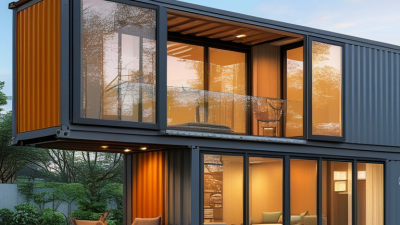
Buyers should request an itemized quote, not a rounded package price. Ask whether appliances, HVAC equipment, skirting, delivery, and inspections are included. Financing also changes the total cost, because loan terms and land ownership affect monthly payments. The Consumer Financial Protection Bureau has noted that manufactured-home borrowers may face different financing conditions than conventional homeowners. That difference deserves careful review. A Double Wide Container Home may appear cheaper in advertisements, yet its design, code requirements, insulation, and installation method can differ substantially. The Census average is useful, but imperfect. Local pricing still matters more.
What Should Buyers Check Before Choosing a Double Wide Home?
Choosing a top double wide mobile home starts with the site, not the floor plan. Ask for the complete delivered price. The U.S. Census Bureau’s 2023 Manufactured Housing Survey placed the average new double-section home near $160,000, excluding land, foundation, utilities, and transport. That gap can surprise buyers.
Measure the lot twice. Confirm road width, turning space, drainage, setbacks, and local installation rules. Request the soil report and foundation design before signing. HUD installation standards require proper anchoring, leveling, and support, but site conditions still affect cost and safety. Check the roof pitch, insulation levels, window ratings, plumbing access, and electrical panel capacity. The U.S. Department of Energy notes that air leakage and weak insulation can raise household energy use, especially in extreme climates.
Read the warranty line by line. Who repairs transport damage? Who pays when a delivery crane cannot reach the site? These details matter. Ask an independent inspector to examine seams, floors, moisture marks, and crawlspace ventilation. Do not rely only on a showroom walkthrough.
Also compare financing terms and resale restrictions. A home classified as personal property may receive different lending treatment than one permanently attached to land. The Consumer Financial Protection Bureau has warned that manufactured-home borrowers can face higher costs and fewer financing choices. Check the title status early. A Double Wide Shipping Container Home may look cheaper online, but its structural approvals, insulation, and local permits require separate verification. I would slow down here. A beautiful kitchen cannot correct poor drainage or an undersized foundation.
What Are the Top Double Wide Mobile Homes? What Should Buyers Check Before Choosing a Double Wide Home?
How to read this chart: These are realistic double-wide footprint examples calculated at a common 60-foot length. Actual dimensions vary by floor plan, transportation limits, local regulations, and site conditions.
- Confirm the HUD certification labels and data plate before purchase.
- Check local zoning, setbacks, permits, foundation requirements, and utility connections.
- Get separate estimates for delivery, crane or set work, site preparation, driveway access, and installation.
- Verify the home’s wind, roof-load, flood, and energy requirements for the intended location.
- Compare the total installed cost rather than the home’s advertised base price.
How STC Expandable Office Containers Deliver Flexible, Ready-to-Use Mobile Workspaces
Expandable office containers are changing how organizations create practical workspaces when conventional buildings are too slow, costly, or difficult to access. Designed with fold-out sections, integrated utilities, insulation, lighting, and office-ready interiors, these units can be transported compactly and expanded rapidly on site. They are suitable for temporary project offices, construction management, emergency coordination, enterprise overflow, and remote-area operations, allowing teams to establish a functional workplace without waiting for permanent construction.
This flexibility reflects a wider shift toward adaptable construction solutions. McKinsey & Company’s report *Modular Construction: From Projects to Products* indicates that modular methods can reduce project schedules by approximately 20–50% and lower costs by up to 20% when applied to suitable projects. Expandable office containers support these gains by combining standardized manufacturing with efficient on-site installation. Their reusable structure also enables relocation or redeployment as project requirements change, helping organizations make better use of capital and available land.
For businesses managing fluctuating workloads, mobile teams, or geographically dispersed projects, a ready-to-use expandable workspace provides practical control over time and deployment. It can be configured with workstations, meeting areas, storage, and basic service facilities, creating a comfortable office environment in locations where traditional facilities are unavailable or impractical.
FAQS
Check clean section seams, level floors, and doors that close easily. Strong framing and secure roof connections matter more than decorative finishes. Look beneath sinks. Water marks may reveal hidden leaks.
Inspect wall and roof insulation before purchase. Double-pane windows, sealed ducts, and efficient heating systems can reduce drafts. Ask for installation records and maintenance instructions. Small gaps matter.
Test water pressure at several faucets. Plumbing access should be practical, not buried behind fragile panels. The electrical panel should be clearly labeled and professionally installed. Do not assume neat paint means reliable wiring.
Yes. Wide hallways, useful storage, durable floors, and natural light support daily routines. Walk through the kitchen with grocery bags in mind. Open cabinets and test drawers. A shiny countertop proves little.
Measure the lot, road width, and turning space carefully. Confirm drainage, setbacks, soil conditions, and utility locations. Review the foundation design before signing. A beautiful home cannot fix poor drainage.
The advertised home price may exclude land, transport, utilities, and foundation work. A new double-section home may cost around $160,000 before those additions. Request the complete delivered price in writing. Online prices can mislead.
An independent inspector can examine seams, floors, crawlspaces, moisture marks, and ventilation. A second inspection may reveal uneven settling or rushed finishing work. No checklist catches everything. Even experienced inspectors can miss hidden defects.
Read every warranty line carefully. Confirm who covers transport damage, installation problems, and delivery access issues. Compare financing terms and title classifications early. The cheapest monthly payment may cost more overall.
Confirm structural approvals, insulation levels, permits, foundation support, and local installation requirements. Ask for written documents, not verbal promises. Keep photographs of seams and utility connections. I would slow down here.
Conclusion
Double Wide Mobile Homes offer a spacious and practical alternative to traditional site-built housing. Created by joining two factory-built sections, these homes provide wider interiors, flexible layouts, and efficient construction. Buyers can choose floor plans designed for different lifestyles, including options with open living areas, private bedrooms, home offices, extra storage, or accessible features. Their quality is often reflected in durable materials, solid construction, energy-efficient systems, modern kitchens, comfortable bathrooms, and careful attention to insulation and finishing details.
The total cost of a double wide home depends on its size, design, materials, transportation, installation, land preparation, utility connections, and local requirements. Before making a decision, buyers should compare floor plans, inspect the construction quality, review included features, confirm delivery and setup responsibilities, and estimate ongoing maintenance and utility expenses. Checking the home’s condition, documentation, warranties, and placement requirements can also help ensure that the selected Double Wide Mobile Homes meets both present needs and long-term expectations.