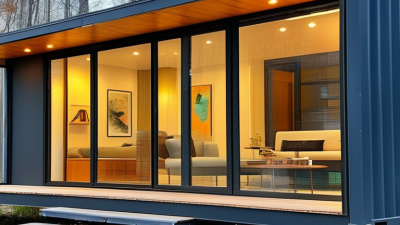
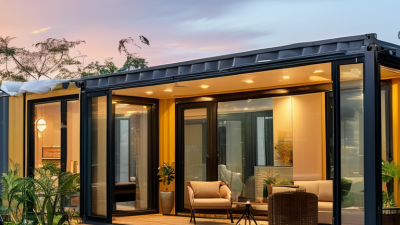
The construction world is definitely changing, and prefabricated houses are really leading the way. I came across a report by MarketsandMarkets that says the market for these kinds of buildings could hit over $200 billion by 2025 — pretty crazy, right? It just shows how much people are craving quicker, more eco-friendly housing options. Companies like China Prefab House are stepping up, offering a variety of options that balance quality and affordability — which is great for folks looking to build without breaking the bank.
Prefabricated houses are known for how fast they can go up — literally, they can be assembled in no time at all. Plus, they’re usually more eco-friendly since they use less energy during manufacturing. That said, there are some bumps in the road. For example, workers’ wages are often lower when manufacturing overseas, and quality can sometimes be a bit inconsistent. It’s really important for both builders and buyers to keep an eye on these issues.
On top of saving money, these prefab homes encourage some pretty creative design ideas. You can get innovative architectures without losing the practicality you need. But, of course, we should also think about what this means long-term — like how these houses impact communities and the environment. Taking a moment to really assess all those factors means we make sure these benefits are real and don’t come with hidden costs, you know?
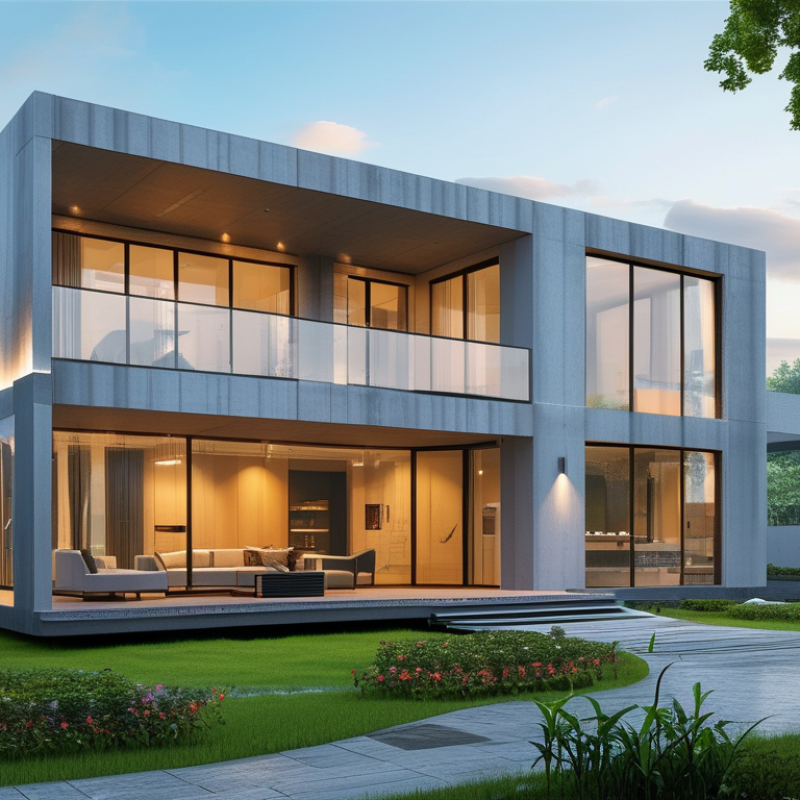
Benefits of Cost Efficiency in China Wholesale Prefabricated Housing Services
The cost efficiency of China’s wholesale prefabricated housing services is remarkable. Prefabricated construction can reduce building costs by up to 30%. This significant decrease stems from lower labor costs and streamlined processes. Factories can produce components faster than traditional methods, reducing project timelines. Reports indicate that customers save on average 10-15% by opting for prefabricated homes compared to conventional building methods.
Moreover, the sustainability aspect of prefabricated houses adds to their financial advantage. They typically generate less waste during production, cutting disposal costs by about 20%. The modular design also provides flexibility, allowing adjustments based on budget constraints. However, it’s essential to consider potential challenges. For instance, transportation costs can vary greatly depending on distance, affecting overall savings. The need for skilled labor to assemble these homes cannot be overlooked. These factors require careful planning but often result in major gains for investors.
For developers, the choice of Pre Fabricated Construction can lead to higher returns in the long run. Some industry studies suggest that prefabricated buildings can yield up to 15% higher rental income. This is due to their modern appeal and efficiency in construction times. Yet, understanding local regulations and possible logistical hurdles can complicate the process. Awareness of these factors is vital for success in this growing market.
Speed of Construction: Reducing Build Time with Prefabricated Solutions
The speed of construction with prefabricated solutions is transforming the housing market. China’s wholesale prefabricated houses offer a remarkable advantage in reducing build time. Unlike traditional building methods, these homes are manufactured in sections off-site. This technique allows for rapid assembly once the components arrive at the location. Construction teams can erect a complete home in a matter of days instead of months.
Pre-Fabricated Homes not only save time but also minimize interruptions caused by weather. Each section is built under controlled conditions, ensuring quality and consistency. This efficiency can lead to lower labor costs and faster project completion. However, there can be hurdles, such as transportation logistics and site preparation challenges. Each project demands careful planning to ensure that timelines are met.
The appeal of fabricated homes extends beyond just speed. They offer eco-friendly options as well, with less waste generated during construction. But it's essential to address potential downsides, like limitations in design flexibility. Clients must weigh these factors against the benefits. Ensuring you choose the right prefabricated solution can lead to a successful outcome.
Sustainability: Eco-Friendly Practices in Prefabricated House Production
The prefabricated house industry is making strides in sustainability. Eco-friendly practices are becoming essential in construction. This shift is not just about efficiency; it reflects a growing awareness of environmental impacts. According to a recent report, prefabricated homes can reduce waste by 60%. This is a significant step towards responsible building.
The production process uses fewer materials and minimizes energy consumption. For instance, manufacturers often recycle old materials to create new structures. This not only lowers costs but also conserves resources. Yet, challenges remain. While the industry focuses on green solutions, some methods still rely on pollutants. It's crucial to continuously evaluate these practices to ensure true sustainability.
Moreover, local sourcing of materials is embraced to reduce carbon footprints. Using nearby resources decreases transportation emissions significantly. However, not all regions have access to sustainable materials. For this reason, the commitment to eco-friendly methods must be widespread. Ensuring that all stakeholders adopt green practices can create a more balanced ecosystem. This ongoing conversation is vital for industry progress.
Quality Assurance: Industry Standards and Manufacturing Precision
When considering the benefits of China wholesale pre-fabricated houses, quality assurance stands out. This assurance stems from stringent industry standards. Every stage of production is monitored closely. Manufacturing precision is critical. It ensures that each Fabricated Container House meets specific design and safety criteria.
Trade regulations impose rigorous checks on materials. This results in durability and sustainability. Builders often depend on these standards to maintain quality. However, issues may arise with inconsistencies in local practices. Some manufacturers may cut corners to reduce costs. This not only compromises quality but also safety.
Flexibility in design leads to unique housing solutions. Pre-fabricated houses offer various layouts and finishes. Ultimately, the goal is to meet customer needs effectively. Yet, there’s a learning curve for newcomers in the industry. Understanding the complexities of quality assurance can be challenging. Quality control should never be overlooked. Regular audits can help identify areas for improvement.
Customization Options: Tailoring Prefabricated Houses to Client Needs
The prefab housing market in China has grown significantly, driven by customization options. Many clients desire homes that reflect their personal preferences and local cultural elements. This need for uniqueness is crucial, as a report by Global Industry Analysts shows that customized prefabricated solutions can boost customer satisfaction by over 40%.
Customization options in prefabricated houses include layout design, material selection, and energy efficiency features. Clients can choose layouts that maximize space, such as open-concept designs. Additionally, sustainable materials are often favored, given the rising awareness of environmental impacts. A survey indicated that over 55% of buyers prioritize eco-friendly options in their housing choices.
However, the customization process can be overwhelming. Some clients may struggle with the many choices available. Miscommunication can also arise between clients and manufacturers. It's essential to establish clear lines of communication throughout the design phase. This ensures that clients' visions align with practical execution. Ultimately, effective customization enhances the overall quality of the housing experience.
Market Demand: Growth Trends for Prefabricated Housing in China
The prefabricated housing market in China is witnessing significant growth. This shift stems from urbanization and rising population demands. Many people prefer Pre Made Homes for their efficiency and affordability. These homes can be produced quickly, meeting the needs of urban dwellers.
In recent years, government initiatives have also fueled market expansion. More policies support eco-friendly building practices. Eco-conscious consumers favor sustainable options, further boosting the demand for Pre Made Homes. As the market evolves, it faces challenges like quality control and design customization. Manufacturers must adapt to buyer expectations while maintaining standards.
Moreover, consumer awareness is growing. Many buyers seek reliable suppliers, ensuring they invest wisely. Not all manufacturers have proven reliability. Therefore, careful research is vital. While the market presents opportunities, it also requires reflection on long-term sustainability and ethical practices.
Market Demand: Growth Trends for Prefabricated Housing in China
Economic Impact: Effects on Local Economies and Employment Opportunities
China's wholesale prefabricated houses service significantly affects local economies. According to a report by the China Academy of Building Research, the prefabricated housing sector is projected to grow by 15% annually. This growth offers substantial employment opportunities. As manufacturing increases, factories need skilled laborers. Many workers can secure jobs in assembly lines, logistics, and sales.
Moreover, local businesses benefit from increased demand for materials. Suppliers of wood, steel, and insulation see higher orders. The economic ripple effect can uplift entire communities. However, reliance on this industry can also pose risks. Fluctuations in demand might lead to sudden layoffs, affecting job stability. Communities must balance growth with sustainable practices.
In urban areas, prefabricated houses can reduce construction costs by 30%. This lower cost can make housing more affordable for families. Yet, the quality of these houses is sometimes questioned. Ensuring durability and safety is essential. Local governments must regulate standards to protect residents. Industry professionals note that building a strong regulatory framework can enhance trust in prefabricated homes.
FAQS
: Prefabricated housing can reduce costs by up to 30%. Lower labor costs and faster production are key factors.
Customers can save an average of 10-15% compared to traditional building methods. It's a significant savings.
Yes, they typically generate less waste, cutting disposal costs by around 20%. This also supports sustainability.
Transportation costs can vary depending on distance. Skilled labor is also needed for assembly, which may complicate projects.
The market is growing due to urbanization and demand for affordable housing. More policies support eco-friendly practices.
Yes, fluctuations in demand can lead to layoffs. Communities need to find a balance between growth and job stability.
Buyers should research reliable suppliers. Many manufacturers are not proven, so due diligence is essential.
The sector can grow by 15% annually, creating jobs and boosting local material suppliers. Economic benefits are significant overall.
The quality can sometimes be questioned, so it's crucial to ensure durability and safety through regulation.
Sustainability is increasingly important as eco-conscious consumers demand green options. Long-term practices need reflection.
Conclusion
The article "Top 10 Benefits of China Wholesale Prefabricated Houses Service" explores the various advantages of adopting prefabricated housing solutions in China. One of the most significant benefits is cost efficiency, which allows clients to save on construction expenses while maintaining high-quality standards. The speed of construction is another key factor, as prefabricated houses can be built significantly faster compared to traditional methods, enabling quicker occupancies.
Furthermore, the article emphasizes the sustainability aspect, highlighting eco-friendly practices in the production of prefabricated houses, which contribute to reducing the environmental impact. Quality assurance is maintained through strict industry standards and precision manufacturing, ensuring a reliable product. Customization options are also available, enabling clients to design homes tailored to their specific needs. As the market demand for prefabricated housing continues to grow in China, there are positive economic impacts, including job creation and benefits to local economies. Overall, the advantages of prefabricated houses position them as a viable solution for modern housing needs.