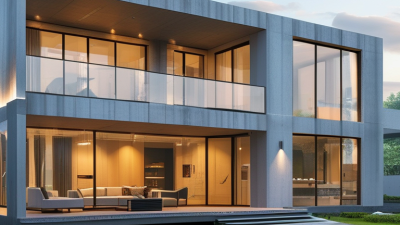
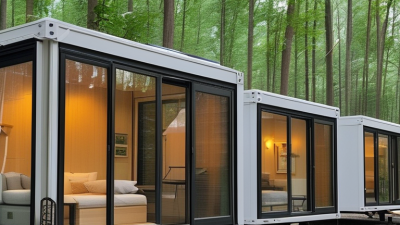
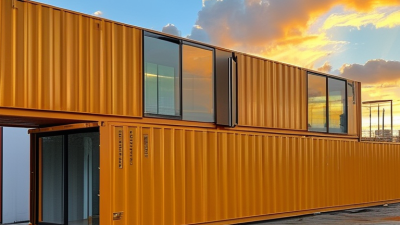
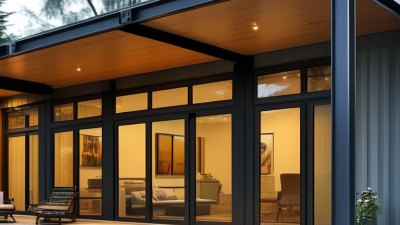
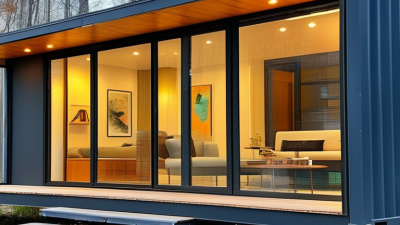
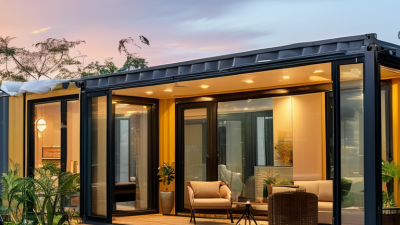
Lately, the construction world has really started to shift towards some pretty innovative building methods. One thing that's been gaining a lot of attention is Pre Fabricated Houses. Basically, these homes are made somewhere else—off-site—and then put together on location. It’s a pretty interesting solution for today's housing challenges. More and more folks and families are checking out this option because it can be more efficient and cost-friendly, you know?
What’s nice about pre-fab houses is that they come in all sorts of designs and you can often customize them a bit to fit your style or needs. That kind of flexibility really appeals to those looking for something more personal. Companies like EcoHouseMart and ModularHome Builders have really made a name for themselves in this space—they know their stuff when it comes to building quality, long-lasting homes. But hey, a word of caution—it's not all smooth sailing. The process can have its hiccups, and not every company keeps standards as high as they should.
Deciding to go with a pre-fab house can be a great move, but it’s really worth doing your homework first. It’s important to understand what the pros and cons are, and to research which builders are the best fit for you. Overall, the idea definitely has potential, but buyers should take some time to think it all through before jumping in. Doing your due diligence makes all the difference, right?
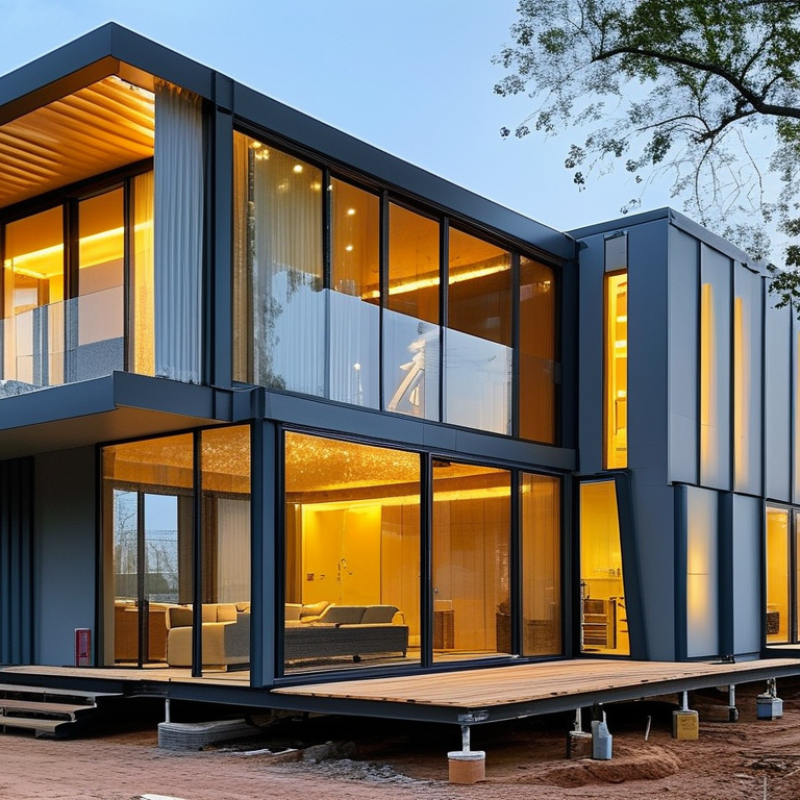
What is Prefabricated Housing? A Comprehensive Overview
Prefabricated housing has gained popularity as an innovative building solution. These homes are built off-site in controlled environments. This process ensures higher quality and reduces construction waste. Prefabricated houses can be assembled quickly, often in a matter of days. This speed is a significant advantage for those facing housing shortages.
One appealing aspect is design flexibility. Buyers can choose from various styles and layouts. Pre Fabricated Cottages can be customized to meet individual needs or preferences. However, some may argue that the lack of traditional construction methods might result in lower perceived value. This perspective deserves reflection. After all, what constitutes a home: its structure or the memories built within?
Another consideration is energy efficiency. Prefabricated homes often include modern insulation techniques. This can lead to lower utility bills over time. However, upfront costs can sometimes be higher than conventional homes. Prospective buyers should weigh these factors carefully. The benefits of pre fabricated cottages may not be apparent to everyone, but with the right knowledge, they can be a smart choice for many.
Benefits of Prefabricated Houses
The Evolution of Prefabricated Houses: From Concept to Reality
The concept of prefabricated houses has evolved significantly over the decades. Traditionally, they faced skepticism due to perceived quality issues and design limitations. However, advancements in construction technology have transformed them into viable housing options for many. According to the U.S. Department of Housing and Urban Development, prefabricated homes now account for over 10% of new homes built in the country.
Modern prefabricated houses offer various benefits. They can be constructed quickly, often within a few weeks. This speed can meet the growing demand for affordable housing. In a report by the National Association of Home Builders, it was noted that these homes can reduce construction waste by up to 50%. This reduction is crucial for sustainable building practices. Additionally, many prefabricated homes are energy-efficient and customizable, appealing to a wider audience.
Despite their advancements, challenges remain. Some potential homeowners express concerns about financing options and zoning laws. Others find it difficult to visualize what prefabricated homes look like in reality. Addressing these gaps is vital for the continued acceptance of prefabricated housing. Engaging with experts can help potential buyers navigate these complexities.
Benefits of Prefabricated Houses: Speed, Cost, and Sustainability
Prefabricated houses are gaining popularity for good reasons. They offer significant benefits in speed, cost, and sustainability. These homes are built in sections or modules off-site, then assembled on location. This method cuts down construction time dramatically. Many projects can be completed in a matter of weeks instead of months. It’s an attractive option for those looking to move in quickly.
Cost efficiency is another major advantage. Pre Fabricated Construction typically involves less waste because materials are used more effectively. Production lines create consistent quality while reducing labor costs. However, it's essential to remain cautious. Cheaper isn't always better. Some might sacrifice quality for cost, which is a critical point of reflection. Buyers need to ensure they choose reliable manufacturers.
Sustainability is a growing concern for many homeowners. Prefabricated houses can incorporate eco-friendly materials and designs. This approach minimizes environmental impact. Energy-efficient features can be integrated easily during production. However, potential homeowners should investigate material sources and building practices thoroughly. Transparency is necessary for making truly sustainable choices. The rise of prefabricated homes invites us all to rethink conventional building practices.
Industry Statistics: The Growing Market for Prefabricated Housing
The prefabricated housing market has seen remarkable growth in recent years. In 2019, the global market was valued at approximately $72 billion. By 2027, it is projected to reach around $100 billion. This shows a clear trend towards the acceptance of prefabricated homes.
One reason for this growth is the increasing demand for affordable housing. Many potential homeowners are struggling to find budget-friendly options. Prefabricated homes offer a solution. They can be built in controlled environments, minimizing material waste and reducing costs. Furthermore, these homes can often be assembled in a fraction of the time compared to traditional construction methods.
The sustainability factor also plays a significant role. As consumers become more environmentally conscious, they look for eco-friendly options. Prefabricated houses typically use less energy during construction and also provide better energy efficiency. However, buyers must be mindful of the quality of materials used. Not all prefabricated homes are created equal; some may skimp on durability. It is vital to research and choose reputable manufacturers.
Comparative Analysis: Prefabricated vs. Traditional Construction Methods
When comparing prefabricated and traditional construction methods, it's essential to consider efficiency and sustainability. Prefabricated houses are constructed in a factory setting. This allows for controlled conditions, fewer errors, and faster assembly on-site. In contrast, traditional building relies heavily on weather, which can delay projects. The speed of prefabrication reduces labor costs and shortens overall timelines.
However, prefabricated homes may face criticism for lack of individuality. Some buyers fear these structures might feel generic. Traditional construction allows for personalized details and design variations. It can provide a sense of connection to local architecture. Yet, many prefabricated designs are now customizable, bridging this gap.
Quality control is a significant factor. Prefabricated homes are thoroughly inspected before delivery, often resulting in higher quality standards. Traditional construction might overlook some quality issues during the building process. A detailed analysis shows that both methods have pros and cons. Your choice depends on your priorities, budget, and vision for your new home.
Challenges in Prefabricated Housing: Quality Control and Regulations
Prefabricated housing offers a unique solution, but challenges exist. One primary concern is quality control. The off-site construction method can lead to inconsistencies. Different manufacturers may use varied materials and processes. This variation can impact the durability and safety of
Pre Fabricated Homes. Buyers might find it difficult to judge the quality before purchase.
Regulatory compliance is another significant issue. Prefabricated homes must adhere to local building codes. Navigating these regulations can be complex. Not all manufacturers are familiar with the requirements in every region. Delays in approvals can lead to increased costs and project timelines.
Homebuyers should be cautious and conduct thorough research.
Consumers need to be aware of these challenges. Ensuring a manufacturer’s credibility is essential. Look for companies with solid reviews and proven track records. Understanding these complexities can lead to better decisions when considering Pre Fabricated Homes.
Future Trends: Innovations in Prefabricated Construction Techniques
The future of construction is leaning heavily toward innovations in prefabricated construction techniques. Prefabricated houses are gaining popularity for their speed and efficiency. They are built off-site, allowing for better quality control and reduced waste. One exciting trend is the use of advanced materials like cross-laminated timber. This not only enhances structural stability but also improves sustainability.
Another trend is the integration of smart home technology into prefabricated cabins. These homes can be equipped with energy-efficient systems, reducing long-term costs. Innovations also include modular designs, allowing for flexibility in layout and adaptation to various terrains. However, there can be challenges. Precise planning is critical to avoid the pitfalls of misalignment and structural issues.
While prefabricated construction offers many advantages, potential buyers still face concerns about customization and community acceptance. Discovering innovative solutions is crucial for addressing these doubts. As the industry evolves, ongoing improvements will likely enhance the appeal of prefabricated homes. This trend presents a promising future for sustainable and efficient living spaces.
FAQS
: Prefabricated houses are homes built off-site and assembled on location. They are gaining popularity today.
These homes can often be constructed within a few weeks, meeting urgent housing needs.
They offer affordable housing options and significant reductions in construction waste, appealing to many buyers.
Potential buyers worry about financing, zoning laws, and the quality of materials used in construction.
Research manufacturers, check their reviews, and consider their experience with local building codes.
They use less energy in construction and are often more energy-efficient post-construction, which attracts eco-conscious buyers.
No, quality can vary significantly among manufacturers. Some may cut corners, impacting durability and safety.
Navigating local building codes can be complex, leading to potential delays and costs for buyers.
Yes, many prefabricated houses offer customization options, allowing homeowners to tailor designs to their needs.
Buyers should assess financing options, quality control, and zoning regulations to make informed decisions.
Conclusion
Pre Fabricated Houses represent a growing segment of the housing market, characterized by their efficient design and construction process. These homes are manufactured off-site in controlled environments and then assembled on location, leading to significant advantages in speed, cost, and sustainability compared to traditional building methods. The evolution of prefabricated housing has transformed from a novel concept to a feasible reality, attracting increasing consumer interest.
Despite the numerous benefits, pre fabricated houses also encounter challenges, particularly in quality control and adherence to regulations. Industry statistics highlight a rising trend in the adoption of prefabricated solutions, suggesting a promising future for innovations in this sector. As the demand for more efficient and eco-friendly building practices grows, pre fabricated houses are poised to play a crucial role in shaping the future of construction.