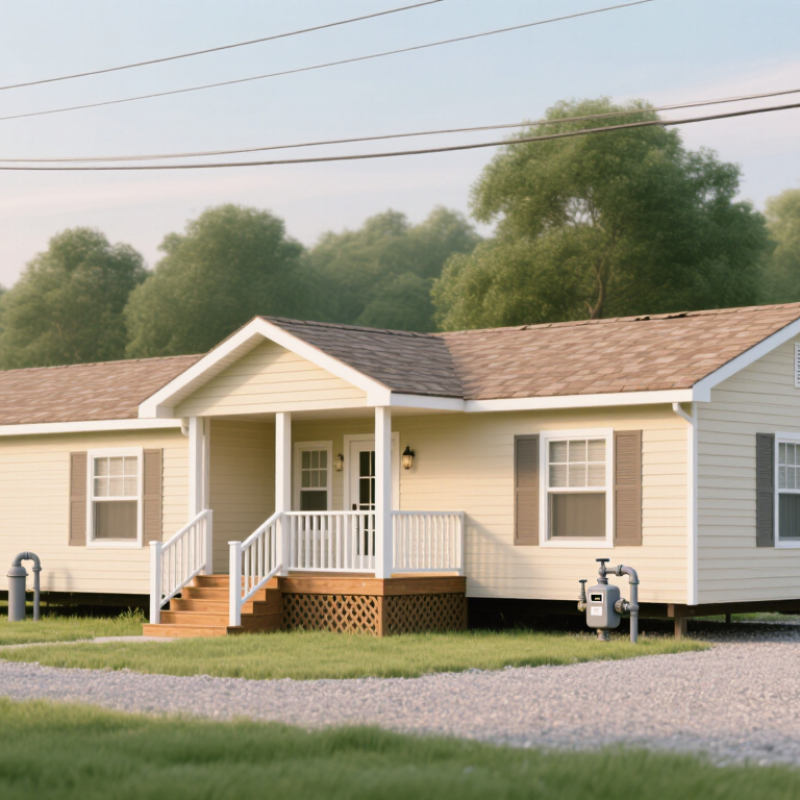
So you're thinking about buying Double Wide Mobile Homes? Awesome—but don't get too attached to that advertised price. It's really just the starting point. A double-wide gets built in sections and then put together right on your homesite, so there's delivery, installation, land, utility hookups, and ongoing site fees to think about. All of those extras can add up quickly and change the final number a lot. Honestly, details matter more than you'd think.
Okay, so the U.S. Census Bureau’s Manufactured Housing Survey recorded 89,169 manufactured homes shipped in 2023. And that number isn’t just for double-wides—it covers all manufactured homes. The Manufactured Housing Institute also puts out its own industry data and consumer guides. Together, those sources give you some useful context, but honestly, neither one replaces a written estimate for your specific home. You know, Lesli Gooch—she’s the president and CEO of the Manufactured Housing Institute—calls manufactured housing “a critical source of affordable housing.” But here’s the thing: affordability isn’t just about the sticker price. You have to look at the full cost of buying and owning one.
Okay, so before you settle on a model, really take the time to compare floor plans, what appliances are included, the energy features, warranty terms, and how delivery actually works. Don't be shy—ask the retailer to break down every single charge. Also, double-check that the home’s dimensions fit the site you’ve chosen, and whether the land is owned or just leased. Because here’s the thing: a low sticker price can still hide some pretty significant costs. Definitely worth a close look.
Okay, so you're shopping for a double wide mobile home—there's a lot to think about, right? This guide walks you through comparing sellers, financing options, homesites, and installation plans. Plus, we'll point out some questions you really should ask before you sign anything. Honestly, the whole process can seem pretty simple at first. Then site prep shows up, and that's exactly when you need to pump the brakes and pay attention.
Before shopping for double wide mobile homes, list who will live in the home and how each room will be used. Count bedrooms, storage areas, and workspaces you genuinely need. Consider daily routines: a clear path from the kitchen to the dining area can matter more than an extra sitting room. Measure large furniture, too. It is easy to picture a spacious layout and overlook where a bed or dining table will fit. Small details matter. If mobility, guests, or future household changes are concerns, include them in your plans rather than treating them as afterthoughts.
Set a purchase budget that covers more than the home itself. Include delivery, site preparation, foundation work, utility connections, permits, insurance, and ongoing expenses such as heating and maintenance. Costs differ by location and property conditions, so request written estimates and confirm what each one includes. Double Wide Prefab Homes may appear affordable at the advertised price, but that figure may not reflect the completed, move-in-ready cost. Keep a reserve for unexpected work; even careful estimates can miss something. Compare financing terms and monthly payments against your reliable income, not an optimistic guess. A simple spreadsheet helps, though it will not make every variable predictable.
This chart applies a commonly used affordability guideline: keep total monthly housing costs at or below 28% of gross household income. For a double-wide home, include the loan payment, property taxes, insurance, and any lot rent in your budget. Actual lender requirements and costs vary.
A double-wide home gives you more room than a single-section model, but layouts and features vary. Compare floor plans in person when possible. Notice bedroom placement, hallway width, kitchen storage, and how daylight reaches the living area. Small details matter. A wide central living room may feel open, while a long corridor can use space you hoped to furnish. New homes often offer more choices in finishes and layouts. Used homes may cost less, but age, maintenance history, and past repairs deserve careful review.
The seller affects what you can compare. A manufacturer or authorized retailer may explain available options, delivery, setup, and warranty terms. An independent dealer may carry several home types, making side-by-side comparisons easier. Private sellers can offer a lower asking price, but you may need to arrange inspections and transportation yourself. Ask for an itemized quote that separates the home, delivery, setup, and optional features. Have a qualified inspector assess a used home, including the roof, floors, plumbing, and signs of moisture. Compare written details, not just showroom impressions. Even then, comparisons are imperfect; I can overvalue a bright kitchen and overlook storage or repair costs. Take notes, ask follow-up questions, and leave time to reconsider before choosing.
A double-wide needs more than a clear view and a level-looking lot. Before making an offer, ask the planning office whether manufactured homes are allowed, and confirm setbacks, access, and minimum lot size. Then check utility connections, septic capacity, and driveway width. A delivery truck and a long trailer need room to turn. Small details matter. A site can look spacious on paper yet have a narrow entrance or overhead branches.
Ask a licensed installer or local building official to review grading, soil, drainage, and foundation requirements. HUD’s Manufactured Home Installation Standards address site preparation and installation conditions, but local requirements may add steps. Check FEMA’s flood maps and the National Risk Index for hazards affecting the property. FEMA warns that just one inch of floodwater can cause about $25,000 in damage to a home. That figure makes drainage worth checking closely. Request a written site assessment, and verify water, power, and sewer availability before committing. A perfect map is not the same as a buildable lot; I would treat any unverified utility estimate as a question, not a promise.
| Site Requirement | What to Verify | Useful Documents or Contacts | Why It Matters |
|---|---|---|---|
| Zoning and land use | Confirm that the parcel allows a manufactured home of the proposed type and size. Check minimum dwelling standards, setbacks, density limits, and any local design or age requirements. | Local planning or zoning department; zoning map; written land-use determination. | Land ownership does not automatically mean a double-wide home can be placed on the parcel. |
| Permits and installation rules | Ask which building, placement, installation, driveway, and utility permits are required, and whether inspections must occur before, during, or after setup. | Building department; permit checklist; applicable state and local installation rules. | Requirements vary by location, and work may need approval before delivery or installation. |
| Parcel boundaries and setbacks | Verify lot lines, easements, required distances from boundaries, roads, wells, septic components, and other structures. Confirm the home, steps, decks, and parking will fit. | Recent boundary survey; recorded plat; zoning setback information. | A survey can reveal placement limits that are not obvious from a listing or online map. |
| Delivery and access | Have the transporter assess road width, turning space, overhead wires, bridge limits, slope, trees, gates, and the route from the public road to the pad. | Transporter’s route and site review; road or access approvals where required. | A double-wide is delivered in sections, so access constraints can affect feasibility and delivery costs. |
| Pad, foundation, and drainage | Confirm the required foundation or support system, soil conditions, grading, drainage away from the home, and any engineering or anchoring requirements. | Site plan; soil or geotechnical information if required; installation and foundation specifications. | Proper support and drainage help protect the home and are commonly subject to local code and inspection requirements. |
| Water supply | Determine whether the parcel can connect to a public water system or needs a private well. Check connection availability, capacity, testing, and approval requirements. | Water utility; local health department; well records and water test results, if applicable. | A nearby water line does not necessarily guarantee a connection or adequate service. |
| Sewage and septic suitability | Confirm access to public sewer or the feasibility of an approved onsite wastewater system. Check permits, system capacity, soil suitability, and required reserve area. | Sewer provider; local health or environmental department; septic permits and inspection records. | Septic approval depends on site conditions and local rules, not just the parcel’s acreage. |
| Electricity and other utilities | Check service availability, connection costs, meter location, required clearances, and whether gas, broadband, or other services can be provided. | Electric utility; qualified electrician; relevant gas or communications providers. | Service extensions and trenching can add cost and may affect the site layout. |
| Flood, wildfire, and other hazards | Review mapped flood risk, drainage history, wildfire exposure, unstable slopes, and any local hazard or building restrictions. | Official flood maps; local emergency-management or planning office; site-specific inspections. | Hazard exposure may influence insurance, permitting, construction details, or whether the site is suitable. |
| Manufactured-home community rules | If placing the home in a community, obtain current written approval criteria, lot dimensions, utility terms, fees, lease conditions, and rules for home size and installation. | Community management; current lot lease or occupancy documents; written site approval. | Community rules and lot availability are separate from local government approval. |
| Final written site approval | Before committing to purchase or delivery, document that the proposed home can be placed on the specific site and identify outstanding conditions, costs, and approvals. | Written determinations from relevant authorities and providers; approved site plan; permit records. | Requirements differ by state, county, municipality, and parcel; verify them for the exact location. |
When comparing Double Wide Manufactured Homes, separate the home price from the land and installation costs. The U.S. Census Bureau’s 2023 Manufactured Housing Survey reported an average new manufactured-home sale price of about $124,000; that figure generally excludes land. Treat it as a benchmark, not a quote. A sloped lot, long delivery route, or missing utility connections can change the budget quickly.
Financing terms matter just as much. The Consumer Financial Protection Bureau’s 2021 analysis found that roughly 42% of manufactured-home purchase loans were chattel loans, secured by the home rather than the land. These loans may carry higher rates and shorter terms than mortgages. Compare the annual percentage rate, fees, down payment, and total interest—not just the monthly payment. Ask whether the loan covers land, transport, foundation, and installation.
Get written estimates for site preparation, permits, utility hookups, foundation work, insurance, and taxes. Add a contingency for surprises. A rocky patch or a delayed power connection can mean extra expense. I would also check whether a quoted setup price includes stairs, skirting, and final inspections; assumptions here are easy to miss. Costs add up. Keep the lender’s estimate and installer’s scope side by side, then calculate the full amount due before move-in.
When inspecting a double wide, look beyond fresh paint and tidy rooms. Check ceilings for brown rings, especially near vents and window corners. Walk each room slowly; soft spots, sloping floors, or doors that stick may signal movement or moisture damage. Examine the roofline, exterior seams, windows, and the underside for stains, damaged insulation, or exposed plumbing. Take dated photos. A quick visit can miss a lot.
Tips: Compare homes of similar age, size, and layout. Ask for repair records and utility costs. If a listing uses the phrase “Double Wide Container Home,” verify what structure is actually being offered; terminology can be inconsistent. Don’t rely on appearance alone.
Condition is easier to judge when you compare specific details, not just asking prices. Note which home has newer flooring, working windows, and dry areas under sinks. Ask whether repairs were recent and who completed them. If possible, arrange an independent inspection, especially when you notice musty smells, uneven floors, or patched ceilings. These signs do not prove a serious defect, but they deserve a closer look. It is tempting to dismiss one small stain. I would pause and ask what caused it. A clean-looking home can still need costly work.
Before signing a double-wide purchase contract, check that the model, dimensions, included appliances, and quoted price match the sales paperwork. The U.S. Census Bureau’s 2023 Manufactured Housing Survey recorded roughly 89,000 new manufactured homes shipped. With many units moving through the market, clear paperwork helps distinguish the home price from delivery, foundation, utility connections, and site work. Ask for each cost in writing. Keep copies.
Review the deposit rules, delivery schedule, financing conditions, cancellation terms, and warranty coverage. Confirm who handles permits and installation, and whether delays change your costs. The contract should identify the home’s serial numbers and list any promised upgrades. HUD’s manufactured-housing standards require certification labels and a data plate; check that the delivered home’s identifying details match its documents.
A missing label is not a detail to wave away. Small mismatch, big headache.
Before payment, compare the contract with the purchase order, financing disclosure, installation agreement, warranty, and any change orders. If a document conflicts with a salesperson’s promise, request a written correction before signing. Read the fine print slowly; people miss things when tired. State requirements and document names can vary, so ask a qualified local housing professional or attorney about unclear terms.
Before scheduling delivery, confirm that the home’s sections can reach the prepared site. Ask the transporter and installer to review driveway width, turning space, overhead branches, and soft ground. Measure twice. A tight corner can delay delivery or require extra equipment. Check that the foundation is complete, level, and ready for the home’s dimensions. Keep the route clear of parked vehicles and stored materials. Confirm who handles permits, crane access, and setup inspections; responsibilities can vary by location and contract. Get dates and costs in writing. Small details matter.
Arrange utility connections before the delivery date, not after the home is set. Have qualified professionals confirm where water, sewer or septic, electricity, and gas lines will meet the home. Ask whether connections need inspection before they are covered. Protect exposed pipes from freezing if cold weather is possible. A Double Wide Shipping Container Home may have different transport needs, so do not assume its setup plan applies to a manufactured home. I once underestimated how long utility coordination could take; that was a poor assumption. Build in extra time, and keep contact details for the installer and utility providers together.
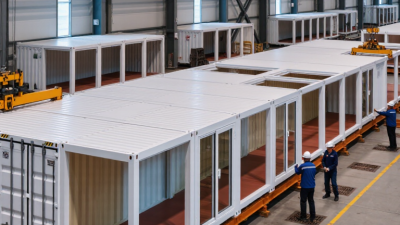
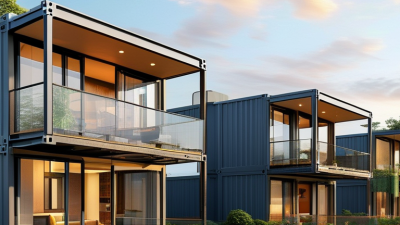
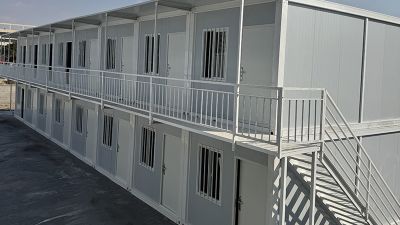
A double-layer quick-assembly container house makes better use of limited ground space by arranging accommodation and work areas across two floors. Its modular layout provides room for sleeping, relaxing, and everyday living, while also allowing dedicated spaces for meetings, administration, or project coordination. This separation helps residents and staff share one site without making the building feel like a single crowded room.
Designed for straightforward assembly, the structure can be set up to support changing project needs and adapted to different site layouts. The two-storey design increases usable floor area without requiring a larger footprint, making it suitable for construction sites, temporary camps, on-site offices, and project headquarters. Practical internal planning can help keep work activities distinct from living areas, supporting a more organized daily routine. By combining accommodation and office functions in one modular building, it offers a flexible way to make efficient use of space where land is limited.
Confirm manufactured homes are allowed, then check setbacks, lot size, access, and utility availability. Ask local officials about requirements.
Have a qualified installer review grading, soil, drainage, and foundation needs. Check flood risks, too. A level-looking lot can still have problems.
Look for ceiling stains near vents and windows, soft floors, sticking doors, and musty smells. Take photos. Small clues matter.
Check the roofline, exterior seams, windows, insulation, and exposed plumbing. Look for moisture stains beneath the home.
No. Ask for repair records and utility costs, and compare homes of similar age and layout. Fresh paint can hide unanswered questions.
Make sure the route has enough width and turning space. Check for low branches, soft ground, and a completed foundation. Measure twice.
Coordinate water, sewer or septic, electricity, and gas before delivery. Ask qualified professionals about inspections and connection locations.
Confirm who handles permits, setup inspections, and equipment access. Put dates and costs in writing, and keep key contacts together. I would allow extra time.
Buying Double Wide Mobile Homes begins with a clear plan. Decide how much living space you need, set a realistic purchase budget, and compare available home types and sellers. Before choosing a property, check the location and confirm that the site can accommodate the home, including its dimensions, access, and utility needs. Explore financing options and calculate the full cost, taking delivery, installation, site preparation, and ongoing expenses into account.
When comparing homes, inspect their condition carefully and consider any repairs or updates that may be needed. Review the purchase contract and required documents so you understand what is included, the payment terms, and the responsibilities of each party. Before finalizing your plans, arrange delivery and installation, and coordinate connections for essential utilities. Careful research at each step can help you make an informed choice and prepare for a smoother move-in.