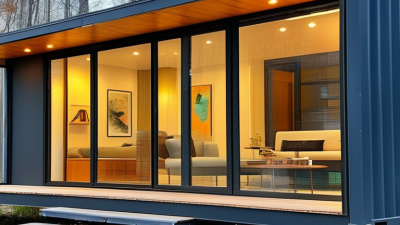
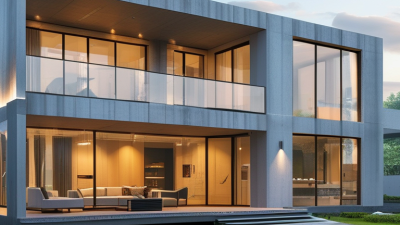
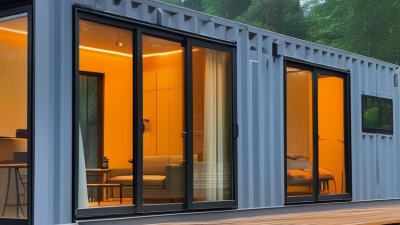
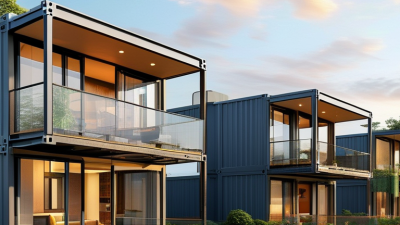
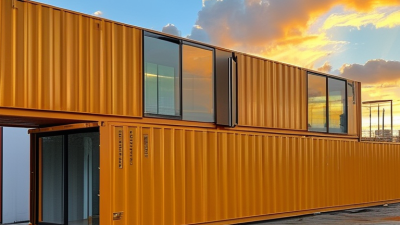
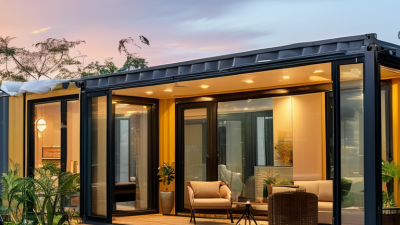
Lately, it’s been really interesting to see how popular Prefab Tiny Homes have become, especially as more folks get into the whole minimalist lifestyle. These tiny homes are appealing because they’re portable, efficient, and eco-friendly. A lot of people choose them to really cut down on clutter, save some cash, or just live a greener life. It’s kind of like hitting a few birds with one stone, you know?
When you’re on the hunt for a Prefab Tiny Home, there are a few key things you should keep in mind. Your choice should truly match what you need and like. A good tiny home isn’t just about being practical—it should also look good, kinda like expressing your style in a little package. Companies like Tumbleweed Tiny House Company and MODS International have got a pretty wide variety of options. But honestly, choosing one can sometimes feel a bit overwhelming—there are so many things to consider!
It’s really important to think about what’s most important for your tiny space. Do you need a cozy home office? Or maybe you want more storage? Modern Prefab Tiny Homes come in all sorts of layouts and configurations, each with their own pros and cons. So, take your time to weigh the options carefully—making an informed choice will save you headaches down the line.
Determine Your Budget for a Prefab Tiny Home
When considering Prefab Tiny Homes, establishing a budget is crucial. Begin by evaluating your financial situation. List all your income sources and current expenses. This gives you insight into how much you can afford to spend. Tiny homes can be surprisingly pricey, even with their smaller sizes. Costs can range widely based on materials and customization.
Don’t forget to factor in additional expenses. Think about land costs, utilities, and permits. These can add up quickly. A cheap prefab tiny home can turn costly if you overlook these aspects. Moreover, consider your lifestyle needs. Will the home serve as a full-time residence or a weekend getaway? Each scenario will influence your budget.
While staying under budget is essential, don’t skimp on quality. Investing in durable materials can save you money in the long run. Think about resale value too. A well-built prefab tiny home can appreciate over time. Reflect on your priorities and needs. Balancing cost and quality is key to finding the right tiny home for you.
Evaluate Your Space Requirements and Preferences
When considering Tiny Prefab homes, evaluate your space requirements carefully. Think about how many people will live there and their needs. A study by the National Association of Home Builders reveals that about 70% of people desire flexible living spaces. These spaces should accommodate daily activities, storage, and privacy.
You might prefer open-concept living for socializing. Alternatively, separate areas could be vital for family. Assess the layout to find the right fit. A report by the American Institute of Architects points out that well-designed compact spaces can improve functionality and comfort. A tiny prefab home that maximizes vertical space can reduce clutter and enhance livability.
Reflecting on your preferences is crucial. Do you often work from home? If so, a designated work area may be necessary. Many tiny prefab designs offer multipurpose furniture that adapts to your lifestyle. While this can be appealing, it might not suit everyone. Not all functions may seamlessly blend, leading to potential frustration. Being mindful of these factors ensures you create a space that truly meets your needs.
Research Different Types of Prefab Tiny Homes
When researching different types of prefab tiny homes, it's important to explore various styles and designs. According to the American Institute of Architects, the demand for tiny homes surged by 67% over the last decade. This growing interest reflects a shift towards sustainable living and minimalism. You're not just choosing a home; you’re embracing a lifestyle.
Prefab Tiny Cabins are popular for their efficiency. Many models offer flexible layouts that maximize space. A typical unit can range from 200 to 400 square feet, making them manageable for single occupants or couples. The cost varies, but many prefab options remain affordable, often priced between $40,000 to $100,000. However, one has to consider additional costs like land, utilities, and permits.
Not every prefab tiny home fits all needs. Some are designed for year-round living with insulation and HVAC systems, while others might be seasonal. Your decision should reflect your lifestyle and environmental values. Think about how much space you truly need and what features are essential. It’s a process requiring honest self-reflection and research.
Consider Sustainable and Energy-Efficient Options
When choosing prefab tiny homes, sustainability should be at the forefront. Energy-efficient options are not just trendy; they make economic sense. According to a report by the U.S. Department of Energy, buildings account for 40% of energy consumption. Prefab homes can leverage cutting-edge materials that promote insulation and energy savings. Selecting homes with high R-values and energy-efficient windows helps lower utility costs and environmental impact.
Incorporating renewable energy systems can further enhance energy efficiency. Solar panels, for instance, can reduce reliance on traditional power sources. The National Renewable Energy Laboratory estimates that well-placed solar panels can decrease energy bills by up to 75%. However, upfront costs for these technologies can be daunting. It's crucial to weigh immediate expenses against long-term savings.
Lastly, consider the materials used in construction. Eco-friendly materials not only reduce waste but also improve indoor air quality. Reports from the Environmental Protection Agency show the importance of low-VOC materials for better health outcomes. While the options are abundant, it’s okay to feel overwhelmed. The decision should reflect your values and lifestyle while seeking to improve both energy efficiency and sustainability.
How to Choose the Best Prefab Tiny Homes for Your Needs? - Consider Sustainable and Energy-Efficient Options
| Feature |
Description |
Energy Efficiency Rating |
Sustainability Features |
| Size |
Typically ranges from 100 to 400 square feet |
A+ |
Use of recycled materials |
| Materials Used |
Wood, steel, and eco-friendly insulation |
A |
Non-toxic finishes |
| Energy Sources |
Solar panels, wind energy, and grid tie-in |
A++ |
Rainwater collection system |
| Design Options |
Customizable layouts and aesthetics |
B+ |
Passive solar design |
| Cost |
Varies based on size and materials, generally affordable |
N/A |
Long-term savings on utilities |
Inspect Quality and Materials Used in Construction
When choosing a prefab tiny home, inspecting the quality and materials used in construction is crucial. Data from the National Association of Home Builders indicates that 80% of homeowners prioritize durability in their designs. This statistic highlights the importance of robust construction to withstand various weather conditions. Look for materials that offer both insulation and resilience, such as SIP panels or quality timber. These selections not only enhance longevity but also contribute to energy efficiency.
Additionally, the sourcing of materials plays a significant role in long-term satisfaction. Reports show that homes built with sustainable materials can reduce energy costs by up to 30% annually. Pay attention to certifications like LEED or Energy Star, which indicate a commitment to eco-friendly practices. However, not all manufacturers consistently adhere to high standards. It's essential to ask specific questions about sourcing and testing.
Examine aspects like framing, roofing, and siding for signs of potential weakness. Are the connections reinforced? Is the roof capable of handling heavy snow loads? These considerations are often overlooked, yet they can lead to costly repairs later. Reflect on how these factors align with your specific needs. Making informed choices requires more than just aesthetics; it demands a careful evaluation of material integrity.
Check Local Zoning Laws and Building Regulations
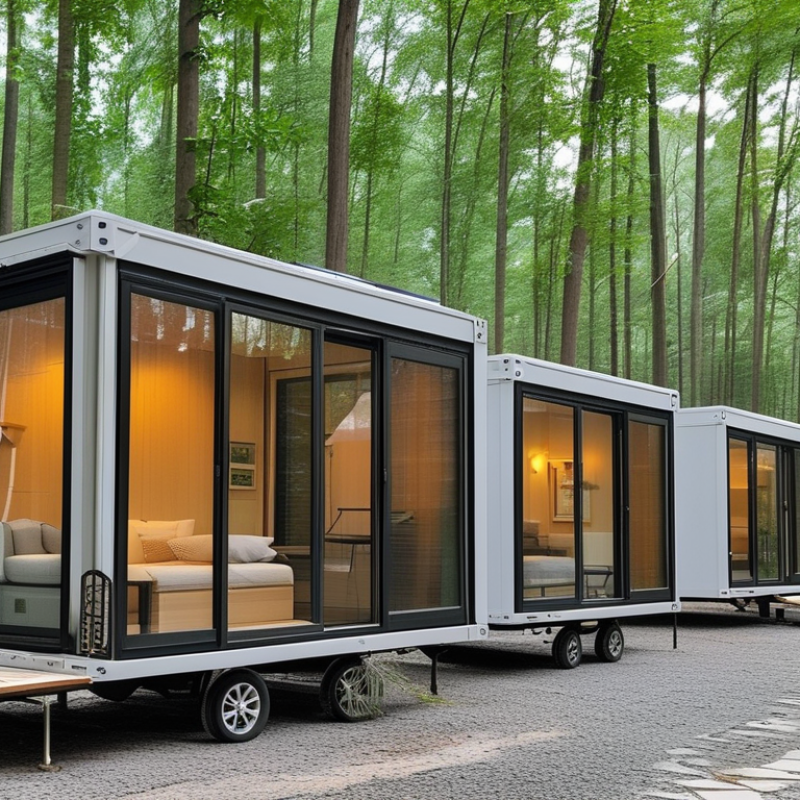
When considering a Prefab Tiny House On Wheels, it's crucial to check local zoning laws. These laws can dictate where you can place your home. Different areas have varying regulations. Some places allow prefab tiny houses on wheels, while others do not. This oversight can lead to frustrations later.
Building regulations often include size limits, foundation requirements, and utility connections. Ensuring your structure meets these specifications is important. Failing to comply can result in fines or, worse, removal of the home. Research local ordinances carefully. Visit government websites or talk to local officials for clarity.
Sometimes, the process can feel overwhelming. You may think you've met the requirements, yet find unforeseen complications. It's vital to rethink your plans and remain flexible. You might consider alternatives if your ideal location doesn’t allow for tiny houses. The ultimate goal is to create a safe, welcoming space that fulfills your needs.
Understanding Zoning Laws for Prefab Tiny Homes
Compare Features and Customization Options Available
When selecting a prefab tiny home, understanding the features and customization options is essential. Many manufacturers offer various layouts, sizes, and designs. This allows you to find a home that fits both your lifestyle and aesthetic preferences. Look for options like open floor plans or partition walls, which can drastically change your living experience.
Customization is one of the most attractive aspects of prefab tiny homes. You can often choose finishes, colors, and materials that reflect your personality. Think about energy-efficient windows or sustainable materials. These choices might save costs in the long run, but they also require thoughtful consideration of your local climate and environment.
Reflect on your must-haves. Do you need space for a home office? How about outdoor areas? Not all tiny homes come with porches or decks. Some may lack storage solutions that fit your needs. Deliberate over what features are essential and which ones you can compromise on. This can be a challenging decision, but it shapes your living experience.
FAQS
: Evaluate how many people will live there and their needs. Space should accommodate daily activities and privacy.
A well-designed layout can improve functionality and comfort. Consider open-concept or separate spaces based on your lifestyle.
Maximizing vertical space can reduce clutter and enhance livability. This can make a small area feel more spacious.
A designated work area may be necessary. Not all multi-functional designs suit everyone’s needs.
Different styles reflect personal preferences and sustainable living. Understanding options helps you choose a fitting lifestyle.
Many units range from 200 to 400 square feet and cost between $40,000 to $100,000, excluding land and utilities.
No, some homes are seasonal. Assess insulation and HVAC systems based on your living needs.
Reflect on personal lifestyle and values. Honest self-assessment aids in choosing essential features.
Conclusion
When considering the purchase of prefab tiny homes, it's crucial to start by determining your budget, as this will guide your decisions throughout the process. Next, evaluate your space requirements and personal preferences to find a model that suits your lifestyle. Researching the various types of prefab tiny homes available will help you identify the features that best fit your needs.
Additionally, consider sustainable and energy-efficient options to minimize your environmental footprint. Inspecting the quality of materials used in construction ensures that your home is durable and safe. It's also important to check local zoning laws and building regulations to ensure compliance, as these can affect where and how you can place your tiny home. Finally, comparing customization options will allow you to create a living space tailored to your unique requirements, making your prefab tiny home even more enjoyable.