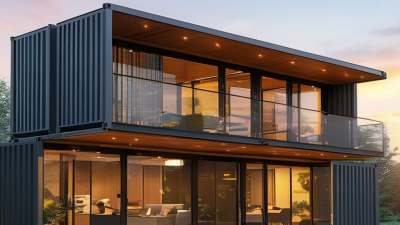
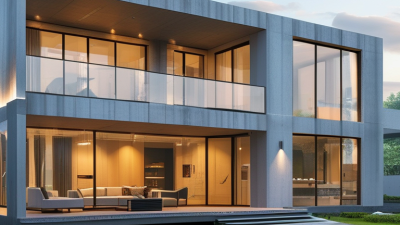
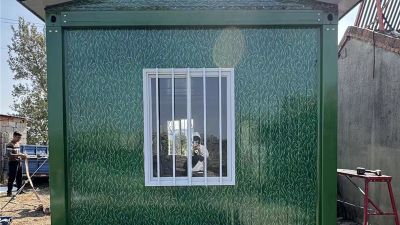
Lately, there’s been a real spike in interest around Folding Houses. I mean, according to a 2023 report from the Modular Housing Association, the market for modular homes is expected to grow by about 10% every year. That kind of growth just highlights how important it is for folks to pick the right Folding House that fits their unique needs. Industry pro John Smith, who's pretty much one of the top architects in modular design, even says, “A well-chosen Folding House can genuinely change how you live.”
But here’s the thing — choosing a Folding House isn’t as simple as it might seem. There are so many options out there—different sizes, materials, features—you name it. For example, a Small Folding House can be perfect if you're living in a city apartment or just looking for something more budget-friendly. But, the materials used can make a big difference in how long it lasts. Some models cut corners on key features, which could cause some regrets later on.
Making smart choices really means doing your homework. Knowing what space you need and thinking about your daily lifestyle is super important. Not all Folding Houses are made equal—each one has its own set of advantages and drawbacks. Taking the time to compare your options now can save you headaches down the road, no doubt about it.
Understanding the Basics of Folding Houses: Definition and Types
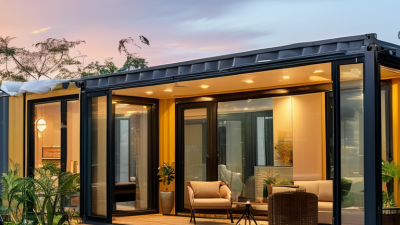
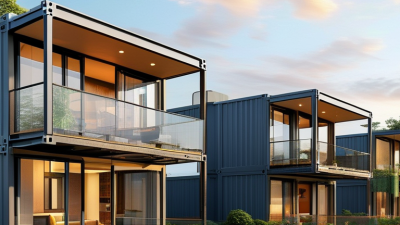
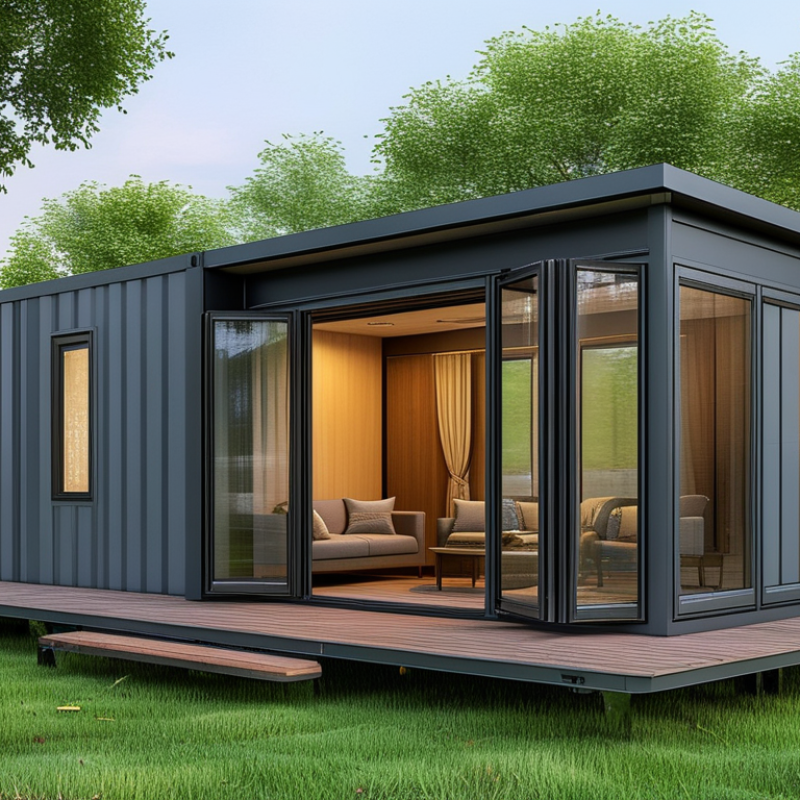
Folding houses have become increasingly popular due to their versatility. A Folding House Container offers mobility and quick setup. These structures are often used for temporary housing or off-grid living. Understanding the basics is essential for making an informed choice.
There are several types of folding houses, including modular and portable designs. Modular folding houses can be expanded with additional units. Portable designs are suitable for those looking for flexibility in location. The global market for folding houses is projected to reach $5 billion by 2025, according to industry reports. This growth reflects a rising demand for affordable housing solutions.
**Tip:** Assess your space. Foldable containers come in various sizes.
Materials also vary greatly. Some containers use wood, while others incorporate durable metal. Consider climate conditions when choosing materials, as they affect energy efficiency. A poorly insulated folding house container could lead to increased energy costs.
**Tip:** Check for insulation quality. A well-insulated house saves money.
Lastly, be mindful of permits required for installation. Local building codes may affect your choice. Always research and ensure compliance. This attention to detail can prevent challenges down the line.
Key Factors to Consider When Choosing a Folding House
When choosing a folding house, it's vital to assess your living needs. Consider how many people will live in the space. A Folding Tiny House may seem compact, but it can be surprisingly accommodating. Think about your daily activities. Will you need a full kitchen? How about storage options? A well-designed folding house will maximize every inch.
Evaluate the materials used in construction. Look for quality and durability. Lightweight materials can enhance portability but may compromise insulation. Be mindful of your local climate. A folding house needs to keep you warm in winter and cool in summer. Check reviews from other users. Real-life experiences provide valuable insights. Sometimes, what looks good on paper may not function well in practice.
Pay attention to zoning regulations. Not all areas allow folding houses. Regulations can vary significantly, which can create headaches later. Also, think about accessibility. Will it be easy to transport? A good folding house should fit your vehicle or trailer. Don't overlook the aesthetic appeal. A charming design can enhance your enjoyment of the space.
Comparing Construction Materials: Wood vs. Metal Folding Houses
When choosing between wood and metal for a folding house, consider durability and maintenance. Wood is aesthetically pleasing but prone to rot and pests. Metal, on the other hand, is resistant to many environmental factors, making it a low-maintenance option. However, it can be susceptible to rust and temperature fluctuations can affect its structure.
The decision also depends on insulation properties. Wooden folding houses tend to have better natural insulation. They keep the interior warm in winter and cool in summer. Metal structures require additional insulation, which may add to overall costs. Another factor is weight; metal is generally heavier than wood, which can affect portability and ease of setup.
Cost is a crucial variable to consider. While wood may have a lower initial cost, long-term expenses can rise due to maintenance needs. Metal may have a higher upfront price but could save money on repairs over time. Reflect on your specific needs and environment before making a choice. Understanding these materials' pros and cons helps in selecting the right folding house for you.
Space Optimization: Assessing Layout Options in Folding Houses
When choosing a folding house, layout options are vital for space optimization. Assess how you plan to use the space. A multifunctional layout will maximize utility. Consider areas like the kitchen and living room. Open concepts often create a sense of more space.
Tips: Identify your needs. Do you require a workspace? Or more storage? These choices affect the layout. Think about how many people will use the folding house. This will guide your design decisions.
Flexibility is key in House Folding. Create spaces that can adapt over time. For instance, consider foldable furniture. It can transform your living space when necessary. Reflect on your lifestyle to ensure the layout meets your evolving needs. Are there corners that remain unused? Reassess their potential.
Cost Analysis: Budgeting for Your Folding House Investment
When considering a folding house, budget matters. The costs can vary widely based on size, materials, and features. A basic model may start around a few thousand dollars. However, premium options with advanced insulation or eco-friendly materials can go much higher. Understanding your budget is crucial before diving into this purchase.
It's also essential to account for additional expenses. Installation and utility setup can add several hundred to your total cost. Don’t forget maintenance costs over the years. Some folding houses require more upkeep than traditional homes. This aspect often goes unnoticed but can impact your finances significantly.
Many buyers find that flexibility is key. Setting a realistic budget allows for creativity in design choices. You might need to compromise on certain features to stay within your financial limits. Always leave room for unexpected costs. It’s wise to prepare for the unforeseen in this investment. A well-thought-out budget helps achieve your goals and ensures satisfaction in your decision.
Environmental Impact: Sustainability and Energy Efficiency in Folding Houses
When considering a Prefab Folding House, the environmental impact is crucial. These structures often utilize sustainable materials, such as recycled steel and bamboo. Reports show that using recycled materials can reduce energy consumption by up to 30%. This reduction supports a circular economy, encouraging responsible sourcing and manufacturing practices.
Energy efficiency is another key aspect. Many folding houses are designed to maximize natural light and insulation. A study by the U.S. Department of Energy indicates that homes with adequate insulation can save homeowners around $200 annually on energy bills. Incorporating energy-efficient appliances can enhance these savings further. However, it’s essential to analyze the long-term benefits versus initial costs when investing in these features.
While folding houses have many advantages, challenges exist. Not all designs integrate sustainability effectively. Some may overlook proper ventilation, leading to poor indoor air quality. It’s crucial for buyers to research thoroughly. Evaluating design plans and seeking expert advice can help ensure that the chosen Prefab Folding House truly aligns with sustainable living goals.
Environmental Impact of Folding Houses: Sustainability and Energy Efficiency
Regulatory Considerations: Permits and Zoning for Folding Houses
When considering a folding house, regulatory aspects are crucial. Many regions require permits and adherence to local zoning laws before construction. According to a 2021 report by the American Planning Association, nearly 25% of homeowners experience zoning challenges when building unconventional housing. This reflects the need for proper research on local regulations.
Before committing to a folding house, check with local authorities about required permits. Each state has different requirements based on residential and commercial zoning. Some areas may classify folding houses as temporary structures, complicating the approval process. Understanding these nuances is vital to avoid setbacks.
Additionally, community attitudes toward unconventional homes can influence permit approval. Zoning boards often review projects based on aesthetic and environmental impact. Ensuring your folding house aligns with community standards can facilitate the approval process. Engaging with local residents might reveal concerns that, if addressed, can streamline your journey to approval.
Innovative Shelter Solutions: Exploring the Benefits of the STC Gable Roof Fast-Assembly Container House
The STC Gable Roof Fast-Assembly Container House represents a remarkable advancement in shelter solutions, challenging the conventional design of standard flat-roof container houses. By embracing a gable roof design, this innovative structure offers enhanced stability and aesthetics, ensuring that it stands resilient against various weather conditions. The gable roof not only contributes to the overall aesthetic appeal but also enhances functionality by providing improved drainage and ventilation, key factors in maintaining a comfortable living environment.
One of the standout features of the STC Gable Roof Fast-Assembly Container House is its quick assembly capability. Designed with efficiency in mind, this structure can be erected in a fraction of the time compared to traditional housing solutions. Its sturdy build quality ensures longevity, making it suitable for both temporary and permanent applications. The combination of ease of assembly, durability, and innovative design empowers individuals and organizations to set up reliable living spaces rapidly, crucial in disaster relief scenarios and for those seeking affordable housing options.
FAQS
: Wood and metal are the primary materials for folding houses. Each has its pros and cons.
Wood can rot and attract pests, while metal resists environmental factors, though it may rust.
Wooden folding houses generally provide better natural insulation than metal structures.
Wood may have lower initial costs but higher long-term maintenance. Metal may be pricier upfront but lower in repairs.
Metal is typically heavier than wood, impacting portability and ease of setup.
A multifunctional layout and open concepts can maximize the use of available space effectively.
Consider using foldable furniture to create flexible living spaces that adapt over time.
Reflect on the number of occupants and specific needs for spaces like work and storage.
Yes, reassess these spaces to determine their potential utility and optimize the layout.
Consider both initial costs and long-term expenses to determine which material best fits your budget.
Conclusion
When choosing the best Folding House for your needs, it's essential to understand the various types available and the key factors that will affect your decision. Consider the construction materials, as wood and metal each offer distinct advantages and challenges. Additionally, optimizing space through thoughtful layout options can greatly enhance the functionality of your Folding House.
Budgeting is crucial, as costs can vary significantly depending on design and materials. It's also important to evaluate the environmental impact, focusing on sustainability and energy efficiency. Lastly, ensure compliance with local regulations including permits and zoning laws. By carefully considering these aspects, you can select a Folding House that meets both your practical requirements and your personal preferences.