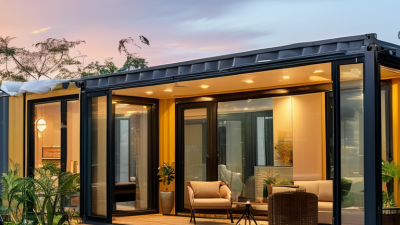
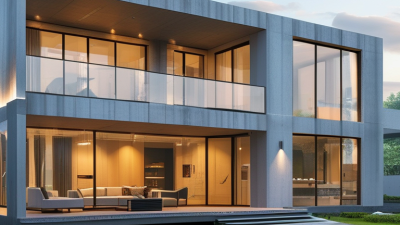
Lately, as more folks jump on the downsizing bandwagon, you’ve probably noticed that the interest in Tiny House Modular Homes is really picking up. According to a report from the National Association of Home Builders, about 70% of people who are thinking about buying a home are actually interested in smaller, more affordable, and super efficient living spaces. And you know, experts like Alex Pino — who’s pretty well-known in the tiny house scene — often say, 'A tiny house isn’t just about the size; it’s a whole lifestyle choice that pushes sustainability and keeps things simple.' It’s pretty inspiring, honestly.
Now, picking the perfect tiny house can feel a bit overwhelming. With so many options out there, it’s easy to get lost in all the details. Every tiny home is different—designed to fit various lifestyles and needs. But a lot of folks miss out on important stuff like energy efficiency, clever use of space, and how flexible the design really is. Figuring all that out can be tricky, but trust me, it’s worth it if you want to be happy with your choice in the long run.
And here’s another thing to think about: your needs might change over time. What works for you right now might not cut it down the road. That’s why it’s so important to pick a tiny home that’s not just perfect today but can adapt with you in the future. Bringing in some expert advice and focusing on solid, reliable options will help steer your decision-making in the right direction. By understanding these points, you’ll be able to choose a tiny house that really matches your personal and financial goals — making sure you’re happy with it down the line.
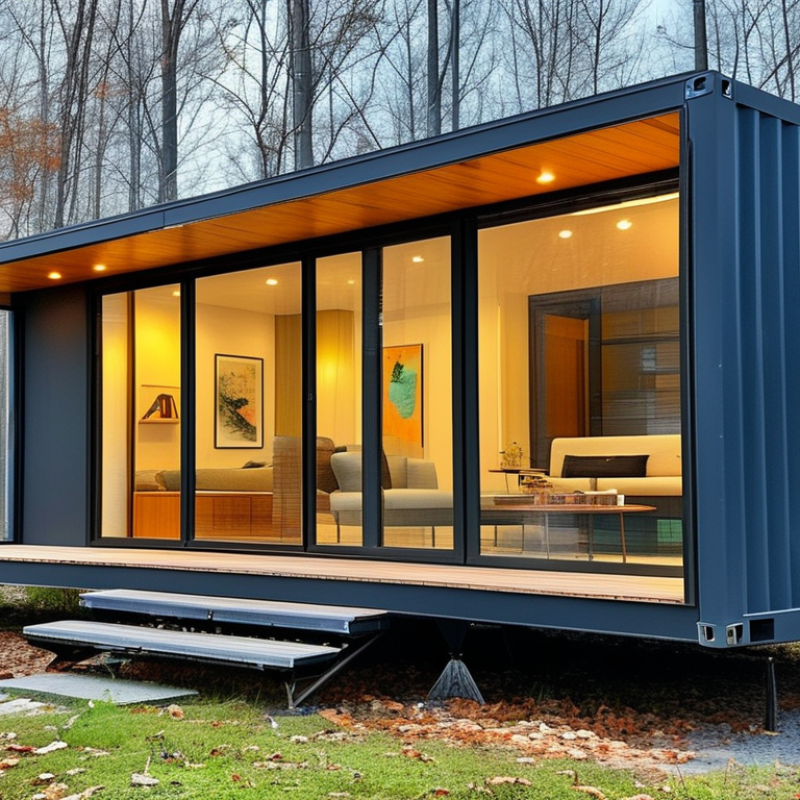
Understanding Tiny House Modular Homes and Their Benefits
Tiny house modular homes have gained popularity for good reasons. They offer an efficient living solution while promoting a sustainable lifestyle. These homes are designed to be compact yet functional. You can customize them to suit your personal needs, which is crucial for many buyers. The process often feels overwhelming; navigating different options can be confusing.
These modular homes typically include high-quality materials and energy-efficient systems. They often minimize waste during construction, which supports eco-friendly practices. However, potential buyers should consider zoning regulations in their areas. Not all places accommodate tiny homes. Researching local laws can save you from future headaches.
It's essential to reflect on your space needs. Some might find a Modular Tiny House too cramped after living in a larger space. Understanding personal requirements before making such a significant choice is vital. Finding balance between functionality and comfort can be challenging, but it’s crucial for long-term satisfaction.
Determining Your Budget for a Tiny House Modular Home
When considering a Tiny House Modular Home, budgeting is crucial. Industry data shows that average costs range from $30,000 to $100,000. This wide range often includes factors like location, materials, and custom designs. A Tiny House Container Home can be more affordable, starting around $25,000. However, additions like solar panels and premium finishes can quickly raise the total.
Explore financing options before starting. Mortgage alternatives like personal loans are common for tiny homes. According to the National Tiny House Association, many owners spend between $300 and $500 monthly. This might seem manageable, yet hidden costs arise. Permit fees and utility connections are common oversights. Construction duration also affects your budget. Unexpected delays can inflate costs significantly.
Consider resale potential too. While tiny homes are appealing, they may not appreciate like traditional properties. Local real estate trends can also influence resale value. Buyer demand varies, especially in urban areas. Conduct thorough research to avoid financial pitfalls. Understanding your financial landscape is vital for a successful tiny home journey.
How to Choose the Best Tiny House Modular Home for Your Needs? - Determining Your Budget for a Tiny House Modular Home
| Feature |
Description |
Estimated Cost ($) |
| Size |
Choose between 100 to 400 square feet depending on your space needs. |
20,000 - 80,000 |
| Materials |
Wood, metal, and eco-friendly options available. |
5,000 - 15,000 |
| Utilities |
Set up for plumbing, electricity, and heating. |
3,000 - 10,000 |
| Design |
Customizable layouts and finishes to suit your style. |
2,000 - 7,000 |
| Transport |
Cost for moving the tiny house to your chosen location. |
1,000 - 5,000 |
| Permits |
Local building permits and regulations fees. |
500 - 2,000 |
| Total Estimated Budget |
Overall estimated budget required for purchasing a tiny house modular home. |
31,500 - 129,000 |
Identifying Your Space Requirements and Layout Preferences
When choosing a tiny house modular home, understanding your space requirements is crucial. Consider how you will use each area. Do you need a dedicated office space? Perhaps a cozy reading nook? Think about your lifestyle. Will you entertain guests often, or do you prefer solitude? These reflections will help shape your design.
Layout preferences also play a key role. Do you favor an open floor plan that maximizes space? Or does a more segmented approach feel appealing? Visualize where furniture will go. Sketching out your ideal layout can bring clarity. Additionally, think about storage solutions. Tiny homes require creative thinking to avoid clutter.
Moreover, consider natural light and airflow. A well-placed window can transform a small room. Reflect on the importance of a comfortable living environment. Choose colors and materials that inspire calmness. Finding the right balance between functionality and aesthetics is a reflective journey. Embrace the imperfections and challenges that come with designing your tiny home.
Space Requirements and Layout Preferences for Tiny House Modular Homes
Choosing the Right Location for Your Tiny Home
Choosing the right location for your tiny home is crucial. The foundation of your tiny living experience lies in its environment. According to a 2021 report from the American Tiny House Association, around 68% of tiny home owners emphasize the significance of location in enhancing their lifestyle. A picturesque setting can significantly impact your daily mood and interactions.
When considering location, access to amenities is essential. Many tiny home owners seek areas near grocery stores, healthcare facilities, and recreational spaces. A survey by the Tiny Home Industry Association found that 75% of respondents prefer locations within walking distance of essential services. However, proximity to amenities can come at a premium. Urban areas, often crowded, may lead to higher costs and limited space. Reflecting on these compromises is vital.
Additionally, zoning laws can complicate your choice. Each locality has specific regulations for tiny homes. Some areas embrace them, while others do not. For instance, areas allowing
Tiny Home Container Houses may offer more freedom, yet could lack nearby services. Thus, researching local policies is essential. Striking a balance between desired amenities and legal constraints can be challenging but necessary for an optimal living experience.
Exploring Different Tiny House Designs and Styles
When exploring tiny house designs and styles, it's essential to understand your unique needs. Tiny houses come in various forms, from minimalist cabins to modern trailers. Each design reflects a lifestyle choice. Some prefer open layouts for more light. Others need defined spaces for functionality. Consider how you live and what reflects your personality.
Natural materials often appeal to those seeking harmony with their surroundings. This choice brings warmth. However, maintenance might be a concern. Think about how much time you want to invest in upkeep.
Functionality is also key. Shelving, multi-purpose furniture, and clever storage solutions make the small space livable. Your design should allow for comfortable movement. Don’t overlook the exterior. A well-designed facade enhances curb appeal. It’s part of the overall experience. Every detail matters, as it shapes your daily life in a tiny home. A thoughtful selection of these elements will ensure that your tiny house meets your needs effectively.
Assessing Sustainability and Energy Efficiency Features
When choosing a tiny house modular home, sustainability is key. This includes energy efficiency features that reduce your carbon footprint and save you money.
Look for homes with high-quality insulation to keep temperatures stable throughout the year. Effective insulation helps maintain comfort while minimizing energy costs.
Consider solar panels as a viable option for renewable energy. These installations can power your home without relying solely on traditional grids.
Also, check for energy-efficient appliances that use less power. This can significantly impact long-term energy consumption.
Building materials also matter. Sustainable supplies, like reclaimed wood or bamboo, can enhance your tiny home’s eco-friendliness. Reflect on the overall design.
A Collapsible Tiny Home can maximize space and functionality.
However, be aware that some designs may sacrifice aesthetics for practicality. Finding the right balance is crucial for your unique needs.
Evaluating Financing Options and Legal Considerations
When considering a tiny house modular home, financing is a key factor. Traditional mortgages may not apply here. Many buyers turn to personal loans or specialty lenders. These options can be more flexible but often come with higher interest rates.
Research your financial options thoroughly to find what works best for you.
Legal considerations are equally important. Zoning laws vary significantly by location. Ensure your tiny home complies with local ordinances. Check if you can place the home on your desired land. Sometimes, permits are required for utilities and waste disposal.
Missing these details can lead to costly corrections later.
Don’t overlook insurance. Tiny homes may need specialized coverage. Standard homeowners insurance may not fit your situation. It’s vital to explore policies that protect your investment properly.
Consult with professionals to navigate these challenges. Being informed will save you time and help you avoid pitfalls.
FAQS
: They offer efficient living solutions and promote sustainable lifestyles. They are compact and highly customizable.
Yes, zoning laws vary by area. Researching local regulations is essential to avoid future issues.
Look for access to amenities, zoning laws, and how the environment impacts your daily life.
They often use high-quality materials and energy-efficient systems. This approach supports eco-friendly practices.
Yes, some may find a tiny home too cramped after living in larger spaces. Reflecting on personal needs is crucial.
Urban areas may offer amenities but come at higher costs. Balance is key between comfort and affordability.
A picturesque setting can enhance daily mood and interactions. Location plays a significant role in overall satisfaction.
Navigating construction choices and zoning regulations can be overwhelming. Reflecting on needs is often ignored, causing issues.
Proximity to grocery stores, healthcare, and recreational spaces is important. Many prefer walking distance to these services.
Finding the balance between functionality and comfort is essential. Personal requirements should be well understood before buying.
Conclusion
When considering a Tiny House Modular Home, it's essential to understand its unique advantages, such as affordability and minimal environmental impact. First, determine your budget, as this will guide your decisions on size and customization. Assess your space requirements and layout preferences to ensure the design meets your lifestyle needs. Additionally, choosing the right location—whether urban or rural—can greatly enhance your living experience.
Exploring the various designs and styles of tiny homes allows for personal expression while also focusing on sustainability and energy efficiency features, which are vital for reducing your carbon footprint. Lastly, evaluate financing options and legal considerations, including zoning laws, to ensure a smooth purchasing process. By following these steps, you can choose the best Tiny House Modular Home tailored to your individual needs and preferences.