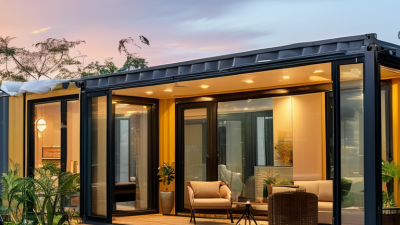
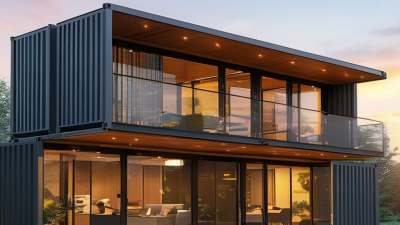
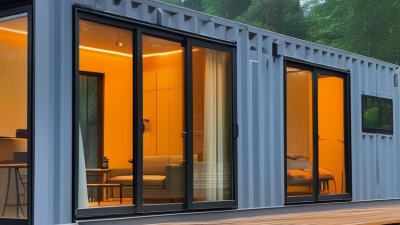
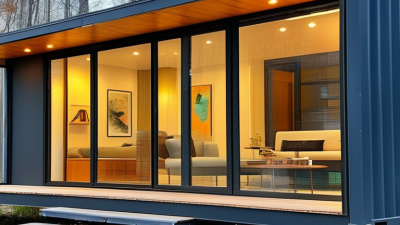
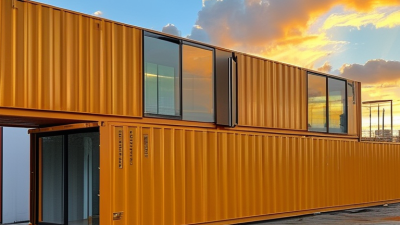
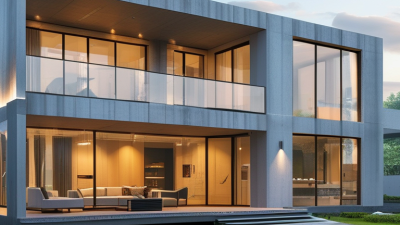
Thinking about your next project? You might want to seriously consider modular homes — it’s hard not to get excited about the benefits. John Smith from Modular Living Solutions, who’s pretty much an industry insider, puts it well: “Modular homes aren’t just about having a house; they’re innovative ways to meet what modern families are really looking for these days.” That really highlights the growing popularity of modular design, especially since it’s flexible and affordable.
These homes are super customizable, so you can really tailor them to fit different lifestyles. For example, a lot of families go for the 5-bedroom models — you can find more info [here](https://www.stc-containerhouse.com/china-wholesale-5-bedroom-modular-homes-suppliers-factory). They give you plenty of space without sacrificing quality. Plus, since they’re built in controlled environments, the process is precise, and there’s less waste. Pretty cool, right?
But hey, I get it — choosing a modular home can feel kinda overwhelming at first. There are so many options out there, and making all these decisions can be a bit tricky. It’s definitely worth taking your time to weigh everything carefully. When you do that, you’ll end up making a smarter choice that lines up with your goals and the awesome perks modular homes have to offer.
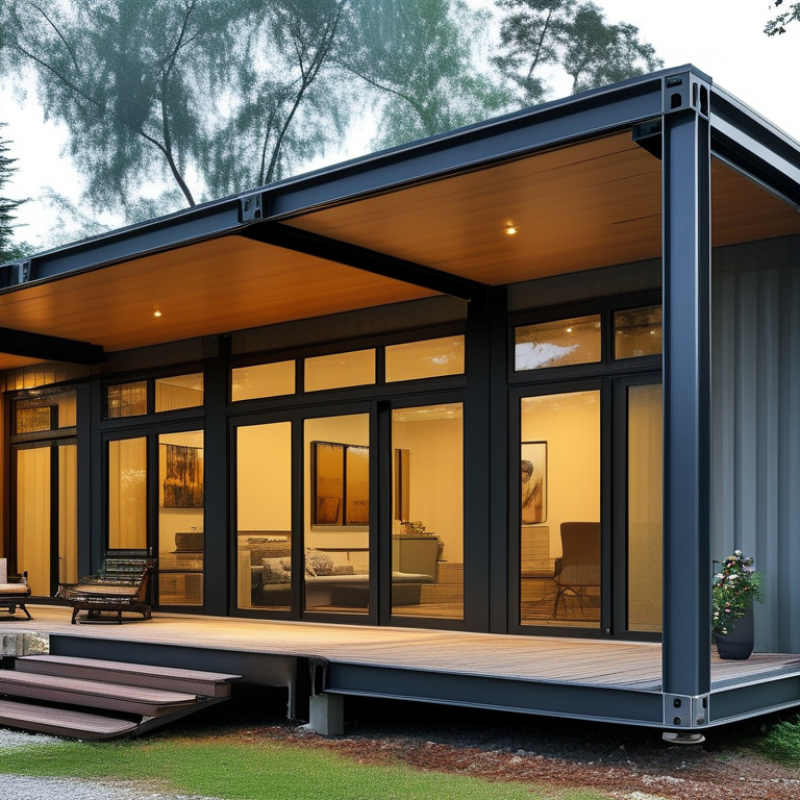
Benefits of Modular Homes Compared to Traditional Construction Methods
Modular homes offer distinct advantages over traditional construction methods. Time is a critical factor in any building project. With modular homes, construction time is significantly reduced. Factories build sections offsite. This process happens simultaneously with site preparation. As a result, you can move in sooner. Moreover, skilled professionals manage factory production, ensuring consistency and quality.
Cost-effectiveness is another key benefit. Modular construction often leads to lower labor and material costs. This savings can make a substantial difference for many homeowners. Two Story Modular Homes can provide more living space at a fraction of the cost of traditional builds. However, some might question the long-term value. While modular homes are durable, factors like resell value can vary greatly by region.
Eco-friendliness is important in today’s market. Many modular homes use sustainable materials. They often have energy-efficient designs. Yet, some perceive a lack of customization options. It’s essential to research different models to find the best fit. Ultimately, weighing the pros and cons is crucial for making an informed decision.
Understanding the Modular Home Construction Process
Modular homes present a unique construction process that stands out in the building industry. The approach begins with designing modules in a controlled factory environment. This ensures quality control and reduces waste. Each module is carefully constructed with durable materials. Once completed, these sections are transported to the building site. It’s a timely method, but logistics can pose challenges. Finding a reliable transport partner is crucial.
On-site, the modules are assembled and connected, often faster than traditional builds. However, this stage requires skilled labor to ensure proper alignment and integration of utilities. Mistakes can happen. Therefore, thorough planning and communication with all parties involved are essential. Homeowners need to stay engaged throughout the process.
Cost efficiency is a significant advantage of modular construction. While initial pricing may seem high, savings on labor and time can balance it out. Yet, it’s vital to remember that unexpected expenses may arise. Proper budgeting and contingency planning can mitigate these surprises. Understanding the intricacies of modular home construction equips homeowners to make informed decisions.
Why Choose Modular Homes for Your Next Project? - Understanding the Modular Home Construction Process
| Aspect |
Details |
| Construction Speed |
Typically completed in 1/3 of the time compared to traditional homes. |
| Cost Effectiveness |
Lower overall construction costs due to reduced labor and time. |
| Sustainability |
More eco-friendly due to controlled environment manufacturing and less waste. |
| Customization |
Wide range of designs and layouts available to suit individual needs. |
| Quality Control |
Built in a factory setting allows for rigorous quality inspections. |
| Financing Options |
More financing options are becoming available as popularity increases. |
| Variety of Uses |
Suitable for permanent residences, vacation homes, or even commercial buildings. |
Key Features of Modular Homes That Enhance Sustainability
Modular homes are an innovative solution that enhances sustainability. Their construction process minimizes waste and reduces environmental impact. These homes are built in a factory setting, allowing for better resource management. This method results in a significant reduction of construction debris, making modular homes a greener choice.
One key feature of modular homes is their energy efficiency. Many designs incorporate advanced insulation and energy-efficient systems. This ensures that the homes consume less energy, leading to lower utility bills and a smaller carbon footprint. Homeowners benefit from long-term savings while contributing to environmental sustainability.
Tips for selecting sustainable materials include opting for recycled or renewable resources. Seek out local suppliers to reduce transportation emissions. Additionally, consider implementing water-saving fixtures within the home to further enhance sustainability. Reflecting on the decisions made in your project is vital, as choices today impact future generations.
Cost-Effectiveness of Modular Homes and Financial Considerations
Modular homes offer a unique solution for budget-conscious buyers. The National Association of Home Builders states that modular homes can be up to 20% less expensive than traditional builds. This cost-effectiveness is attributed to their efficient construction process. Factories can produce these homes faster and with fewer delays.
Financial considerations are vital when planning a new home project. The average price per square foot for modular homes is approximately $100 to $200. Standard homes can reach over $300 per square foot. For those seeking smaller options, 1 Bedroom Modular Homes provide a financially viable alternative. These homes make it easier to minimize costs while still investing in quality.
However, buyers must be cautious. Not all modular homes are created equal. Some may skimp on materials to lower the initial cost. Conduct thorough research and request detailed specifications before committing. Always consider potential additional costs such as land preparation and site work. This helps ensure that the cost-effectiveness of modular homes meets your expectations.
Customization Options Available for Modular Home Designs
Modular homes offer extensive customization options. This flexibility allows homeowners to create spaces that reflect their unique lifestyles. From layout adjustments to material choices, the design process becomes highly personalized. Homeowners can select finishes, colors, and appliances that suit their vision.
Consider the possibility of designing
Four Bedroom Modular Homes. This specific type of modular home can accommodate families or provide ample space for guests. Layouts can vary significantly, with options for open-concept living or more private areas. Each choice impacts the overall ambiance.
Customization empowers homeowners but also requires careful thought. Balancing personal taste with practicality is essential.
While the options are exciting, they also present challenges. A homeowner might adore a particular style but struggle to integrate it with functional needs. For instance, increasing the number of bedrooms may reduce common area space. It's crucial to reflect on how choices will affect everyday living. The beauty of modular homes lies in their adaptability, yet this can sometimes lead to overwhelming decisions.
Challenges and Considerations in Modular Home Projects
Modular homes are an exciting option for modern construction projects. However, there are challenges to consider. Understanding these can help streamline your project and avoid common pitfalls.
One major challenge is site preparation. The plot needs to be ready before modules arrive. If not, delays may arise. Consider hiring professionals for land assessment. They can identify potential issues, such as drainage or zoning regulations.
Another consideration is design flexibility. While modular homes, especially Futuristic Modular Homes, offer unique designs, limitations exist. Customization can be costly and time-consuming. Ensure you have a clear vision. This clarity will make the design process smoother.
**Tips:**
- Assess the entire project timeline. Include delivery and installation times.
- Evaluate local construction regulations. They can affect your design choices.
- Communicate regularly with your construction team. Clear communication can prevent misunderstandings.
Addressing these challenges early can lead to a successful modular home project.
Future Trends in Modular Home Development and Technology
The modular home industry is evolving rapidly. One significant trend is the rise of sustainable materials. Builders are exploring eco-friendly options, such as recycled steel and non-toxic insulation. This shift reflects growing environmental awareness. Homebuyers are now more conscious about their choices. They prefer homes that minimize ecological impact.
Technology is also playing a crucial role. Innovations such as 3D printing are reducing construction time and costs. Drones are being used for land surveys and project monitoring. As a result, homes can be designed and built more efficiently. Smart home technology is becoming standard. Features like energy management systems and smart security enhance the living experience.
Despite these advancements, challenges remain. Not every modular home achieves optimal energy efficiency. Some designs may not suit individual homeowner needs. Construction practices vary widely; this can lead to inconsistencies in quality. The industry must continually adapt to address these issues. Transparency and communication between builders and buyers are essential for trust. As modular homes grow in popularity, staying informed about emerging trends is vital for future projects.
FAQS
: Modular homes save time and reduce labor costs. They are built offsite, allowing for quicker move-in dates.
They minimize waste and use energy-efficient designs, leading to lower utility bills and a smaller carbon footprint.
Homeowners can adjust layouts, select finishes, and choose appliances that align with their lifestyle preferences.
Yes, they often have lower labor and material costs. This can benefit homeowners significantly, depending on their location.
While there are many options, some may feel restricted. It’s important to choose models that fit your vision and needs.
Reflect on how choices affect daily living. More bedrooms can reduce common area space, requiring thoughtful planning.
Using recycled resources and water-saving fixtures can improve sustainability and lower environmental impact.
Yes, they are built to last. However, resale value can vary widely based on region, so research is essential.
It can be overwhelming to ensure personal style meets practicality, which may lead to second-guessing decisions.
Skilled professionals oversee production, ensuring consistent quality, but that doesn't eliminate all potential issues.
Conclusion
Modular Homes are increasingly becoming a preferred choice for construction projects due to their numerous benefits over traditional building methods. They offer a streamlined construction process, which often results in shorter build times and reduced labor costs. Moreover, Modular Homes can be designed with sustainable features, enhancing energy efficiency and reducing environmental impact. When considering costs, these homes provide financial advantages, making them a smart investment for many homeowners.
Customization is another key benefit of Modular Homes, allowing for a range of designs to meet individual tastes and needs. However, potential challenges exist, such as site preparation and zoning regulations, which must be carefully navigated. As technology progresses, future trends in Modular Home development are expected to include even more innovative designs and building techniques, solidifying their place in the future of residential construction. Overall, Modular Homes represent a cost-effective, sustainable, and flexible solution for those looking to build their next home.