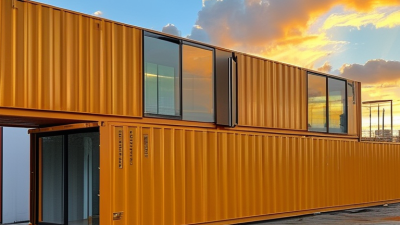
In today's super busy world, picking the right building method for your next project isn’t just important — it’s a total game-changer. I was chatting with Emily Johnson from EcoPrefab, you know, one of the top names in prefab homes, and she said something pretty interesting: "The future of housing is all about prefab designs that really focus on efficiency and sustainability." Honestly, prefab houses have a lot going for them — they go up quickly and can save you a good chunk of money, which makes them pretty tempting for a lot of folks.
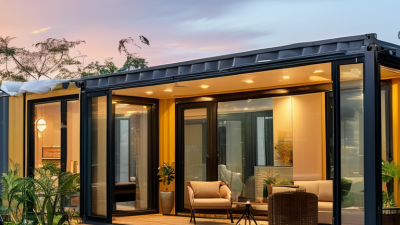
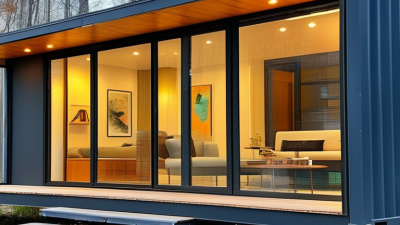
Plus, one of the best things about these prefab homes is the level of customization they offer. Each module can be shaped to fit exactly what you need — so your new place can genuinely reflect your style and lifestyle. That said, some people do find customizing a prefab container house a bit tricky. Striking that balance between being innovative and practical takes some careful planning.
Of course, it’s also worth remembering that prefab houses aren’t for everyone. You’ll want to think about local rules and whether your land’s a good fit before jumping in. Still, even with a few hurdles, the perks of going prefab often outweigh the downsides — so it’s definitely worth considering for your next build.
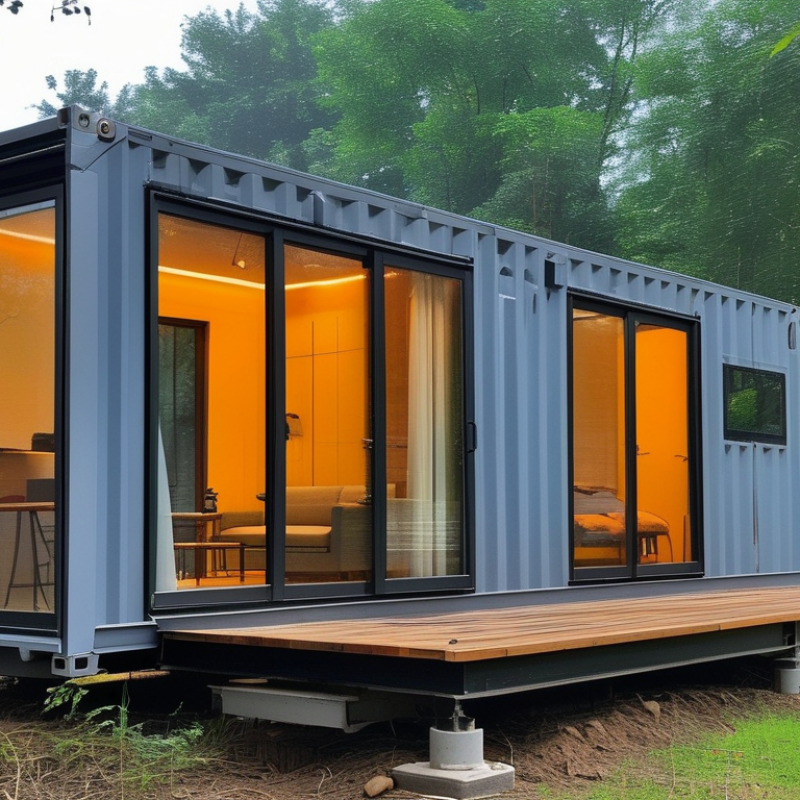
Introduction to Prefabricated Houses
The rise of prefabricated houses is transforming the construction landscape. These structures are built in factories and assembled on-site.
Prefabricated House Construction
is known for efficiency and speed. This concept reduces time spent on construction and also minimizes waste, promoting sustainability.
When choosing a prefabricated house, consider your specific needs.
Do you want an energy-efficient design? Think about insulation and materials. A well-insulated home can save money in the long run.
Evaluate the layout and functionality. Each design has unique aspects. Focus on what fits your lifestyle.
Tips: Research local regulations before starting. Not all areas allow prefabricated homes. Look for experienced builders who specialize in this type of construction. Their expertise can guide you through the process.
Remember, while the advantages are clear, not every project will suit this model. Reflect on your priorities and needs as you make a decision.
Key Benefits of Choosing Prefabricated Construction
Prefabricated houses are becoming an attractive option for many builders. They offer numerous benefits that appeal to various projects. One key advantage is speed. Construction time can be significantly reduced due to off-site manufacturing. Components are created under controlled conditions, minimizing weather-related delays. This efficiency can lead to quicker project completion and reduced labor costs.
Cost-effectiveness is another critical aspect. Steel Prefabricated Houses tend to be more affordable than traditional homes. The use of standardized materials and processes helps keep expenses low. However, initial costs can vary based on design complexity. Buyers should weigh these factors carefully, as a cheap option may not always offer the best long-term value.
Customization is also available, allowing clients to personalize their homes. While this flexibility is beneficial, it can complicate the design process. Sometimes, changes may lead to unexpected costs or delays. It's essential to have clear communication with builders. This helps ensure that design modifications align with budget expectations and timelines.
Cost-Effectiveness of Prefabricated Homes
Prefabricated homes have gained popularity for multiple reasons. One significant factor is their cost-effectiveness. Building a traditional house can rack up unexpected expenses. With prefabricated homes, many costs are predictable. This can help many buyers stay within budget and avoid financial stress.
Another advantage lies in reduced construction time. Prefabricated houses are often completed in a fraction of the time it takes to build a conventional home. This efficiency leads to savings not just in labor but also in materials. You can focus on the planning phases without worrying about delays. Prefabricated House Europe provides numerous options that align with varying budgets and aesthetic preferences.
However, it's crucial to consider some potential challenges. Sourcing quality materials matters when creating a pre-built structure. While this approach often proves advantageous, it can lead to inconsistencies if not managed well. Prospective homeowners must do thorough research. Choosing the right contractors and manufacturers is vital for long-term satisfaction and value.
Speed of Construction Compared to Traditional Methods
Prefabricated houses have gained popularity for a reason. One significant advantage is the speed of construction, which often surpasses traditional building methods. According to a report by McKinsey, prefabricated homes can reduce construction time by up to 50%. This efficiency is largely due to factory-controlled environments, which minimize delays caused by weather and labor shortages.
Moreover, prefabricated homes can be assembled in as little as a few weeks. This rapid installation not only reduces labor costs but also allows homeowners to occupy their spaces sooner. A study from the National Institute of Standards and Technology highlights that off-site construction techniques can lead to fewer errors and rework, further enhancing overall efficiency. This means projects can often stay within their timeline and budget.
However, speed shouldn't come at the expense of quality. Some critics argue that faster construction could lead to oversight in craftsmanship or long-term durability. Balancing speed with quality assurance is crucial. It's essential for builders to adopt rigorous inspection protocols, ensuring that homes are not just built fast, but are also safe and sustainable for the future. This reflection on speed emphasizes the need for a thoughtful approach in selecting prefabricated options.
Speed of Construction: Prefabricated Houses vs Traditional Methods
Sustainability and Environmental Impact of Prefabricated Houses
Prefabricated houses are gaining attention for their sustainability. The construction process generates less waste compared to traditional building methods. According to a report by the National Association of Home Builders, prefabricated homes can reduce construction waste by up to 90%. This is a significant advantage, particularly in an era where landfills are rapidly filling up.
Energy efficiency is another critical aspect. Prefabricated houses often incorporate modern insulation and energy-efficient systems. This can lead to reduced energy consumption. A study by the U.S. Department of Energy shows that such homes can save homeowners up to 30% on energy costs annually. This savings not only benefits the environment but also makes these homes financially appealing.
Though prefabricated houses present many benefits, challenges exist. The initial investment can be higher than traditional construction. Limited customization options may deter some buyers. These factors require careful consideration during the decision-making process. Balancing convenience with potential drawbacks is essential for homeowners looking to embrace sustainability.
Why Choose a Prefabricated House for Your Next Project? - Sustainability and Environmental Impact of Prefabricated Houses
| Factor |
Traditional Construction |
Prefabricated Houses |
| Construction Time |
6-12 months |
3-6 months |
| Waste Generation |
High |
Low |
| Energy Efficiency |
Moderate |
High |
| Carbon Footprint |
High |
Reduced |
| Customization Options |
Limited |
High |
| Cost Efficiency |
Higher |
Lower |
Customization Options Available in Prefabricated Designs
Customization is a vital advantage of prefabricated houses. Many homeowners want unique designs that reflect their personal style. Research shows that 70% of prospective buyers prioritize customization when considering their home options. Prefabricated designs offer various choices in layout, finishes, and materials. This flexibility allows clients to adapt spaces for specific needs, such as the inclusion of a home office or a
Prefabricated Guest House.
Moreover, industry reports highlight that tailored homes can still be completed in a fraction of the time compared to traditional builds. Customization doesn't slow down the process as much as one might think. While it may require careful planning, the modern prefabrication industry can accommodate individual requests with remarkable efficiency. However, clients must consider that not all designs are feasible within their budget constraints.
Balancing desire with practicality is crucial.
Some aspects of customization can present challenges. Homeowners may find it difficult to visualize the final product. This uncertainty can lead to regrets if choices are made hastily. It's essential to seek advice from experts in prefabrication. Understanding the materials and processes can help make informed decisions. Ultimately, the blend of personalization and construction speed makes prefabricated designs an attractive choice for many.
Common Misconceptions About Prefabricated Homes
Prefabricated homes often face skepticism. Many believe these structures lack quality and durability. However, studies reveal that modern prefabricated homes can be just as strong as traditional homes. According to the National Association of Home Builders, prefabricated homes can achieve energy efficiency ratings exceeding 80%. This offers significant savings over time.
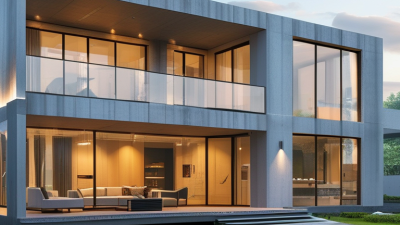
One common misconception is that prefabricated homes are unattractive. In reality, they come in various styles and designs. A report from Building.com states that design flexibility is a key advantage. Homeowners can customize layouts and finishes to suit their tastes. This versatility makes prefabricated homes appealing to a broader audience.
Tips: Think about your local climate when choosing materials. Optimize your home’s energy efficiency with the right insulation. Research shows that a well-insulated prefabricated home can reduce energy bills by up to 50%. Keep in mind that not all manufacturing processes are the same. Always choose a reputable builder to ensure quality craftsmanship.
The Future of Modular Living: Insights from the Global Prefabricated Building Market's Expected 8.5% CAGR Growth by 2027
As the global prefabricated building market anticipates a robust growth rate of 8.5% CAGR by 2027, the evolution of modular living spaces is becoming increasingly relevant. This growth reflects the rising demand for innovative and efficient housing solutions, particularly in urban areas where land is at a premium. Modular living not only offers flexibility and quick assembly but also addresses the need for sustainable construction practices, reducing waste and time on site.
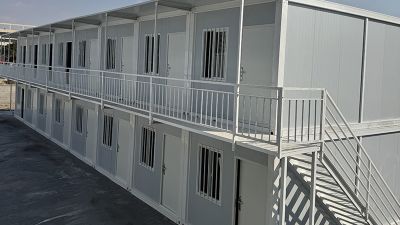
An excellent representation of this trend is the double-storey quick-assembly container house, designed to maximize space without extending the footprint. This premium modular building beautifully integrates living and office functionalities, making it ideal for diverse applications such as construction sites, temporary camps, and on-site project headquarters. By utilizing innovative design and engineering, these modular solutions offer enhanced space utilization, providing a comfortable and functional environment that meets the growing needs of modern living and working arrangements.
As cities continue to expand and the demand for versatile living spaces rises, the future of modular living appears bright, promising to reshape how we think about housing and workspaces. The ability to quickly deploy high-quality, adaptable structures positions modular living at the forefront of the construction industry, catering to an increasingly mobile and dynamic society.
FAQS
: Prefabricated houses are built in factories and assembled on-site. They focus on efficiency and speed.
They can reduce construction time by up to 50%. Assembly often takes just a few weeks.
They generate less waste than traditional methods. Waste reduction can be up to 90%.
Yes, they can save homeowners up to 30% on energy costs annually with better insulation.
Initial investments may be higher. Limited customization can also be a concern for some buyers.
Faster construction can lead to oversights in craftsmanship. Quality assurance is essential to ensure safety.
Evaluate energy efficiency, layout, and how the home fits your lifestyle. Reflect on your specific needs.
Yes, not all areas permit prefabricated structures. Researching regulations ensures compliance with local laws.
Look for experienced builders in prefabricated homes. Their expertise can guide through the construction process.
It includes less waste during construction and energy-efficient systems for long-term benefits.
Conclusion
Prefabricated houses are becoming an increasingly popular choice for many construction projects due to their numerous advantages. Unlike traditional building methods, prefabricated homes offer significant cost savings and faster construction times, allowing homeowners to move in sooner. The modular approach also enhances sustainability, as construction waste is minimized and materials can be sourced more efficiently.
Moreover, prefabricated houses provide a range of customization options, ensuring that designs can meet personal preferences while maintaining quality. Despite common misconceptions surrounding prefabricated homes, they stand as a viable and attractive alternative to traditional builds, combining modern design with practicality. As more individuals recognize these benefits, prefabricated houses are likely to become a mainstream solution in the housing market.