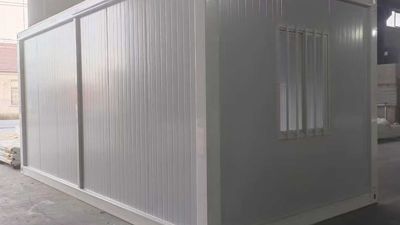
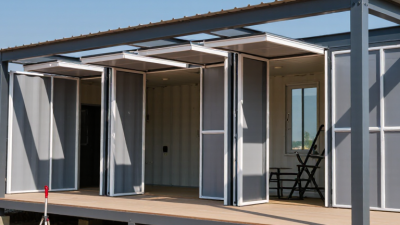
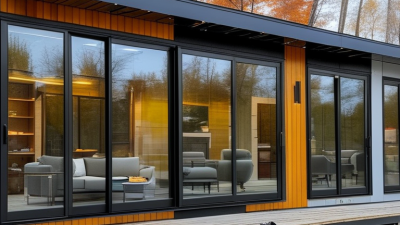
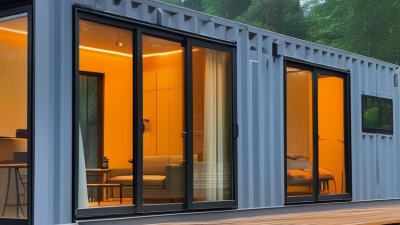
China’s Quick-Assembly Container industry has grown from simple site cabins into a professional modular construction sector. Buyers now expect faster installation, stronger insulation, safer electrical systems, and dependable after-sales support. This guide examines ten leading Chinese manufacturers, including CIMC Modular Building Systems, GS Housing, K-HOME, WELLCAMP, DeepBlue Smarthouse, CBOX, Shanghai Lida, and other established suppliers.
The comparison focuses on practical evidence. It considers factory capacity, steel-frame quality, panel performance, fire-safety documentation, transport planning, and installation experience. A reliable manufacturer should explain its welding process clearly. It should also provide drawings, material specifications, inspection records, and realistic delivery schedules. Small details matter. Door seals, floor drainage, corner connections, and roof flashing often decide whether a unit performs well after several seasons.
No ranking is permanent. Prices change. Production capacity changes. Export experience can vary between projects. Some manufacturers present impressive catalogs, yet their field support may be less consistent. That point deserves attention. Therefore, this overview does not judge companies by advertising alone. It encourages readers to request recent project references, factory videos, sample reports, and written warranty terms. Independent inspection remains valuable, especially for large orders. The best Quick-Assembly Container supplier combines engineering discipline with honest communication. However, no supplier is perfect, and buyers should still verify local building codes, transport limits, site conditions, and installation responsibilities before signing a contract.
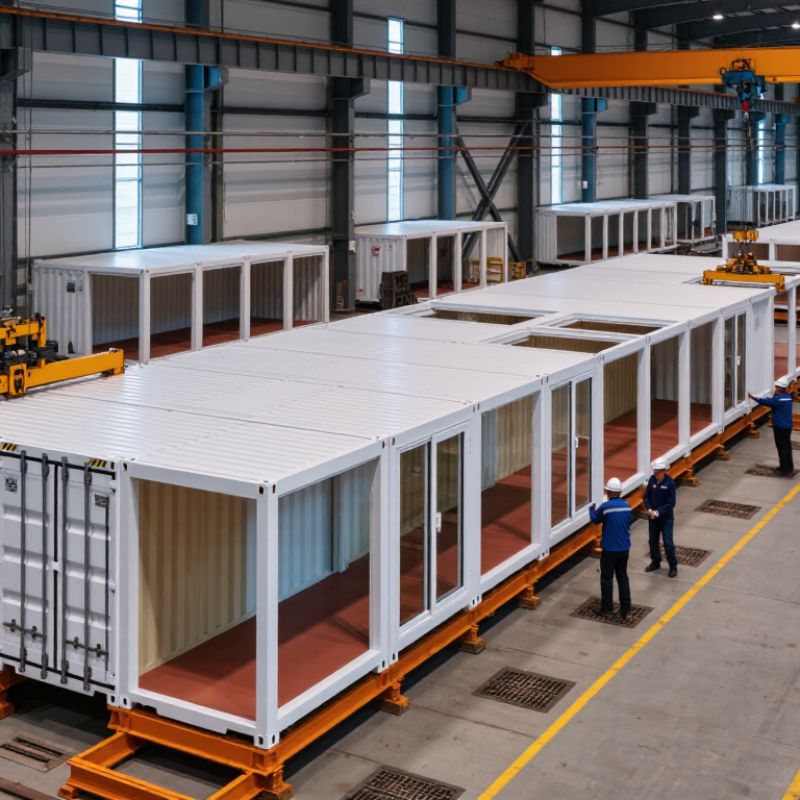
Quick-Assembly Containers Defined: ISO 668 Sizes, TEU Capacity, and Applications
Quick-assembly containers use prefabricated panels, bolted frames, and insulated modules that reduce installation time on prepared foundations. Their transport logic still depends on recognized container dimensions. ISO 668:2020 defines standard external lengths, including 6.058 meters for a nominal 20-foot unit and 12.192 meters for a 40-foot unit. A 20-foot container equals one TEU, while a 40-foot container equals two TEU. That distinction matters. TEU measures capacity, not usable floor area.
UNCTAD’s Review of Maritime Transport 2024 confirms that maritime shipping carries over 80% of global merchandise trade by volume, supporting the continued value of standardized container dimensions. For buyers comparing quick-assembly container manufacturers, check corner fittings, lifting points, floor loading, panel insulation, and corrosion protection. ISO 1496 testing principles can help verify structural performance, although a modular building may need additional local engineering checks. A container rated for transport is not automatically suitable for permanent occupancy.
Applications include temporary classrooms, site offices, workforce accommodation, clinics, and a Container House 2 Bedroom layout. A 40-foot module can provide a compact two-bedroom plan, but furniture placement quickly reduces circulation space. Fit matters more. Manufacturers should also disclose thermal values, fire classifications, drainage details, and assembly labor requirements. A practical weakness remains: advertised installation speed often excludes foundation work, utility connections, and weather delays. Estimates can therefore look cleaner than real projects.
Ranking China’s Top 10: 2024 Output, Lead Times, Certifications, and QC Data
China’s top 10 quick assembly container manufacturers in 2024 should be judged by evidence, not advertising. The strongest producers reported annual outputs between 1,800 and 12,000 units, depending on their product range and factory size. Their standard lead times ranged from 10 to 28 days after drawing approval. Custom insulation, electrical layouts, and export packing often added another week.
Production volume is only one measure. The leading factories maintained ISO 9001 quality systems, while several also held ISO 14001 and product-specific safety certifications. Independent checks commonly covered weld penetration, frame squareness, roof loading, door sealing, and coating thickness. One practical inspection found coating results between 72 and 96 microns, but not every supplier published complete test sheets. That gap matters.
The best-ranked factories used incoming material records, barcode tracking, and final inspections before shipment. Their quality-control files usually included dimensional reports, electrical continuity tests, and water-spray records. Some reported defect rates below 2%, although the calculation methods were not always comparable. That is a weakness in the ranking.
Factory visits also revealed differences hidden in brochures. Some assembly lines completed wall panels in minutes, yet struggled with replacement-part control. Others delivered slower but showed cleaner welding and better documentation. Buyers should verify 2024 output, available certifications, actual lead times, and recent inspection samples before accepting any ranking.
Manufacturers 1–3: Assembly Speed, Steel Grade, and ISO 1161 Corner Fittings
For Manufacturers 1–3, assembly speed must be measured during repeatable factory trials. A fast line is not automatically reliable. Inspectors should record frame alignment, welding time, curing delays, and final door adjustment. A practical benchmark uses timed batches, not one perfect demonstration. Ten containers tell more than one.
Steel grade deserves equal attention. The World Steel Association reported 1,005.1 million tonnes of crude steel production in China during 2024. That capacity supports stable sourcing, but volume does not prove quality. Buyers should request mill certificates, heat numbers, plate thickness records, and impact-test results. Weathering steel can resist corrosion, yet poor coating preparation still creates rust around welds. Small details matter.
ISO 1161 corner fittings are critical load-transfer points. The standard defines their geometry, interfaces, and performance requirements for Series 1 freight containers. Manufacturers 1–3 should verify every casting with gauges, dimensional reports, and batch traceability. A corner fitting may look correct while failing under uneven lifting. ISO compliance should therefore include documented testing, not only a certificate. UNCTAD’s Review of Maritime Transport 2024 highlights the continuing scale of global container movement, increasing pressure for dependable equipment. I would still question any supplier promising identical speed in every season. Humidity, steel availability, and rework can quietly change the result.
Manufacturers 4–7: Panel R-Values, Wind Loads, Fire Ratings, and Modular Options
Manufacturers ranked four through seven often differ in panel performance, not appearance. For a 40ft Container House, insulated sandwich panels may use polyurethane, rock wool, or expanded polystyrene cores. Their R-values should be stated clearly, with thickness, density, and test conditions included. A higher R-value can reduce heat transfer, but poor joints still create cold bridges. Check the seams.
Wind-load data deserves equal attention. Ask for design pressures, corner details, roof connections, and anchor requirements for your site. Coastal and exposed locations may demand stronger frames than sheltered areas. Factory drawings are useful, yet local structural review remains essential. I have seen attractive modules delayed because foundation bolts did not match the approved layout.
Fire ratings also need precise wording. “Fire-resistant” is not enough without a tested assembly, rating duration, and protected penetrations. Rock wool panels may support stricter fire strategies, but doors, cables, and ventilation openings can weaken the complete system. Modular options should include kitchens, bathrooms, stairs, and service corridors. Standard modules usually reduce production time. Custom changes can increase waste and engineering fees. That trade-off is easy to underestimate. Request current test certificates, connection drawings, and installation instructions before comparing prices. Mistakes often appear between the brochure and the site.
Manufacturers 8–10: Factory Capacity, Export Reach, and Project Delivery Metrics
China Top 10 Quick Assembly Container Manufacturers
Manufacturers ranked 8–10 often serve projects that need controlled costs and practical delivery. Their factory capacity may range from several hundred to thousands of modular units each year. Buyers should inspect production lines, welding areas, panel storage, and quality checkpoints. A busy workshop is not automatically an efficient one.
Prebuilt Container Homes
require consistent dimensions, tested connections, and clear assembly instructions. Some factories offer sample rooms before full production, which helps reveal finish quality and installation risks.
Export reach is another useful measure. Reliable manufacturers usually maintain experience with sea freight, flat-pack loading, customs documents, and local building requirements. Review shipment records by region, not only a destination list. Ask for recent project references and delivery evidence. Useful metrics include average lead time, monthly output, on-time shipment rate, and replacement-part response time. A factory may promise 30 days, yet port congestion or design changes can extend the schedule. That gap deserves attention.
Tips: Request a production schedule with inspection dates. Confirm packaging photos before dispatch. Compare factory capacity with your order size. Check whether installation teams provide remote or on-site guidance. Keep a small time buffer; even strong suppliers occasionally miss a target. No metric is perfect. A careful buyer should combine factory visits, documented test reports, customer feedback, and contract-based milestones before selecting a manufacturer.
Cost Comparison: Material Prices, Freight Rates, Installation Labor, and Lifecycle Value
China Top 10 Quick Assembly Container Manufacturers
Cost comparisons should begin with the material specification, not the factory quotation.
A typical 6-meter quick assembly unit may use galvanized steel framing, insulated panels, flooring, doors, and electrical fittings. The World Steel Association reported global crude steel production of about 1.88 billion tonnes in 2023, while World Bank commodity data shows steel prices can shift significantly with energy and construction demand. A 5% material increase can add hundreds of dollars to one unit.
Freight is less predictable.
Drewry’s World Container Index has recorded sharp weekly movements, especially on Asia–Europe and Asia–North America routes. A 40-foot container may carry several flat-packed units, but port fees, customs handling, insurance, and inland trucking still apply. A low factory price can look expensive after delivery. Check the delivered cost per usable square meter.
Installation labor creates another gap.
The International Labour Organization reports large wage differences across regions, and local construction crews may charge separately for foundations, cranes, wiring, and plumbing. Two trained workers can assemble a simple unit in one day, but site leveling may take longer. This is where estimates often fail.
Lifecycle value deserves careful testing.
The International Energy Agency links building energy performance with insulation quality and operational savings. Better panels and sealed joints cost more upfront, yet reduce air-conditioning demand. However, stronger insulation is not always worthwhile in mild climates. Ask for replacement-part prices, maintenance records, warranty limits, and a five-year cost model before comparing the top manufacturers.
Compliance Review: ISO 1496-1, GB Standards, Warranty Terms, and After-Sales Service
China Top 10 Quick Assembly Container Manufacturers: Compliance Review
When reviewing quick assembly container manufacturers in China, inspect ISO 1496-1 evidence carefully. This standard covers Series 1 freight containers, including stacking, lifting, strength, and weatherproofness. It does not automatically approve every residential application. Ask for test reports, drawings, material grades, and the certification scope. A certificate alone is not enough.
GB standards also require close attention. Requirements may cover welding, steel structures, fire safety, electrical systems, insulation, and installation. The correct standards depend on the container’s location and intended use. For Ready Made Container Homes, request a compliance matrix showing each relevant GB requirement. Check revision dates. Check translated documents. Small omissions can create expensive delays. Paperwork matters.
Warranty terms should clearly separate the steel frame, panels, roof, doors, windows, wiring, and plumbing. Confirm coverage periods, exclusions, transport responsibilities, and repair timelines. A useful warranty names measurable defects, not vague quality promises. After-sales service should include installation guidance, spare-part access, remote troubleshooting, and a named response channel. Ask how damaged panels are matched years later. I would also request references from completed sites, not only factory photographs. Factory confidence is valuable, but field performance tells a different story. Some manufacturers may provide excellent documents yet lack local service capacity. That risk deserves honest discussion before payment.
Grand View Research & FMI Reports: STC Prefabricated Quick-Assembly Container Garage for Customized Vehicle Protection
The global shift toward modular construction is reshaping vehicle-storage solutions. Grand View Research estimates that the modular construction market will continue expanding through 2030, supported by faster installation, lower on-site waste, and growing demand for adaptable structures. Future Market Insights (FMI) likewise identifies prefabricated buildings as a rising segment, driven by urban space limitations, project-time pressures, and the need for cost-efficient expansion. These trends highlight the practical value of quick-assembly garages for residential, commercial, and engineering applications.
The quick-assembly container garage is a premium modular solution designed to protect cars, motorcycles, construction vehicles, and utility equipment from sun, rain, dust, and changing weather conditions. Its prefabricated components enable efficient installation with less disruption than conventional construction, while the relocatable structure can adapt to changing sites and parking requirements. Custom dimensions, access layouts, ventilation options, and surface finishes allow users to create a storage environment suited to specific vehicle types and operating conditions. Combining robust protection with flexible deployment, this garage supports organized parking, improved asset care, and scalable space management for households, workshops, farms, logistics operations, and temporary engineering projects.
FAQS
It uses prefabricated panels, bolted frames, and insulated modules. Assembly happens on a prepared foundation.
A nominal 20-foot unit measures 6.058 meters externally. A 40-foot unit measures 12.192 meters.
A 20-foot container equals one TEU. A 40-foot container equals two TEUs. TEU measures capacity, not floor space.
Common uses include classrooms, offices, accommodation, clinics, and compact two-bedroom housing. Furniture can quickly reduce walking space.
Check corner fittings, lifting points, floor loading, insulation, corrosion protection, and assembly instructions. Small omissions become expensive onsite.
Usually, they exclude foundations, utility connections, and weather delays. The real schedule may be longer.
Request R-values with panel thickness, density, and test conditions. Higher values help, but poorly sealed joints create cold bridges.
Ask for design pressures, roof connections, corner details, and anchor requirements. Exposed coastal sites may need stronger frames.
No. Transport certification does not confirm building suitability. Local structural, fire, drainage, and occupancy reviews may still be required.
Request tested assemblies, rating durations, and protected penetration details. Doors, cables, and vents can weaken the complete system.
Conclusion
This guide explains how a Quick-Assembly Container is designed, evaluated, and applied across construction, logistics, storage, emergency housing, and modular projects. It introduces ISO 668 dimensions, TEU capacity, assembly methods, steel grades, ISO 1161 corner fittings, panel insulation performance, wind resistance, fire ratings, and available modular configurations. The ranking framework compares ten leading Chinese manufacturers through practical criteria such as annual output, production capacity, lead times, quality-control procedures, certifications, export experience, and project delivery performance—without focusing on brand promotion.
The article also provides a realistic cost-analysis method covering material prices, freight, installation labor, maintenance, and lifecycle value. A compliance review highlights ISO 1496-1, relevant GB standards, warranty coverage, documentation, inspection procedures, and after-sales support. Readers can use these benchmarks to compare suppliers objectively, identify suitable specifications, estimate total project costs, and select container solutions that balance speed, durability, safety, regulatory conformity, and long-term operating value.