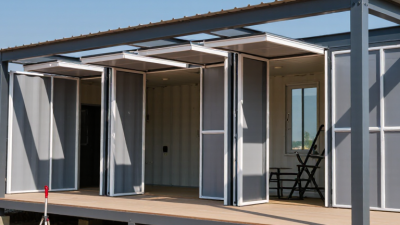
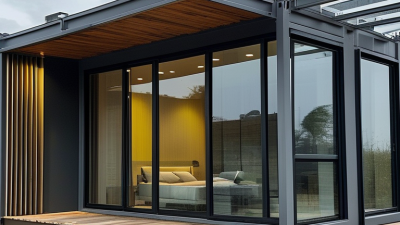
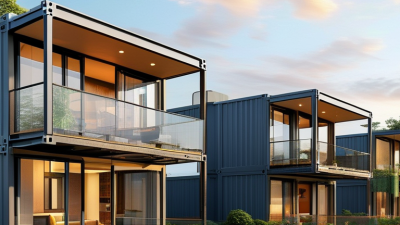
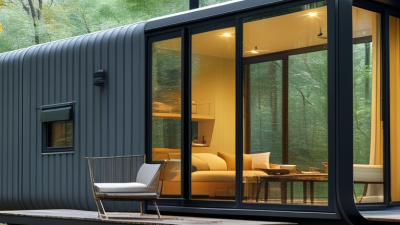
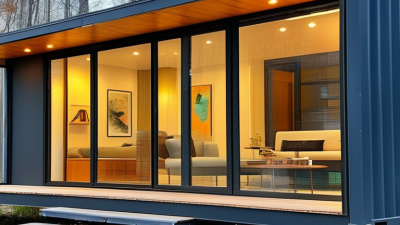
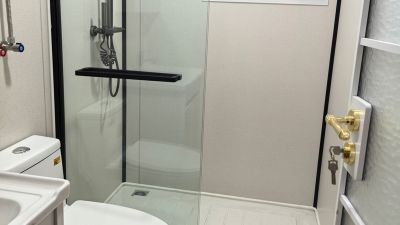
When you’re choosing the best Quick-Assembly Container supplier in China, honestly, it’s not just about comparing prices online. You’ve also got to understand the practical stuff—materials, production control, transport planning, and installation support. Honestly, a reliable supplier should be able to explain how their steel frame, sandwich panels, flooring, doors, and roof connections actually perform in real conditions. And clear specs? Yeah, those matter.
Honestly, when you're choosing a manufacturer, try to find one with real factory experience and solid quality procedures. Their production team should be checking things like welding points, panel alignment, waterproof seals, and electrical openings before anything ships. What counts as good evidence? Factory videos, material test reports, project references, and inspection records that are actually transparent. And a professional supplier? They should also be able to give you drawings, packing lists, assembly instructions, plus after-sales support that actually responds. It's the small details that really matter.
A good Quick-Assembly Container? It should show up packed tight, and then—with just a few tools and some basic labor—you can get it up and running. Picture a site office sitting on level ground: insulated walls, windows that actually lock, wiring that's neat, and a door that still shuts right after being used over and over. That real-world performance matters way more than pretty photos. Of course, site conditions aren't always the same. Soil movement, strong winds, damp air, and local building rules can all shape the final design.
So, when you hear "best supplier," it’s worth taking that label with a grain of salt. Truth is, no manufacturer is perfect for every project. Some are great at customization, while others might be quicker to deliver or offer better technical support. If you're buying, ask for a full quote, make sure the warranty terms are clear, check production lead times, and confirm they meet the local standards that apply. And hey, mistakes can happen—even with teams that really know what they’re doing. Honestly? Clear communication and written-down fixes usually tell you more about reliability than slick promises do. When you're working with a dependable China supplier, trust isn't built on fancy talk — it comes from workmanship they can repeat, commitments that actually make sense, and support that sticks around even after the install is done.
What Is a Quick Assembly Container?
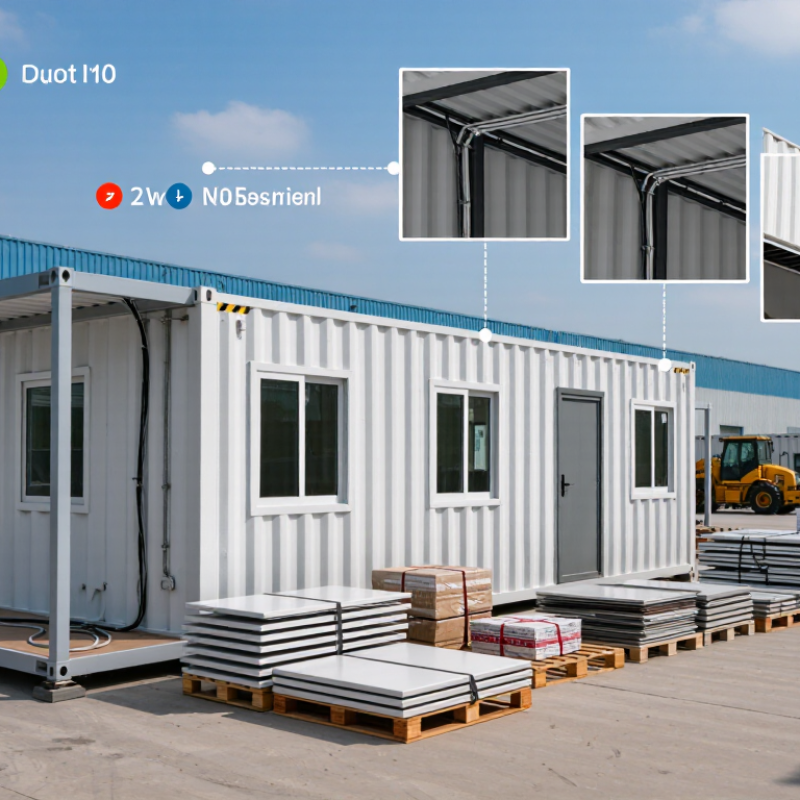
A quick assembly container is a modular building unit prepared for rapid installation on site. It usually combines a steel frame, insulated wall panels, flooring, roofing, doors, windows, and pre-routed electrical points. Workers connect the modules with bolts, seal joints, and complete utility lines. The process can take hours or days, depending on foundation work and site access.
Its dimensions are not random. ISO 668 defines common freight-container sizes, while many modular units follow similar transport limits. A standard 20-foot unit is about 6.06 metres long and 2.44 metres wide externally. This helps reduce handling problems during delivery. A Container House 2 Bedroom design may use two connected modules, creating separate sleeping areas, a compact kitchen, and a shared bathroom. Careful planning matters more than speed.
The UNEP 2023 Global Status Report states that buildings consume about 34% of global energy and produce around 37% of energy-related and process emissions. Factory-controlled production can reduce material waste, but it does not remove environmental impacts. Steel production, insulation, transport, and foundation work still require energy. Cold bridges can also appear around joints if installers rush. That is a real weakness. In field projects, I would inspect anchor bolts, panel seams, drainage slopes, and ventilation before accepting assembly. A fast build is useful. Poor sealing is not.
Key Features of China-Made Quick Assembly Containers
China Best Quick Assembly Container Supplier?
China-made quick assembly containers are designed around speed, repeatability, and transport efficiency. A typical unit uses a galvanized steel frame, insulated sandwich panels, corner castings, and bolted connections. Workers can position a 40ft Container House with a crane or forklift, then connect floors, walls, wiring, and drainage. McKinsey’s 2019 modular construction report found that industrialized methods can reduce project schedules by 20–50% and lower costs by up to 20%. These gains depend on accurate factory production, not simply fast installation.
Details matter on site. Check frame dimensions, weld quality, panel density, door alignment, roof drainage, and corrosion protection before shipment. ISO 668 and ISO 1161 provide widely used dimensional and corner-fitting references for freight containers. UNCTAD reports that more than 80% of global merchandise trade by volume moves by sea, so compact packing and reliable loading points directly affect delivery risk. Factory inspection records should include material certificates, load tests, electrical checks, and fire-performance documents.
Speed has limits. A quick build is not automatically a durable building. Local wind, snow, seismic, fire, energy, and occupancy rules still control the final design. Some low-cost units look precise in photographs but reveal weak seals, thin flooring, or poor ventilation after installation. That is where supplier experience becomes visible. Request drawings, sample sections, replacement-part plans, and third-party inspection access. It may cost more at the start. It can prevent expensive corrections later.
How to Evaluate a Chinese Container Supplier
When evaluating a Chinese quick assembly container supplier, start with evidence, not attractive pricing. Ask for factory registration details, production capacity, quality procedures, and recent project records. A serious supplier should explain wall panels, frame materials, insulation, floor loads, and assembly methods clearly. Vague answers deserve attention.
Request technical drawings before discussing final cost. Check dimensions, steel thickness, coating treatment, fire performance, drainage, and connection hardware. Ask whether replacement panels and spare parts remain available after delivery. Review independent inspection options, sample testing, and packaging photos. A useful factory visit should include welding areas, material storage, finished units, and loading procedures.
Delivery reliability needs more than a promised date. Compare production schedules with your installation plan and confirm responsibilities for transport damage. Written acceptance standards can prevent disputes about scratches, gaps, doors, or uneven floors. I have seen buyers focus heavily on price and overlook unloading equipment. That mistake becomes expensive quickly. A supplier may also present perfect sample units, while actual production varies. Inspect random finished units, not only the best display model. Trust should grow from records, repeatable processes, and honest answers about limitations.
Materials, Design, and Manufacturing Standards
When evaluating a China-based quick assembly container supplier, inspect materials before reviewing glossy renderings. For Prebuilt Container Homes, galvanized steel frames, certified insulation, and corrosion-resistant panels support safer long-term use. Ask for mill certificates, coating thickness records, and independent fire-test documents for each proposed material. A sample wall section can reveal loose joints, thermal bridges, and uneven sealant. Details matter.
Good design balances shipping dimensions, fast installation, local climate, and future maintenance. Factory engineers should show connection drawings, drainage paths, ventilation routes, and electrical protection zones. In humid coastal areas, raised floors and sealed penetrations deserve more attention than decorative cladding. In colder regions, insulation continuity prevents cold spots around windows and corner posts. The layout may look efficient, yet a narrow service corridor can frustrate daily repairs. Measure twice.
Manufacturing standards become visible in controlled welding, dimensional checks, traceable batches, and documented final inspections. A reliable supplier should provide inspection points before loading, not only photographs after production. Request tolerances for frame squareness, door alignment, floor levelness, and roof drainage. Workers should use calibrated tools and record corrective actions when a unit fails inspection. I have seen schedules improve after checklists were added, although rushed revisions still create avoidable defects. That weakness deserves honest discussion.
China Best Quick Assembly Container Supplier? Materials, Design, and Manufacturing Standards
The chart compares the nominal external dimensions of common 20-foot and 40-foot ISO freight containers. Both formats use the standard external width of 2.438 m and height of 2.591 m, while the 40-foot format provides twice the nominal length. Quick-assembly container designs should preserve the ISO dimensional envelope to support transport, stacking, and interchangeability. Actual internal dimensions and payload vary according to wall panels, flooring, doors, fittings, and applicable manufacturing requirements.
Quality Control and Certification Requirements
China Best Quick Assembly Container Supplier? Quality Control and Certification Requirements
A reliable quick-assembly supplier must control steel, welding, insulation, and installation records. For Ready Made Container Homes, quality begins with traceable materials, not attractive renderings. Check steel mill certificates, coating thickness, weld inspection reports, and moisture readings. ISO Survey 2022 recorded 1,265,216 ISO 9001 certificates worldwide, showing quality systems are widespread. They are not proof of perfect products.
Ask whether the factory follows ISO 668 dimensions and ISO 1496-1 testing principles when container modules are transported. The CSC Convention may apply to units used as freight containers, while residential projects also require local structural, fire, electrical, and energy compliance. Request independent testing for wind resistance, lifting points, fire performance, thermal insulation, and electrical safety. Do not accept one certificate for every market.
Details matter. Inspect a sample unit during production. Look behind wall panels. Check sealant continuity around window frames, screw spacing, floor deflection, and drainage outlets. Factory acceptance records should include photographs, serial numbers, and calibrated instrument data. A third-party inspection before shipment can catch missing insulation or weak welds.
Certificates can age. Records can be incomplete. That is my concern.
The supplier should provide corrective-action reports and retesting evidence, not only a polished PDF. EN 13501 fire classifications, IEC 60364 electrical principles, and local building approvals may be relevant, depending on the destination. Requirements must be confirmed by a qualified local engineer.
Pricing, Customization, and Minimum Order Quantities
China Best Quick Assembly Container Supplier?
Pricing, Customization, and Minimum Order Quantities
The first quote is rarely the final cost. A quick assembly container may be priced by size, steel thickness, insulation, doors, windows, flooring, and roof design. Freight, packaging, export documents, and unloading equipment can also change the landed price. Ask for a line-by-line quotation. It should separate materials, labor, transport, and optional features. A low unit price can mislead.
Customization usually begins with a technical drawing. Confirm panel dimensions, connection points, electrical positions, fire-rated materials, and drainage details. Small changes can affect tooling and installation time. For example, moving a door may require a new frame and revised wiring. Request material samples, welding photos, and a trial assembly report. These details provide stronger evidence than polished product images.
Minimum order quantities vary by production planning. Some suppliers accept one prototype, while others require several units for a production run. A single sample may cost more because setup and packaging are spread across one container. Larger orders often reduce the unit price, but storage and cash-flow risks increase. Be careful here. I would not approve a bulk order before checking dimensional tolerances, assembly instructions, and replacement-part availability. A reliable supplier should explain what happens when components arrive damaged or do not fit. Mistakes are possible, even with experienced factories. Clear inspection points can limit their impact.
China Best Quick Assembly Container Supplier? - Pricing, Customization, and Minimum Order Quantities
| Supplier Profile |
Typical Product |
Indicative EXW Price* |
Typical MOQ |
Production Lead Time |
Standard Size Options |
Customization Scope |
Best Use Case |
| Budget Flat-Pack Manufacturer |
Basic steel-frame quick assembly container |
US$1,500–3,000 per unit |
1–5 units |
7–15 working days |
3 × 6 m; 3 × 7 m; 3 × 8 m |
Door and window positions, color, flooring, electrical points |
Temporary offices, guard rooms, storage, site accommodation |
| Insulated Modular Manufacturer |
Sandwich-panel container with insulated walls and roof |
US$2,000–4,500 per unit |
1–10 units |
10–20 working days |
3 × 6 m; 3 × 9 m; 3 × 12 m |
EPS, rock wool or polyurethane panels; insulation thickness; partition layout |
Worker accommodation, classrooms, offices and climate-sensitive projects |
| Project-Grade Modular Manufacturer |
Heavy-duty modular container with reinforced frame |
US$3,500–7,500 per unit |
5–20 units |
20–35 working days |
3 × 6 m; 3 × 9 m; multi-unit layouts |
Structural reinforcement, fire-rated panels, stairs, corridors and combined modules |
Construction camps, hospitals, schools and long-term facilities |
| Turnkey Office Container Manufacturer |
Pre-finished office or accommodation container |
US$3,000–6,500 per unit |
1–10 units |
15–30 working days |
3 × 6 m; 3 × 7 m; 3 × 9 m |
Interior finishes, lighting, sockets, air conditioning, furniture and sanitary fittings |
Ready-to-use offices, sales cabins and project management facilities |
| Sanitary and Accommodation Specialist |
Bathroom, dormitory or kitchen container |
US$3,500–8,000 per unit |
1–5 units |
20–40 working days |
3 × 6 m; 3 × 9 m; customized modules |
Plumbing, drainage, water heaters, sanitaryware, kitchen equipment and partitions |
Remote sites, workforce housing, event facilities and emergency accommodation |
| Export-Focused Custom Manufacturer |
Custom quick assembly container for overseas projects |
US$2,500–7,000 per unit |
1–10 units |
20–45 working days |
Metric or project-specific dimensions |
Local electrical standards, documentation, packaging, load plans and installation drawings |
International procurement requiring export packaging and technical documentation |
Pricing and purchasing notes: Indicative prices are typical China EXW ranges for standard quick assembly containers and exclude ocean freight, insurance, import duties, taxes, site installation and foundation works. Final pricing depends on dimensions, panel material, insulation thickness, electrical standards, sanitary fittings, order quantity and inspection requirements.
Recommended verification points: Request structural drawings, material specifications, fire-performance documents, electrical compliance details, packing dimensions, warranty terms, factory inspection records and a sample or reference project before placing an order.
Shipping, Installation, and After-Sales Support
China Best Quick Assembly Container Supplier?
Shipping performance begins before production. A reliable supplier confirms container dimensions, loading limits, packing lists, and destination rules in writing. The World Bank’s 2023 Logistics Performance Index reports that international shipments can take 44 days from port entry to final delivery. Small document errors can consume several of those days. Weather, port congestion, and customs inspections remain outside any supplier’s direct control. Honest planning should include buffer time.
Installation quality is equally practical. Each unit should arrive with numbered parts, clear drawings, torque requirements, and short video guidance. Experienced crews check the foundation, drainage, anchoring points, and electrical interfaces before assembly. A two-person team may complete a standard unit quickly, but larger layouts require lifting plans and local supervision. The International Labour Organization stresses systematic risk assessment for construction work. Speed must not replace safe work procedures.
After-sales support should remain measurable after shipment. Ask for a named technical contact, response targets, spare-part availability, and installation records. A useful handover file includes photographs, serial references, maintenance intervals, and unresolved items. The United Nations Conference on Trade and Development has repeatedly linked shipping disruption with higher logistics uncertainty. Remote support helps, though it cannot fix every site condition. Our own review is imperfect: suppliers often promise fast replies, but response quality can weaken after final payment. Trial communication before ordering reveals more than polished brochures.
STC Custom Expandable Containers: Tailored Solutions for Every Cargo and Space Requirement
Custom expandable containers offer tailored solutions for every cargo and space requirement, combining flexible design with practical performance. Rather than relying on a fixed standard layout, each unit can be adapted in dimensions, internal zoning, openings, insulation, finishes, and functional equipment. This full-dimensional customization helps create spaces that fit specific site conditions, transportation needs, and user preferences while making efficient use of limited land and storage areas.
Designed for scenario-based adaptation, these expandable units can serve as comfortable residences, efficient offices, temporary classrooms, reception areas, emergency accommodation, field service stations, or cultural tourism spaces. Their expandable structure allows compact transportation and rapid deployment, while the customized interior can reflect a clean professional style, a warm residential atmosphere, or a distinctive visitor experience. From practical cargo protection to exclusive spatial design, every detail can be coordinated to balance durability, comfort, appearance, and ease of installation. This approach transforms movable architecture into a versatile solution that responds to both immediate requirements and long-term operational goals.
FAQS
It is a modular building unit designed for rapid installation. Workers connect the frame, panels, flooring, roof, doors, and windows. Electrical and drainage points may already be prepared. Installation can take hours or several days.
The process depends on foundation work, weather, transport, and site access. A prepared site allows faster assembly. Poor access can delay even a simple project. Fast does not mean effortless.
Many units use galvanized steel frames and insulated sandwich panels. Bolted connections help workers assemble sections efficiently. Flooring, roofing, doors, and windows are usually included. Material quality still needs checking.
A common 20-foot module is about 6.06 metres long and 2.44 metres wide externally. Larger layouts can connect several modules. Two modules may provide bedrooms, a small kitchen, and a shared bathroom. Measure furniture carefully.
Check frame dimensions, weld quality, panel density, door alignment, and roof drainage. Review corrosion protection and insulation details. Ask for electrical checks, load tests, and material certificates. Photographs are not enough.
Factory production may reduce material waste and improve cutting accuracy. However, steel, insulation, transport, and foundations still consume energy. Poor sealing can create cold bridges around joints. The environmental benefit is real, but limited.
Rushed work may leave loose anchor bolts, open panel seams, or blocked drainage paths. Ventilation can also be weaker than expected. Thin flooring may feel uncomfortable under heavy use. I would inspect the building again after rain.
Yes. Wind, snow, seismic, fire, energy, and occupancy requirements can affect the design. Transport dimensions do not guarantee legal approval. A local professional should review the drawings before construction. This step is easy to overlook.
Conclusion
A Quick-Assembly Container is a prefabricated structure designed for fast delivery and efficient on-site installation. This article explains the main features of China-made Quick-Assembly Container products, including modular construction, durable materials, space efficiency, weather resistance, and flexible layouts. It also outlines how buyers can evaluate a supplier by reviewing production capacity, technical expertise, communication, factory management, and previous project experience.
The article further discusses material selection, structural design, manufacturing standards, quality control, and relevant certification requirements. It also covers practical purchasing considerations such as pricing, customization options, minimum order quantities, shipping arrangements, installation guidance, spare parts, warranty terms, and after-sales support. By comparing these factors carefully, buyers can select a reliable supplier that delivers consistent quality, suitable customization, transparent costs, and dependable service for different construction and temporary space needs.