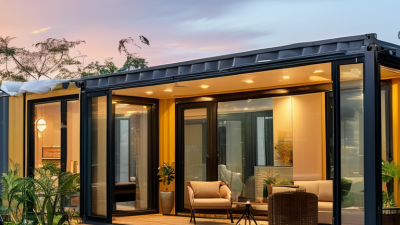
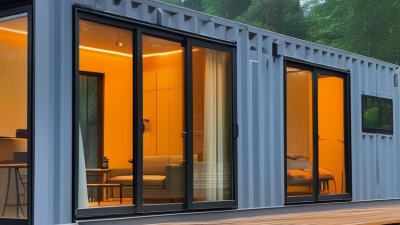
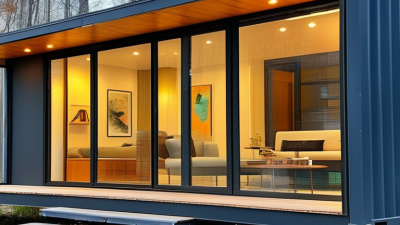
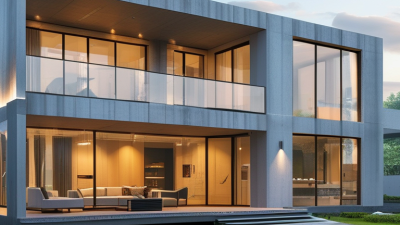
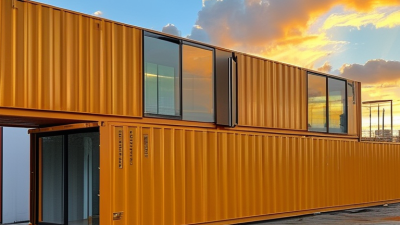
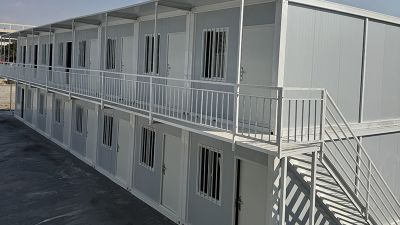
Lately, you've probably noticed that Folding Container Houses have been gaining a ton of popularity. These versatile structures are really changing the game when it comes to housing solutions worldwide. I remember chatting with architect Jane Smith, who's pretty much a pro at sustainable design—she once said, 'Folding Container Houses are completely redefining what homes can look like.' That really stuck with me, showing just how much creativity and practicality these homes bring to different markets.
What’s cool about these container houses is how flexible they are. They can serve as permanent homes, temporary digs, or even office spaces if you need them. The best part? You can add personal touches, making each one totally unique. Of course, there are still some hurdles—like insulation issues or space optimization—that designers are working on. So, it’s pretty important to think about these factors if you want to stay comfortable.
As more folks around the world start considering these options, it’s a good idea to balance how they look with how well they actually work day-to-day. Sure, many of these houses look amazing and make a real statement, but practicality still needs to come first. Looking into existing designs can really help you get a sense of what’s possible. All in all, the whole scene around Folding Container Houses keeps evolving, which keeps things interesting and opens up even more creative possibilities.
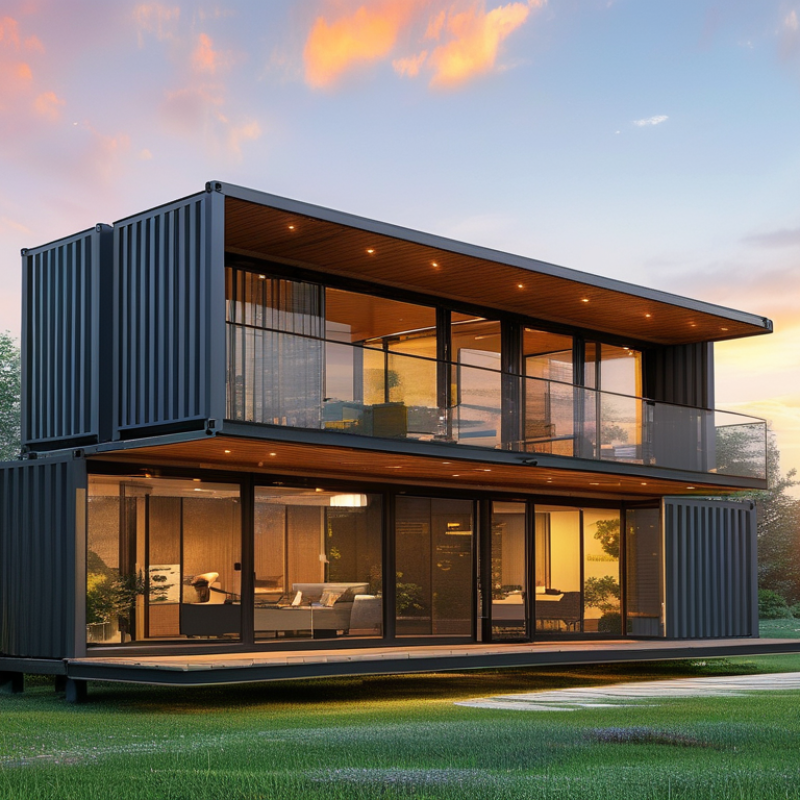
Best Folding Container House Designs for Global Buyers
Folding container houses represent a practical solution for modern living. Their designs cater to a global audience, blending versatility and sustainability. These homes can be easily transported and assembled in various locations. Optionally, they can be customized to suit unique spaces and needs.
Many designs prioritize natural lighting and energy efficiency. Large windows invite sunlight, reducing the need for artificial lighting. Some models feature modular interiors, allowing residents to rearrange spaces as they see fit. However, the layout can sometimes feel cramped. Balancing space with functionality is a common challenge.
Innovative features include eco-friendly insulation and rainwater harvesting systems. These additions help minimize environmental impact. Yet, many designs might lack sufficient storage. Thoughtful design adjustments can alleviate this problem. Overall, folding container houses offer a fresh perspective on living spaces, appealing to diverse lifestyles around the globe.
The Evolution of Folding Container Houses in the Housing Industry
The housing industry has witnessed a significant transformation with the advent of folding container houses. These structures began as a cost-effective solution for temporary housing needs. Over recent years, they have evolved to cater to global buyers seeking modern living spaces. Their modular design offers versatility, enabling easy relocation and reconfiguration. This adaptability appeals to urban dwellers and remote workers alike.
Yet, the evolution of these houses is not without challenges. While folding container homes can be assembled quickly, they sometimes lack traditional home comforts. Some owners report issues with insulation and noise. Additionally, critics point out the stigma attached to living in a repurposed container, which can affect resale value.
Despite these concerns, innovations in design have emerged. Architects now integrate smart home features and sustainable materials. The push for environmentally friendly options continues to gain traction. As folding container houses become more sophisticated, they offer a glimpse into the future of affordable living. The journey of these homes invites ongoing reflection about what it means to live well in limited spaces.
Key Benefits of Folding Container Houses for Sustainable Living
Folding container houses offer practical solutions for sustainable living. These innovative designs maximize space while minimizing environmental impact. They are typically built from repurposed shipping containers, reducing waste and making use of materials that might otherwise contribute to landfill. The compact nature of a Small Folding House encourages efficient use of resources.
Energy efficiency is a core benefit of these homes. They often feature insulation and energy-saving technologies. Many designs incorporate natural light to diminish the need for artificial lighting. While these houses can be quick to set up, the transition to a new lifestyle may require adjustments. The limited space can feel cramped initially, challenging residents to declutter and prioritize essentials.
Portable and adaptable, folding container homes can be relocated with ease. This flexibility supports a nomadic lifestyle or the ability to respond to changing needs. However, finding suitable land can pose obstacles. Not every locale permits their installation. Buyers should research local regulations before proceeding. Despite these challenges, the potential for a sustainable future is bright with the Small Folding House model.
Global Market Trends: The Rise of Prefabricated and Modular Homes
The global trend toward prefabricated and modular homes is transforming the housing market. The demand for sustainable living options is rising. Many buyers are looking for innovative solutions. The idea of a
Folding Tiny House
is appealing due to its mobility and efficient use of space. These houses are designed for both functionality and aesthetics, which attracts a diverse customer base.
Timely advancements in construction technology are enhancing the quality and affordability of these homes. Makers are now able to create folding designs that are not only durable but also visually pleasing. However, challenges remain, such as zoning laws and neighborhood acceptance.
Potential homeowners must navigate these issues carefully. Information regarding quality varies significantly across suppliers. Buyers need reliable sources to educate themselves about what to expect.
Furthermore, while these homes offer flexibility, they may not suit everyone’s lifestyle. Smaller living spaces can lead to a feeling of confinement for some individuals. The balance between compact living and comfort is still under exploration. Finding the right design involves understanding both personal needs and limitations. As the market grows, ongoing dialogues about living standards will be essential.
Innovative Design Features in Modern Folding Container Houses
Modern folding container houses are capturing global attention. They combine sustainability with innovative design features. According to a recent industry report, the global market for these houses could reach $70 billion by 2025. This growth is driven by rising housing demands and environmental concerns.
One notable feature of House Folding designs is their modularity. Each container can be customized and arranged in various configurations. This flexibility allows homeowners to adapt spaces as needed. Additionally, many designs include energy-efficient solutions, such as solar panels and green roofs. Such innovations enhance the ecological appeal of these homes.
However, challenges remain. Not all designs prioritize thermal insulation or soundproofing. Poor performance in these areas can lead to discomfort. Buyers must choose carefully and consider local climates. This reflection is vital for ensuring that the house folding concept meets personal needs effectively.
Best Folding Container House Designs for Global Buyers
This chart represents the popularity ratings of various folding container house designs among global buyers. Each design reflects innovative features and aesthetic appeal that cater to modern living needs.
Cost Comparison: Folding Container Houses vs. Traditional Housing
The rising popularity of Portable Folding Houses offers intriguing advantages and disadvantages. These innovative structures are lightweight and easy to assemble. At first glance, they seem cost-effective compared to traditional homes. Many buyers are attracted to their affordability and quick setup time. However, it’s essential to assess hidden costs and long-term value.
Portable folding houses often feature eco-friendly materials and energy-efficient designs. Initial expenses can be lower, but ongoing maintenance may add up. In contrast, traditional housing may require a higher upfront investment, yet it often provides better resale value. Buyers should consider the implications of durability and living experience in each option.
Flexibility is a key benefit of portable options. They can serve various purposes, from vacation homes to emergency shelters. Yet, the lack of stability and permanence can lead to feelings of insecurity. It’s important to weigh these factors against personal needs and lifestyle choices before making a decision. The journey to finding the right home can invoke reflections on what truly matters in a living space.
Best Folding Container House Designs for Global Buyers
| Design Model |
Size (sq ft) |
Cost (USD) |
Construction Time (Months) |
Energy Efficiency Rating |
| EcoFold 10 |
200 |
20,000 |
2 |
A+ |
| Modular Home X |
300 |
30,000 |
3 |
A |
| SmartFold Compact |
150 |
15,000 |
1.5 |
B+ |
| Ultra-Lite Container |
250 |
25,000 |
2.5 |
B |
| NatureBox |
400 |
40,000 |
4 |
A++ |
Regulatory Challenges and Solutions for Container House Construction
Building folding container houses can be challenging due to regulatory hurdles. Each region has its own building codes. These codes may include zoning laws, fire safety regulations, and environmental guidelines. Compliance can often seem overwhelming. However, understanding these regulations is vital for successful construction.
Consider collaborating with local authorities. They can provide insights into specific requirements. Engaging with architects experienced in container designs can also help navigate the complexities. They offer practical solutions tailored to your region's needs. This partnership can clarify what is feasible and streamline the approval process.
Tip: Research local regulations before starting your project. This saves time and effort.
Communication with contractors is equally important. Discuss potential limitations early in the design phase. Many designs may appear appealing but are impractical within certain codes. Avoid common pitfalls by focusing on flexibility. Adjustments may be needed. Embrace feedback to create functional spaces.
Tip: Stay open to alternative design solutions. You may find surprising benefits in flexibility.
Innovative Living Solutions: Exploring STC Double-layer Quick-assembly Container Houses for Efficient Accommodation and Workspace Design
The rise of innovative living solutions has led to a transformation in how we perceive and utilize space, particularly in the realm of temporary and semi-permanent accommodations. The STC double-storey quick-assembly container house exemplifies this shift, providing an efficient answer to the growing need for multifunctional spaces. This modular building not only serves as comfortable living quarters but also integrates seamlessly as a workspace, catering to the demands of modern projects across diverse industries. According to a recent report from the World Economic Forum, the global modular construction market is projected to reach $157 billion by 2023, driven by the increasing need for flexibility and rapid deployment in construction.
Designed with a two-storey structure, the container house maximizes spatial efficiency, allowing for expanded usable areas without occupying additional land. This design feature is particularly beneficial in construction sites, temporary camps, and on-site offices where space is often at a premium. Research shows that modular buildings can reduce construction time by up to 50%, making them an attractive option for project managers looking to expedite schedules and reduce costs. Moreover, with the ability to be quickly assembled and disassembled, these structures minimize disruption and environmental impact, aligning with sustainable development goals.
As industries continue to evolve, the demand for versatile and innovative accommodation solutions such as the STC double-storey quick-assembly container house is only expected to grow. In an era where adaptability and efficiency are crucial, this approach not only addresses immediate needs but also sets the stage for future advancements in workspace design.
FAQS
: They are innovative homes combining sustainability and design. They use customizable, modular containers for versatile living spaces.
Many designs include energy-efficient solutions like solar panels and green roofs. This enhances their ecological appeal significantly.
They often appear cost-effective with lower initial expenses. However, hidden costs can affect long-term value and maintenance.
Some designs lack adequate thermal insulation and soundproofing. This can lead to discomfort in varying climates.
Yes, they can function as vacation homes or emergency shelters. Their flexibility is a significant advantage for users.
Buyers need to reflect on durability, stability, and personal lifestyle needs. Understanding these aspects is crucial for satisfaction.
Traditional homes often have better resale value. It's important to assess value based on long-term living experiences.
Buyers need to weigh design features against their personal needs. Some designs may not meet expectations fully.
Conclusion
Folding Container Houses have emerged as a pioneering solution in the housing industry, evolving to meet the needs of sustainable living. These innovative structures offer numerous advantages, including cost-effectiveness and flexibility, appealing to a growing market that favors prefabricated and modular homes. The design features of modern Folding Container Houses, such as space optimization and eco-friendly materials, further enhance their attractiveness to global buyers.
As the demand for affordable housing surges, the benefits of Folding Container Houses become increasingly evident. A cost comparison with traditional housing highlights significant savings, while addressing common regulatory challenges shows that adaptive solutions are possible. Overall, Folding Container Houses represent a transformative approach to contemporary living, aligning with global trends towards sustainability and efficiency.