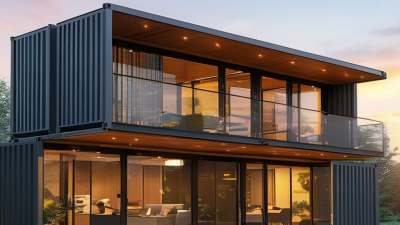
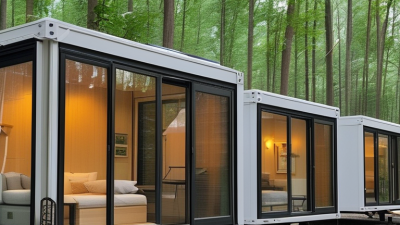
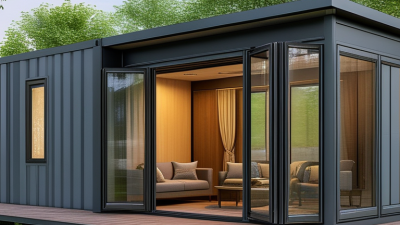
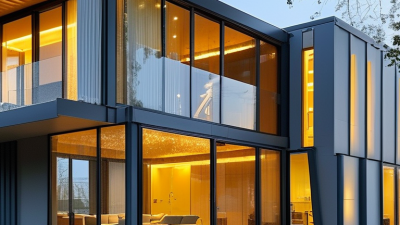
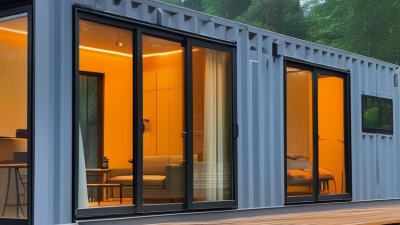
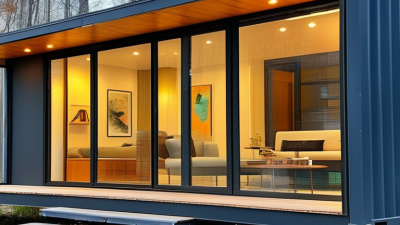
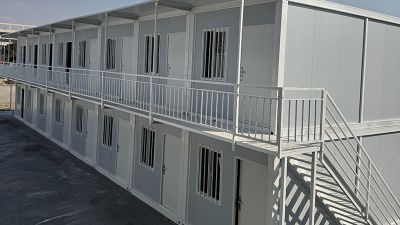
You’ve probably noticed that tiny houses, especially Tiny House Modular Homes, have been gaining a lot of buzz lately. Honestly, they’re taking off more than ever. I read somewhere that in 2022, the tiny house market was worth around a billion bucks, and the numbers are only climbing. A big reason? People are feeling the pinch with rising housing costs and are also looking for more sustainable ways to live. Most tiny homes today are under 400 square feet, but they pack a punch — offering smart, compact solutions for those who want to downsize without sacrificing style or comfort.
Companies like Tumbleweed Tiny House Company and Tiny Home Builders are really leading the way with cool modern designs and eco-friendly features. They’re all about multi-purpose furniture and energy-efficient appliances, making living tiny feel practical and green at the same time. Of course, it’s not all smooth sailing — there are some hiccups. For example, storage can be a bit of a challenge, and zoning laws sometimes make it tricky to place these small homes just anywhere.
Looking more into tiny house modular homes, it’s clear that we need a stronger infrastructure to support this trend. As more folks start thinking about downsizing, the industry will need to evolve. It’s really about finding that sweet spot — balancing creativity and practicality — so these little homes can truly deliver on their promise of affordability and sustainability, without ignoring some of the bumps along the way.
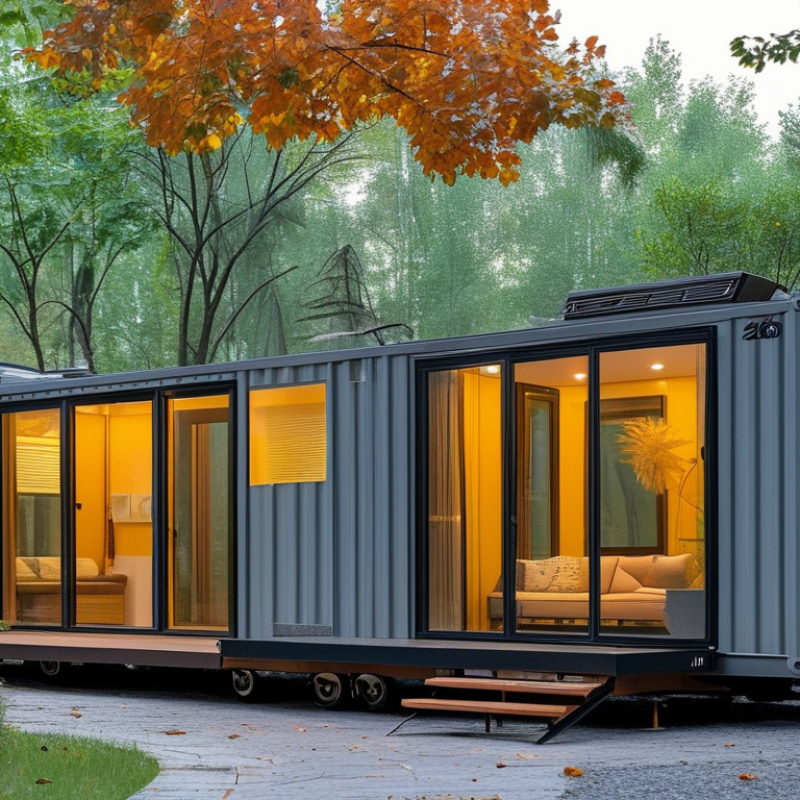
Emerging Trends in Tiny House Modular Home Design for 2026
The tiny house movement continues to gain momentum. In 2026, innovation in modular home design showcases exciting trends. Research indicates that about 70% of potential homeowners are considering sustainable solutions. Modular homes are often built using eco-friendly materials. These materials significantly lower the carbon footprint.
Multifunctional furniture is gaining popularity. Many designs now include foldable and retractable components. This maximizes space while retaining functionality. According to industry reports, these homes average around 200-400 square feet. Designers are focusing on optimizing every inch. Natural light integration is becoming a priority too. Large windows and skylights provide a sense of openness.
However, some challenges remain. The perception of tiny living as restrictive can be a barrier. Consumers need more education about the benefits. Local zoning laws may limit tiny house placements. Building codes are often outdated and unclear. These issues highlight the need for continuous reevaluation in the industry. As interest in tiny homes grows, evolving regulations will be key.
Innovative Sustainable Materials for Tiny Houses in 2026
In 2026, the push for sustainable living in Modular Tiny Houses continues to grow. Innovations in materials are critical to addressing environmental impacts. Many builders now focus on using recycled and natural materials. For instance, hempcrete is gaining popularity. It is both lightweight and has excellent insulating properties. This material can reduce energy costs significantly, aligning with the eco-conscious mindset of 80% of potential homeowners today.
Integrating solar panels into Modular Tiny Houses can provide energy independence. Recent reports indicate that 60% of tiny home buyers prioritize energy efficiency in their design choices. This shift encourages the use of low-impact materials like bamboo and reclaimed wood. These choices do not just enhance aesthetics; they often lead to improved air quality. Sustainable materials are a game-changer but can be pricier upfront. Homeowners might face higher initial investments.
Tips: Consider starting with a smaller investment in sustainable materials to test their benefits. Focus on long-term savings and health impacts. Engaging local artisans in the building process can also enhance the connection to materials. They often have insights into effective uses for local resources, which can foster community engagement. Balancing comfort with sustainable choices can be challenging but rewarding in Modular Tiny Houses.
Smart Technology Integration in Modular Tiny Homes
Smart technology is transforming the landscape of modular tiny homes. From energy-efficient appliances to intelligent lighting systems, these innovations enhance the living experience. Homeowners can control their space at the touch of a button. This kind of integration is crucial in small living areas where efficiency is everything.
Systems like smart thermostats adapt to user habits, optimizing energy use. Such features help reduce bills and environmental impact. However, the challenge lies in ensuring that technology does not overwhelm the inherent simplicity of tiny homes. A Tiny House Container Home should feel cozy, even with advanced gadgets. Balancing high-tech features with a minimalist design can be a constant reflection point for builders and homeowners.
Moreover, connectivity issues can occur in remote locations. Dependable internet access becomes essential for smart homes, complicating rural living. It’s vital for homeowners to weigh the benefits of technology against potential drawbacks. Creating a sustainable and inviting space requires thoughtful consideration of both smart innovations and traditional designs. Thus, these technological advancements must align with the essence of tiny living.
Space-Saving Furniture Solutions for Tiny Living
In the tiny house movement, space-saving furniture is paramount. The National Association of Home Builders reports that about 60% of tiny homeowners prioritize multifunctional furniture. This trend reflects the need for efficient living solutions in smaller spaces. Innovative designs, such as foldable tables and expandable sofas, are critical. These pieces can transform small rooms into multifunctional areas.
One of the most interesting innovations is the use of modular furniture. Pieces that can be rearranged or reconfigured offer flexibility. For example, a modular sofa can become a bed, saving floor space during the day. This versatility not only maximizes utility but also enhances comfort. However, these solutions often come with a cost, sometimes sacrificing aesthetic appeal.
While the trend is growing, not all designs meet user expectations. Some furniture can be overly complicated, leading to usability issues. The American Institute of Architects highlights that many inhabitants struggle with poorly designed multifunctional pieces. This indicates the need for refinement. Thoughtful design and practicality must go hand in hand in tiny living solutions.
2026 Best Tiny House Modular Home Innovations to Consider
| Feature |
Description |
Benefits |
Space Saved |
| Foldable Furniture |
Compact tables and chairs that collapse for easy storage. |
Maximizes usable space while providing functionality. |
Up to 30% more usable space. |
| Murphy Beds |
Wall-mounted beds that fold up when not in use. |
Transforms living space from bedroom to living area easily. |
Freed up floor space of 50%. |
| Lofted Areas |
Elevated platforms for beds or storage. |
Utilizes vertical space for sleeping or storing items. |
Increased living area by 25%. |
| Multi-functional Appliances |
Appliances that serve multiple purposes, like washer-dryer combos. |
Reduces the need for separate appliances, saving space. |
Can save up to 15% in space usage. |
| Nesting Tables |
Tables designed to fit into one another when stored. |
Easy to store and great for entertaining. |
Approx. 40% space saved when not in use. |
Energy-Efficient Systems for Tiny Homes: A 2026 Perspective
In 2026, tiny homes are evolving with innovative energy-efficient systems. These systems not only reduce your carbon footprint, but also cut down energy bills. Integrating solar panels is a popular choice. These panels convert sunlight into electricity, providing a sustainable power source. Consider high-efficiency appliances as well. They use less energy without sacrificing performance.
Ventilation systems also deserve attention. Energy Recovery Ventilators (ERVs) maintain indoor air quality while minimizing energy loss. They recycle air, reducing the load on heating and cooling systems. This technology ensures comfort in small spaces. However, installation costs can be high. Weigh the benefits against your budget before committing.
Tips: When planning your tiny home, prioritize natural lighting. Large windows can reduce your reliance on artificial light. Explore insulation options that suit your climate. Effective insulation is crucial to maintain a stable temperature. These small adjustments can lead to significant energy savings over time. Always research local regulations before implementing these systems.
Customizable Modular Features for Personalizing Your Tiny Home
When considering customizable modular features for your tiny home, focus on personal preferences. Many owners treasure unique designs in their spaces. A Tiny Home Container House offers flexibility in layout and function. This allows for creative expression while maintaining efficiency. Imagine converting your living area into a multi-purpose space. This adaptability can accommodate everything from workstations to entertainment zones.
Incorporating foldable furniture is one way to maximize limited square footage. With innovative designs, tables and chairs can disappear when not in use. This not only enhances visual appeal but also promotes an open atmosphere. Moreover, adjustable lighting fixtures can cater to different moods. Use bright, energizing lights for work or soft, warm glows for relaxation. Experimenting with colors and textures leads to a personalized touch.
However, customization can be challenging. Balancing aesthetics with functionality requires thoughtful planning. You may find that some features don't fit your lifestyle as envisioned. It's essential to reflect on these choices regularly. Reassess what works and what doesn't. The path to crafting your ideal Tiny Home Container House is a journey. Embrace the trial and error, and enjoy the creative process.
Regulatory Changes Impacting Tiny House Innovations in 2026
The tiny house movement continues to gain traction as regulatory changes reshape the landscape for Modular Tiny Homes. In 2026, updated zoning laws and building codes will play a critical role. Many municipalities are recognizing the need for affordable housing solutions. A recent report by the National Association of Realtors states that 38% of cities plan to ease restrictions on tiny homes in the coming year.
Innovations in construction methods are also influencing tiny house designs. New materials and techniques are emerging, allowing for better energy efficiency and sustainability. A study by the American Institute of Architects highlights that homes built with modular components can reduce construction time by 30%. However, these innovations are tempered by the need for compliance with local regulations, which can vary significantly. Some areas still impose rigid requirements that may stifle creativity.
While the outlook is promising, challenges remain. The integration of advanced technology in Modular Tiny Homes might not be universally accepted. There are concerns about quality control and the durability of prefabricated designs. Stakeholders must navigate these complexities to fully leverage innovation. Continued advocacy for regulatory reform could lead to more widespread acceptance and success in the tiny home market.
Maximizing Space Efficiency with STC Double-layer Quick-assembly Container House for Accommodations and Offices
Maximizing space efficiency is a critical concern in today's fast-paced and resource-constrained environment. The STC double-layer quick-assembly container house stands out as an innovative solution, particularly when considering its dual functionality as both living accommodations and office spaces. With its two-story structure, this modular building effectively doubles the available space without the need for extra land, making it an ideal choice for various applications, including construction sites and temporary camps.
According to industry reports, modular buildings can reduce onsite construction time by up to 50%, significantly decreasing labor costs and enhancing project timelines. The container house's design not only caters to the need for swift deployment but also integrates essential amenities that allow for comfortable living and productive work environments. This adaptability is essential in dynamic sectors where temporary solutions need to be both durable and functional.
Furthermore, the STC container house promotes sustainability and efficient resource utilization. By minimizing the footprint required for accommodation and office solutions, it aligns with modern architectural trends favoring eco-friendly practices. The flexibility of this design supports the increasing demand for temporary and mobile workspaces, responding to a growing preference for versatility in how people live and work, particularly in project-driven industries.
FAQS
: Recycled materials and natural options such as hempcrete, bamboo, and reclaimed wood are trending.
Hempcrete is lightweight and offers excellent insulation, which reduces energy costs significantly for homeowners.
Solar panels provide energy independence and are prioritized by 60% of tiny home buyers for energy efficiency.
Yes, while the initial costs can be higher, the long-term benefits and savings on energy may justify the investment.
Start with a smaller investment in sustainable options to evaluate long-term savings and health impacts effectively.
Engaging local artisans can enhance material choices and foster community engagement, utilizing local resources effectively.
Smart technology enhances energy efficiency with features like smart thermostats and intelligent lighting systems, optimizing living space.
The challenge is maintaining simplicity while integrating smart features without overwhelming the cozy feel of the space.
Reliable internet is essential for the functionality of smart devices, especially in remote living situations.
Thoughtful consideration of both innovative tech and traditional designs is crucial to creating a sustainable, inviting space.
Conclusion
As we look toward 2026, the landscape of Tiny House Modular Home innovations is evolving rapidly, driven by emerging design trends and sustainable practices. Key innovations include the use of innovative materials that prioritize sustainability, as well as the integration of smart technology that enhances the functionality and livability of these compact spaces. Additionally, space-saving furniture solutions are becoming essential for maximizing utility in tiny living environments, ensuring that homeowners can enjoy both comfort and efficiency.
Energy-efficient systems are also becoming a focal point, offering homeowners practical ways to reduce their carbon footprint while enjoying modern conveniences. Furthermore, customizable modular features are enabling individuals to personalize their tiny homes to better meet their unique needs. Regulatory changes are poised to impact these innovations as well, shaping how tiny homes are designed, constructed, and integrated into communities. The combination of these elements positions the Tiny House Modular Home trend as a forward-thinking approach to sustainable living in the coming years.