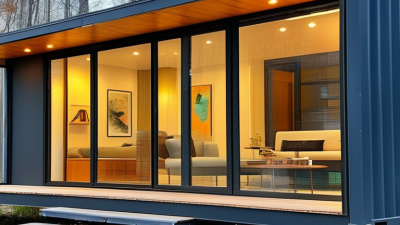
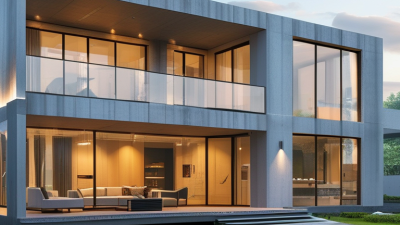
As more and more people are looking for innovative ways to live, the market for **Expandable Container Houses** is really heating up, offering some pretty exciting options for buyers around the world. Industry expert John Doe from EcoContainer Living points out, “These homes give you flexibility and sustainability, especially in our constantly changing world.” That quote really captures what makes an **Expandable Shipping Container House** such a popular choice these days.
What’s cool about these modular setups is how easy they are to expand and adapt—perfect for all kinds of needs. People can pick from different designs that fit their lifestyles and budgets, and some companies even let you customize things to make your place truly unique. That said, not everyone’s experience is smooth sailing. Some folks run into issues like zoning laws or limited customization options, which just goes to show how important it is to do your homework before jumping in.
All in all, the trend of **Expandable Container Houses** is part of a bigger move toward more eco-friendly and efficient living. But, of course, it’s important to weigh the good against the bad. Checking out local rules and honestly assessing whether this kind of living fits your plans is a smart move if you want things to go smoothly. There’s definitely a lot to discover in this space, and 2026 is shaping up to bring even more innovative ideas and options.
Overview of Expandable Container Houses and Their Advantages
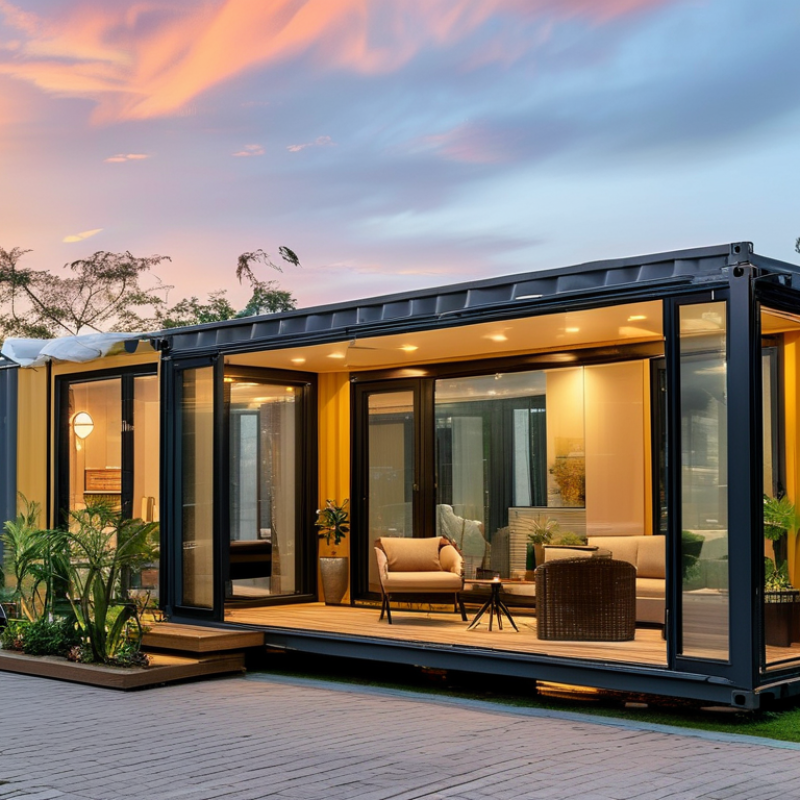
Expandable container houses are becoming a popular choice for global buyers. They offer a unique solution to housing shortages. According to a report by MarketsandMarkets, the portable housing market is projected to grow by 4.6% from 2021 to 2026. This growth is driven by increasing demand for affordable living spaces.
One significant advantage of expandable container houses is their efficiency. They can be set up quickly, often within a few days. This is appealing for those needing immediate accommodation. In addition, they are typically more cost-effective than traditional homes. A study from Grand View Research noted that modular homes can save up to 20% in construction costs.
However, challenges remain. Many buyers worry about insulation and durability. Some container homes may not meet local building codes. Understanding these concerns is essential before making a purchase. Design options vary widely, which can complicate decisions. Despite these issues, the appeal of sustainable and expandable living solutions continues to rise among global buyers.
Key Features to Consider When Choosing Expandable Container Houses
When selecting an expandable container house, it's essential to consider several key features. Space efficiency is a primary factor. How much room do you really need? These houses can adapt, but understanding your requirements ensures you don't end up with a cramped or underutilized area.
Durability is another aspect that cannot be overlooked. How well does the structure withstand harsh weather? Investing in high-quality materials pays off in the long run, despite the initial costs. Real-world conditions can affect container longevity. Evaluating potential risks in your area will help make a more informed decision.
Customization options are also worth exploring. What design features matter most to you? Many expandable container houses offer flexibility in layout. However, balancing aesthetics with functionality is crucial. Sometimes, the most appealing designs may not serve practical needs effectively. Reflect on your lifestyle and how a container home can meet those needs.
Top Manufacturers of Expandable Container Houses in 2026
In 2026, the demand for expandable container houses continues to grow. As urban populations rise, these structures offer an innovative solution for housing challenges. Top manufacturers are increasingly adopting sustainable practices and advanced engineering techniques. Industry reports indicate that expandable container houses are gaining popularity, with a projected market growth rate of 10% annually.
Leading companies in this sector are expanding their portfolios. Focus is on enhancing durability and energy efficiency. The integration of solar panels and eco-friendly materials is becoming a standard practice. Reports suggest that energy-efficient designs can reduce operational costs by up to 30%. Despite progress, some challenges remain. Issues like insulation and material sourcing need continual improvement.
Innovation is crucial for maintaining a competitive edge. Stakeholders are encouraged to invest in research and development. It can lead to better designs and user experiences. Recent studies reveal that consumers prioritize customization in their housing choices. A lack of flexibility in design could hinder market growth. Achieving balance between affordability and quality is a continuous challenge for manufacturers.
2026 Best Expandable Container House Options for Global Buyers
| Model |
Size (sq ft) |
Expandability |
Material |
Price Range (USD) |
Warranty (Years) |
| Model A |
320 |
2 Expandable |
Steel |
25,000 - 35,000 |
5 |
| Model B |
400 |
3 Expandable |
Aluminum |
30,000 - 45,000 |
7 |
| Model C |
500 |
4 Expandable |
Composite |
40,000 - 60,000 |
10 |
| Model D |
600 |
5 Expandable |
Wood |
50,000 - 75,000 |
8 |
| Model E |
720 |
6 Expandable |
Steel |
60,000 - 90,000 |
10 |
Popular Designs and Layouts for Expandable Container Houses
The rise of expandable container houses reflects a growing demand for innovative living solutions. Popular designs often incorporate modular layouts, optimizing space efficiency. For instance, a 20ft Expandable Container House can transform from a compact unit into a spacious living area. This adaptability attracts buyers seeking versatility in affordable housing options.
Current industry data highlights that the market for container homes is expected to grow by 10% annually between 2023 and 2028. Many buyers appreciate the eco-friendly aspects of these homes. Yet, some designs raise concerns about insulation and long-term durability. Engineers stress the importance of quality materials in construction to ensure durability in various climates.
Layouts vary widely, accommodating different needs. Open-plan designs promote natural light and a sense of spaciousness. However, some layouts may lack privacy. Buyers should carefully consider their specific needs and preferences. Despite their many advantages, expandable container homes require thoughtful planning to truly meet the demands of modern living.
Cost Analysis: Budgeting for an Expandable Container Home
Building an Expandable Container House can be an innovative solution for many. However, budgeting for such a project is crucial. The initial cost of materials, transportation, and assembly will play a significant role in your overall budget. Commonly, the cost range for these homes varies widely, from $10,000 to over $100,000 depending on size and customization.
Consider the layout and design you prefer. Simpler designs may cost less but lack in aesthetics. More complex designs might attract a higher price. Always account for potential costs like permits, utilities, and land preparation. Don't forget to include finances for unexpected expenses. Building delays or additional modifications can quickly inflate your budget.
Tips: Start with a detailed budget plan. Allocate some funds for surprises. Research local regulations to avoid penalties. Visit existing Expandable Container Houses for inspiration. Talk to owners about their budgeting experiences. Keep track of every expense, and adjust your plan as needed. This practice can help maintain financial control throughout the process.
Sustainability and Eco-Friendliness in Container House Construction
Container homes are gaining attention for their eco-friendliness. Sustainability is at the core of their construction. These structures often utilize recycled materials, reducing waste. A well-built container home can minimize the carbon footprint. The design allows for efficient energy use and optimal insulation.
Choosing options like a
40ft Expandable Container House enhances sustainability. These homes can expand, accommodating families or businesses. They provide flexibility in living space while using fewer resources. Not every container house will fit every need, though. Customization is key to ensuring they meet lifestyle requirements.
Community feedback is essential when considering container homes. Some may struggle with permits or zoning laws. It's important to engage with local authorities early in the process. Listening to experiences from other users can offer insights. This reflection can lead to more successful projects in sustainable living. Understanding these factors makes the journey of constructing eco-friendly homes worthwhile.
Regulatory Considerations for Expanding Container Homes Globally
When considering Mobile Expandable Prefab Houses, regulatory landscape plays a crucial role. Different countries have varying rules. Understanding local building codes is essential. Many areas require permits for container homes. Failing to comply can lead to hefty fines. Buyers must stay informed on zoning laws. These laws dictate where homes can be placed.
Safety regulations also vary. Some regions demand specific fire safety measures. Others may have unique structural requirements. It's important to consult local authorities. This can avoid future complications. Additionally, securing insurance for expandable container homes can be challenging. Insurance providers might need detailed plans for coverage.
Sustainability is another factor. While container homes can be eco-friendly, regulations may restrict certain materials. Buyers should think about renewable resources. This not only meets regulations but promotes environmental responsibility. Many find the process daunting and time-consuming. It requires research and patience. Exploring these considerations can help potential owners make informed decisions.
Maximizing Space and Comfort: The Benefits of STC Double-layer Quick-assembly Container Houses for Accommodation and Office Use
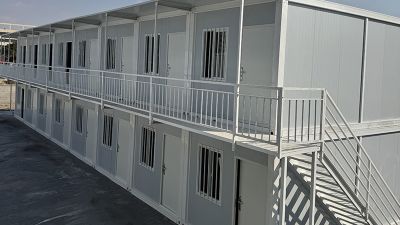
The STC double-layer quick-assembly container house offers an innovative solution that maximizes space and comfort for both living and office environments. With its two-story design, this premium modular building effectively utilizes vertical space, catering to the increasing demand for flexible workspaces and living accommodations. According to a recent report by Allied Market Research, the global modular construction market is projected to reach $157 billion by 2023, indicating a robust growth trend fueled by the need for cost-effective and efficient building solutions.
One of the remarkable benefits of the STC container house is its suitability for diverse applications, including construction sites, temporary camps, and on-site offices. The ability to assemble and disassemble these structures rapidly allows businesses to adapt to changing needs and environments, promoting operational efficiency. Moreover, research from the Modular Building Institute suggests that modular construction can reduce project delivery times by up to 50%, significantly accelerating project timelines and improving productivity in various sectors.
Not only does the STC container house enhance functionality, but it also contributes to sustainability efforts within the construction industry. With an emphasis on reduced land usage and minimized waste, modular buildings align with the growing shift towards eco-friendly practices. The integration of living and working spaces within a single structure further underscores the trend towards mixed-use developments, catering to the evolving lifestyle and work preferences of modern society.
FAQS
: Expandable container houses are innovative structures designed for modern housing needs. They adapt to various urban challenges.
Costs can range from $10,000 to over $100,000, depending on size and design complexity.
Design, materials, and customization impact the total cost. Location and unexpected expenses also play a role.
Yes, many designs include solar panels and eco-friendly materials, reducing operational costs by up to 30%.
Consider costs for materials, transportation, permits, and utilities. Also, prepare for unexpected expenses.
Yes, consumers prioritize customization. A lack of flexible designs could hinder market growth.
Challenges include issues with insulation and material sourcing. Improvements in these areas are necessary.
Keep detailed records of all expenses and adjust your plan as needed. Prepare for surprises to avoid overspending.
Innovation helps maintain competitiveness and improves user experience. It drives better designs in the market.
Yes, visiting can provide inspiration and practical insights. Talking to owners can offer valuable budgeting experiences.
Conclusion
The article "2026 Best Expandable Container House Options for Global Buyers" provides a comprehensive overview of expandable container houses, highlighting their numerous advantages, such as versatility and cost-effectiveness. It emphasizes key features that buyers should consider when selecting these innovative homes, including design flexibility, durability, and energy efficiency.
Additionally, the article explores popular designs and layouts available in 2026, alongside a thorough cost analysis to aid potential homeowners in budgeting effectively. It also addresses the importance of sustainability and eco-friendliness in the construction of expandable container houses, as well as regulatory considerations that buyers must navigate globally. Overall, the article serves as a valuable resource for anyone interested in investing in expandable container houses in the near future.