Leave Your Message
Engineered for extreme durability, immediate setup, and scalable configurations to support critical field operations.
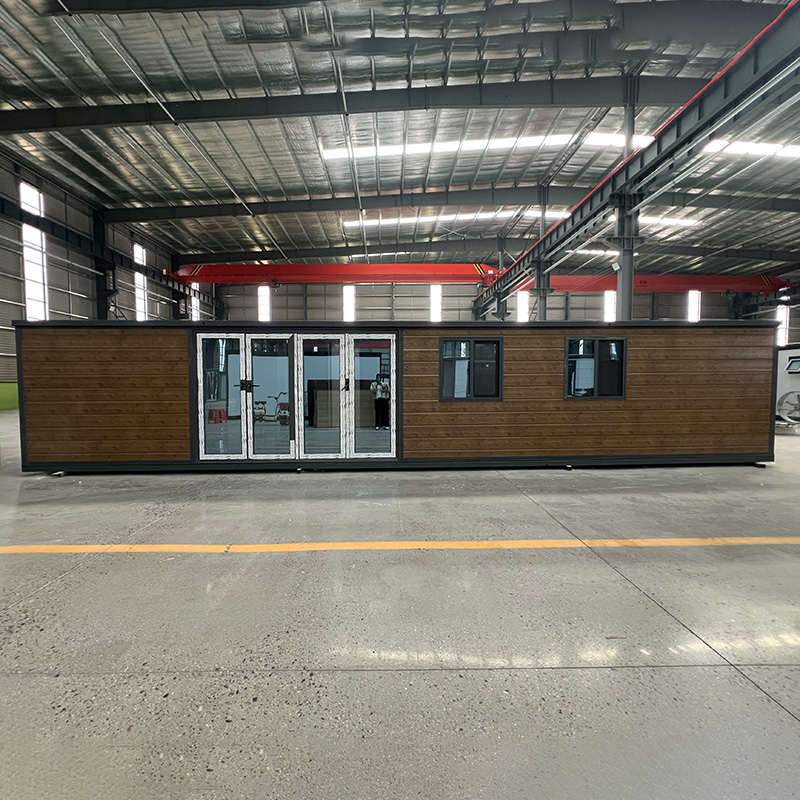
In an era marked by rapid urbanization, climate volatility, and unexpected global health emergencies, the demand for fast-response infrastructure has surged exponentially. The traditional method of constructing permanent brick-and-mortar facilities is no longer viable during crisis situations due to extensive lead times, complex regulatory approvals, and astronomical costs. As a result, the commercial and industrial landscape has witnessed a paradigm shift toward modular construction—specifically utilizing 40ft container houses as the blueprint for temporary medical stations and tactical command centers.
Today, multinational organizations, non-governmental organizations (NGOs), military divisions, and healthcare providers globally recognize modular containers as a strategic asset. The ability to ship a fully functional hospital ward, diagnostic laboratory, or communications hub via standard logistics channels (ocean freight, rail, or flatbed trucks) ensures that critical infrastructure can arrive precisely when and where it is needed most. This industry is currently experiencing a compound annual growth rate (CAGR) of over 8%, driven by developments in material science, structural engineering, and the integration of advanced IoT and AI systems within modular units.
"The integration of 40ft container houses into emergency networks represents the intersection of logistics efficiency and high-tech structural design. These are no longer mere shipping boxes; they are self-sustaining, intelligent cells capable of saving lives and coordinating complex operations under extreme environmental conditions."
Discover how modern container houses are evolving from simple metallic structures to smart, resilient modular complexes.
Modern 40ft container units are increasingly integrated with hybrid solar-battery systems, backup generators, and smart microgrid interfaces. This ensures uninterrupted power supply for critical medical monitors, ventilators, and satellite communication arrays in remote or disaster-stricken regions.
To prevent cross-contamination in temporary medical stations, container houses are engineered with negative pressure systems and HEPA air filtration. This creates sterile environments equivalent to metropolitan hospital isolation wards, vital for containing infectious pathogens.
IoT sensors embedded within the structural frames monitor internal temperature, humidity, structural integrity, and structural load in real-time. Connected to centralized command dashboards, these sensors allow engineers to remotely track the health of the entire modular deployment.
Furthermore, the trend toward circular economy principles has accelerated the adoption of eco-friendly materials within container construction. Polyurethane sandwich panels with high thermal resistance (R-value) reduce the energy footprint required for heating and cooling. Water recycling systems and low-flow plumbing fixtures are also pre-installed to ensure that temporary medical stations do not place an undue burden on local municipal resources during emergencies.
An analysis of how these rugged, modular units are deployed for specialized emergency scenarios.
During pandemics or natural disasters, hospital capacity can be overwhelmed in hours. A fleet of 40ft container houses can be configured into a modular hospital wing. Each container can house up to four patient beds with integrated medical gas lines, power outlets for diagnostic equipment, and easy-to-sanitize PVC flooring. The quick-assembly design enables rapid expansion of triage centers directly in hospital parking lots or remote rural zones.
For military operations, disaster response coordination, or large-scale industrial projects, a centralized node of operations is critical. 40ft containers are converted into secure command centers equipped with server racks, satellite dishes, multi-screen monitoring walls, and secure conference rooms. The heavy-duty steel structure provides electromagnetic shielding and physical protection against harsh weather and external threats.
Conducting field research, pathogen testing, or routine community health checkups requires specialized environments. Container houses can be designed to meet Biosafety Level 2 (BSL-2) or Level 3 (BSL-3) standards. Pre-engineered with laboratory benches, chemical-resistant surfaces, eyewash stations, and secure storage for biohazardous materials, these units bring advanced diagnostics directly to the frontlines.
Shanghai Tangcheng Container Homes Co., Ltd. provides versatile container architectures tailored to dynamic project requirements.
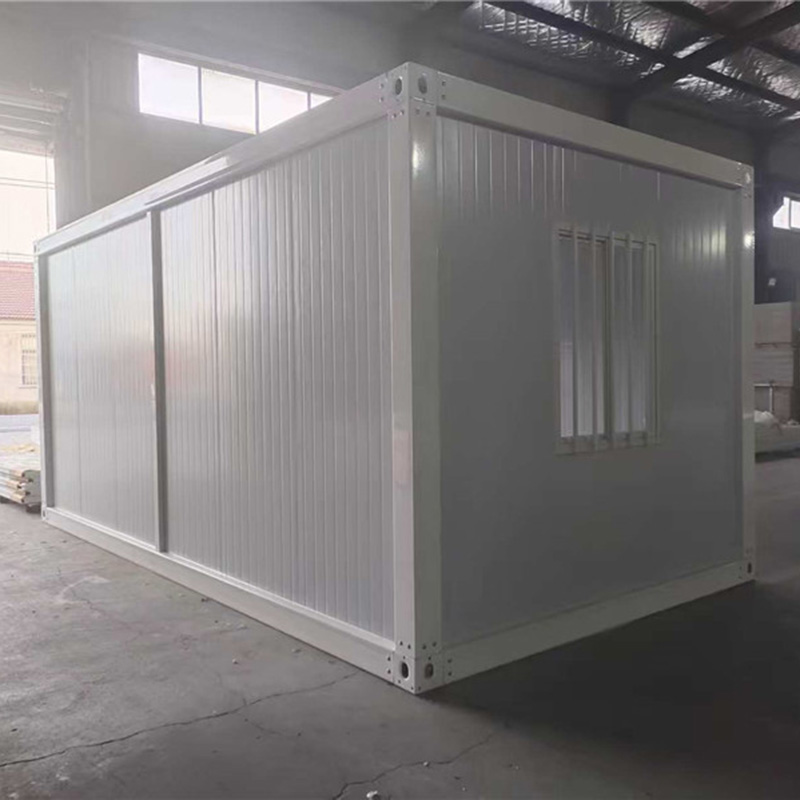
Core Advantages & Applicable Scenarios: Engineered for ultra-rapid deployment, these units fold flat for space-saving transport and can be erected in minutes, making them ideal for immediate disaster relief and temporary medical triage points.
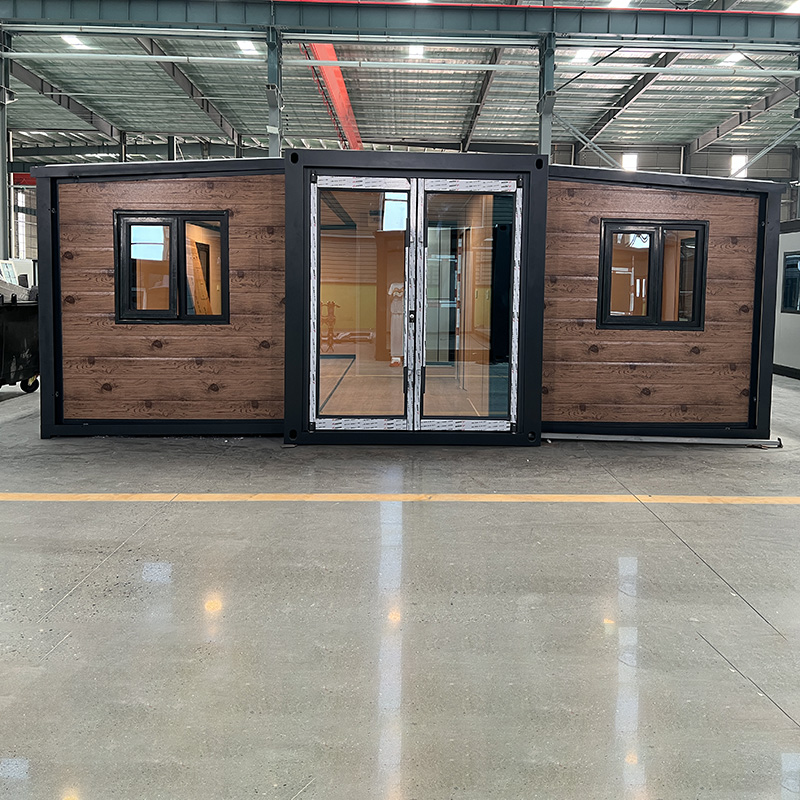
Configuration Standards: Equipped with slide-out or fold-out sections, these containers triple their usable floor space upon deployment. Perfect for spacious field operating rooms, intensive care units (ICUs), and multi-desk command headquarters.
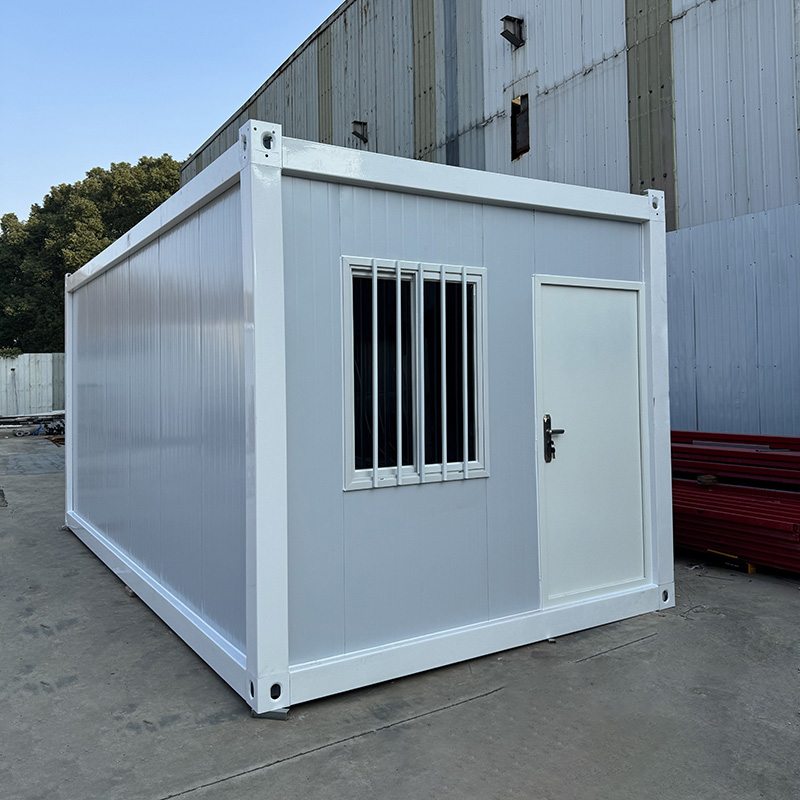
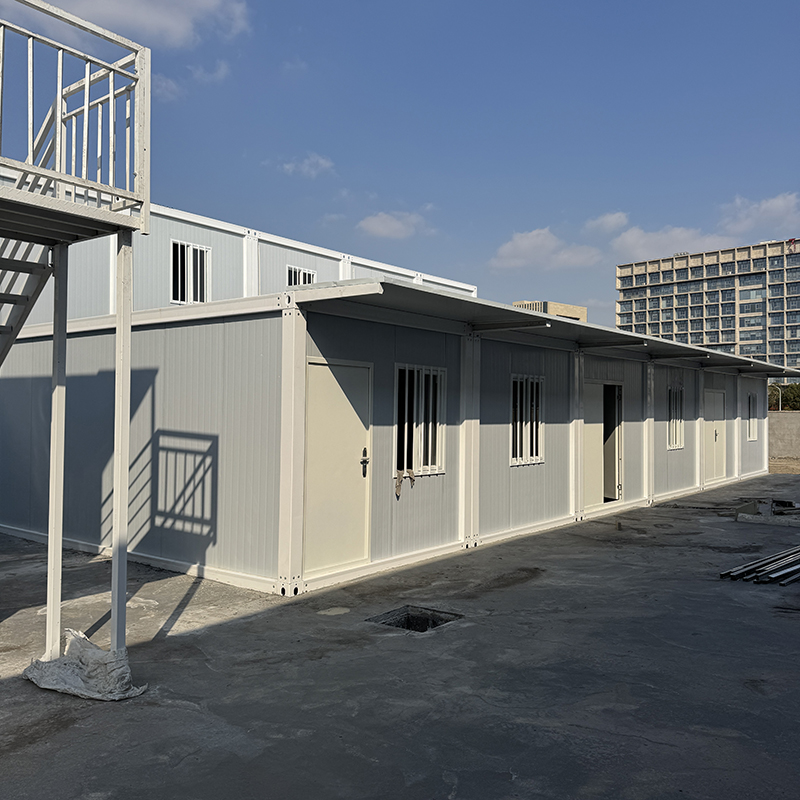
Modular Adaptability: The backbone of modular architecture. These standard 40ft and 20ft units can be stacked and linked side-by-side to build multi-story administrative complexes, dormitory quarters, and comprehensive medical centers.
Worry-free Guarantee from Demand to Implementation
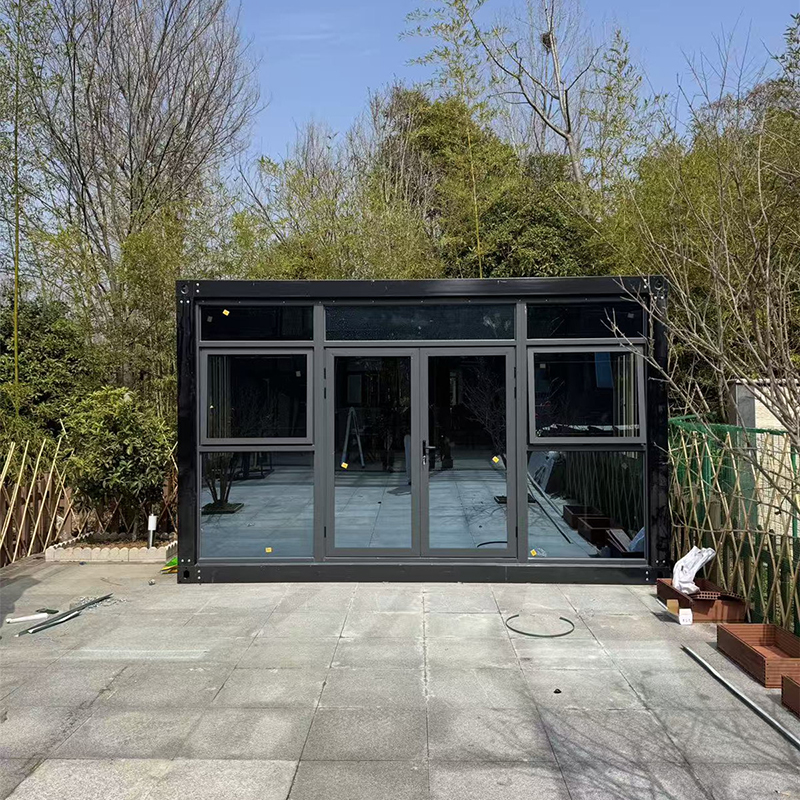
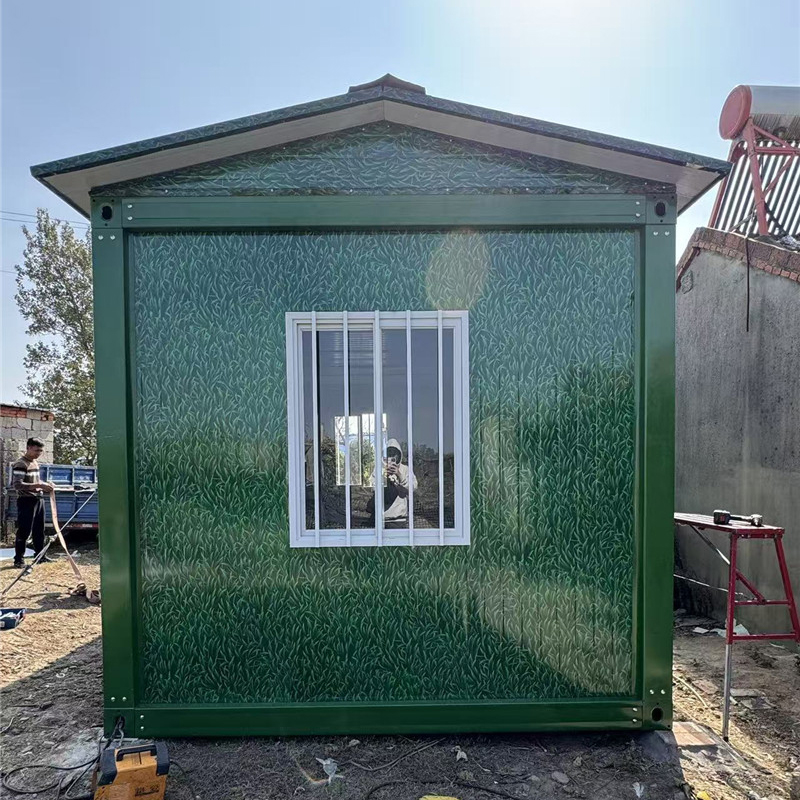
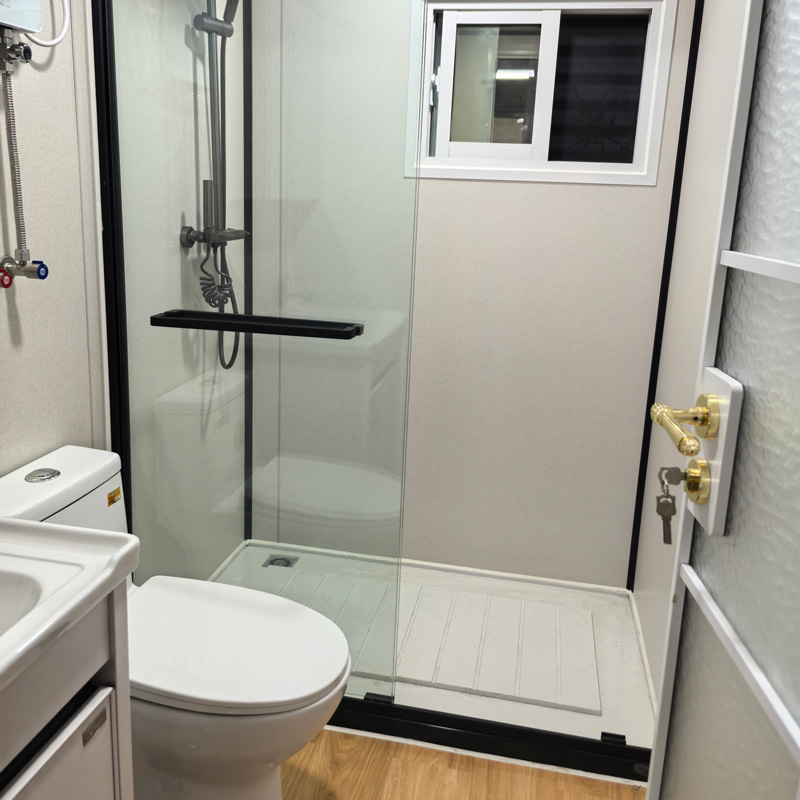
Based on the customer's usage scenarios, regional climate (such as high-altitude, rainy, and windy areas), and functional requirements, 3D house-type design solutions are provided. Personalized customization of exterior color matching, internal layout, and functional modules (bathrooms, kitchens, office areas) is supported.
We provide basic leveling solutions. Only a simple concrete cushion is required for construction, reducing the cost and cycle of foundation construction.
Adopt a fully automated production line. All components have passed international certifications such as ISO 9001, CE, and ASTM. Chemical safety meets RoHS and REACH standards, with no harmful substance release.
A fast delivery cycle of 20-25 days. International trade terms such as FOB, CIF, and CFR are supported. Direct shipments from Nansha/Huangpu Port to the world, with a complete logistics tracking service.
Form an experienced installation team. For large-scale projects, a dedicated project manager is assigned to control the whole process, and the whole process including frame assembly, sealing and waterproofing, and water and electricity debugging is completed according to specifications.
After installation, item-by-item acceptance services are provided, covering structural perpendicularity (deviation ≤ 5mm), water-tightness testing, and circuit safety inspection, and an official acceptance report is issued.
24-hour repair reporting channel. Response within 4 hours in urban areas, 8 hours in suburban areas, and 24 hours in remote areas. It covers all-scene fault handling such as structural repair, parts replacement, and waterproof leak repair.
Graded quality guarantee system: The main structure has a quality guarantee of 1-3 years, and vulnerable parts have a quality guarantee of 1 year. High-end products enjoy a 10-year shell quality guarantee + lifetime leak-proof guarantee. The warranty period for repaired parts is extended by 6-12 months.
Long-term supply of standardized parts (sealing strips, screws, wall panels, etc.). Delivery within 72 hours. Custom-fitting of parts for old-style products is supported, and regular inspection and maintenance guidance services are provided.
Triple Guarantee of Safety, Efficiency, and Economy

All series of products have passed wind-resistance tests of level 10-11 and earthquake-resistance tests of magnitude 7-8. Their fire-resistance, waterproofing, and heat-insulation performance meet international standards, and both structural integrity and chemical safety meet the standards.

Modular pre-fabrication production, on-site quick assembly. The construction cycle is shortened by 40% - 60% compared with traditional buildings. Without the need for complex approvals, it realizes "quick implementation and immediate use".

Components can be repeatedly disassembled and reused, reducing construction waste. It saves more than 30% of the comprehensive cost compared with traditional buildings. High transportation loading rate significantly reduces logistics costs, and the long-term use and maintenance costs are low.
Explore our full range of customizable container units designed for global delivery and quick deployment.