Leave Your Message
Engineered for high durability, seismic resistance, and fast deployment across Japan's prefectures.
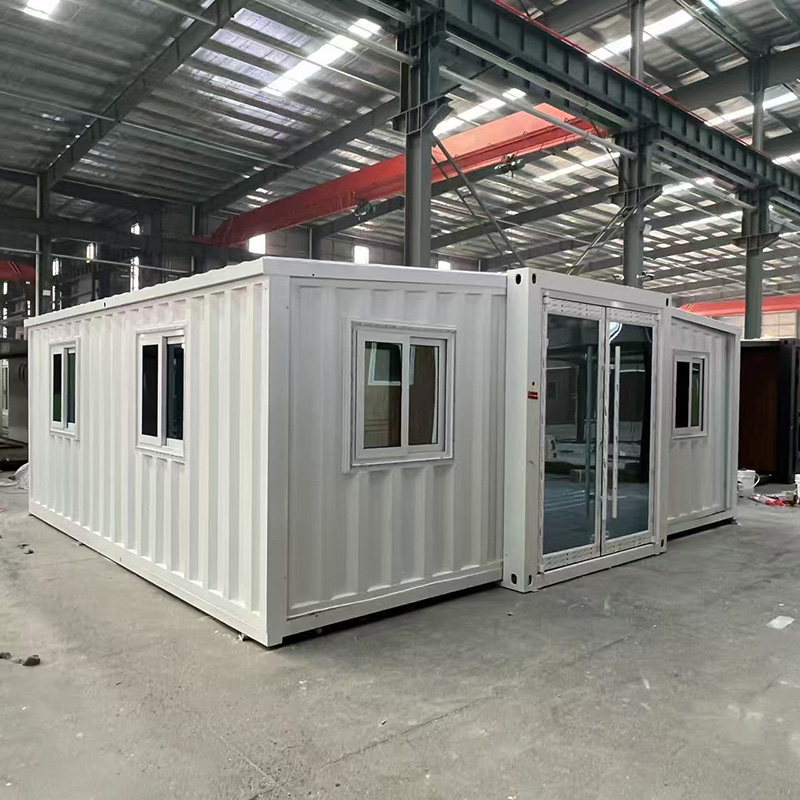
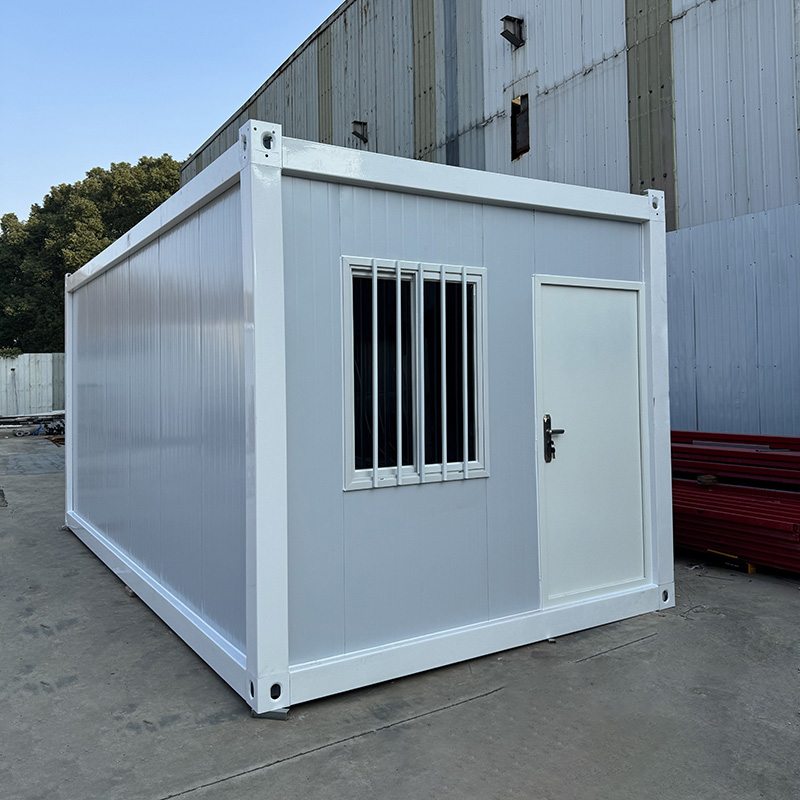
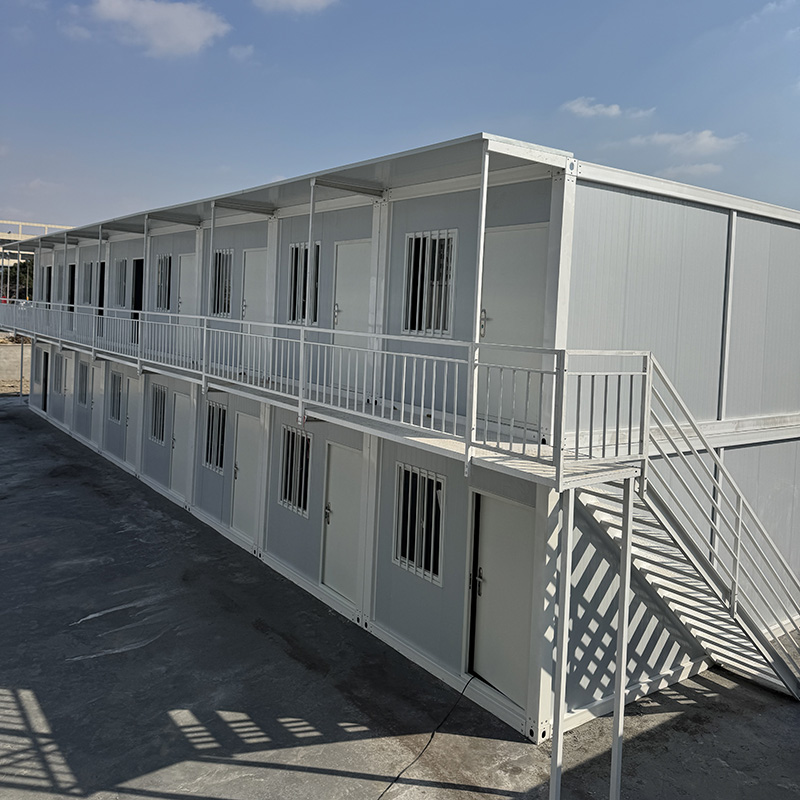
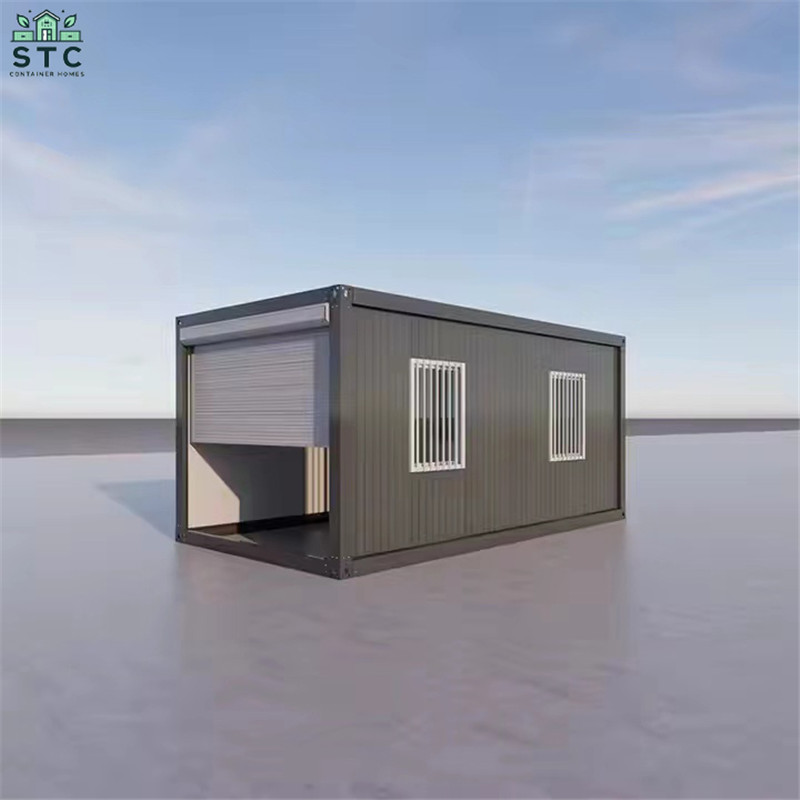
Japan’s construction sector is undergoing a massive paradigm shift. With a shrinking, aging labor pool and the rising costs of traditional building materials like concrete and wood, modular container architecture has emerged as a highly viable, structural alternative. The 40ft container house, in particular, offers the perfect balance of transportable modularity and expansive spatial utility, making it highly sought after for both commercial ventures and public infrastructure projects.
Strict adherence to Japan's Building Standards Act (Kenchiku Kijun-hō) is a critical requirement for any structure built in the country. Our factory-engineered 40ft container houses are constructed using heavy-gauge steel, reinforced structural frames, and specialized joining systems that comply with Japanese seismic performance metrics. This ensures that the modular units can withstand severe earthquakes, typhoons, and heavy snow loads in northern regions like Hokkaido.
"By integrating advanced thermal insulation layers and high-efficiency drainage layouts, our 40ft container houses achieve energy conservation standards comparable to modern Japanese residential buildings."
Several macro-environmental factors are accelerating the adoption of container homes and offices in Japan:
Tailoring every module to meet localized Japanese building regulations and aesthetic preferences.
 01
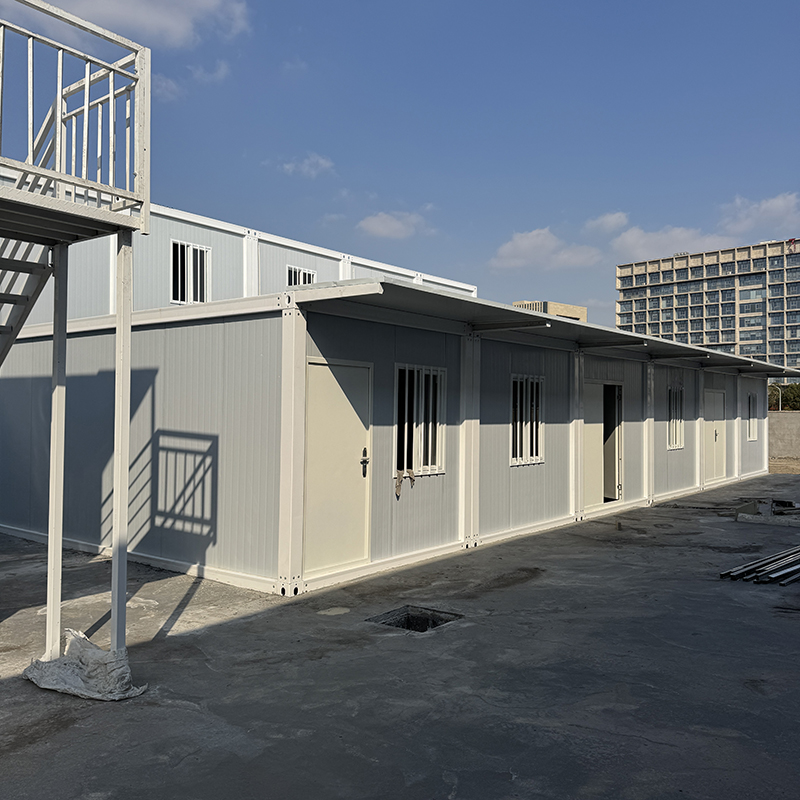
Support standard/non-standard sizes, adjust length, width, and height as required to adapt to scenarios such as construction sites, homestays, sentry posts, and warehouses.
 02
Can be spliced into single-layer or multi-layer, and flexibly arrange partitions, doors, windows, stairs, and corridors.
 03
Comprehensive coverage of water and electricity, bathroom facilities, heat preservation, sound insulation, fire prevention, photovoltaic, and intelligent devices.
 04
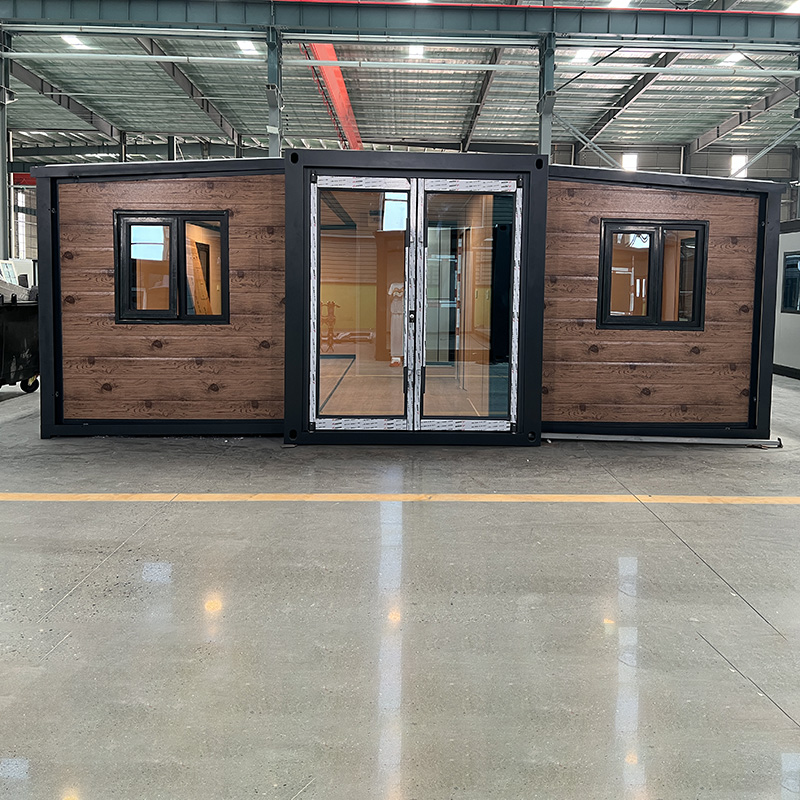
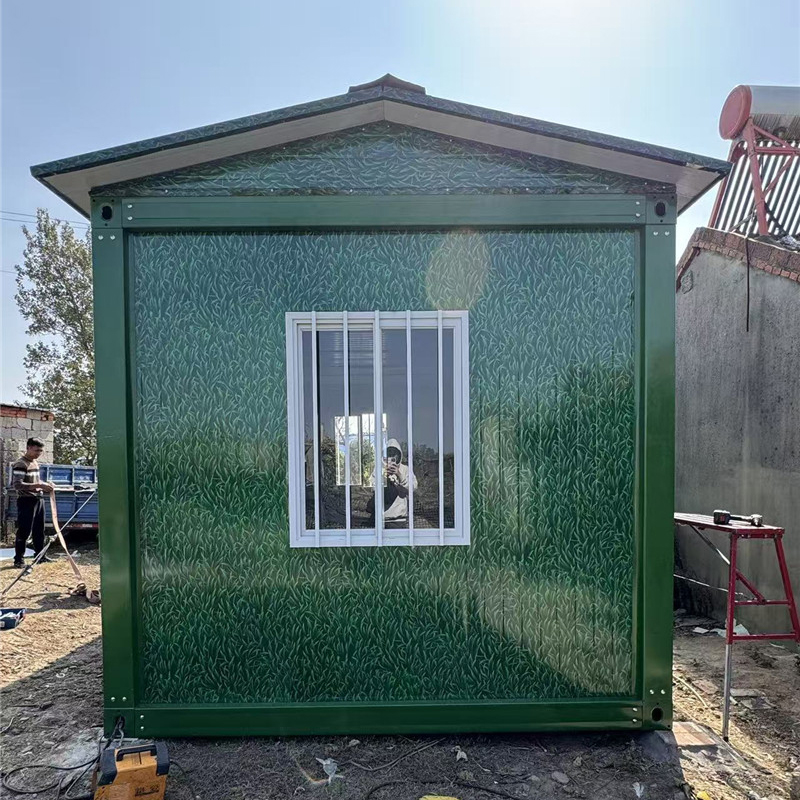
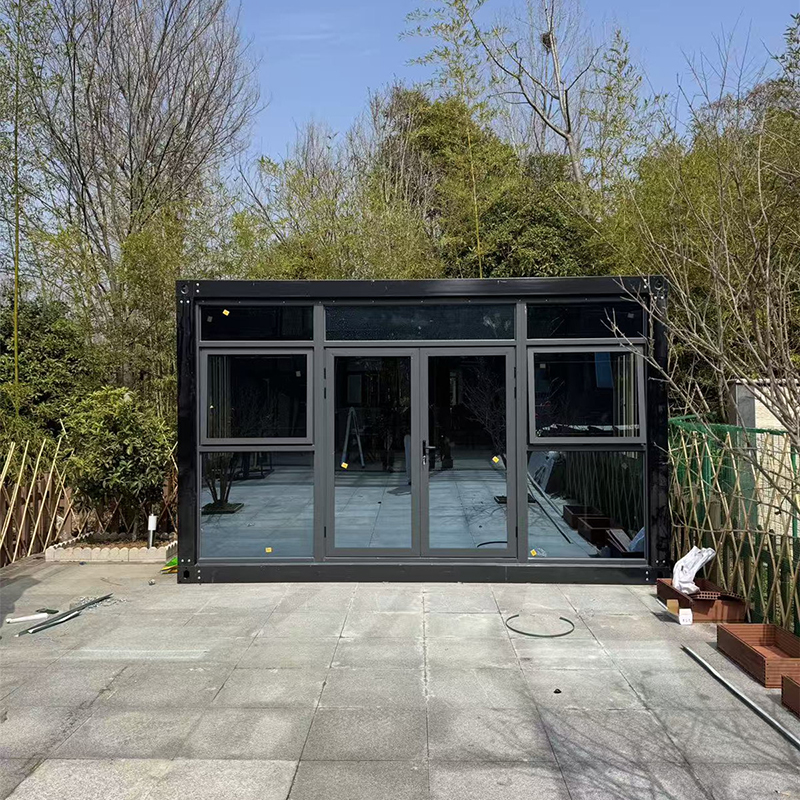
Design colors, LOGOs, curtain walls, and shapes as required to meet the needs of brand display and cultural tourism aesthetics.
Optimized logistics and rapid assembly protocols tailored for Japan's narrow roads and mountainous terrain.

Prefabricated in the factory and quickly installed on-site. A 2-person team can complete one set in 4-6 hours. Leading enterprises can achieve one room in 2 hours.

Ship in parts and transport by full-vehicle. It can enter mountainous areas/narrow roads without damaging the site.

Provide multiple modes such as on-site installation, remote guidance, and turn-key delivery.
Versatile, modular spaces designed to meet the demands of Japanese cities, tourist destinations, and disaster zones.
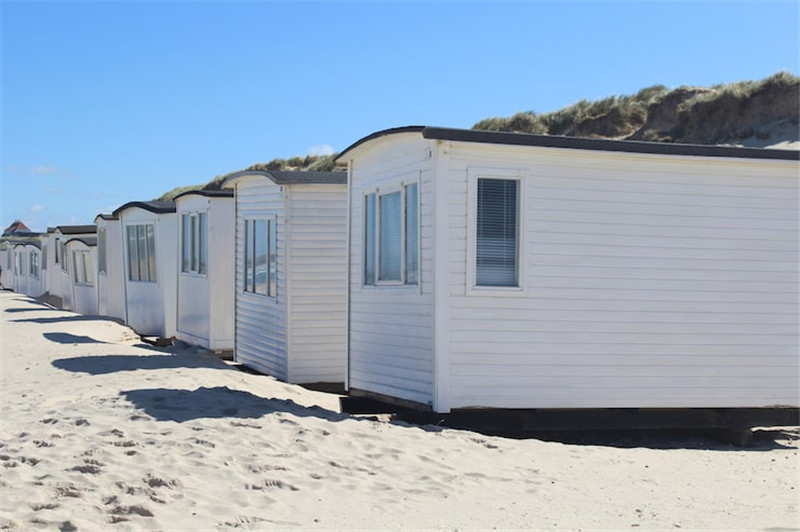
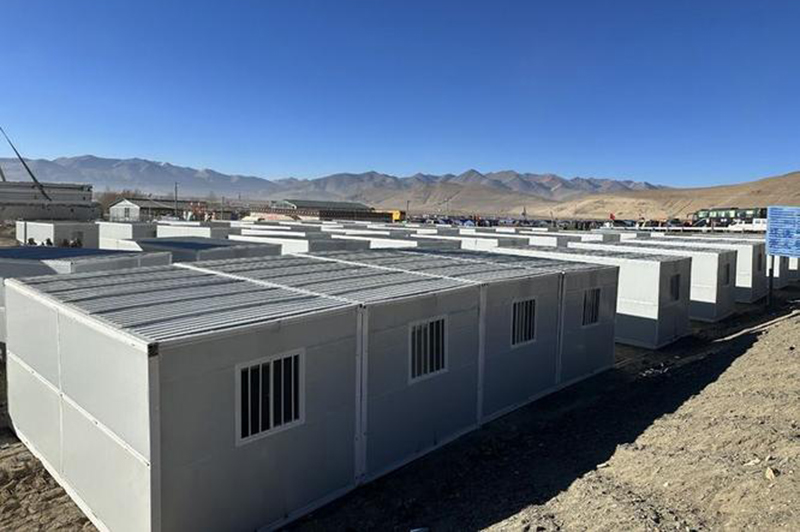
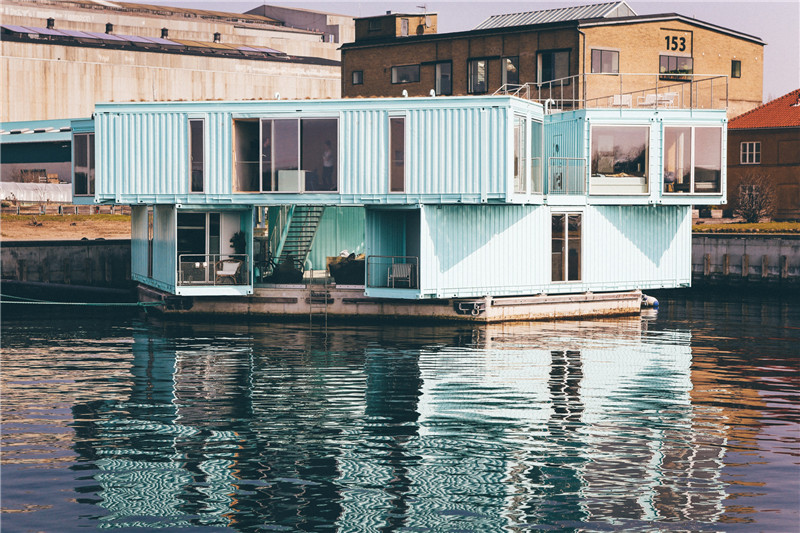
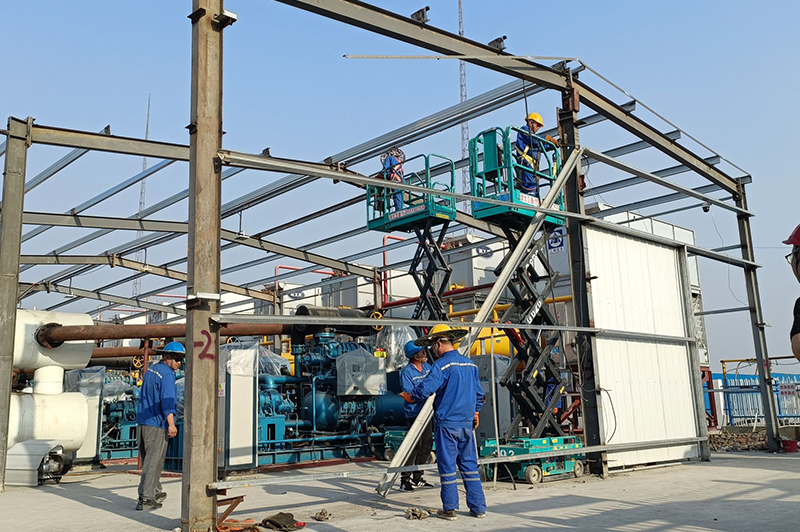
Importing modular container units into Japan requires a deep understanding of local compliance standards. Unlike standard shipping containers, container houses intended for permanent or semi-permanent occupancy must utilize steel that matches or exceeds JIS G 3101 (SS400) or JIS G 3136 (SN steel) regulations. Our factory utilizes high-grade, certified steel structures that undergo rigorous ultrasonic flaw detection and weld testing before export.
We provide full structural calculation sheets (Kouzou Keisansho) required by Japanese administrative offices (Kenryoku Jimusho) for obtaining building permits. This documentation details the unit's resistance to lateral wind pressures (essential for coastal areas prone to typhoons) and vertical snow loads (essential for the heavy snowfall regions of Niigata and Hokkaido).
From the freezing winters of Sapporo to the humid, sweltering summers of Osaka, thermal performance is vital for occupant comfort and energy efficiency. Our 40ft container houses are outfitted with high-density polyurethane foam or non-combustible rock wool insulation, achieving compliance with Japan's energy conservation standards (Next-Generation Energy Conservation Standards).
To prevent condensation—a common issue in steel-framed structures within humid climates—we integrate specialized vapor barriers and active ventilation systems (Class 3 ventilation systems) to maintain pristine indoor air quality and protect the structural integrity of the steel framing over its 30+ year lifespan.
Browse our full range of customizable modular solutions engineered for the Japanese market.